






zámek Studená Chateau
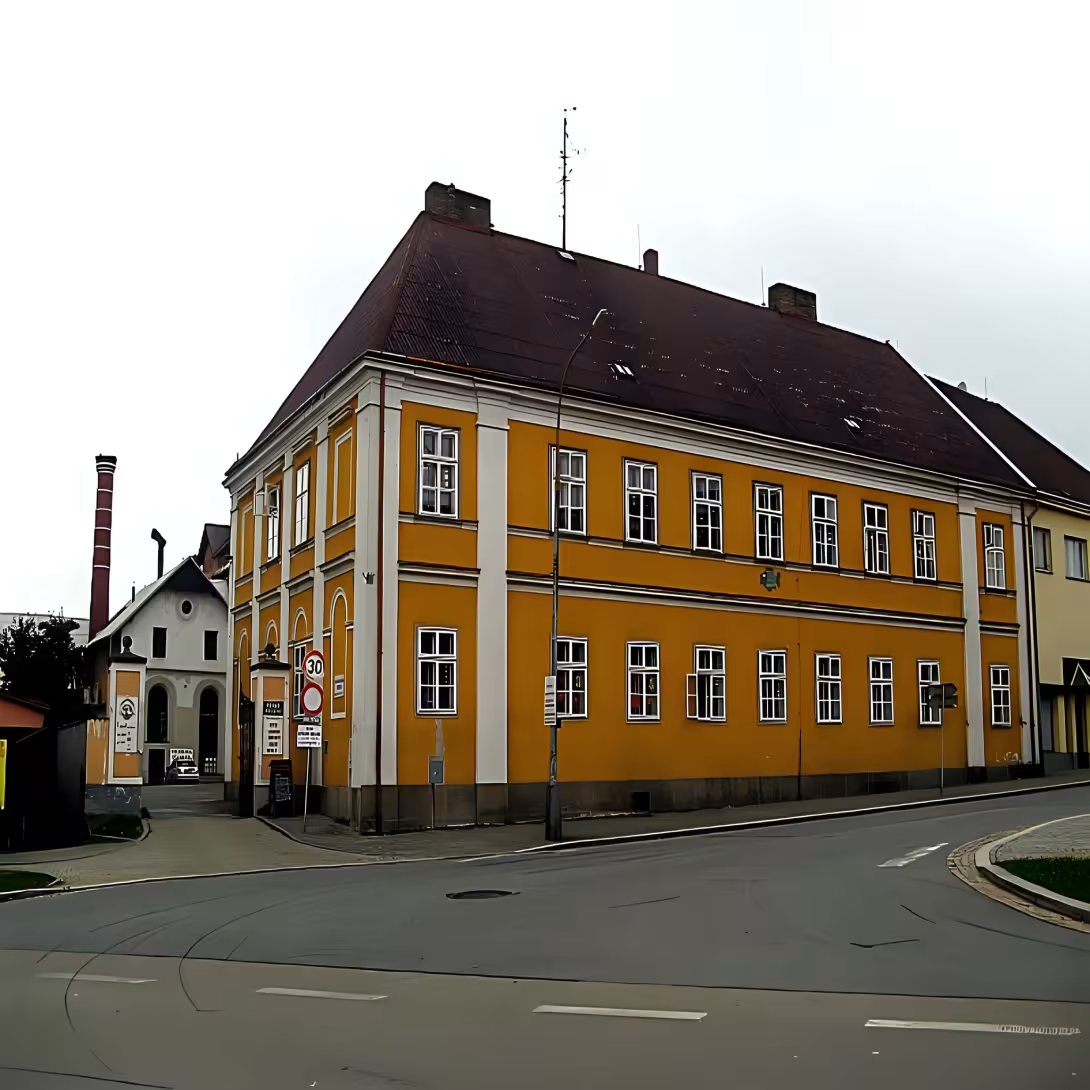
Zámek Studená is a notable cultural monument located in the village of Studená within Jindřichův Hradec District, Jihočeský kraj, Czech Republic. Originally constructed as a fortress in 1365 by Dedrich z Obrataně, it has undergone significant transformations over the centuries. The chateau is particularly remarkable for its architectural evolution from a medieval fortress to a Renaissance hunting lodge and later into a classicist structure through various reconstructions.
The origins of Zámek Studená trace back to 1365 when Dedrich z Obrataně purchased the village and built a fortress, marking the first documented mention of the site. Over time, it changed hands multiple times, with six different owners by the fifteenth century. By the late sixteenth century, Zachariáš z Hradce transformed the fortress into a small Renaissance hunting lodge, reflecting broader cultural trends across Europe during this period.
Architecturally, Zámek Studená exhibits elements of classicism, characterized by its oblong layout and two-story structure with a mansard roof. The chateau's design includes horizontal and vertical divisions on its facades, featuring four protruding columns that segment the eastern facade into three parts. Windows are unadorned yet systematically arranged, contributing to the classical aesthetic. Additionally, the southern facade is divided by four columns and a central cornice, with windows in both floors having distinct frontons.
Ownership of Zámek Studená has seen several transitions over its history. After Zachariáš z Hradce's renovations, the chateau remained under various owners until 1796 when it came into the possession of the Podstadský-Lichtenstein family. They maintained ownership until 1948, after which the property was nationalized. During this period, the chateau served as a residence for estate administrators and later functioned as an asylum.
Throughout its history, Zámek Studená has been more than just a residential structure; it played a role in the leisure activities of the Telč estate owners during the seventeenth and eighteenth centuries. This historical context highlights its significance beyond mere habitation, serving as a site for entertainment and social gatherings.
Today, Zámek Studená stands as an accessible cultural monument open to visitors who wish to explore its rich history and architectural beauty. Its transformation over the centuries reflects broader historical trends in Bohemia and Europe, making it a valuable site for those interested in both local heritage and European history. Visitors are invited to experience this remarkable chateau, which continues to be a testament to the region's dynamic past.
Then and now
Drag the slider to compare how the landmark may have looked when it was built with the view today.
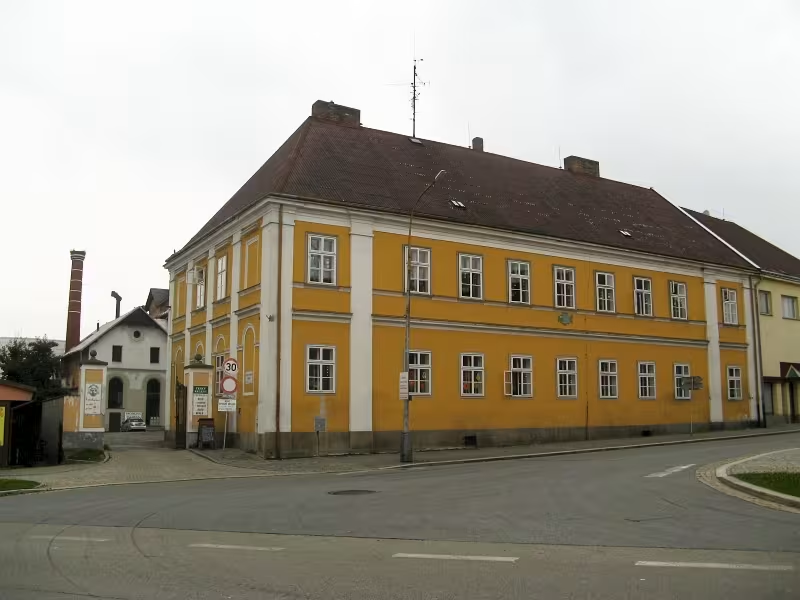
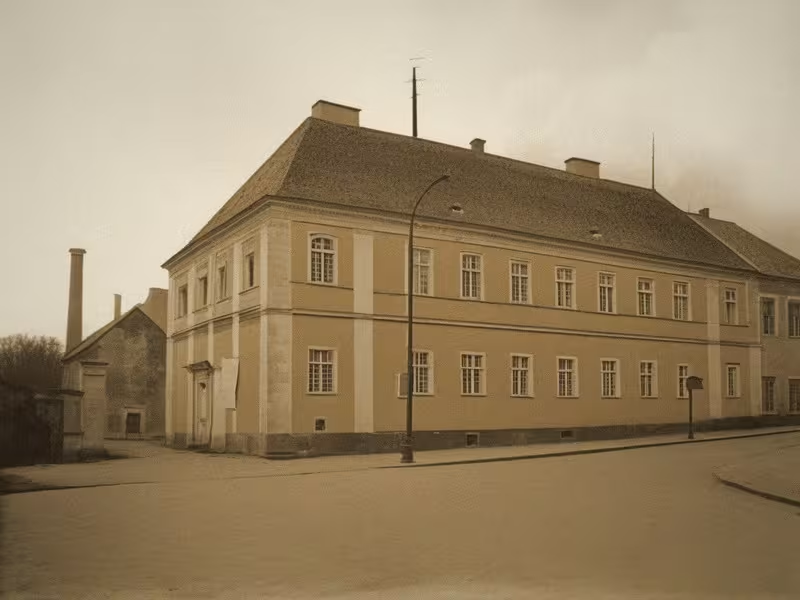
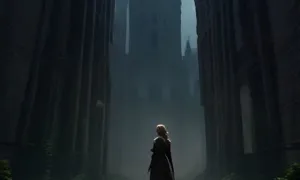
The historical appearance on the left is an AI-generated visualisation and serves as inspiration only.
Historical milestones
- 1365
- Dedrich of Obratane built the chateau as a fortress.
- end of 16th century
- Zachariáš of Hradce transformed the fortress into a small Renaissance hunting pavilion.
- 1796
- The Podstadský-Lichtenstein family became the owners of the chateau.
- 1948
- The chateau was managed by the state after the abolition of private ownership.
Architectural development
Zámek Studená has undergone several architectural phases, starting as a fortress in the fourteenth century. It was transformed into a Renaissance hunting lodge in the late sixteenth century and later underwent multiple reconstructions in the seventeenth and eighteenth centuries. The chateau features elements of classicism, with an oblong layout, two floors, and a mansard roof.
Historical events
1365: First documented mention when Dedrich z Obrataně purchased the village and built a fortress.
Late sixteenth century: Zachariáš z Hradce transformed the fortress into a Renaissance hunting lodge.
1796 onwards: Owned by the Podstadský-Lichtenstein family until 1948.
Owners
The first documented owner was Dedrich z Obrataně in 1365. Over time, it had six different owners by the fifteenth century. Zachariáš z Hradce owned it at the end of the sixteenth century and initiated its transformation into a Renaissance lodge. The Podstadský-Lichtenstein family acquired it after 1796 until they were dispossessed in 1948.
Points of interest
- Despite its transformation over the centuries, Zámek Studená still retains some original medieval elements in its foundation and layout, a testament to its origins as a fortress built by Dedrich z Obrataně in 1365.
- The chateau's transition into a Renaissance hunting lodge under Zachariáš z Hradce reflects not just architectural changes but also the cultural shift towards leisure and sports among European nobility during that era.
- In an unusual twist of history, Zámek Studená served as an asylum after being nationalized in 1948, showcasing its adaptability to serve various societal needs beyond its original residential purpose.
- The Podstadský-Lichtenstein family's long tenure from 1796 until the chateau’s nationalization in 1948 highlights their significant influence on maintaining and possibly enhancing the estate during a period of political and social change in Bohemia.
- Zámek Studená was not only a residence but also played an integral role as a venue for entertainment and social gatherings, reflecting its importance in the leisure activities of the Telč estate owners during the seventeenth and eighteenth centuries.
Guide
This guide is narrated by a synthetic voice generated by artificial intelligence.
Show guide text
This text was created by artificial intelligence and has not been editorially reviewed. It may contain inaccuracies.
Welcome to the historic Zámek Studená, nestled in the picturesque village of Studená within the Jindřichův Hradec District in Jihočeský kraj. As you stand here before this remarkable site, imagine stepping back through time into a world where history and culture intertwine.
Zámek Studená's origins trace back to 1365 when Dedrich z Obrataně built it as a fortress. This medieval stronghold was designed for defense, reflecting the turbulent times of its inception. Over the centuries, this chateau has witnessed significant transformations that have shaped its current form and function.
As you look around, take in the layout that still bears traces of its original fortification. While specific architectural details are not extensively documented, the foundation and overall structure offer a glimpse into its medieval past. The chateau's evolution is evident as it transitioned from a fortress to a Renaissance hunting lodge by the late sixteenth century under Zachariáš z Hradce. This change marked a shift in purpose, adapting the site for leisure rather than defense.
In 1796, the Podstadský-Lichtenstein family became the owners of Zámek Studená, adding another layer to its rich history. By 1948, following the abolition of private ownership, the chateau entered national administration, ensuring its preservation as a cultural monument.
While specific architects and historical figures associated with the chateau's development remain largely unknown, the stories embedded in these walls speak volumes about the lives that have passed through here. The transformation into a Renaissance hunting lodge is particularly fascinating, reflecting broader architectural and societal changes of the time.
One intriguing aspect of Zámek Studená is its ability to retain elements from different eras, offering visitors a tangible connection to its storied past. Despite its many transformations, it remains a testament to the vision of Dedrich z Obrataně and those who followed in shaping this historic site.
As you continue your exploration, immerse yourself in the atmosphere that surrounds Zámek Studená. Each step through this landscape is an opportunity to connect with history and appreciate the enduring legacy of this remarkable chateau.
Thank you for joining us on this journey through time at Zámek Studená. We invite you to delve deeper into its stories and discover more about the rich tapestry of history that makes this place so special. Enjoy your visit!
Businesses nearby
Do you run a restaurant, accommodation, shop, museum, rental, wellness or other visitor service near this monument? Show yourself directly to the people heading to it — this is how they will see you in the app and on the web:
Accommodation nearby
Trips and activities nearby
Guided tours, tickets and activities nearby from GetYourGuide
Affiliate link: if you buy from the partner, we may receive a commission. The price for you does not change.
Search tours and activities →Themed route
Thematic Tour Itinerary: Zámek Studená and Surroundings
1. Zámek Studená (Chateau) - Type: Historic Chateau - Why Visit: Begin your journey at the heart of this itinerary, Zámek Studená, a stunning example of Renaissance architecture nestled in the picturesque landscape of Jihočeský kraj. Explore its rich history and enjoy panoramic views from the chateau grounds.
2. Studená Village Square - Type: Historic Town Center - Why Visit: A short walk from the chateau, the village square offers a glimpse into traditional Czech life with charming cottages and local shops. It's an ideal spot to relax and soak in the serene atmosphere of Studená.
3. Studená Church - Type: Historic Church - Why Visit: Located near the village center, this church is renowned for its architectural beauty and historical significance. Visitors can appreciate its intricate design and peaceful ambiance, making it a must-see for those interested in religious heritage.
4. Local Artisan Workshops - Type: Cultural Experience - Why Visit: Explore nearby workshops where local artisans craft traditional Czech goods. This experience offers insight into the region's cultural craftsmanship and provides an opportunity to purchase unique souvenirs.
5. Castle Gardens - Type: Botanical Garden - Why Visit: Conclude your tour with a leisurely stroll through the chateau gardens, featuring beautifully landscaped paths and diverse plant species. The gardens provide a tranquil setting for reflection and appreciation of nature's beauty.
This itinerary offers a comprehensive exploration of Zámek Studená and its immediate surroundings, ensuring an enriching cultural and historical experience.
Seasonal recommendations
Spring: The arrival of spring at Zámek Studená is marked by a transformation as the landscape bursts into life with vibrant colors and fresh blooms. This season offers a picturesque setting, where the chateau's architecture contrasts beautifully against lush greenery and blooming gardens. Visitors can enjoy pleasant weather that enhances the exploration of both indoor exhibits and outdoor grounds. It’s advisable to dress in layers, as temperatures can vary throughout the day. Early mornings are ideal for visiting to avoid larger crowds, allowing you to fully appreciate the serene atmosphere.
Summer: Summer at Zámek Studená is characterized by its lush gardens and extended daylight hours, perfect for leisurely strolls around the chateau grounds. The warm weather invites outdoor activities, making it an excellent time to explore the scenic landscapes surrounding the estate. However, this season also attracts more visitors, so arriving early in the day can help you avoid the peak crowds. Wearing comfortable clothing and sunscreen is recommended, as well as staying hydrated during your visit.
Autumn: Autumn brings a stunning display of fall foliage at Zámek Studená, with vibrant reds, oranges, and yellows creating an enchanting atmosphere around the chateau. The cooler temperatures make it a pleasant time for outdoor exploration without the summer heat. This season is ideal for photography enthusiasts looking to capture the picturesque landscapes. As daylight hours shorten, planning your visit earlier in the day ensures you have ample time to enjoy all that the estate has to offer.
Winter: Winter at Zámek Studená offers a unique charm with its snow-covered grounds and cozy ambiance. The chateau takes on a magical appearance under winter lighting, providing a different perspective from other seasons. While some outdoor areas might be less accessible due to weather conditions, the interior exhibits remain open for visitors. Dressing warmly in layers is essential, along with wearing comfortable footwear suitable for potentially icy paths. Visiting during weekdays can help avoid larger crowds and enhance your experience of this tranquil winter wonderland.
Visualizations and artistic views


The visualisations are generated by artificial intelligence and serve as inspiration.
Photos from the area
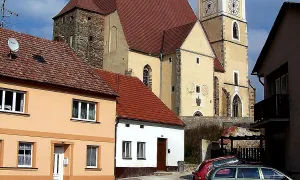
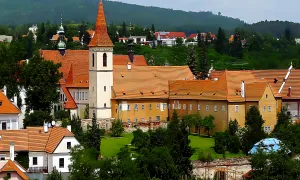
Real photos taken near the monument


Zdroj a licence jsou uvedeny u každého snímku.
Tips from visitors
No tips yet. Be the first!
Log in and add your tip.
Sources and literature
Fotografie: Sovicka169 / CC BY-SA 4.0, rozlišení zvýšeno umělou inteligencí — Wikimedia Commons. The author and licence also appear when you hover over the image.
Faktickým podkladem tohoto textu byl článek na Wikipedii, jehož autory jsou přispěvatelé Wikipedie. Článek je dostupný pod licencí CC BY-SA 4.0.
Location on the map

Příběhy a pověsti
Legendy, pověsti a příběhy spjaté s touto památkou
Fotografie návštěvníků
Zatím žádné fotografie. Buďte první, kdo přidá fotografii z návštěvy!
Přihlaste se a přidejte svou fotografii nebo hodnoťte.
Za ověřenou návštěvu v aplikaci získáte víc bodů — poznáme podle GPS, že jste na místě.
Reviews and comments