



železniční most v Táboře Railway bridge
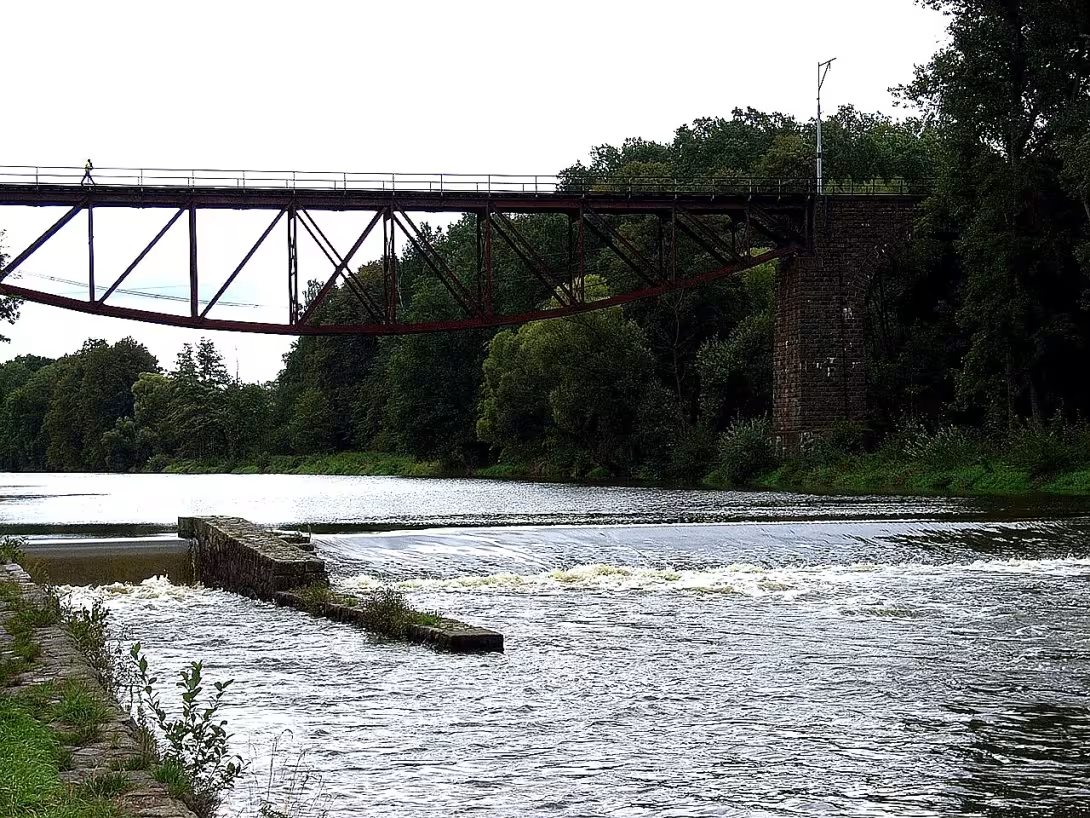
The railway bridge in Tábor is a steel construction over the river Lužnice. It is located on the track connecting Tábor and Becyne. It is part of the first electrified railway in the Czech countries, making it a historical and technical monument. The bridge was established in the early 20th century and still serves as a key transport connection in the region.
The creation of the building was related to the need to improve the connection between Tábor, Bechýním and surrounding areas. At the end of the 19th century, discussions were held about the benefits of electrification. This led to the decision of the Czech Assembly to take over the guarantee for the construction of the line Tábor-Becyne. František Křižík, known for its electric drive attempts, played a key role in this process. After successful tests, the Ministry of Transport issued a building permit on 4 September 1901 and construction started already in spring 1902.
The architecture of the bridge represents the engineering art of the time. The steel lattice semi-parabolic construction with upper bridge stands on stone pillars from the local quarry stone near Klokot. The total length of the building is 174 metres and its crown is 20 metres above the surface of the Lužka. The largest building object of the route was the bridging of the river valley, which was completed by J. Kubíček and Mostárna brothers of the Prášili from Prague-Libna.
After the official opening on 21 June 1903, the bridge became an essential part of the regional rail network. In 2025 the Railway Administration launched a major reconstruction. Steel structures will be replaced by replicas and a footbridge will be added. These measures mean the temporary closure of the line from Tábora to Becýn.
Today, železniční most v Táboře is a technical monument and witness to the history of electrification of Czech railways. Reconstruction opens new possibilities for hikers and tourists who want to know important transport history chapters. Visiting the bridge offers a unique opportunity to appreciate engineering ingenuity. This construction thus links the past to the modern world.
Then and now
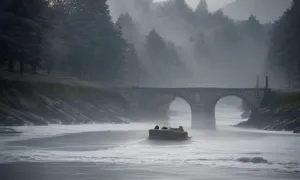
Drag the slider to compare how the landmark may have looked when it was built with the view today.
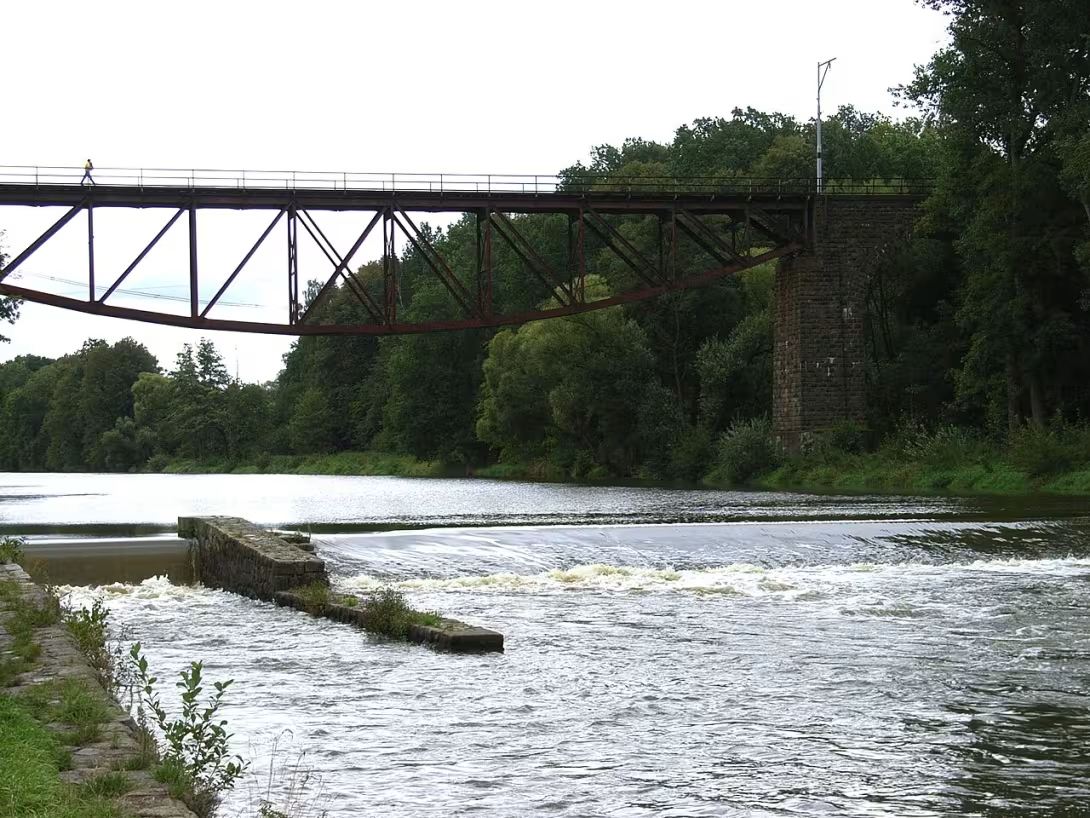
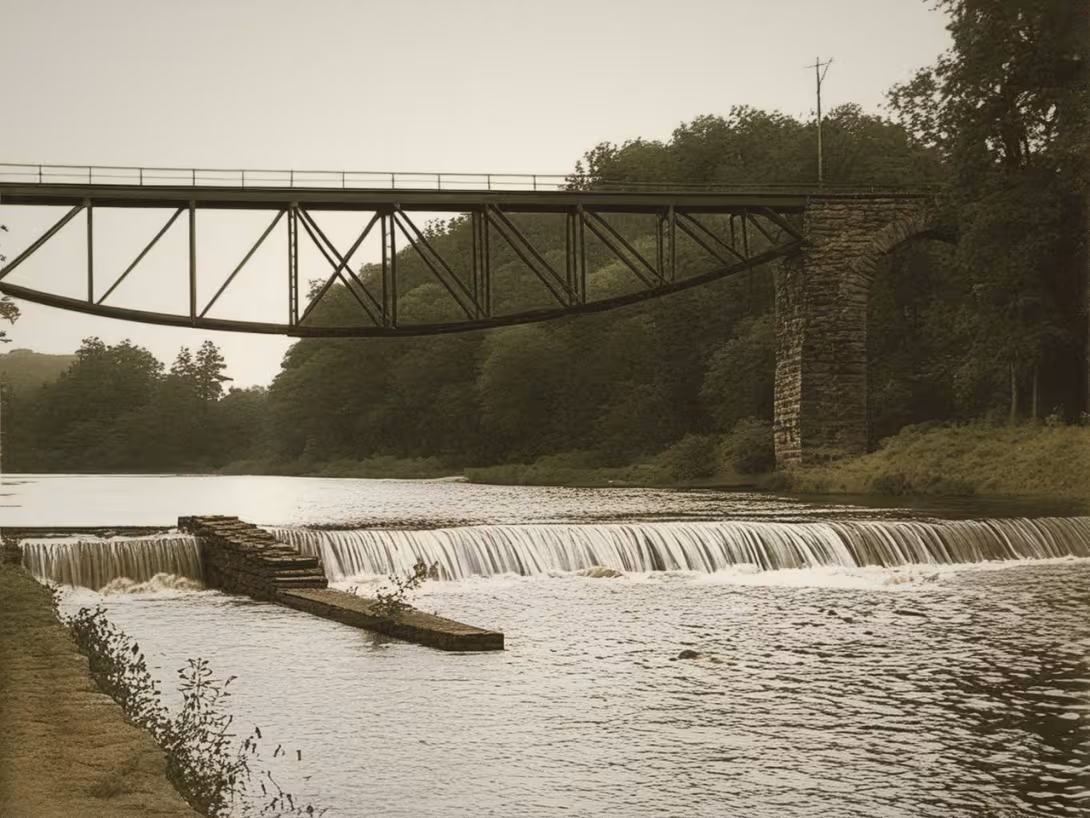
The historical appearance on the left is an AI-generated visualisation and serves as inspiration only.
Historical milestones
- 1901
- Issue of a building permit for the construction of an electric line
- 1902
- Beginning of construction and digging of bridge foundations
- 1903
- Official start of line operation
- 2025
- The start of a major bridge reconstruction
Architectural development
The bridge has a steel lattice semi-parabolic construction with upper bridge. Pillars are made from building stone extracted in quarries near Kangaroo. As part of the current reconstruction, the original steel parts will be replaced by their replicas.
Historical events
In 1901, a building permit was issued for the construction of an electric line. In 1902 the construction and digging of the foundation of the bridge took place. In June 1903, traffic on this railway line was officially launched. In 2025, extensive reconstruction of the building started.
Points of interest
- The railway bridge in Tábor is a steel construction over the river Lužnice. - It is part of the first electrified railway in the Czech countries, which makes a historical and technical monument. - The bridge was established in the early 20th century and still serves as a key transport connection in the region. - The architecture of the bridge represents the engineering art of that time, with a steel lattice semi-parabolic structure standing on stone pillars of local stoneware. - After the official opening of June 21, 1903, the bridge became an essential part of the regional rail network.
Guide
Show guide text
This text was created by artificial intelligence and has not been editorially reviewed. It may contain inaccuracies.
Welcome! You are standing in front of one of the major monuments of Tábora - railway bridge over the river Lužnice. Under your feet is a steel structure that boasts elegant stone pillars. This bridge is not only an architectural pearl, but also a key link in the history of Czech countries.
Let's dive into the past and discover how this bridge originated. In 1901, a permit was granted for the construction of an electrical railway line connecting Tábor to Bechyně. For the following year, work began to dig the foundations and construction of the bridge, which was completed so that already in 1903 it could be officially started to operate. This project represented the first step towards electrification of railways in our countries, which was a very ambitious idea at the time.
Look up and notice the steel structure of the bridge. It's a great example of engineering at the beginning of the twentieth century. Steel rods, which stretch out elegantly between stone pillars, create harmonic symmetry and strength. These details are not only functional, but also aesthetically engaging.
It is important to mention František Križík, Czech engineer and pioneer in the field of electrification. Although he was not directly involved in the bridge project, his work on electrical railways had a major impact on the whole region and inspired similar projects throughout Europe.
The interesting thing is that this bridge was recently subject to a major reconstruction. In 2025, the reconstruction began, which ensured its functionality and safety for future generations. This work shows how important and viable the bridge is today.
Now that you've learned about its history and architecture, we'll invite you to explore Tábor again. Go through the whole city and discover the other beauties he has to offer. When you return, remember to share your impressions of this fascinating place. Thank you for your visit and have a nice day!
Tips for visitors
The best time to visit is in the spring or autumn season when the weather is pleasant and fewer people gather here. This bridge offers a beautiful view of the river Lužnice and surrounding landscape in quiet colors of spring or autumn.
You can get here either by car or by public means of transport. Check current connections and routes before visiting the online search engine.
Bring your protective sunglasses, winter clothes (if necessary) and drinks. It may also be useful to carry a map or GPS device for orientation in the surroundings.
For photography is the best spot on the side that best has sunlight. The most beautiful light offers morning and evening, when the colors in the landscape become more intense.
In the surrounding area you can visit the historical center of Tábor or explore the natural beauty of the river Luželka. The location is also suitable for families with children, where they can enjoy the outdoor environment and a beautiful view of the bridge.
Frequently asked questions
Can the monument be visited?
This is a structure in a public space that can usually be seen from outside free of charge. We have not verified that this particular one is freely accessible. According to the heritage register restoration is under way, so access may be restricted.
Where is the monument?
Location: Tábor, Jihočeský kraj. The map on this page shows the exact spot.
Why is the monument protected?
It is listed in the Central List of Cultural Monuments of the Czech Republic as a cultural monument (register no. 1000160171).
Businesses nearby
Do you run a restaurant, accommodation, shop, museum, rental, wellness or other visitor service near this monument? Show yourself directly to the people heading to it — this is how they will see you in the app and on the web:
Nearby
Řeka Lužnice a město Tábor.
Accommodation nearby
Themed route
Thematic cruise route from Tábora
1. Railway bridge in Tábor (bridge) Type: architecture, technology Why is it worth a visit: A beautiful example of 19th century railway bridge, which connects two banks of the river Lužka and is an excellent place to understand the history of transport infrastructure in the region.
2. The river Lužík (nature) Type: natural environment, recreation place Why is worth a visit: The beautiful flow of the river offers opportunities to relax and walk in quiet nature. It's an ideal place for a picnic or just for a moment of rest along the shore.
3. City square Tábor (history, culture) Type: historical and cultural space Why is it worth a visit: The city centre offers a view of historical architecture and is an ideal place to walk. The square is lively with various restaurants and shops where you can enjoy the local spirit.
4. St. Jacob's Church in Tábor (architecture) Type: religious architecture Why is it worth a visit: An important church with rich history and beautiful Gothic architecture. It is an ideal place for those who are interested in spiritual and architectural monuments.
5. City Park in Tábor (nature) Type: recreation and natural space Why is worth a visit: The park offers a quiet space for relaxation, whose green areas are ideal for short walks or rest in nature. It is also a place with possibilities for sports activities.
This route offers a combination of historical, architectural and natural experiences that allow you to know Tábor and its surroundings at different angles.
Seasonal recommendations
Spring brings fresh air around the bridge and the first green buds on the trees. Light is soft in this period, which is ideal for observing the details of the built-up structure. I recommend wearing layered clothes because the morning cold can turn into warmer air during the day. It is the best time to visit if you want to have more peace before the arrival of summer tourists.
In the summer, the surrounding area is full of thick green and the sun shines strongly on the metal part of the bridge. The atmosphere is very lively, but due to the ongoing repairs, the journey around may be a little limited. The best thing to do is to come right after sunrise to avoid the greatest heat and the biggest groups of people. Don't forget the protective caps and enough fluids to drink.
Autumn turns the landscape into a colorful palette of gold and brown colors, while morning fog above the river creates a mysterious mood. The light is low at this time and it highlights the shadows beautifully. It is advisable to carry a waterproof jacket and tight shoes because moisture can cause slippery roads. It is an ideal time for a peaceful observation of nature and construction work.
The day is short and the sky is often grey, which gives the place a calm but serious look. The necessity is to wear very warm clothes and shoes with good grip for walking on snow. During this period there are the least visitors, which allows you to observe repairs in almost complete silence.
Visualizations and artistic views


The visualisations are generated by artificial intelligence and serve as inspiration.
Photos from the area
Real photos taken near the monument


Zdroj a licence jsou uvedeny u každého snímku.
Tips from visitors
No tips yet. Be the first!
Log in and add your tip.
Sources and literature
Photos: Original uploader was Rudolf Kukačka at cs.wikipedia / Public domain — Wikimedia Commons. The author and licence also appear when you hover over the image.
Faktickým podkladem tohoto textu byl článek na Wikipedii, jehož autory jsou přispěvatelé Wikipedie. Článek je dostupný pod licencí CC BY-SA 4.0.
Location on the map


Příběhy a pověsti
Legendy, pověsti a příběhy spjaté s touto památkou
Fotografie návštěvníků
Zatím žádné fotografie. Buďte první, kdo přidá fotografii z návštěvy!
Log in a přidejte svou fotografii nebo hodnoťte.
Za ověřenou návštěvu v aplikaci získáte víc bodů — poznáme podle GPS, že jste na místě.
Reviews and comments