



zřícenina větrného mlýna Radvanov Ruin
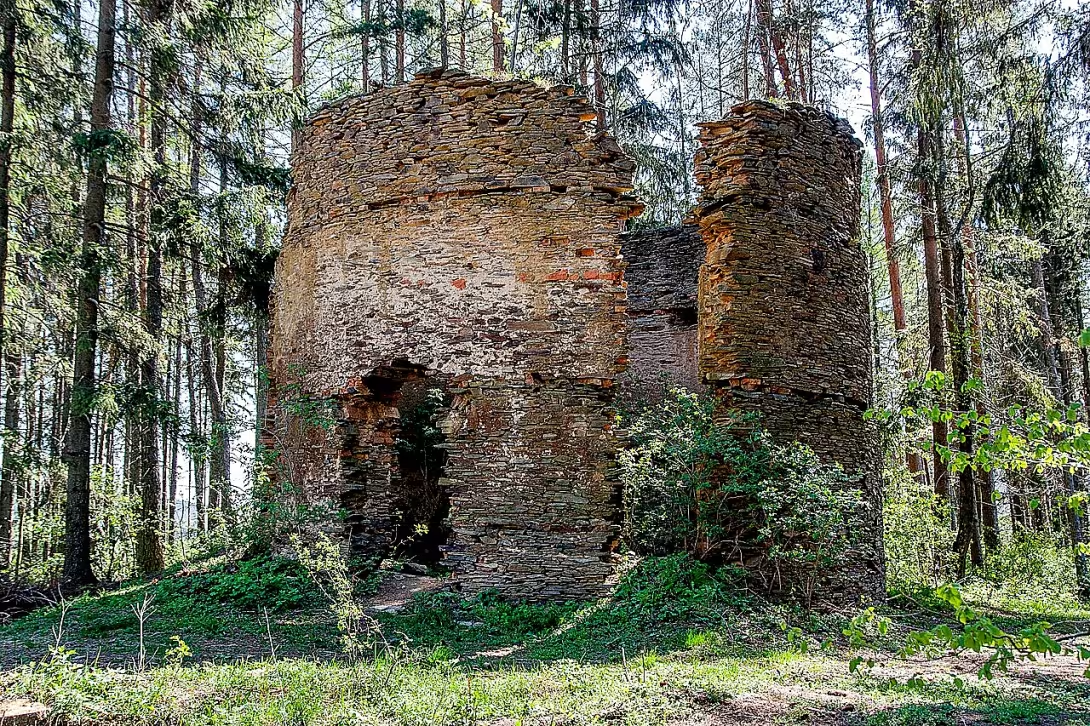
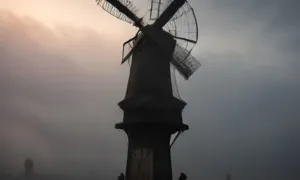
The Radvanov Windmill ruins stand as a historical monument in the village of Radvanov, located in the Mladá Vožice district of Jihočeský kraj. Situated approximately 300 meters northwest of the village on Větrák hill within a forested area, these remnants date back to the mid-19th century and are notable for their Dutch design and industrial function during that era. The windmill was operational around this time, primarily used for grinding oilseed rape among other purposes. Despite its historical significance, the structure does not align with its original plans due to alterations over time.
Constructed in the mid-19th century, a period marked by industrial growth and modernization in Bohemia, the Radvanov Windmill reflects advancements in agricultural technology, including windmills for processing crops. Initiated by Anna Vamberová, wife of Prague citizen Josef Vambery who owned the estate at Radvanov, Antonín Mrázek, a master carpenter, designed the windmill. His plans were approved by Tábor district authorities on May 22, 1855. The design aimed to serve both agricultural and industrial needs, reflecting technological advancements of that time.
Architecturally, the windmill was constructed using quarry stone and brick, typical materials for durable structures of its kind. Antonín Mrázek's plans were documented on a single sheet of paper, bearing the seal of the estate’s economic directorate and approval from district authorities. However, the surviving structure does not fully correspond to these original designs, suggesting modifications or deterioration over time. The remnants include an 8.7-meter outer diameter with walls up to six meters high, constructed so their thickness decreases towards the top by two courses of bricks measuring 12 cm each.
Ownership and administration were closely tied to the Vambery family. Anna Vamberová played a pivotal role as the initiator of its construction, reflecting her influence and interest in enhancing the estate's capabilities. Historical records from the 1970s indicate consideration for listing the ruins as a protected monument, highlighting their cultural significance.
Throughout its history, the Radvanov Windmill has been associated with key events such as its approval by Tábor district authorities in 1855 and later considerations for preservation. These underscore its importance within the local heritage context. Despite alterations over time, the windmill remains a testament to mid-19th century industrial activity.
Today, the ruins of the Radvanov Windmill are accessible to visitors interested in exploring historical sites within the Mladá Vožice district. The site offers insights into the technological and architectural practices of its era, making it an intriguing destination for those keen on understanding regional history. Its preservation as a monument reflects ongoing efforts to maintain cultural heritage, inviting exploration and appreciation from both locals and tourists alike.
The Radvanov Windmill ruins offer a unique glimpse into the past, capturing the essence of industrial progress during the 19th century in Bohemia. As visitors explore this site, they are invited to reflect on its historical significance and consider the broader narrative of technological advancement it represents. This monument stands as both a relic of history and an enduring symbol of cultural heritage worth preserving for future generations.
Historical milestones
- 1855
- Approval of construction plans by Tábor district authorities.
Architectural development
The Radvanov Windmill, designed by master carpenter Antonín Mrázek in 1855, was constructed using quarry stone and brick. Despite its initial design plans, the surviving structure does not fully align with these documents, indicating possible modifications or deterioration over time.
Historical events
- 1855
- Construction plans for the windmill were approved by Tábor district authorities.
- 1970s
- Consideration was given to listing the ruins as a protected monument.
Owners
The estate was owned by Anna Vamberová, wife of Prague citizen Josef Vambery, who initiated the construction in the mid-19th century.
Points of interest
- The Radvanov Windmill was designed by Antonín Mrázek, a master carpenter whose plans were approved on May 22, 1855, showcasing the intricate process of architectural approval during that era.
- Despite its Dutch design, the windmill's structure does not entirely match the original plans due to modifications over time, reflecting how historical buildings often evolve with changing needs and circumstances.
- Anna Vamberová, wife of Josef Vambery, played a crucial role in initiating the construction of the windmill, highlighting the influence women could wield in estate management during the 19th century.
- The windmill's walls decrease in thickness towards the top by two courses of bricks measuring 12 cm each, an architectural detail that underscores the engineering practices used to ensure structural stability at the time.
- In the 1970s, there were considerations for listing the Radvanov Windmill ruins as a protected monument, indicating its cultural significance and ongoing efforts to preserve regional heritage.
Guide
This guide is narrated by a synthetic voice generated by artificial intelligence.
Show guide text
This text was created by artificial intelligence and has not been editorially reviewed. It may contain inaccuracies.
Welcome to the historic site of the Radvanov Windmill ruins, a captivating relic from the mid-19th century nestled in the forested embrace of Větrák hill, about 300 meters northwest of the village of Radvanov. As you stand here, surrounded by nature's quiet majesty, imagine the wind whispering through the trees where once sails might have turned with purpose.
The story of this windmill begins in an era marked by industrial progress and architectural ambition. Around the mid-1800s, a vision was conceived to harness the power of the wind for grinding oilseed rape among other uses. It was on May 22, 1855, that Tábor district authorities approved construction plans, setting the stage for what would become an emblem of local ingenuity.
Architecturally, this structure is a testament to Dutch design—a style known for its functionality and elegance. As you take in your surroundings, notice how the remnants speak volumes about their original grandeur. The windmill's framework, though weathered by time, hints at the intricate craftsmanship that once defined it. While today's view may not perfectly align with Antonín Mrázek’s initial plans—due to alterations over time—the essence of its design still captivates.
This site is intertwined with stories and personalities who have left their mark on history. Among them was Josef Vambery, a name associated with the local lore surrounding this windmill. His legacy, along with that of Anna Vamberová, adds layers to the narrative tapestry of Radvanov Windmill. Antonín Mrázek, the master carpenter whose plans breathed life into this structure, remains an unsung hero in its creation.
One intriguing aspect of this site is how it defies expectations. Despite its Dutch design, the windmill's current form diverges from the original blueprint—a mystery that adds to its allure. This deviation invites speculation and curiosity about the forces—whether human or natural—that shaped its evolution over time.
As you continue exploring, let your imagination roam through this landscape of history and nature intertwined. The Radvanov Windmill ruins offer more than just a glimpse into the past; they invite us to ponder the stories etched in their stones and the winds that once turned their sails. We encourage you to delve deeper into its mysteries, perhaps discovering new insights with each visit.
Thank you for joining us on this journey through time at Radvanov Windmill. May your exploration be enriching, filled with wonder and discovery. Farewell, until we meet again in the embrace of history's enduring tales.
Frequently asked questions
Can the monument be visited?
This is a ruin. Such sites are often freely accessible, but some can only be visited with a guide or are closed for safety reasons. We have not verified the current situation – take care and respect any restrictions.
Where is the monument?
Location: Radvanov, Jihočeský kraj. The map on this page shows the exact spot.
Businesses nearby
Do you run a restaurant, accommodation, shop, museum, rental, wellness or other visitor service near this monument? Show yourself directly to the people heading to it — this is how they will see you in the app and on the web:
Nearby
The windmill ruins are situated in a forest on Větrák hill, approximately 300 meters northwest of Radvanov village. The area is characterized by its natural landscape and proximity to other historical sites within the Mladá Vožice district.
Accommodation nearby
Themed route
Thematic Walking Tour: Radvanov Windmill Ruins and Surroundings
1. Radvanov Village Center - Type: Historical Settlement - Why Visit: Begin your journey in the heart of Radvanov, a charming village that offers a glimpse into rural Czech life. The village center provides an excellent starting point to appreciate the local architecture and traditional lifestyle before venturing into the surrounding natural beauty.
2. Větrák Hill - Type: Natural Landscape - Why Visit: Ascend Větrák hill, located approximately 300 meters northwest of Radvanov village, where you will find a serene forested area leading to the windmill ruins. This hike through lush greenery offers panoramic views and a peaceful environment ideal for nature lovers.
3. Radvanov Windmill Ruins - Type: Historical Site - Why Visit: The main highlight of this tour, these picturesque ruins on Větrák hill are steeped in history. Explore the remnants of what was once an important local structure and imagine its role in the village's past. The site is perfect for photography enthusiasts and those interested in historical architecture.
4. Nearby Historical Sites - Type: Surrounding Attractions - Why Visit: After exploring the windmill ruins, take a leisurely walk through the nearby forest to discover other historical sites within the Mladá Vožice district. These lesser-known spots offer additional context and enrich your understanding of the area's cultural heritage.
5. Return to Radvanov Village Center - Type: Conclusion Point - Why Visit: Conclude your tour back at the village center, where you can reflect on your journey through history and nature. Consider visiting a local café or shop to enjoy regional delicacies and souvenirs, rounding off an enriching experience.
This thematic walking tour provides a balanced exploration of historical intrigue and natural beauty within the Radvanov area.
Seasonal recommendations
Spring: The Radovanov Windmill Ruins come alive with vibrant colors and fresh scents during spring, as wildflowers blanket the surrounding landscape and new foliage adorns the trees. This season offers a unique opportunity to witness nature's rebirth in this historical setting, creating an enchanting atmosphere for visitors. As temperatures begin to warm up, it is advisable to wear layers that can be adjusted throughout the day. The early morning or late afternoon are ideal times to visit when sunlight softly illuminates the ruins and crowds are minimal.
Summer: Summer at Radovanov Windmill Ruins provides long daylight hours perfect for exploring this historical site in full glory. The lush greenery and blooming flowers create a picturesque backdrop, while the warm weather invites visitors to enjoy outdoor activities nearby. However, due to its popularity during peak tourist season, arriving early is recommended to avoid larger crowds and fully appreciate the serene atmosphere of the ruins. Comfortable walking shoes and light clothing are essential for navigating the site comfortably.
Autumn: Autumn transforms Radovanov Windmill Ruins into a stunning tapestry of reds, oranges, and yellows as deciduous trees shed their leaves. The cooler temperatures make it an ideal time to visit without the summer crowds, offering a peaceful experience amidst the beautiful fall colors. This season's soft light enhances the historical ambiance of the ruins, making for perfect photo opportunities. Visitors should dress warmly in layers and consider bringing a jacket or sweater as evenings can be quite chilly.
Winter: The winter season at Radovanov Windmill Ruins offers a quiet and mystical experience with snow-covered landscapes providing a stark yet beautiful contrast to the ancient structure. Shorter days mean that visitors should plan their visit during daylight hours, ideally in the morning when the sun's rays gently illuminate the ruins. Due to potential weather conditions, it is important to wear warm clothing, including waterproof boots, gloves, and hats. The site may have limited accessibility depending on snowfall, so checking ahead for any closures or advisories is recommended.
Visualizations and artistic views


The visualisations are generated by artificial intelligence and serve as inspiration.
Photos from the area
Real photos taken near the monument

Zdroj a licence jsou uvedeny u každého snímku.
Tips from visitors
No tips yet. Be the first!
Log in and add your tip.
Sources and literature
Photos: Tadeáš Bednarz / CC BY-SA 4.0 — Wikimedia Commons. The author and licence also appear when you hover over the image.
Faktickým podkladem tohoto textu byl článek na Wikipedii, jehož autory jsou přispěvatelé Wikipedie. Článek je dostupný pod licencí CC BY-SA 4.0.
Location on the map



Příběhy a pověsti
Legendy, pověsti a příběhy spjaté s touto památkou
Fotografie návštěvníků
Zatím žádné fotografie. Buďte první, kdo přidá fotografii z návštěvy!
Log in a přidejte svou fotografii nebo hodnoťte.
Za ověřenou návštěvu v aplikaci získáte víc bodů — poznáme podle GPS, že jste na místě.
Reviews and comments