



Zvěřinec Castle
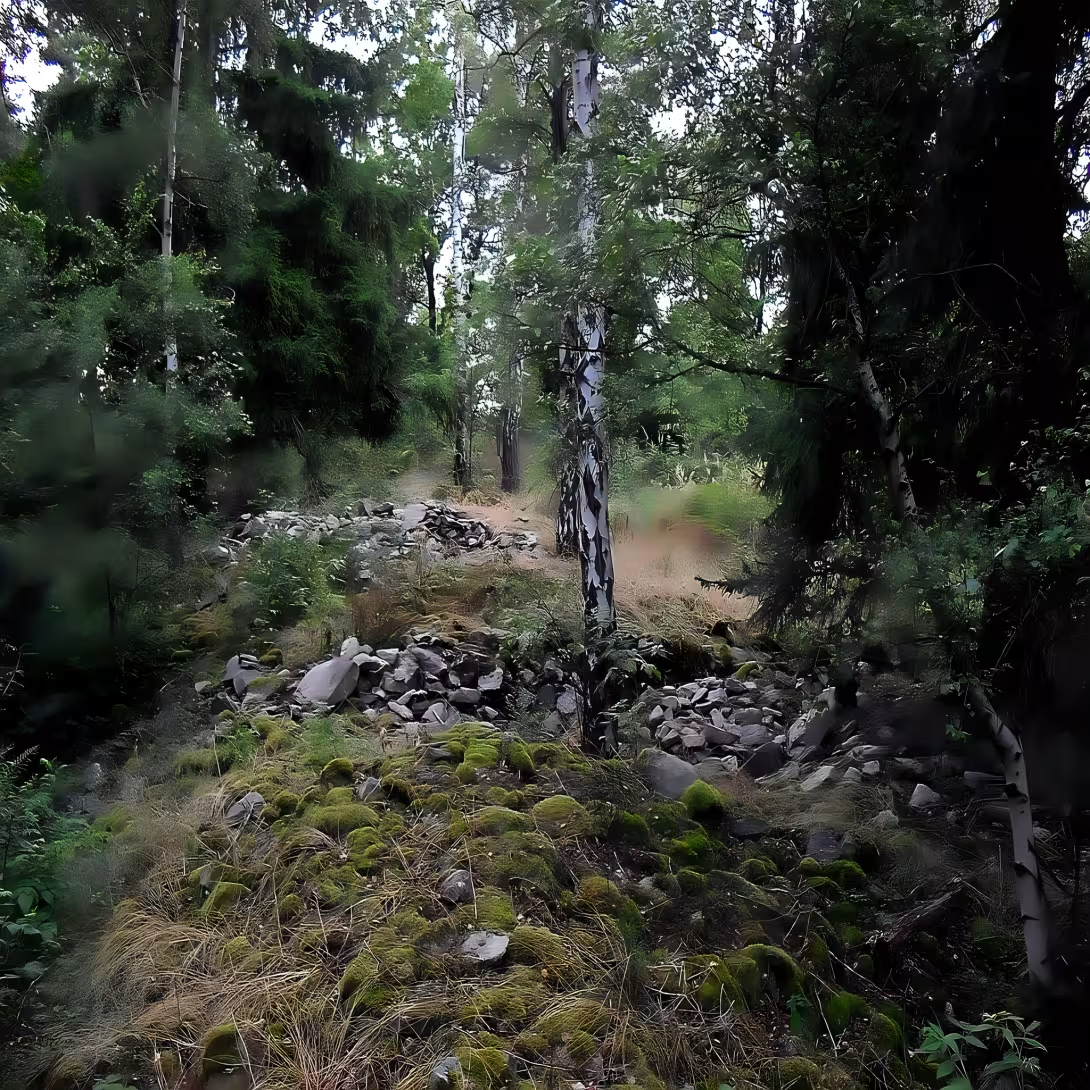
Zvěřinec is located about 2.5 kilometres south of Jesenice in the Příbram district on the top called Na Hrad, at an altitude of 542 metres. The snake has been preserved from the terrain relics and tiny remnants of the walls, which since 1965 protect as a cultural monument.
The castle will first record written resources in 1362 when it says Mareš ze Zvěřince was written. The name of the owner so closely associated with the name of the castle shows the seriousness of his position. Род Mareš was the owner of Zveřenka until the first half of the 15th century. At that time it was acquired for a time by Leskovcové z Leskovce, from which it was later bought by Růtové z Dírného. The castle gradually fades - in 1539, when its owners sold it at the time, Mikuláš Méděny from Ratibořice, it was already mentioned as desolate.
The construction consisted of two interconnected units of Zvěřinec: a large front cover of a rectangular plan situated below and a significantly higher height of the castle core. The vanguard was protected by massive ramparts and a massive mound on the south and west side. The entrance to the fort led from the south. The south part of the courtyard was built by buildings from almost all three sides. For the terrain remains of the western building there are piles of stone whose origin is not entirely certain - they could come from an unfinished water tank. The smaller building was then erected in the north of the foothold between two rock blocks.
The castle's own core was located northeast of the foothills. Its centre was a high natural rock, on which stood a tower made mainly of wood, which was paralyzed by a wall wall. It was connected on the east side to a building that was partially carved directly into the rock. There was another two-space building in the western core sector. Zvěřinec was one of the castles of the donjon type with a distinctive core. Given the scope and the exhibition capacity of the prepayment, it can be concluded that this part arose later than the core itself and gradually took over some of its defensive and residential functions. Collected building material suggests that the construction of the vanguard was never fully completed.
The remains of the castle are now well available after turning from the red marked tourist route leading from Jesenice to Jistebnice. The view of the walled wall and the terrain inequality depicts a significant picture of the medieval architecture and way of life of its time, even though it was left only the shadow of a once powerful fortress.
Then and now
Drag the slider to compare how the landmark may have looked when it was built with the view today.
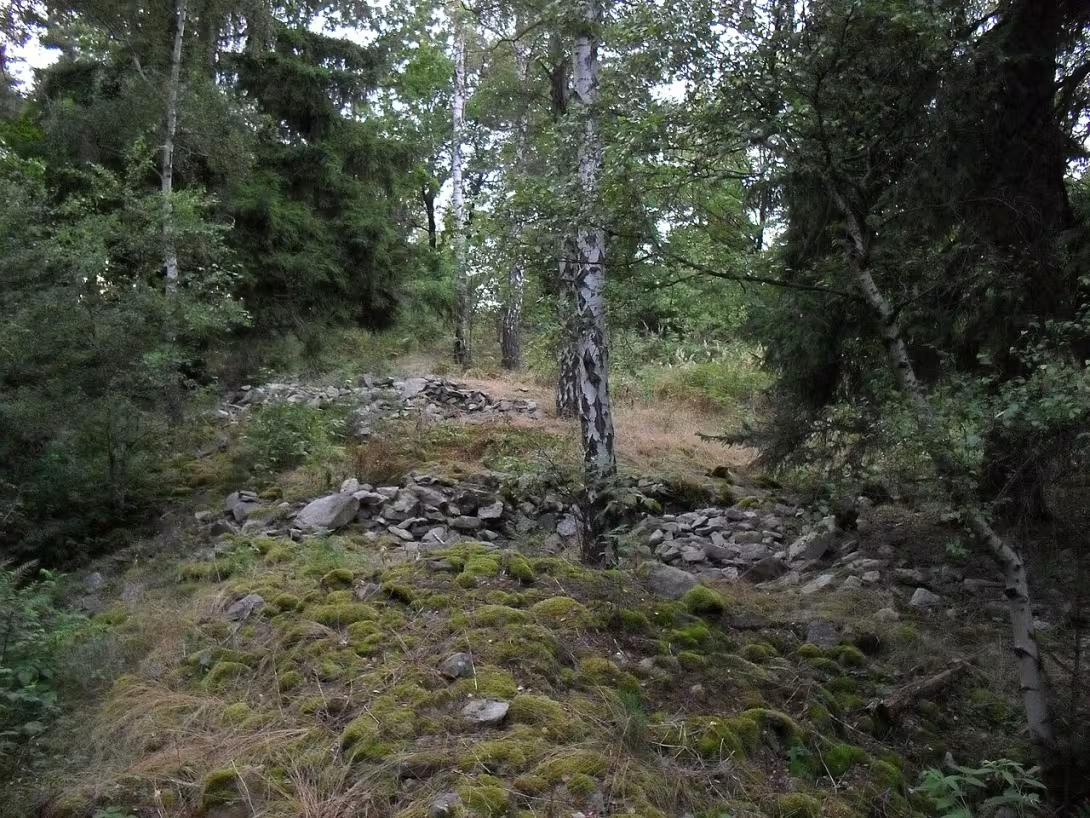
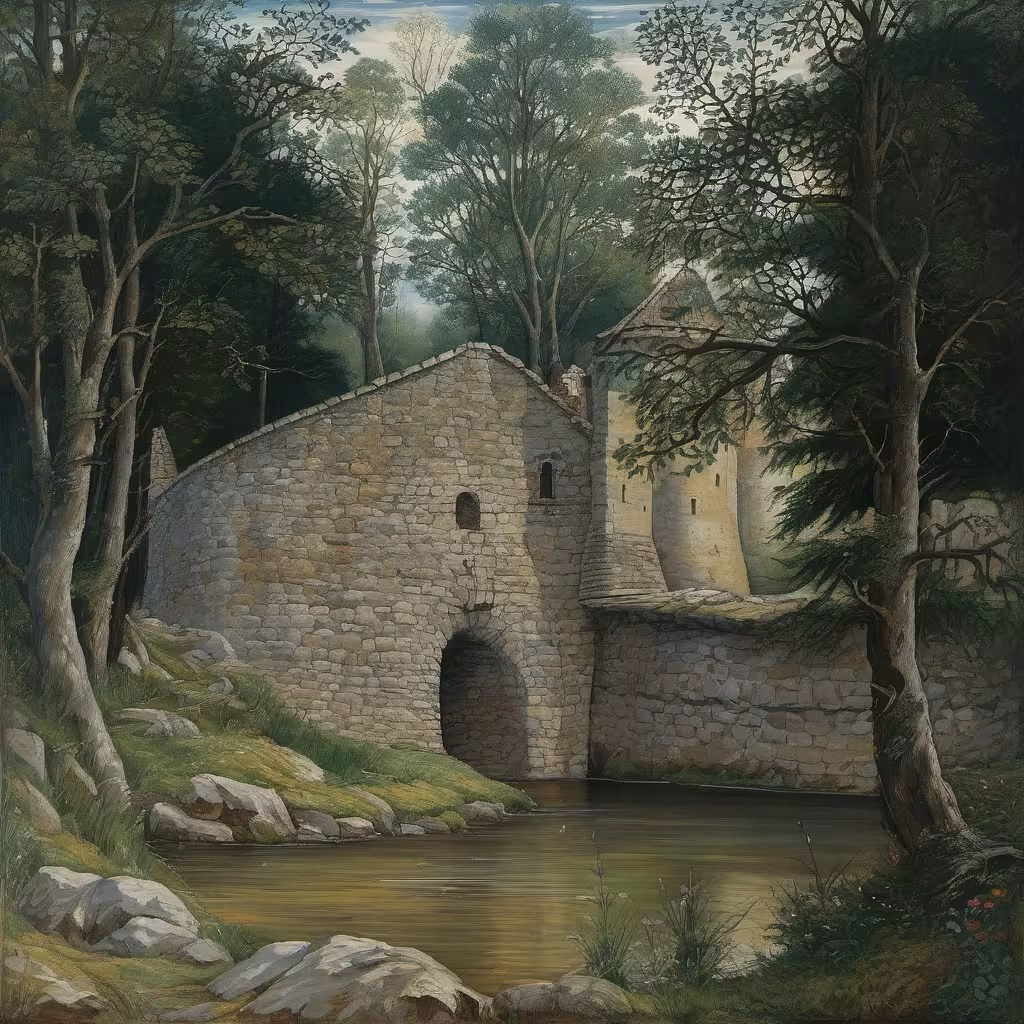
The historical appearance on the left is an AI-generated visualisation and serves as inspiration only.
Historical milestones
- 1362
- First written mention of the castle - Mareš ze Zvěřince
- 1539
- Sale of castle Nicholas the Copper, castle listed as desolate
- 1965
- Inclusion in the list of cultural monuments
Architectural development
The castle was a type of developed donjon type with two main parts: a core on the central rock and a predam of a rectangular plan. The core consisted of a wooden tower on a rock protected by a wall wall and a building carved in a rock, the front was surrounded by buildings and fortified by a valley with a moat in the south and west. The piles of stone near the west buildings suggest that the construction of the prelim was not completed.
Historical events
1362 - first written mention of the castle in conjunction with Mareš of Zveřenka; 1st half of the 15th century - the castle will receive Leskovcové z Leskovce; 1539 - sale of Castle Mikuláš Mědenních z Ratibořice, in which the castle is described as desolate; 1965 - declaration for cultural monument
Owners
Mareš ze Zvěřince (mentioned 1362) → genus from Zveřenka (up to the 1st half of the 15th century) → Leskovcové z Leskovce (1st half of the 15th century) → Růtové z Dírného (bought from Lescovce) → Mikuláš Mědínec z Ratibořic (sold as desolate)
Points of interest
The castle core was built on an isolated rock and its main tower was mostly wooden, which is rather an unusual solution for Gothic castles. An unfinished water tank was found in the forefront, as shown by piles of stone near the west buildings. The layout of the castle with a massive foothold that took over the core functions suggests gradual construction and adaptation to changed defence needs.
Guide
This guide is narrated by a synthetic voice generated by artificial intelligence.
Show guide text
This text was created by artificial intelligence and has not been editorially reviewed. It may contain inaccuracies.
Zvěřinec is a ruined castle not far from the village of Boudy, approximately two and a half kilometers south of Jesenice in the Příbram area. The castle stood on a hilltop called Na Hradě, at an elevation of 542 meters. Today, only terrain remains and small fragments of walls are left from it. Since 1965, it has been protected as a cultural monument.
The first written mention dates from 1362, when Mareš ze Zvěřince was named after the castle. His family held the castle until the first half of the fifteenth century. Then the Leskovcové from Leskovce acquired it for a time, and from them it was bought by the Růtové from Dírného. When they sold it in 1539 to Mikuláš Měděnec from Ratibořic, it was already described as abandoned.
The castle consisted of two main parts. The extensive outer ward had a rectangular ground plan and was protected on the southern and western sides by an embankment and a massive masonry ditch. Access to it was from the south. The southern part of the courtyard was surrounded on three sides by buildings. Near the remains of the western building lie piles of stone, which may have come from an unfinished water reservoir. Another small building stood in the northern part of the outer ward, wedged between two rocky outcrops.
Notably higher, to the northeast of the outer ward, lay the castle core. At its center was a rock on which stood a tower built largely of wood. It was protected by a masonry wall, which connected to a building on the east side, partially carved directly into the rock. In the western part of the core stood a two-room building.
Zvěřinec belonged among castles of the developed donjon type. The outer ward is large and structurally demanding, and therefore it is assumed that in its preserved form it was built later than the core and took over some of its functions. The piles of stone at the same time suggest that its construction was never completed.
Frequently asked questions
Can the monument be visited?
This is a ruin. Such sites are often freely accessible, but some can only be visited with a guide or are closed for safety reasons. We have not verified the current situation – take care and respect any restrictions.
Where is the monument?
Location: Boudy, Středočeský kraj. The map on this page shows the exact spot.
Why is the monument protected?
It is listed in the Central List of Cultural Monuments of the Czech Republic as a cultural monument (register no. 15435/2-2439).
For kids
Imagine going back to the past, until Zvěřinec became the tallest castle in the whole area. This was the time when the lords of Zvěrnice ruled over this land and his castle was a strong fortress that protected their territory from attacks by enemies.
Businesses nearby
Do you run a restaurant, accommodation, shop, museum, rental, wellness or other visitor service near this monument? Show yourself directly to the people heading to it — this is how they will see you in the app and on the web:
Nearby
Jesenice (about 2.5 km north), Jistebnice (tourist route), Brdy - protected landscape area, ruins of the castle Vrškamýk (about 10 km southeast)
Accommodation nearby
Themed route
Thematic cruise route from the village Boudy
1. Zvěřinec (ruin) Type: Historical monument Why is worth a visit: Zvěřinec is a fascinating witness of the past, offering a view of history and archaeology. Its ruins tell stories of ancient times and are an ideal place for those interested in historical monuments.
2. Brdy - Protected Landscape Area Type: Natural Reservations Why is worth a visit: Brdy is one of the most important natural and cultural bodies in the Czech Republic. This area offers beautiful views, travel trails and the opportunity to explore wild nature.
3. Jesenice Type: Village with historical significance Why is worth a visit: Jesenice, located about 2.5 km north of Boud, is known for its history and natural environment. Visit this picturesque village for beautiful views and peace.
4. Tourist route Jistebnice Type: Tourist trail Why is it worth a visit: This route offers comfortable travel through karst formations and beautiful landscape environment. It is an ideal choice for nature lovers looking for places to relax and relax.
5. The ruin of the castle Vrškaměk Type: Historical ruins Why is it worth a visit: The ruin of the castle Vrškaměk, located about 10 km to the southeast of Boud, is an interesting historical monument. It offers views of the past and an opportunity to explore the legends and history of the region.
This route will guide you through fascinating places full of history, karst formations and natural beauty.
Seasonal recommendations
Spring: In the spring period Zvěřinec is transformed into a place full of new life and breath of hope. Sun rays penetrate green trees that are beginning to bloom, bringing color contrast to ancient stone structures. The atmosphere is full of peace and quiet because the crowds are less than in the summer months. For a visit it will be advisable to dress in warm clothes with the possibility to zoom in on gloves or jacket because the morning and evening can still be cold. The best time to visit is at noon, when the sun warms and shines directly into the ruins.
Summer: In the summer period Zvěřinec takes an incredible life. Sunshine days provide ideal conditions for exploring ruins and surrounding forests that are full of blooming herbs and birds. The atmosphere is charged with warm winds and sunny lights, which creates ideal conditions for shooting or relaxing in green meadows around the huts. Due to the popularity of summer activities, it is advisable to come earlier in the morning to avoid larger crowds and enjoy quiet places.
Autumn: Autumn brings a gentle melancholy. Tree leaves are colored in golden, red and yellow shades, providing a spectacular background for the ruin. The sunny days are warm and short, but the atmosphere is full of peace and quiet, because fewer people visit the memory during this period. For a visit it is advisable to get dressed in layered clothes that allow you to adapt to temperature changes. The best time to walk is at noon, when the sun still lights up the landscape.
Winter: In winter Zvěřinec becomes mysterious and calm. The snow covers the earth and ancient stone structures, creating a breathtaking atmosphere. Sun rays are projected into snow, creating an unforgettable view. Because of the cold and the shorter length of the day, the site is less visited, which allows a peaceful walk. It is important to dress in warm clothes with protective elements against wind and snow. The best time to visit is in the sunny half of the day when the temperature is highest and long shadows shine.
Visualizations and artistic views


The visualisations are generated by artificial intelligence and serve as inspiration.
Photos from the area
Real photos taken near the monument


Zdroj a licence jsou uvedeny u každého snímku.
Tips from visitors
No tips yet. Be the first!
Log in and add your tip.
Sources and literature
Photos: PatrikPaprika / CC BY-SA 3.0, rozlišení zvýšeno umělou inteligencí — Wikimedia Commons. The author and licence also appear when you hover over the image.
Faktickým podkladem tohoto textu byl článek na Wikipedii, jehož autory jsou přispěvatelé Wikipedie. Článek je dostupný pod licencí CC BY-SA 4.0.
Location on the map





Příběhy a pověsti
Legendy, pověsti a příběhy spjaté s touto památkou
Fotografie návštěvníků
Zatím žádné fotografie. Buďte první, kdo přidá fotografii z návštěvy!
Log in a přidejte svou fotografii nebo hodnoťte.
Za ověřenou návštěvu v aplikaci získáte víc bodů — poznáme podle GPS, že jste na místě.
Reviews and comments