



Babiččino údolí Nature reserve
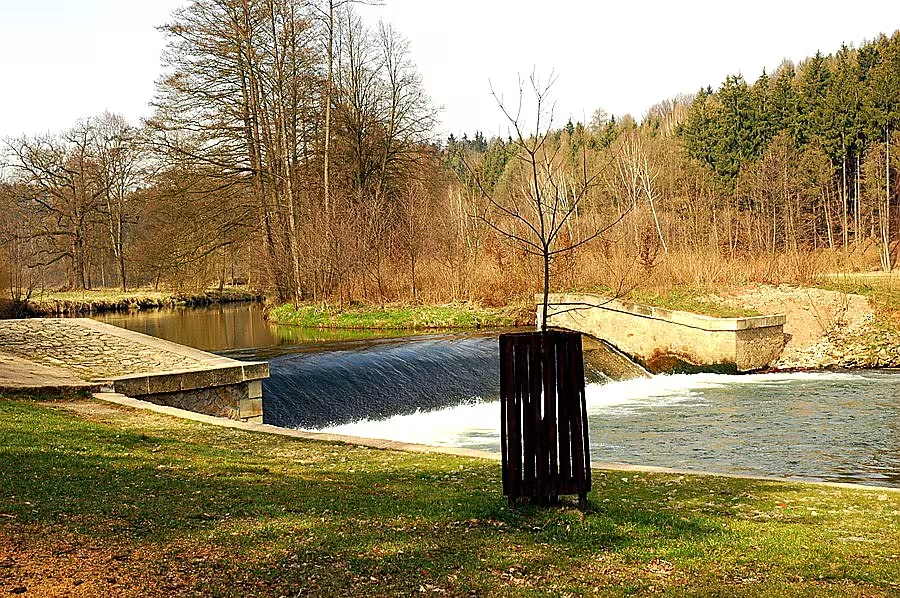
Babiččino údolí is a nationally protected natural and cultural monument in the Královéhradecký region of the Czech Republic, specifically within Žernov municipality, Slatina nad Úpou district. Recognized for its ecological significance since 1952 as a national natural monument, it gained further European importance in 2013 with the declaration of Babiččino údolí – Rýzmburk locality. The site is renowned for its unique chasmophytic vegetation on limestone slopes and mixed forests, along with petrifying springs that create sinter formations, enhancing its ecological value.
The historical context intertwines with cultural heritage through Božena Němcová's literary work 'Babička,' set in this picturesque valley along the Úpa River. This connection enhances the area's fame and attracts visitors interested in its natural beauty and historical significance. Since June 1, 2015, AOPK ČR has managed the site to ensure its preservation for future generations.
The landscape features meadows and forested slopes along the Úpa River, showcasing significant ecological diversity. It is home to many species listed as endangered, highlighting its conservation importance. Additionally, petrified springs contribute unique geological formations, adding interest for visitors.
Historically, the region has seen various ownerships and developments. The first recorded mention dates back to 1388 with references to Ratibořice and its noble inhabitants. Over centuries, it passed through several hands, including Adam Erdman Trčka and František Oktavián Piccolomini. In the early 18th century, Petr Biron initiated architectural enhancements, constructing a baroque castle and an English-style park.
Today, Babiččino údolí remains valuable for its natural beauty and historical significance. Visitors can explore diverse flora and fauna, enjoy scenic landscapes, and reflect on cultural heritage tied to Božena Němcová's work. The area is accessible with educational opportunities through interpretive signs along trails, offering an enriching experience for nature enthusiasts and history buffs.
Babiččino údolí stands as a testament to the harmonious blend of natural splendor and cultural legacy. Its preservation ensures future generations can appreciate its ecological importance and historical narratives. Visitors are invited to explore this remarkable site, where echoes of the past meet vibrant present life.
Then and now
Drag the slider to compare how the landmark may have looked when it was built with the view today.
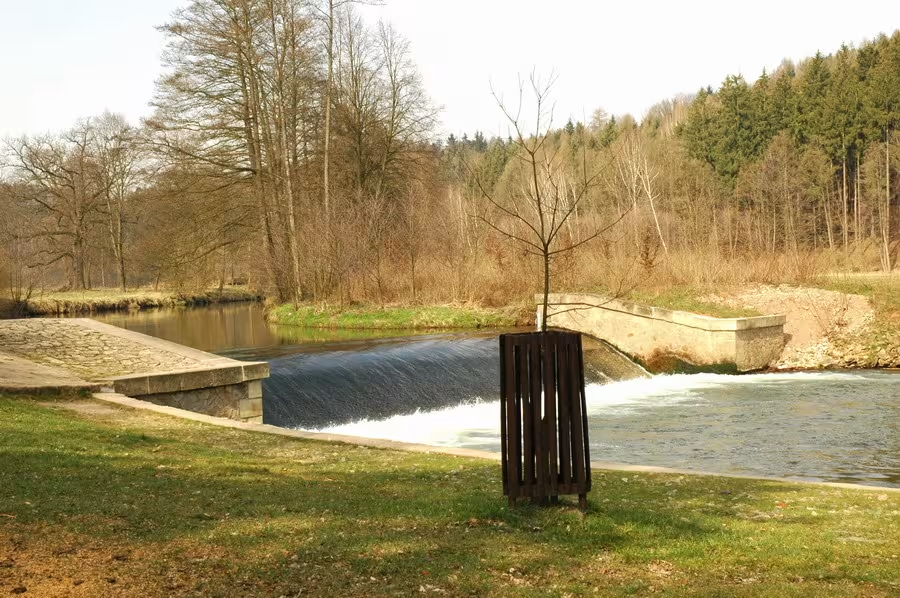

The historical appearance on the left is an AI-generated visualisation and serves as inspiration only.
Historical milestones
- 1388
- First mention of Ratibořice and its noble inhabitants.
- 1952
- Announcement of Babiččina údolí as a national nature reserve.
- 2013
- Declaration of Babiččina údolí – Rýzmburk site as of European importance.
- 2015
- The management of AOPK ČR took over the administration of the area from 1 June.
Historical events
Declared as a national natural monument and cultural landmark in 1952.
European significance recognized with the declaration of Babiččino údolí – Rýzmburk locality in 2013.
Points of interest
- Despite its fame through Božena Němcová's "Babička," Babiččino údolí was officially recognized for its ecological significance only in 1952, long after the novel's publication.
- The area features petrifying springs that create sinter formations. These unique geological processes are a rare sight and contribute significantly to the site’s natural allure.
- Historically, Babiččino údolí has seen diverse ownerships, including notable figures like Adam Erdman Trčka and František Oktavián Piccolomini, reflecting its importance across different eras.
- In the early 18th century, Petr Biron's architectural enhancements included a baroque castle and an English-style park, blending cultural influences in this picturesque landscape.
- The site’s management transitioned to AOPK ČR on June 1, 2015, ensuring its preservation for future generations while maintaining its ecological and historical integrity.
Guide
This guide is narrated by a synthetic voice generated by artificial intelligence.
Show guide text
This text was created by artificial intelligence and has not been editorially reviewed. It may contain inaccuracies.
Babiččino údolí is a national nature reserve and at the same time a national cultural monument in the Náchod district. It gets its name from the novel Babička, because Božena Němcová set the story of this novel precisely in this valley of the Úpy River. The landscape was first named this way in 1878 by the writer Otakar Jedlička, who worked as a doctor in Smiřice.
The valley stretches for nine kilometres along the Úpy between Česká Skalice and Slatina nad Úpou, at an elevation of between 280 and 360 metres. The climate is moderately warm and moderately humid, with an average annual temperature of 7 to 8 degrees Celsius. The southern part consists of extensive meadows in the river floodplain, bordered by forests on steep slopes. Forests dominate in the north. Part of the landscape was shaped by human activity, including landscaping modifications in the classical style, mainly around the Ratibořice château and the Hunting Pavilion.
The rugged terrain provides space for diverse flora and many rare animals. A number of species from the red list of endangered species live here. Since 2013, the monument has been part of the European significant locality Babiččino údolí – Rýzmburk. It protects the vegetation of rocky limestone slopes and mixed forests with lime and maple trees on the slopes, in screes and gorges. The springs from which travertine is deposited are also protected. Earlier intensive farming led to the disappearance of many species. More careful farming today helps to preserve those that remain.
The history of the place dates back to 1388, when the manor and village of Ratibořice are first mentioned in writing. Its owner was the knight Vaněk ze Žampachu. From 1464, Ratibořice belonged to the Rýzmburk estate and in 1582 it was purchased by the Smiřický family from Smiřice. After the Battle of White Mountain, General Adam Erdman Trčka acquired it as confiscated property. In 1634, its owner was the imperial general František Oktavián Piccolomini. Between 1702 and 1707, a single-storey baroque château with a chapel in the style of Italian country houses was built here, with a garden surrounded by a high wall.
In 1792, Petr Biron, Duke of Courland and Sagan, bought the estate. After his death in 1800, it was inherited by his daughter Kateřina Vilemína, Duchess of Sagan. Under her, most of the buildings in the valley were rebuilt. The Duchess had a small lake created, an English park that flowed freely into meadows, a hunting pavilion, a palm greenhouse and a kitchen garden by the mill. She also protected the forests on the scree slopes, avoided clear-cutting and allowed trees to grow to an old age. It was she who thus created the landscape that later came to be protected by law.
South of the valley lies the Rozkoš water reservoir. In the wider area are the towns of Náchod and Nové Město nad Metují with baroque châteaux.
Tips for visitors
The best time to visit Babiččino údolí is during late spring through early autumn, typically from May to September. During this period, the weather is generally mild and pleasant, making it ideal for exploring the lush chasmophytic vegetation on limestone slopes. The blooming flora in spring offers a vibrant display of colors, while summer provides ample daylight hours for hiking and sightseeing. Autumn brings a change in foliage, adding a warm palette to the landscape.
Public transportation options are also accessible; visitors should verify current routes and schedules through local transit websites or apps. The area is reachable by car from nearby cities like Náchod and Nové Město nad Metují, with scenic drives along the Úpa River.
When visiting Babiččino údolí, it's recommended to bring comfortable walking shoes as there are trails that may involve uneven terrain. A hat, sunscreen, and water are essential for protection against the sun, especially during summer months. Additionally, a camera or smartphone with a good zoom lens can help capture the stunning natural beauty of the chasmophytic vegetation and forested slopes.
For photography enthusiasts, early morning or late afternoon light provides the best conditions to capture Babiččino údolí's scenic vistas. The soft lighting during these times enhances the textures and colors of the landscape. Key spots include viewpoints along the trails that offer panoramic views of the limestone cliffs and meadows. Be mindful of other visitors when setting up shots, as some areas might be popular for their picturesque qualities.
The cities of Náchod and Nové Město nad Metují are also worth visiting for their baroque castles, offering a glimpse into historical architecture. Families with children will enjoy exploring these areas, as they provide both natural beauty and cultural experiences.
For families with children, Babiččino údolí offers trails that vary in difficulty, allowing everyone to find a suitable path. The area is rich in biodiversity, making it an educational experience for kids interested in nature. Bring along binoculars or a field guide to help identify local flora and fauna. Ensure that young children are supervised on the trails, as some areas can be steep or rocky.
Frequently asked questions
Can the monument be visited?
This is a structure in a public space that can usually be seen from outside free of charge. We have not verified that this particular one is freely accessible.
Where is the monument?
Location: Žernov, Královéhradecký kraj. The map on this page shows the exact spot.
Why is the monument protected?
It is listed in the Central List of Cultural Monuments of the Czech Republic as a cultural monument. It is protected as part of a larger listed ensemble.
Businesses nearby
Do you run a restaurant, accommodation, shop, museum, rental, wellness or other visitor service near this monument? Show yourself directly to the people heading to it — this is how they will see you in the app and on the web:
Events nearby
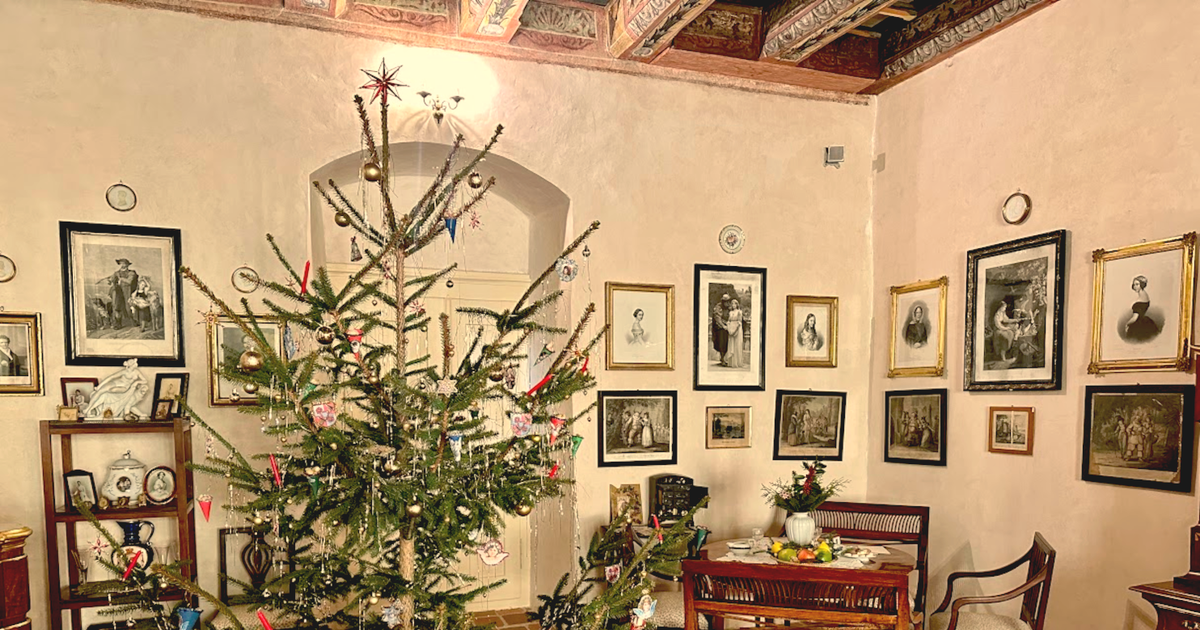
Zdroj akcí: otevřená data měst a obcí ČR (Národní katalog otevřených dat) a kalendář akcí Národního památkového ústavu.
Nearby
Nearby attractions include the Rozkoš reservoir and the cities of Náchod and Nové Město nad Metují, known for their baroque castles. The landscape features a mix of meadows and forested slopes along the Úpa River.
Accommodation nearby
Themed route
Thematic Walking Tour: Babickino údolí and Surroundings
1. Babickino údolí (Nature Reserve) - Type: Natural Reserve - Why Visit: Begin your journey at the heart of this serene natural reserve, known for its lush meadows and forested slopes along the Úpa River. The area is a haven for biodiversity, offering visitors a chance to explore diverse flora and fauna in a tranquil setting.
2. Rozkoš Reservoir - Type: Water Body - Why Visit: Approximately 10 kilometers from Babickino údolí, the Rozkoš reservoir offers picturesque views of calm waters surrounded by lush greenery. It's an ideal spot for relaxation and enjoying nature’s beauty, with opportunities for leisurely walks along its banks.
3. Náchod - Type: Baroque City - Why Visit: Located about 20 kilometers from the reservoir, Náchod is renowned for its stunning baroque architecture. Visitors can explore historic streets and admire the city’s beautiful castle, which offers insights into the region's rich cultural heritage.
4. Nové Město nad Metují - Type: Baroque City - Why Visit: Roughly 30 kilometers from Náchod, Nové Město nad Metují is another gem with its impressive baroque castle and charming town square. The city's historical significance and architectural beauty make it a must-visit for those interested in history and culture.
5. Úpa River - Type: Natural Feature - Why Visit: As you return towards Babickino údolí, take time to appreciate the Úpa River that flows through the landscape. Its scenic riverbanks provide a peaceful setting for reflection or a leisurely walk, enhancing your connection with nature.
This thematic tour offers a blend of natural beauty and cultural exploration, perfect for those looking to immerse themselves in the unique charm of the Královéhradecký kraj region.
Seasonal recommendations
Spring: Visiting Babiččino údolí during spring offers a unique experience as nature awakens with vibrant colors and fresh scents. The longer daylight hours provide ample time to explore the trails without rushing. Spring mornings can be cool, so it is advisable to wear layers and bring a light jacket. This season sees moderate visitor numbers, making it ideal for those seeking tranquility amidst nature's renewal.
Summer: The summer months at Babiččino údolí are characterized by lush greenery and an abundance of wildlife. With longer days and warm temperatures, it is best to visit early in the morning or later in the afternoon to avoid the peak sun hours and large crowds that flock during this popular season. Comfortable footwear, sunscreen, plenty of water, and light clothing are essential for a pleasant experience.
Autumn: Autumn transforms Babiččino údolí into a stunning display of fiery reds, oranges, and yellows as the leaves change color. This season offers a magical atmosphere with crisp air and golden sunlight filtering through the trees, making it perfect for photography enthusiasts and nature lovers alike. The cooler temperatures are ideal for extended walks without overheating.
Winter: In winter, Babiččino údolí presents a serene and quiet landscape covered with snow, offering a different perspective on its natural charm. The trails may be less accessible due to snowfall, but those that are open provide a peaceful retreat for winter walkers and photographers seeking the tranquil beauty of a snowy forest. It is crucial to dress warmly in layers, wear waterproof boots, and check trail conditions before visiting. The shorter days mean planning your visit during daylight hours, as some areas may close earlier due to reduced visibility.
Visualizations and artistic views


The visualisations are generated by artificial intelligence and serve as inspiration.
Photos from the area
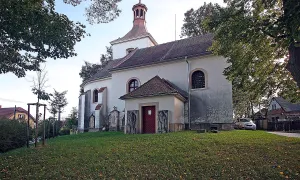
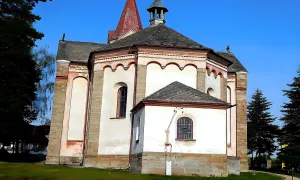
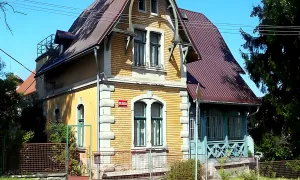
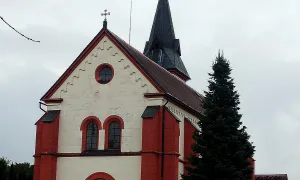
Real photos taken near the monument

Zdroj a licence jsou uvedeny u každého snímku.
Tips from visitors
No tips yet. Be the first!
Log in and add your tip.
Sources and literature
Photos: Karpac at Czech Wikipedia / CC BY-SA 3.0 — Wikimedia Commons. The author and licence also appear when you hover over the image.
Faktickým podkladem tohoto textu byl článek na Wikipedii, jehož autory jsou přispěvatelé Wikipedie. Článek je dostupný pod licencí CC BY-SA 4.0.
Location on the map

Příběhy a pověsti
Legendy, pověsti a příběhy spjaté s touto památkou

Fotografie návštěvníků
Zatím žádné fotografie. Buďte první, kdo přidá fotografii z návštěvy!
Log in a přidejte svou fotografii nebo hodnoťte.
Za ověřenou návštěvu v aplikaci získáte víc bodů — poznáme podle GPS, že jste na místě.
Reviews and comments