






Beuronská kaple v Teplicích Chapel
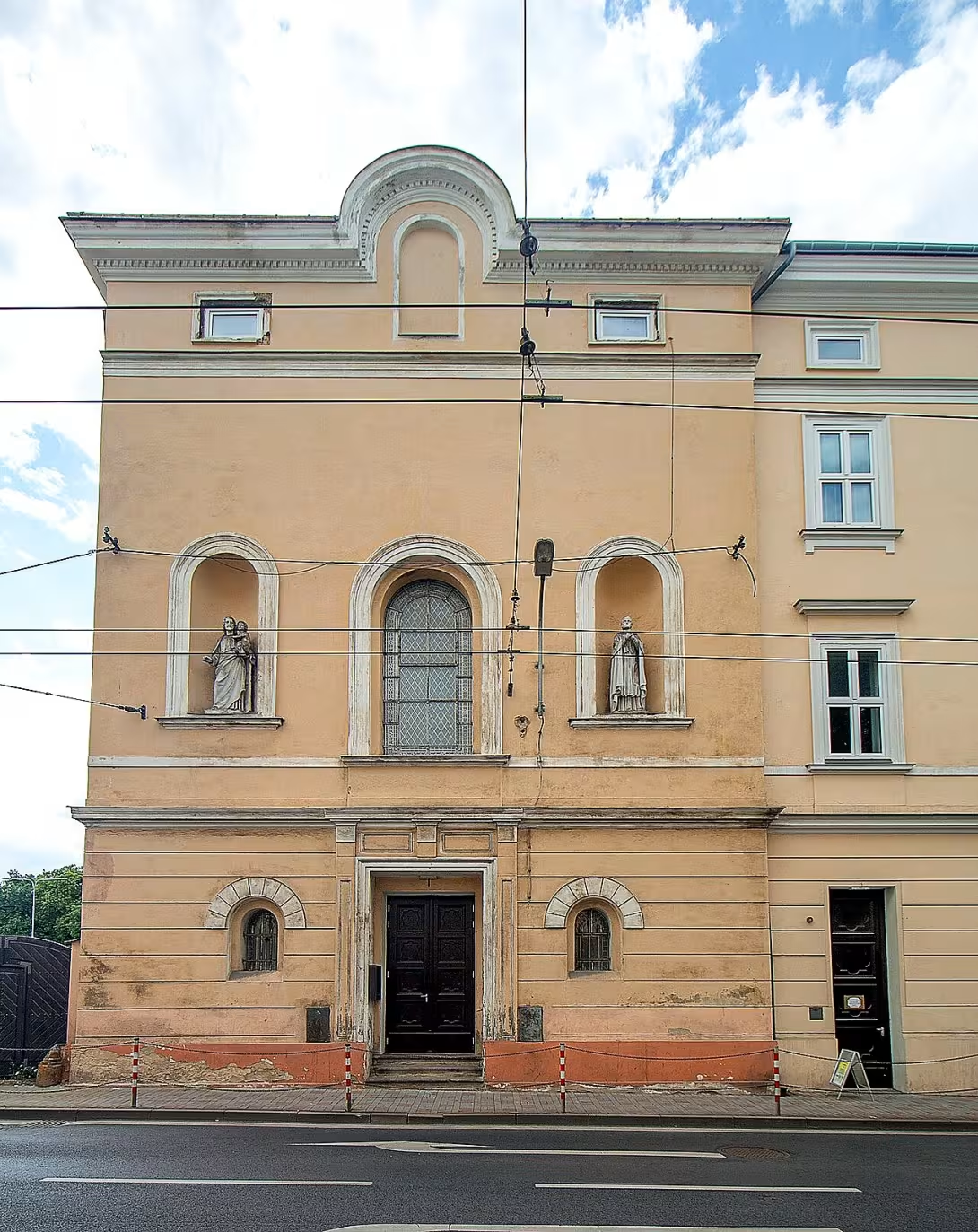
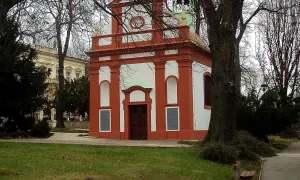
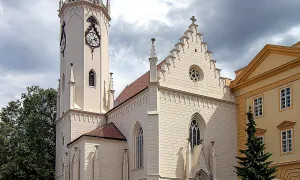
The Beuronská Chapel in Teplice, also known as the Chapel of the Immaculate Conception of the Virgin Mary, is an exceptional monument within Teplice Gymnasium's grounds. Located in Teplice, Ústí nad Labem Region, it stands as the oldest fully preserved example of Beuronese art school in the Czech Republic. Its historical and artistic significance is highlighted by exquisite frescoes created using the al secco technique on dry plaster by Swiss Benedictine monk Lucas Steiner. Despite several changes and reconstructions over the years, including a major restoration from 2008 to 2018, it retains its unique charm and cultural importance.
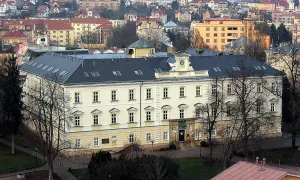
The chapel's origins date back to when the Congregation of the Sisters of Charity of Saint Charles Borromeo acquired the site in 1865. It became part of a two-story building that once served as a girls' pension in Alejní Street. Between 1888 and 1889, Benedictine monks from the Beuron Archabbey adorned it with frescoes, transforming it into an artistic masterpiece. This period coincided with significant European art movements such as Art Nouveau and Symbolism, reflecting a broader interest in integrating traditional religious art forms with contemporary styles.
Architecturally, the chapel is notable for its frescoes completed using the al secco technique, which involves painting on dry plaster. This method makes the artwork particularly sensitive to environmental changes, contributing to its historical vulnerability. In 1931, due to deterioration of the original plasterwork, a partial repaint was conducted by Antonín Vrbík, who aimed to preserve the chapel's artistic integrity while making necessary adjustments.
Ownership and administration have shifted dramatically over time. Initially under the Congregation of the Sisters of Charity of Saint Charles Borromeo, it later came into Teplice Gymnasium's possession in 1993. During the communist regime, religious activities were restricted, leading to its use as a storage space for vegetables by a commercial chain. Despite these changes, preservation and restoration efforts have been ongoing.
Key events include its initial adornment with frescoes in the late 19th century and the partial repaint led by Antonín Vrbík in 1931. A significant restoration effort took place between 2008 and 2018, allowing for a close examination of its unique frescoes through an innovative scaffolding system. Despite various modifications over time, including hidden electrical wiring and lighting installations in saint figures, the original artwork largely survived.
Today, the Beuronská Chapel is accessible to the public and serves as a venue for exhibitions, concerts, and other cultural events. Its historical integrity has been restored, making it an invaluable site for both art enthusiasts and historians. Preservation efforts highlight its enduring significance in Czech cultural heritage.
The Beuronská Chapel in Teplice is not only a testament to the artistic vision of the Beuronese school but also a symbol of resilience through changing times. Visitors are invited to explore this unique monument, where history and art converge, offering a glimpse into the rich tapestry of Czech cultural heritage.
Then and now
Drag the slider to compare how the landmark may have looked when it was built with the view today.
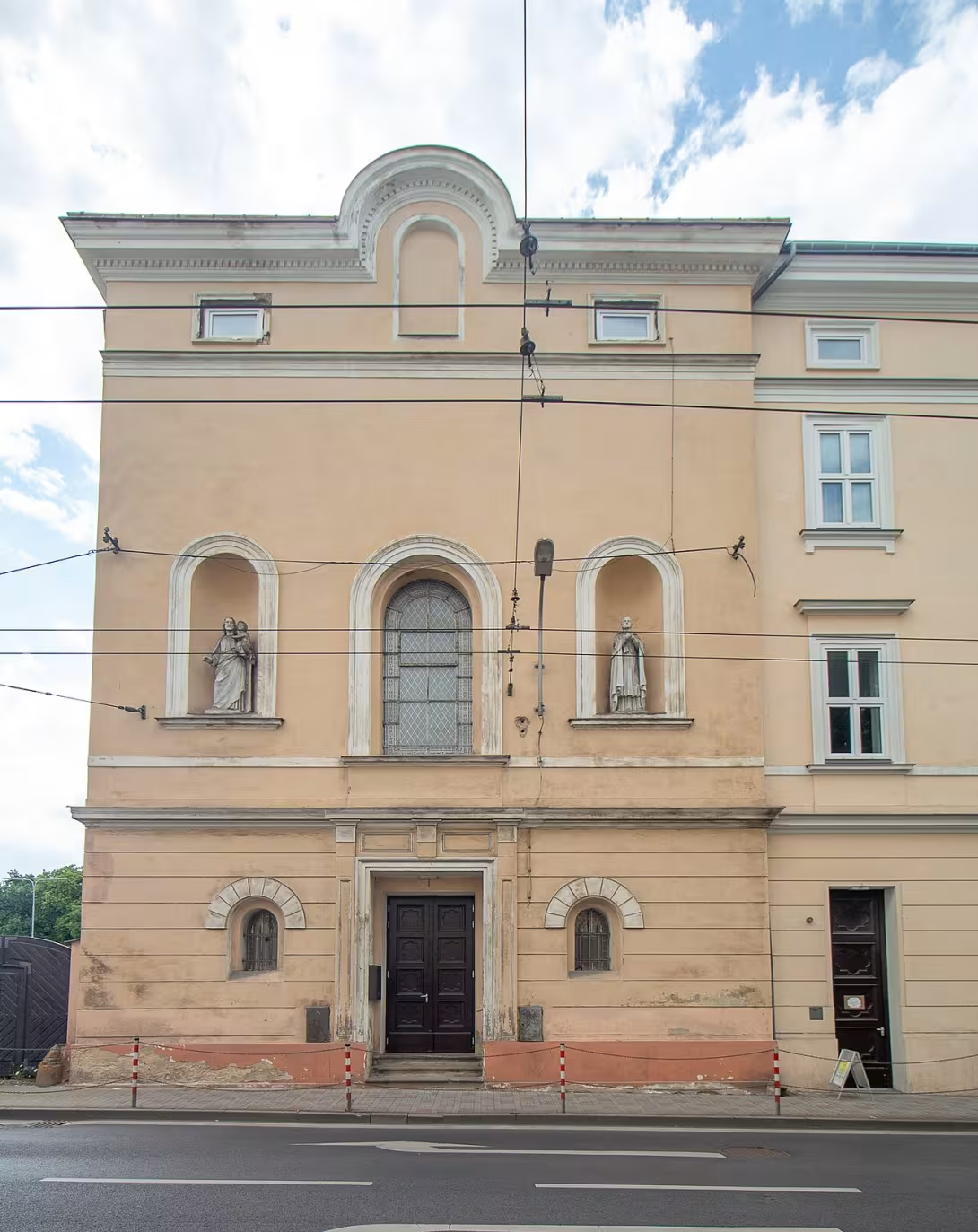
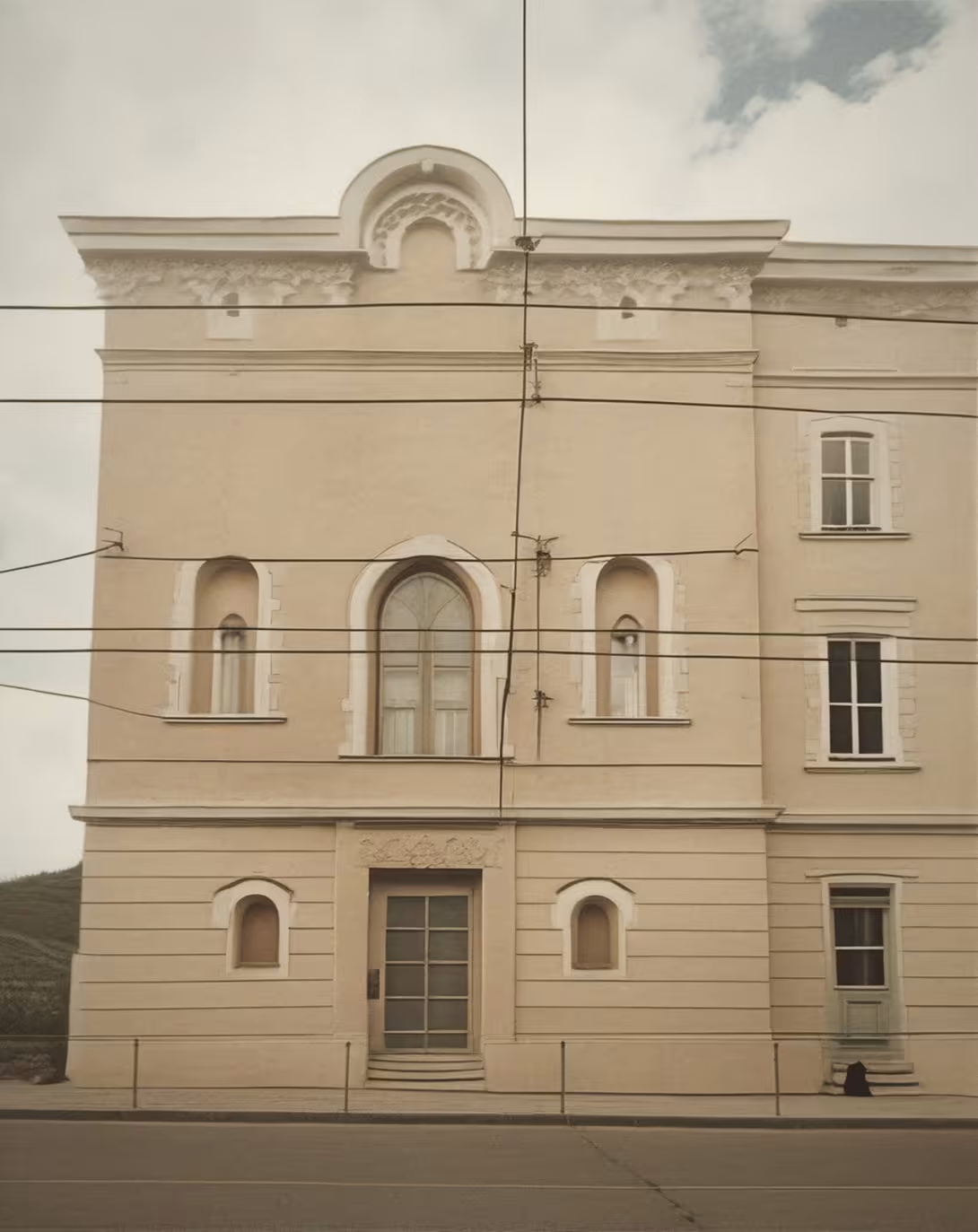
The historical appearance on the left is an AI-generated visualisation and serves as inspiration only.
Historical milestones
- 1865
- Sestry Milosrdných Panny Marie Královny získaly pozemek.
- 1888
- Počátek výzdoby freskami benediktinskými mnichy.
- 1889
- Dokončení výzdoby freskami benediktinskými mnichy.
- 1931
- Antonín Vrbík provedl částečnou přemalování kvůli poškozenému plátnu.
- 1993
- Převzetí Teplickým gymnázium.
- 2008
- Počátek významné restaurace trvající do roku 2018.
Architectural development
The Beuronská Kaple underwent significant artistic development in the late 19th century when it was decorated by Benedictine monks from Beuron. The frescoes were completed using the al secco technique, which is sensitive to environmental changes. In 1931, a partial repaint was conducted due to deterioration of the original plasterwork. A major restoration effort between 2008 and 2018 restored the chapel's historical integrity.
Historical events
- 1888-1889
- The chapel was adorned with frescoes by Benedictine monks from the Beuron Archabbey.
- 1931
- A partial repaint of the chapel's interior was conducted by Antonín Vrbík.
- 2008-2018
- Comprehensive restoration and reconstruction of the chapel took place, allowing close examination of its unique frescoes.
Points of interest
- The Beuronská Chapel's frescoes were painted using the al secco technique on dry plaster, a method that makes them particularly sensitive to environmental changes and contributes to their historical vulnerability.
- In 1931, Antonín Vrbík undertook a partial repaint of the chapel's frescoes due to deterioration of the original plasterwork. His work aimed to preserve the artistic integrity while making necessary adjustments, highlighting the challenges in maintaining such delicate artwork over time.
- During the communist regime in Czechoslovakia, religious activities at the Beuronská Chapel were restricted, leading to its unusual use as a storage space for vegetables by a commercial chain, reflecting broader societal changes and restrictions of that era.
- A significant restoration effort from 2008 to 2018 involved an innovative scaffolding system that allowed close examination of the chapel's unique frescoes. This not only preserved the artwork but also provided insights into its intricate details and historical context.
- Despite various modifications over time, including hidden electrical wiring and lighting installations in saint figures, the original Beuronese art largely survived. This resilience underscores the enduring significance and careful preservation efforts that have allowed the chapel to remain a cultural landmark in Teplice.
Guide
This guide is narrated by a synthetic voice generated by artificial intelligence.
Show guide text
This text was created by artificial intelligence and has not been editorially reviewed. It may contain inaccuracies.
Welcome to the Beuronská Kaple in Teplice, a remarkable testament to the Beuronese art school and a cherished monument nestled within the grounds of Teplice Gymnasium. As you stand before this historic chapel, take a moment to absorb its serene presence—a harmonious blend of architectural grace and artistic splendor that invites contemplation.
The story of the Beuronská Kaple begins in 1865 when the Sestry Milosrdných Panny Marie Královny acquired the land. This marked the start of an ambitious project to create a space dedicated to spiritual reflection and artistic expression. By 1888, benediktinský mnichy began adorning the chapel with frescoes, infusing its walls with vibrant narratives that capture the essence of Beuronese artistry. The following year, in 1889, this intricate work was completed, offering an interior rich with symbolic imagery and spiritual depth.
As you explore the chapel's architecture, take note of its understated elegance. While specific architectural details remain elusive, the overall design reflects a commitment to creating a tranquil environment conducive to meditation and reflection. The frescoes within are particularly noteworthy; painted using the al secco technique on dry plaster, they reveal a delicate sensitivity to their surroundings—an artistic choice that underscores both beauty and vulnerability.
The chapel's history is intertwined with notable figures such as Lucas (Fridolin) Steiner and Antonín (František) Vrbík. In 1931, Antonín Vrbík undertook the challenging task of partially repainting the frescoes to address damage caused by environmental changes, ensuring their preservation for future generations.
One intriguing aspect of this chapel is its artistic technique—the al secco method used in painting the frescoes. This choice not only highlights the skill and dedication involved but also emphasizes the historical fragility of these artworks, making them uniquely sensitive to time and climate.
As your visit draws to a close, consider lingering a little longer to fully appreciate the atmosphere of this sacred space. The Beuronská Kaple offers more than just visual beauty; it invites you into a dialogue with history, art, and spirituality. We hope this experience has enriched your understanding and inspired further exploration. Thank you for joining us on this journey through time and creativity.
Tips for visitors
The best time to visit the Beuronská Kaple v Teplicích is during late spring or early autumn when the weather is mild, allowing for a comfortable exploration of both the chapel and its surroundings. These seasons offer pleasant temperatures and beautiful natural scenery in the area, enhancing your experience as you explore the cultural richness of Teplice.
Parking around the Beuronská Kaple can be limited due to its location within a historical building complex. It is advisable to use public transportation or park further away from Alejní Street and walk to the chapel. The local public transport system, including buses and trams, provides convenient access to Teplice’s central areas.
When visiting the Beuronská Kaple, consider bringing comfortable walking shoes as you may want to explore nearby historical sites and natural landscapes within a 30-minute radius. A camera is also recommended for capturing the intricate details of the chapel's architecture and art, especially during times when natural light enhances the interior’s features.
Photography enthusiasts will find several spots around the Beuronská Kaple ideal for capturing its architectural beauty. Early morning or late afternoon light provides a soft glow that highlights the chapel's unique design elements. The exterior of the building also offers picturesque views, especially with Teplice’s historic backdrop.
For families with children visiting the Beuronská Kaple, consider planning your visit to include nearby attractions within a 30-minute drive or walk. Exploring other historical sites in Teplice can provide a broader cultural experience and keep younger visitors engaged. The natural landscapes around the area also offer opportunities for outdoor activities suitable for all ages.
Businesses nearby
Do you run a restaurant, accommodation, shop, museum, rental, wellness or other visitor service near this monument? Show yourself directly to the people heading to it — this is how they will see you in the app and on the web:
Events nearby
Zdroj akcí: otevřená data měst a obcí ČR (Národní katalog otevřených dat) a kalendář akcí Národního památkového ústavu.
Nearby
The chapel is situated within a two-story building that was once part of a girls' pension in Alejní Street. The area around Teplice features other historical sites and natural landscapes, contributing to its cultural richness.
Accommodation nearby
Trips and activities nearby
Guided tours, tickets and activities nearby from GetYourGuide
Affiliate link: if you buy from the partner, we may receive a commission. The price for you does not change.
Search tours and activities →Themed route
Thematic Walking Tour: Beuronese Chapel and Surroundings in Teplice
1. Beuronese Chapel - Type: Religious Site - Why Visit: The Beuronese Chapel, located within a historic two-story building that once housed a girls' pension, is an exquisite example of the Beuronese art style. Its intricate frescoes and serene atmosphere make it a must-see for those interested in religious architecture and fine arts.
2. Alejní Street - Type: Historical Area - Why Visit: As you explore Alejní Street, where the chapel is situated, take time to appreciate its historical significance. The street offers an insight into Teplice's past, with its preserved architectural elements that reflect the town’s rich cultural heritage.
3. Historical Sites in Teplice - Type: Cultural Landmarks - Why Visit: While specific sites are not detailed, a stroll through Teplice reveals numerous historical landmarks that contribute to the city's charm. These sites collectively narrate the story of Teplice’s development and its cultural evolution over time.
This tour provides an intimate look at Teplice's historical and cultural offerings, centered around the Beuronese Chapel and its immediate surroundings.
Seasonal recommendations
Jaro: In the spring season, Beuronská Kaple in Teplice offers a unique experience as nature awakens and surrounding parks begin to bloom. Sunny days provide ideal lighting for photography, making it a great way to capture the beauty of the chapel and its surroundings in the light of the spring sun. Flowers in the park add colorful atmosphere to the overall impression of your visit. Since this is the beginning of the tourist season, it's recommended to visit the chapel at the end of the day or on Sunday afternoons to avoid early visitor groups. When planning your visit, choose clothing suitable for mild temperatures and possible spring rain.
Léto: In the summer months, Beuronská Kaple is a popular destination for visitors seeking refuge from sunny days. The chapel offers a calm and shady atmosphere ideal for relaxation during warm months. Due to higher tourist numbers, especially in peak summer season, it's recommended to visit the chapel early in the morning or later in the afternoon when there are fewer visitors. Wear light and bright clothing suitable for hot weather and don't forget water on your way, as the parks around the chapel offer beautiful walking paths.
Podzim: Autumn brings a unique atmosphere to Beuronská Kaple with its colorful foliage cover in surrounding parks. Sunny days provide ideal lighting for photography, while cooler evenings can offer a quieter visit without excessive crowds. Since this is before the tourist season, it's recommended to visit the chapel on Sunday afternoons or weekday evenings for a more peaceful experience. When planning your visit, choose clothing suitable for colder temperatures and possible autumn rain.
Zima: In the winter months, Beuronská Kaple offers a quiet and restful space as surrounding nature is covered in snow. This season is ideal for visitors seeking refuge from the cold outside, with the chapel providing a warm and calm atmosphere. Since winter months are off-peak tourist seasons, it's recommended to visit the chapel on Sunday afternoons or weekday evenings for a peaceful experience. When planning your visit, dress warmly with snug clothing and protective gear for snowy weather, as the chapel has shorter opening hours.
Visualizations and artistic views


The visualisations are generated by artificial intelligence and serve as inspiration.
Photos from the area
Real photos taken near the monument

Zdroj a licence jsou uvedeny u každého snímku.
Tips from visitors
No tips yet. Be the first!
Log in and add your tip.
Sources and literature
Photos: VitVit / CC BY-SA 4.0 — Wikimedia Commons. The author and licence also appear when you hover over the image.
Location on the map
Příběhy a pověsti
Legendy, pověsti a příběhy spjaté s touto památkou
Fotografie návštěvníků
Zatím žádné fotografie. Buďte první, kdo přidá fotografii z návštěvy!
Log in a přidejte svou fotografii nebo hodnoťte.
Za ověřenou návštěvu v aplikaci získáte víc bodů — poznáme podle GPS, že jste na místě.
Reviews and comments