



Boží muka na křížové cestě Rokycany - 4. zastavení Statue
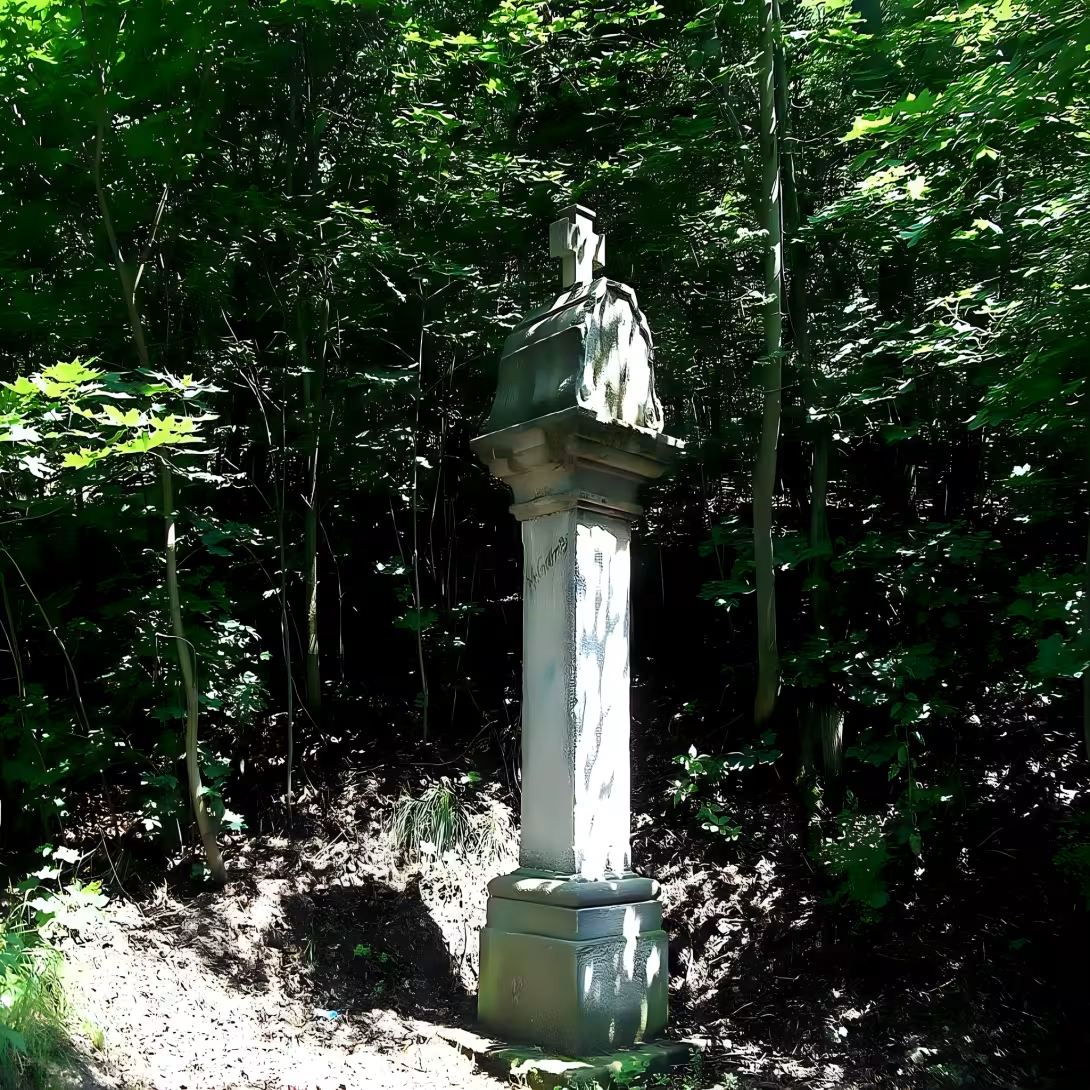
God's torture in the village Rokycany (district Rokycany) represents the fourth stop of the local cross road. This medieval statue is an important cultural element and is currently subject to historical protection.
There is little documented information about the exact date of creation or specific creators. But historical sources place it in the Middle Ages. As part of the cross-road, the statue fulfilled its religious function in the ritual walk of individual stops. In the past such objects served as an important expression of faith and milestones on the paths associated with spiritual examination.
From the point of view of typology, it's a statue. Historical records do not specify the material or detailed description of the art elements, but the origin and classification of the cross-roads confirm its historical value. As part of the religious whole, this object forms an integral element of the historical landscape of the village Rokycany.
The monument is currently protected and its existence is part of the cultural heritage of the Pilsen Region. Located in the village of Rokycany in the district of Rokycany.
Visiting this place offers an opportunity to quietly reflect on the history and spiritual significance that the object represented over the centuries. It is an important point for anyone interested in authentic traces of medieval origin in this location.
Then and now
Drag the slider to compare how the landmark may have looked when it was built with the view today.
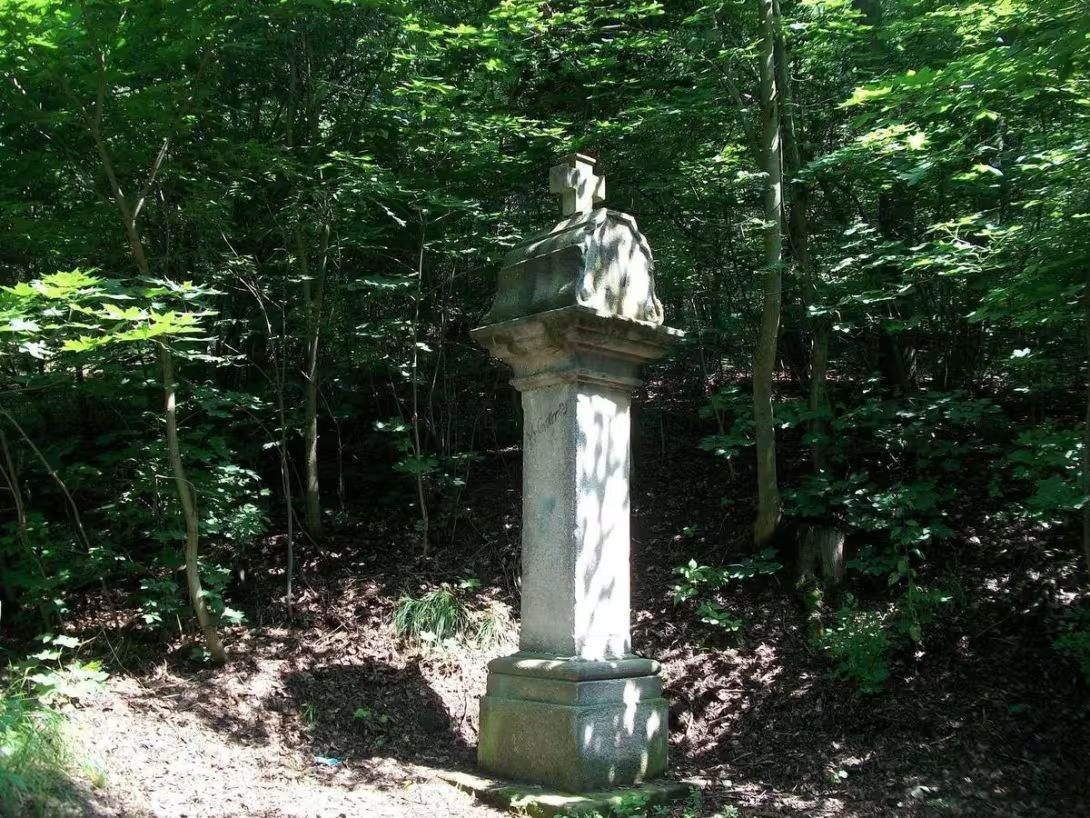
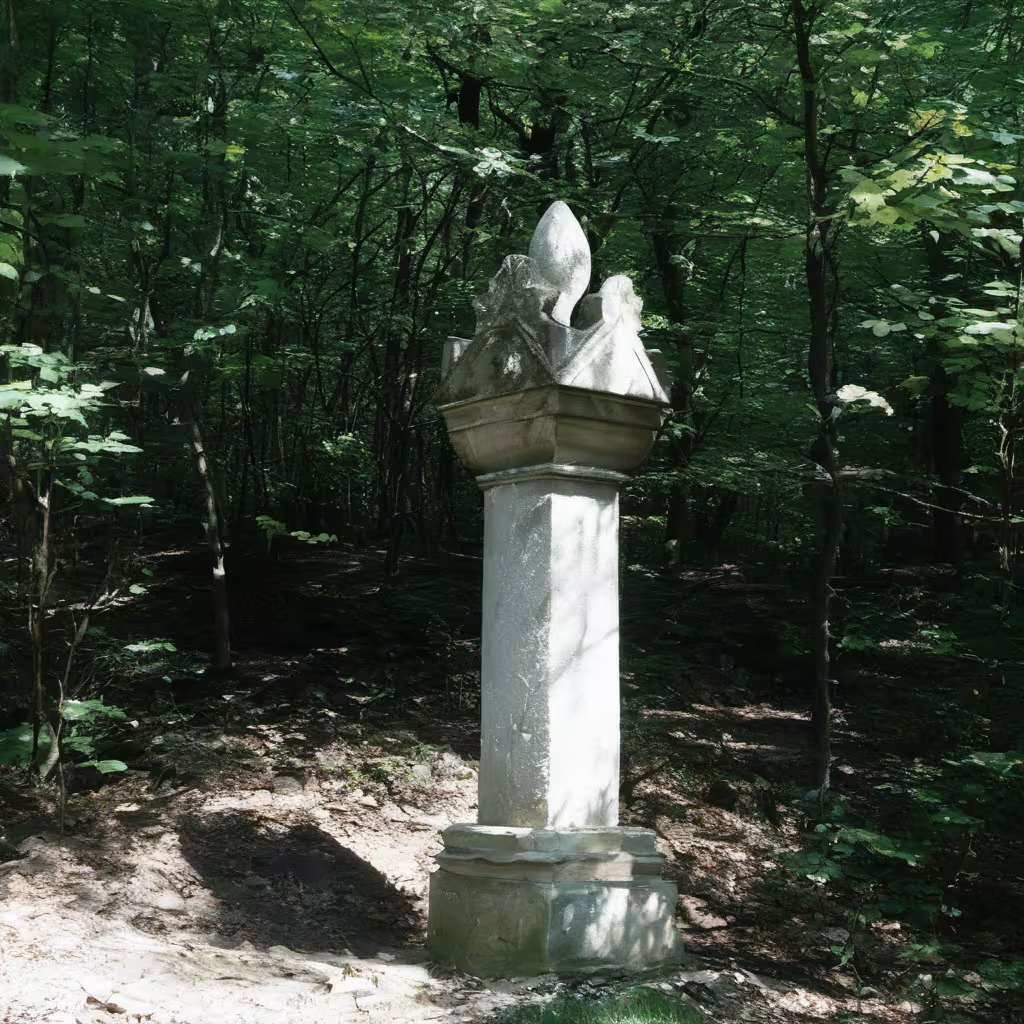
The historical appearance on the left is an AI-generated visualisation and serves as inspiration only.
Historical milestones
- around 1400
- The creation of a medieval statue as part of a cross road.
- 21st century
- Current monument protection of the building.
Points of interest
- This medieval statue represents the fourth stop of the local cross road. - It is an important cultural element and is currently subject to monument protection. - There is little documented information about the exact date of creation or specific creators. - As part of the cross road, the statue fulfilled its religious function in the rituals of stopping. - This object forms an integral element of the historical landscape of the village Rokycany.
Guide
This guide is narrated by a synthetic voice generated by artificial intelligence.
Show guide text
This text was created by artificial intelligence and has not been editorially reviewed. It may contain inaccuracies.
Welcome to this quiet place of history and silence. You're standing in front of a statue of God's torment, which is part of the fourth stop of the Rokycan Crusade. This object, protected as a cultural monument, we invite you to a short journey into the past.
God's torment is part of a wider network of crossways that were built for spiritual and pilgrimage purposes. Although we are unable to pinpoint exactly who and when this particular element was created, it is clear that it served as a place to stop and reflect on pilgrims' travels. These statues were often placed in strategic places to provide shelter and remind pilgrims of their spiritual journey.
Look up and notice the basic architecture of the statue. Even though details are simple, their historical context gives them depth. God's torment is often made of stone or wood and represents scenes from the life of Jesus Christ. Although the specific details of this statue are not known, note its position on the local landscape - located in such a way as to be clear and remind visitors of the spiritual path.
Although there are no known historical figures associated with this particular monument, it is important to note that such statues were often created by anonymous masters. Their work survives in thousands of forms throughout the region and tells stories of faith and traditions.
The interesting thing about this monument is its unknown origin - who built it, why in this place and what experience people who came here shared. This uncertainty gives the statue secrets and invites us to realise the complexity of historical sources.
Let's move on to the Rokycan Crossing Road. Every stop has its unique atmosphere and the story that awaits you. When browsing the site, let yourself know their historical context and how each statue contributes to the overall spiritual image.
Thank you for visiting this place. I hope this guide inspired you to take a deeper reflection and explore Rokycan and its rich history. Enjoy the rest of your day!
Tips for visitors
The best time to visit is spring or autumn, when the weather is mild and surrounding nature in Rokycany is picking up the colors, which creates a pleasant environment for walking through the cross road. In summer, choose the morning or evening hours to avoid direct sun and heat, which might be uncomfortable while walking.
Transport availability is provided in the village Rokycany by road network. Public transport is also accessible, however, the current timetables and connection numbers should be checked in advance in the online connection search engine because they can change.
When visiting, bring comfortable shoes for walking, because the cross road can lead on uneven terrain or older tiles. We recommend to take also a bottle of drinking, especially in warmer months, and a light jacket, as the surrounding area can be windy.
The morning light is ideal for photography, which falls on the statue of God's torture of softness and highlights the details of the sculpture without sharp shadows. The best views of the fourth stop can be obtained from a slight distance to capture the context of the entire cross road and surrounding green without disturbing the quiet space.
Since there are no specific places in the area within 30 minutes in the background, we recommend to walk the rest of the cross road in Rokycany where you can discover other stops and historical elements of the village. For families with children, this walk is suitable as a short walk that combines movement with knowledge of history and belief, while children may notice the details of the statues and stories behind them.
Frequently asked questions
Can the monument be visited?
This is a structure in a public space that can usually be seen from outside free of charge. We have not verified that this particular one is freely accessible.
Where is the monument?
Location: Rokycany, Plzeňský kraj. The map on this page shows the exact spot.
Why is the monument protected?
It is listed in the Central List of Cultural Monuments of the Czech Republic as a cultural monument. It is protected as part of a larger listed ensemble.
For kids
Imagine going back to when Rokycany was a small town. It was like a game of truth and lies. The city was full of people in white robes who went to the pilgrimage to the churches. They had candles that lit their way.
Who lived here? They were monks from St. James's monastery. They lived in a beautiful monastery by the Berounka River. They used to work in the garden and do things for people in town. They also had a library full of old books.
Businesses nearby
Do you run a restaurant, accommodation, shop, museum, rental, wellness or other visitor service near this monument? Show yourself directly to the people heading to it — this is how they will see you in the app and on the web:
Events nearby
Zdroj akcí: otevřená data měst a obcí ČR (Národní katalog otevřených dat) a kalendář akcí Národního památkového ústavu.
Nearby
➜ Zobrazit interaktivní přehled okolí – restaurace, ubytování, půjčovny a další místa v okruhu 15 km.
Data: OpenStreetMap contributors, okruh 15 km.
🏰 Historické památky
- Padlým a zemřelým vojínům ve světové válce 1914 – 1918 (3.6 km)
- Jan Hus (3.9 km)
- Hurvínek (9.3 km)
- Lopata (9.7 km)
- Věžka (11.6 km)
- Josef Skupa (12.2 km)
- památník obětí I. a II. sv. války (12.5 km)
- Malochova skalka (12.6 km)
🍽️ Restaurace a stravování
- Restaurace a penzion Hamrovka (7.1 km – 188)
- Na Radosti (8.4 km)
- U Ženíšků (10.3 km – Červenohrádecká 66/27)
- Lidový dům (10.6 km)
- Plzenecká pizzerie (10.7 km)
- Restaurace U Havránka (12.6 km – Hřbitovní 873/24)
- Pod Kopcem (12.8 km – Božkovské náměstí 101/18)
- Caffe Lobzy (13.3 km – Na Vyhlídce 242)
🏨 Ubytování
- Ubytovna Promabyt (5.4 km – U svobodáren 177)
- Ubytovna Promabyt (5.4 km – U svobodáren 176)
- TJ Volduchy (5.7 km)
- Pension Raková (5.8 km – 77)
- U Krále (6.9 km – 41)
- Campus Dobřív (7.2 km – 184)
- Turistická ubytovna TJ Sokol Dobřív (7.4 km – 200)
- Seník (7.8 km)
🚲 Půjčovny a sport
- Vratislav Steiner (0.7 km – Tylova 287)
- Kola Sport Hájek (0.9 km – Hradební 173)
- Martin Kovařík - Bike Rotation (3.3 km – 291)
- František Babický (4.6 km – Učňovská 126)
- Tělocvičná jednota Sokol Mirošov (8.0 km)
- Sport Beran-cykloobchod+servis (9.3 km – náměstí Československých legií 22)
- Sokolovna (10.3 km – Plzeňská 387)
- KV servis (10.4 km)
🥾 Turistika a příroda
- Pod Vršíčkem (rozcestí) (2.9 km)
- Kokotsko (5.4 km)
- Maršál (7.7 km)
- Druztová (12.0 km)
- Radyně (12.2 km)
- Chlum (12.4 km)
- Chlum (12.5 km)
- Plzeň-Doubravka (MHD) (12.7 km)
Accommodation nearby
Trips and activities nearby
Guided tours, tickets and activities nearby from GetYourGuide
Affiliate link: if you buy from the partner, we may receive a commission. The price for you does not change.
Search tours and activities →Themed route
1. Access path (Type: path). The path to the monument serves to gradually calm the mind and prepare for reflection.
2.Boží muka na křížové cestě Rokycany - 4. zastavení (Type: statue). The main point of the visit, which represents an important artistic and spiritual element of the cross road.
3. Space around the statue (Type: area). A place suitable for detailed examination of stony carving and short rest.
Seasonal recommendations
In spring the surroundings of the statue awaken to life and the young green creates a fresh set for the stone detail. The atmosphere is full of hope and pure air. We recommend to wear more layers of clothing because the weather is variable, and set off for the morning dew when the landscape is purest.
The summer season brings a sharp light that highlights the plastic shapes of the monument, and the thick shade of the surrounding trees. In the high season there are more visitors, so it is best to come early in the morning so that you don't get a crowd of people. Don't forget the light attire and enough fluid to travel.
With the autumn of the landscape, the golden colors of the leaves cover the ground and the morning mist gives the place a mysterious, veiled touch. It's the perfect time to think and walk quietly. Due to the moist surface of the roads, we recommend waterproof shoes and a visit in late afternoon, when the sun shines gently.
In winter, the statue is very strict and lonely, especially if it is covered by white snow that accentuates its silhouette. The silence of this time creates a special peace. It is necessary to wear warm thermo-linens and tight glide shoes, planning your journey to be back before dark.
Visualizations and artistic views


The visualisations are generated by artificial intelligence and serve as inspiration.
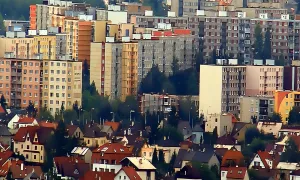
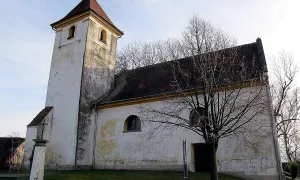
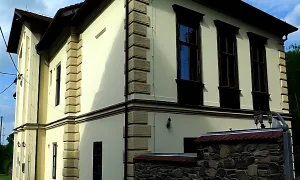
Photos from the area
Real photos taken near the monument


Zdroj a licence jsou uvedeny u každého snímku.
Tips from visitors
No tips yet. Be the first!
Log in and add your tip.
Sources and literature
Photos: admin / CC0, rozlišení zvýšeno umělou inteligencí — Wikimedia Commons. The author and licence also appear when you hover over the image.
Location on the map



Příběhy a pověsti
Legendy, pověsti a příběhy spjaté s touto památkou
Fotografie návštěvníků
Zatím žádné fotografie. Buďte první, kdo přidá fotografii z návštěvy!
Log in a přidejte svou fotografii nebo hodnoťte.
Za ověřenou návštěvu v aplikaci získáte víc bodů — poznáme podle GPS, že jste na místě.
Reviews and comments