






boží muka v Nymburské ulici Wayside shrine
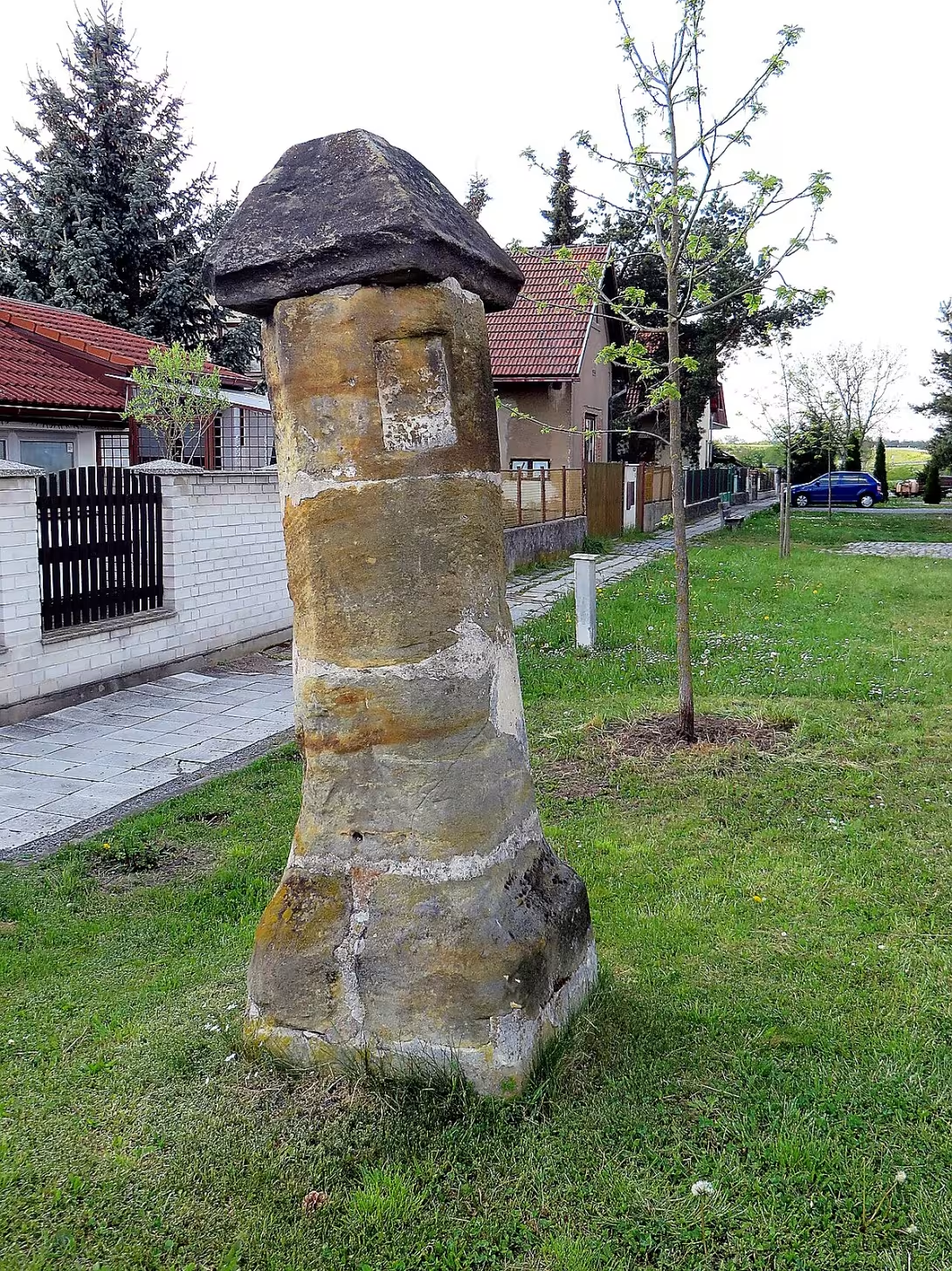
The boží muka monument, located in Nymburská street, is a 16th-century wayside shrine made of sandstone. Situated opposite a cemetery near Road II/331, it marks the old route to Nymburk and has been protected as a cultural monument since 1965.
Built around the 16th century on a small hill along the old road between Poděbrady and Nymburk, this shrine's origin is unknown. During the Renaissance period in Bohemia, small religious structures were often placed along trade routes to serve both as expressions of piety and navigational aids. It is assumed that this monument functioned as a waymarker for travelers.
The monument consists of a massive sandstone column, 250 centimeters tall, with a rectangular base transitioning smoothly into an octagonal pillar. The structure features a simple pyramidal stone roof without ornaments or a cross. On one side, there is a small niche that originally held an image of the Virgin Mary.
In the 20th century, the monument underwent repairs and was relocated twice due to road construction. In 1965, it was officially designated as a protected cultural monument.
Beyond its religious significance, this landmark played a crucial role in guiding travelers towards Nymburk. Today, the shrine remains a visible piece of the historical landscape in Velké Zboží, Poděbrady, providing a tangible link to early modern transport routes in the region. This Renaissance-era sandstone pillar is a modest yet significant site for those interested in the historical geography of the area.
Historical milestones
- 1500
- Construction of the boží muka monument begins
- 1565
- The monument is completed and becomes a waymarker for travelers
- 1965
- The monument is officially designated as a protected cultural monument
Architectural development
The structure is constructed from sandstone blocks. In the 20th century, it was repaired and relocated during road construction, as its original site was leveled. It was subsequently moved a second time to its current location.
Historical events
1965: The monument was officially protected as a cultural monument.
Points of interest
– The boží muka monument is a 16th-century wayside shrine made of sandstone, located in Nymburská street.
– It marks the old route to Nymburk and has been protected as a cultural monument since 1965.
– The monument's origin is unknown, but it likely functioned as a waymarker for travelers during the Renaissance period.
– The structure features a simple pyramidal stone roof without ornaments or a cross, with a small niche that originally held an image of the Virgin Mary.
– In the 20th century, the monument underwent repairs and was relocated twice due to road construction.
Guide
Show guide text
This text was created by artificial intelligence and has not been editorially reviewed. It may contain inaccuracies.
Welcome to Poděbrady. You are currently standing in the Velké Zboží district, specifically on Nymburská street. As you pause here, take a moment to look at the monument standing directly before you. It is a solitary, dignified structure that seems to hold the very essence of the history surrounding this street. This is the boží muka, a wayside shrine that has served as a silent observer of life in this region for hundreds of years. Even in its simplicity, there is a profound sense of permanence, a feeling that this stone has anchored this specific spot in time while the world around it has shifted, modernized, and transformed.
To understand what you are seeing, we must travel back through the centuries to a time when the landscape of Poděbrady looked very different. The story of this monument began long ago, with construction commencing around the year 1500. Imagine the scene during that era: the sounds of manual labor, the scent of freshly worked stone, and the slow, deliberate pace of sixteenth-century life. This was a period of significant transition, and the creation of such a monument was a major undertaking. It was not merely a construction project; it was an act of devotion and a practical necessity for the community.
By the year 1565, the work was finally complete. Once finished, the boží muka took on a vital role for the people of that time. It was not just a religious marker, but a crucial waymarker for travelers. In an age before modern road signs, paved highways, or digital navigation, landmarks like this were essential for anyone navigating the countryside. This specific shrine marked the old, historic route leading toward Nymburk. For a traveler moving along this path, seeing this sandstone column would have provided a sense of direction, a point of orientation, and perhaps even a moment of spiritual reflection during a long and tiring journey.
Now, let us turn our attention to the physical presence of the monument itself. As you stand close to it, please observe the craftsmanship and the materials used. The entire structure is carved from sandstone, a material that carries a certain warmth and texture, though it also bears the marks of the centuries. The monument reaches a height of approximately 250 centimeters, giving it a commanding presence despite its slender form.
If you look at the base, you will notice it is rectangular, providing a sturdy and wide foundation that grounds the monument firmly into the earth. As your eyes move upward, notice the elegant transition in the geometry of the pillar. The structure shifts from that rectangular base into an octagonal pillar. This change in shape adds a layer of sophistication to the design, guiding the viewer's gaze toward the top. Crowning the entire structure is a simple, pyramidal stone roof. This geometric cap provides a sense of completion and protection to the pillar below.
I invite you to look closely at the side of the pillar. You will see a small niche carved into the stone. While it may appear empty to you today, this niche originally served a very important purpose. It was designed to house an image, likely a religious icon or a painting, which would have offered visual guidance and comfort to the travelers and locals who passed by. Though the image itself is no longer there, the hollow space remains as a testament to the monument's original spiritual intent.
As we contemplate this structure, a sense of mystery naturally arises. While we have clear dates for its beginning and its completion, the names of the people behind it have been lost to the passage of time. We do not know the identity of the architect who designed this specific transition from a rectangular base to an octagonal pillar. We do not know the names of the stonemasons who carefully shaped the sandstone or the individuals who funded its construction. This anonymity adds a layer of intrigue to the boží muka; it belongs not to a single person, but to the collective history of the region. It is a monument built by unknown hands for a community that has changed beyond recognition.
Despite the anonymity of its creators, the importance of this site has never been forgotten. The monument has survived through centuries of political shifts, social changes, and the modernization of the very road it stands upon. Its historical value was officially recognized in 1965, when it was designated as a protected cultural monument. This protection ensures that even as Poděbrady continues to grow and evolve, this piece of the sixteenth century will remain exactly where it was intended to be.
As you stand here on Nymburská street, try to feel the connection between the past and the present. This sandstone column has stood through the era of horse-drawn carriages on the road to Nymburk, through the quiet centuries that followed, and into the modern world you see around you today. It is a bridge between the year 1565 and the present moment.
Thank you for taking the time to stop and appreciate this piece of history. As you continue your journey through Poděbrady and the Velké Zboží district, I encourage you to keep looking for these small, quiet echoes of the past. There is so much more to discover in the streets and corners of this beautiful town. Please, enjoy the rest of your walk and your exploration of our shared history.
Tips for visitors
Best Time to Visit: The monument is best visited during the spring and summer months when the surrounding area is lush and green, making for great photography opportunities. Avoid visiting during peak winter weather as the site can be quite muddy and slippery.
Businesses nearby
Do you run a restaurant, accommodation, shop, museum, rental, wellness or other visitor service near this monument? Show yourself directly to the people heading to it — this is how they will see you in the app and on the web:
Nearby
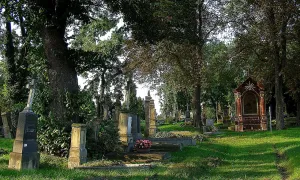
The monument is situated in the Velké Zboží part of Poděbrady, located opposite a cemetery.
Accommodation nearby
Trips and activities nearby
Guided tours, tickets and activities nearby from GetYourGuide
Affiliate link: if you buy from the partner, we may receive a commission. The price for you does not change.
Search tours and activities →Themed route
Route: "A Walk Through Poděbrady's History"
Stop 1: Boží Muka (Pillar of God) Type: Monument Why visit: This historic monument, located in Nymburská Street, serves as a reminder of the town's rich history and cultural heritage.
Stop 2: Cemetery Type: Cemetery Why visit: Opposite the Boží Muka lies the local cemetery, offering a peaceful atmosphere and a glimpse into the lives of those who have passed on.
Stop 3: Velké Zboží Neighborhood Type: Local neighborhood Why visit: Take a stroll through this charming neighborhood to get a feel for everyday life in Poděbrady. The area is filled with quaint shops, cafes, and restaurants.
This route takes you on a journey through the heart of Poděbrady, exploring its history, culture, and daily life.
Seasonal recommendations
In spring, the boží muka v Nymburské ulici is surrounded by awakening nature and fresh greenery, creating a hopeful and serene atmosphere. The soft, morning light is ideal for capturing the architectural details of the monument. Visitors should wear a light jacket to guard against unpredictable spring breezes and are encouraged to visit early in the day to enjoy the peace before the streets become busier.
During the summer, the area around the boží muka v Nymburské ulici is vibrant and lush, bathed in intense sunlight. This is the peak tourist season in Poděbrady, so the atmosphere is more lively and bustling. To avoid the largest crowds and the midday heat, it is best to arrive early in the morning. Lightweight, breathable clothing and sun protection are essential for a comfortable visit.
Autumn brings a melancholic beauty to the boží muka v Nymburské ulici, as the surrounding foliage turns golden and orange. The misty mornings and softer, angled light provide a dramatic and reflective backdrop for the shrine. It is recommended to wear layered clothing to adapt to the cooling temperatures and to visit during the late afternoon to experience the most atmospheric lighting.
In winter, the boží muka v Nymburské ulici takes on a quiet, contemplative character, often accented by frost or a blanket of snow. The stark contrast between the stone and the winter landscape creates a solemn and peaceful mood. Because the days are much shorter, plan your visit for the middle of the day to maximize natural light. Heavy, warm clothing and waterproof footwear are necessary to stay comfortable in the cold.
Visualizations and artistic views


The visualisations are generated by artificial intelligence and serve as inspiration.
Photos from the area
Real photos taken near the monument


Zdroj a licence jsou uvedeny u každého snímku.
Tips from visitors
No tips yet. Be the first!
Log in and add your tip.
Sources and literature
Fotografie: Michal Louč / CC BY-SA 3.0 — Wikimedia Commons. The author and licence also appear when you hover over the image.
Faktickým podkladem tohoto textu byl článek na Wikipedii, jehož autory jsou přispěvatelé Wikipedie. Článek je dostupný pod licencí CC BY-SA 4.0.
Location on the map

Příběhy a pověsti
Legendy, pověsti a příběhy spjaté s touto památkou

Fotografie návštěvníků
Zatím žádné fotografie. Buďte první, kdo přidá fotografii z návštěvy!
Přihlaste se a přidejte svou fotografii nebo hodnoťte.
Za ověřenou návštěvu v aplikaci získáte víc bodů — poznáme podle GPS, že jste na místě.
Reviews and comments