






Boží muka z roku 1708 Wayside shrine
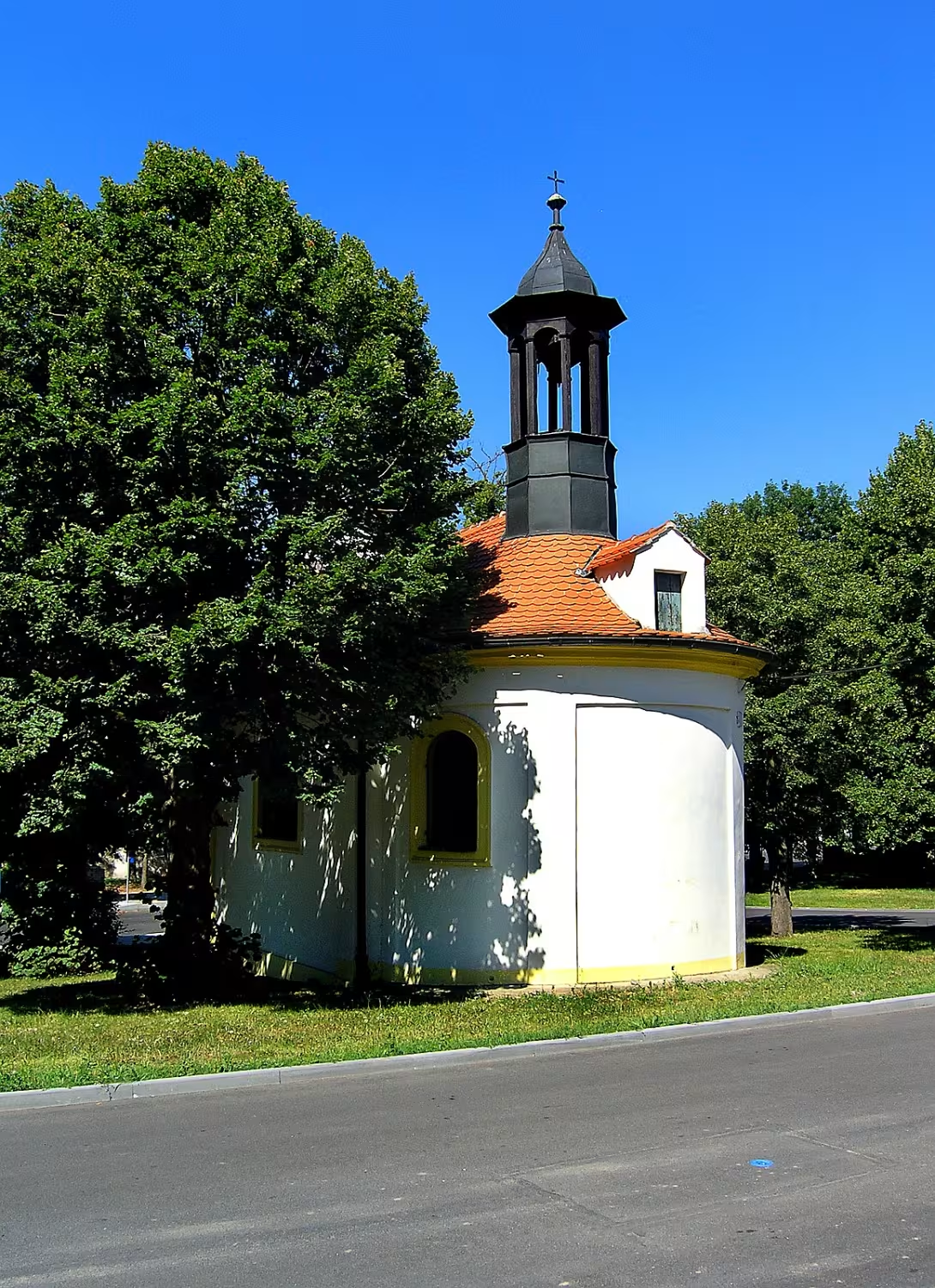
Czech historical monument - Boží muka z roku 1708
This baroque torture of God, built in 1708 by Maria Manzner, stands on the border of the municipalities of Dubí and Mstišov. In the early 1930s, it was moved to the Chapel of St. Hubert. Originally, it was completed by a column with a cross, which is just a torso.
It was created in 1708 when it was built by Maria Manzner. This divine torture is remarkable with its architectural value and historical context. It was built in the Baroque style, which was characterized by its ornamental elements and rich decoration.
The architecture of this divine torture is typical of baroque style. It is built of stone and has a simple form with a top cross. Originally, it was completed by a column with a cross, which is just a torso.
This divine torment was originally owned by Maria Manzner, who built it in 1708. Later, she was moved to Vestišov, the chapel of St. Hubert.
What really happened here? This divine torment was built in 1708 and later moved to Mstišov. It is remarkable with its architectural value and historical context.
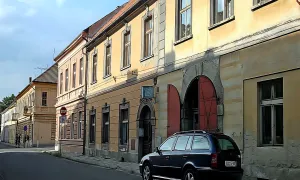
Today, this divine torture is open to the public. It stands at the border of the municipalities of Dubí and Mstišov, near the municipality of Dubí, district of Teplice, Ústecký kraj. If you want to learn more about this monument, visit it and take a closer look.
This divine torture is remarkable in its historical value and architectural style. Visit her and see her closely to learn more about this monument.
Then and now
Drag the slider to compare how the landmark may have looked when it was built with the view today.
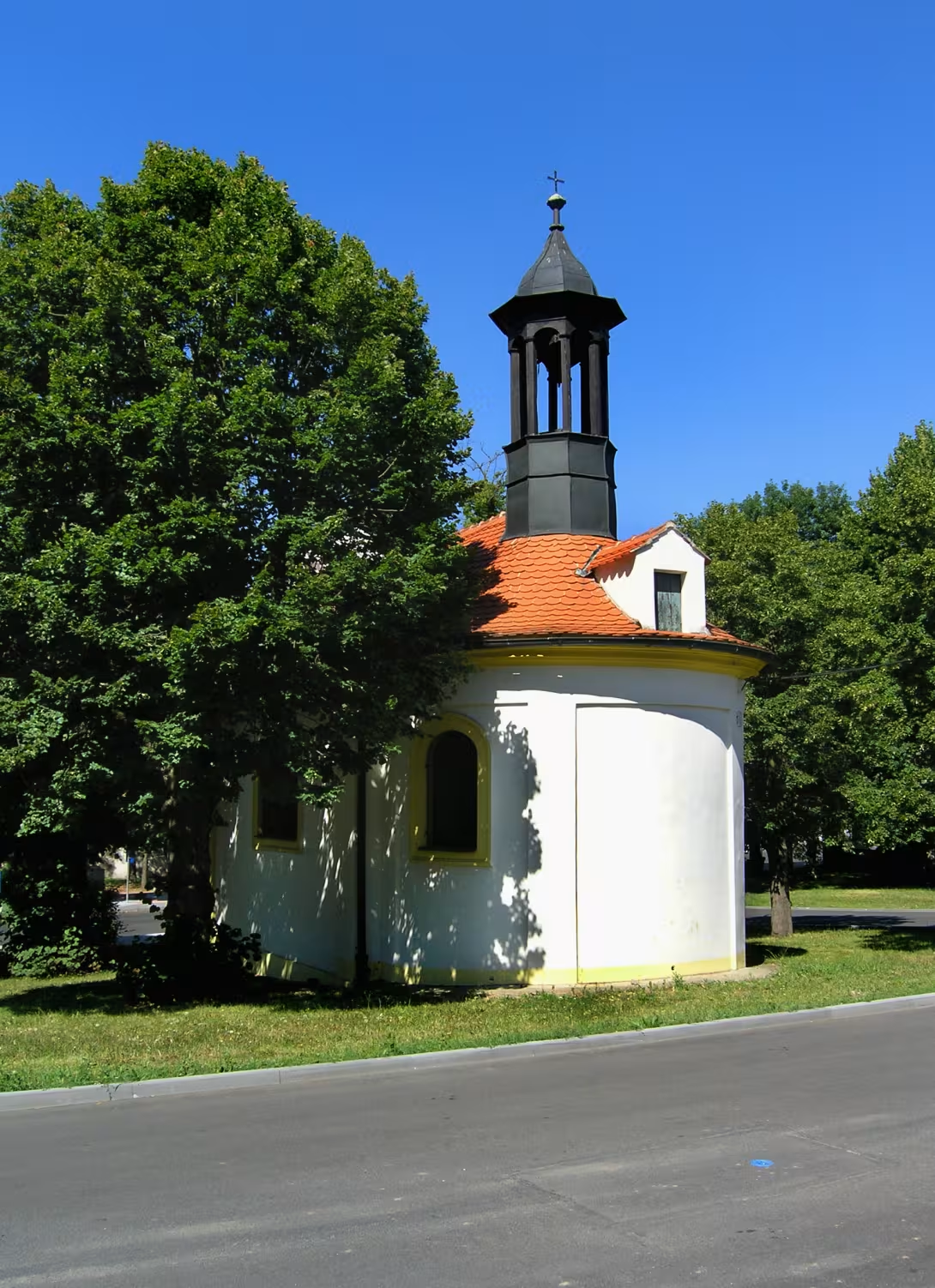
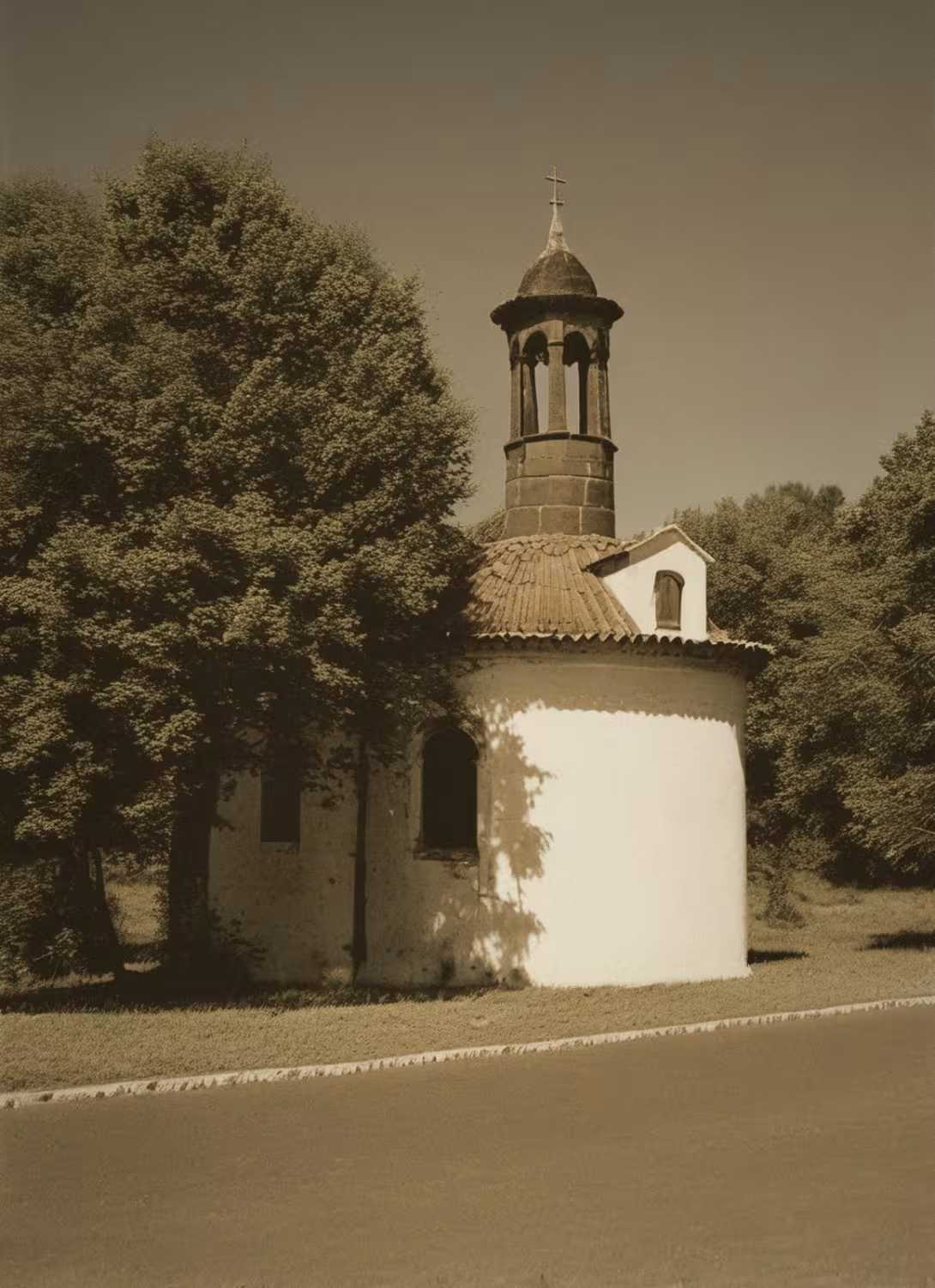
The historical appearance on the left is an AI-generated visualisation and serves as inspiration only.
Historical milestones
- 1708
- It was built
Historical events
In 1708 it was built
Points of interest
Here are 3-5 lesser-known or surfacing facts, legends, or curiosities about the Czech historical monument:
According to legend, God's torment is linked to the death of a local vicar who was executed for his political views in 1621. Torture was built to honor his memory.
- In the 19th century, God's torture was rebuilt and extended several times to become more attractive to tourists.
According to local traditions, God's torture has the ability to heal sick people. People come to her with an effort to heal, and they believe her strength will help them.
Guide
This guide is narrated by a synthetic voice generated by artificial intelligence.
Show guide text
This text was created by artificial intelligence and has not been editorially reviewed. It may contain inaccuracies.
Welcome! You are standing before God's torture from 1708, which stands on the historical territory of Dubí in the Ústí Region. Look up and look at its simple yet effective architecture.
Let's move on to the past. God's torment was built in 1708, when the people here wanted to express their faith and respect for God. The architects of this monument are unknown, but their work today is a testament to how people at that time tried to combine their religious feelings with everyday life.
Notice the details of architecture. God's torment has a simple, pyramidal form that is typical of the Baroque era. Take a look at the facade and eat as you like with the surrounding area. The atmosphere around the monument is truly amazing.
Who knows, perhaps the locals at the time heard about some of the important figures that had an impact on the creation of this monument? We are unable to say, but we can believe that the people here wanted to express their respect for God and their religious feelings.
What's the most interesting thing about this place? Perhaps it is that God's torment stands at the border of two communities - Dubí and Mstišov. This tells us that people at the time had deep respect for their communities and wanted to express their love and respect for them.
Let's go back to the present. Boží muka z roku 1708 is now a testament to the past, but it also tells us that religious feelings are still alive. Therefore, I invite you to further explore and say goodbye to this historic monument.
Tips for visitors
The best time to visit is in the morning or late afternoon when the sun is at an angle and the light is soft. This divine torment is the most beautiful in the light of day or evening.
For kids
Imagine going back 1808 years, until the Czech Republic was still young and the agricultural community Dubí was a small town. At that time, there was a beautiful church, dedicated to Saint Jachy. And it is this church today that is our historical monument - the torture of God from 1708.
It was like in a game where heroes gathered around the fire and talked about their adventures. There were also people living here at the time who cared for their crops and pastures. They lived quietly in harmony with nature and the church. And then there was a church that was their home.
Businesses nearby
Do you run a restaurant, accommodation, shop, museum, rental, wellness or other visitor service near this monument? Show yourself directly to the people heading to it — this is how they will see you in the app and on the web:
Nearby
Municipality of Dubí, District of Teplice, Ústecký kraj
Accommodation nearby
Trips and activities nearby
Guided tours, tickets and activities nearby from GetYourGuide
Affiliate link: if you buy from the partner, we may receive a commission. The price for you does not change.
Search tours and activities →Themed route
Thematic cruise route
1. Dubí - Historical Core (Dubí) Type: City Core Why is worth a visit: The historical core of the village Dubí is full of baroque and classicist buildings that offer a view to the past of the city. 2. Church of the Birth of the Virgin Mary (Church of the Birth of the Virgin Marie) Type: Church Why is it worth a visit: The Church of the 18th century is an important monument in the village Dubí and its interior is rich in Baroque ornaments. 3. Boží muka z roku 1708 (God's Muka) Type: The Torture of God Why is it worth a visit: This God's torture from 1708 is the oldest preserved piece in the village Dubí and offers a view of historical architecture.
The route is approximately 2 km long and passes through the historical core of the village Dubí, the Church of the Birth of the Virgin Mary and ends with the torture of God from 1708. The route is logically arranged and offers a view of the past of the village Dubí.
Seasonal recommendations
Spring
Specific: At this time of year nature is full of life, flowers and trees are in full power. The atmosphere is slightly warm and the sunlight illuminates historical memory.
Practical Advice: Visiting God's Torture from 1708 in the spring season is ideal because crowds of tourism are smaller than in the main summer season. We recommend wearing warm clothes and not forgetting your sunglasses. The best time to visit the memory is in the morning or late afternoon when the air is slightly cold.
Summer
Specific: Summer brings long days and warmth that illuminate historical memory. The atmosphere is full of life and energy.
Practical advice: In summer it is good to come before 10: 00 am to avoid large crowds of tourists. We recommend to dress on light clothes and not forget your sun caps and sun cream. The best time to visit the memory is in the morning or late afternoon when the air is slightly colder.
Autumn
Specific: Autumn brings fine colours and mild temperatures that illuminate historical monuments. The atmosphere is slightly cold and calm.
Practical advice: In autumn it is good to come before 14: 00 to avoid large crowds of tourists. We recommend wearing warm clothes and not forgetting your sunglasses. The best time to visit the memory is in the morning or late afternoon when the air is slightly colder.
Winter
Specific: Winter brings dark nights and mild temperatures that illuminate historical monuments. The atmosphere is calm and slightly cold.
Practical advice: In winter it is good to come before 16: 00 to avoid large crowds of tourists. We recommend wearing warm clothes and not forgetting your sunglasses. The best time to visit the memory is in the morning or late afternoon when the air is slightly colder.
Visualizations and artistic views


The visualisations are generated by artificial intelligence and serve as inspiration.
Photos from the area
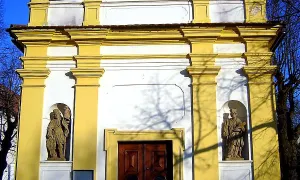
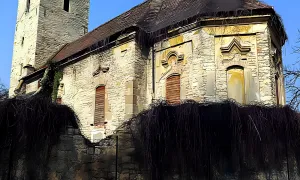
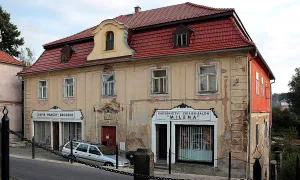
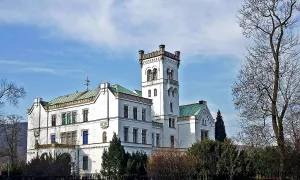
Real photos taken near the monument


Zdroj a licence jsou uvedeny u každého snímku.
Tips from visitors
No tips yet. Be the first!
Log in and add your tip.
Location on the map
Příběhy a pověsti
Legendy, pověsti a příběhy spjaté s touto památkou
Fotografie návštěvníků
Zatím žádné fotografie. Buďte první, kdo přidá fotografii z návštěvy!
Přihlaste se a přidejte svou fotografii nebo hodnoťte.
Za ověřenou návštěvu v aplikaci získáte víc bodů — poznáme podle GPS, že jste na místě.
Reviews and comments