



Budova ČKD na Můstku Administrative building
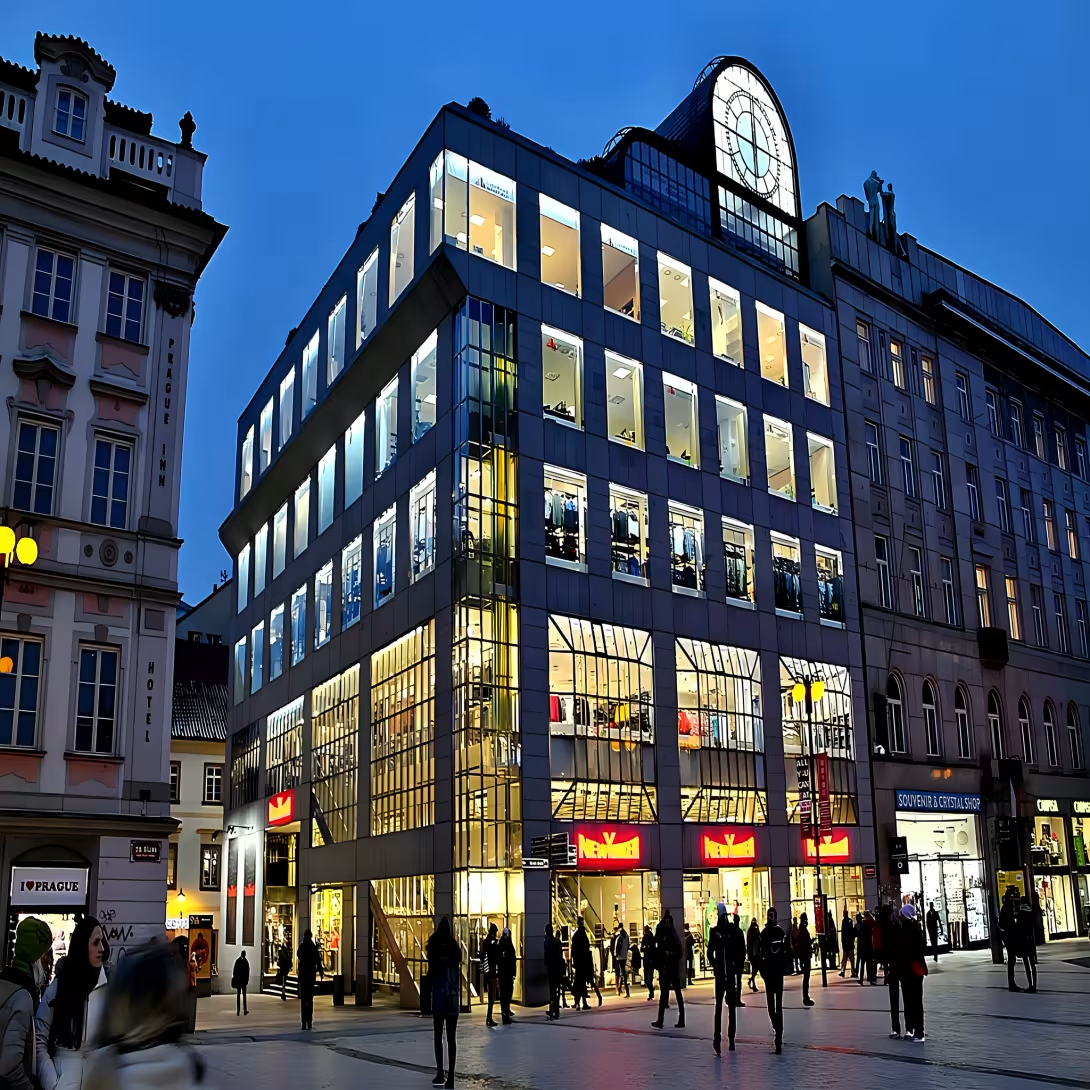
Budova ČKD na Můstku, also known as Dům Na Můstku, is a notable commercial and administrative building located at the lower end of Wenceslas Square in Prague. Constructed between 1976 and 1983 by the municipal transport company for ČKD's general management, this structure stands out as an early example of postmodern architecture in Czechia. Its significance was further cemented when it was declared a cultural monument by the Ministry of Culture of the Czech Republic in 1992.
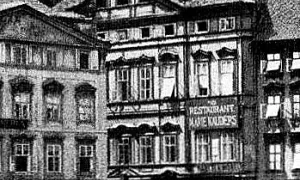
The site where Budova ČKD na Můstku now stands has a rich history dating back to the 15th century, when an area previously occupied by a moat was developed. Over time, various structures have existed here, including the baroque Sklenářovský house in the 19th century and later buildings that were eventually demolished. The current building replaced a structure designed by František Buldra, which was itself razed in 1973 to make way for modern development.
Architecturally, Budova ČKD na Můstku is distinguished by its iron skeleton construction with concrete floors extending from the Můstek metro station's skeleton. Designed by architects Alena Šrámková and Jan Šrámek, it features a facade clad in stone slabs and an asymmetrical tower housing a restaurant, clock, and ventilation systems. The building’s design marked a departure from the socialist realism prevalent during its construction period under communist rule, introducing postmodern elements to Czech architecture.
Ownership of Budova ČKD na Můstku has transitioned over time, with the current owner being GSCD, s.r.o., owned by Friedrich Georg Knapp. The building underwent significant changes in 2003 when it was restructured for commercial use under the guidance of architect Alena Šrámková, leading to a shift in its function and layout.
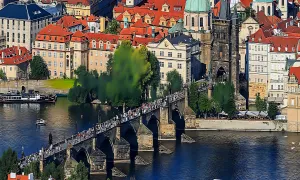
Today, Budova ČKD na Můstku serves as a vibrant commercial space, housing a New Yorker clothing store among other businesses. Its location near the Můstek metro station makes it easily accessible for visitors exploring Prague's historic Old Town and nearby landmarks like Charles Bridge. The building’s architectural significance and historical context make it an intriguing site worth visiting for those interested in postmodern architecture and urban development.
Budova ČKD na Můstku stands as a testament to the evolution of architectural styles and urban planning in Czechia, offering visitors a glimpse into both its storied past and dynamic present. Its unique design and historical importance make it an essential stop on any tour of Prague's architectural landmarks.
Historical milestones
- 1976
- Construction of Budova ČKD na Můstku began.
- 1983
- Completion of the building's construction.
- 1992
- Declared a cultural monument by the Ministry of Culture.
Architectural development
The building was designed by architects Alena Šrámková and Jan Šrámek, marking the beginning of postmodern architecture in Czechia. It features an iron skeleton structure with concrete floors extending from the Můstek metro station's skeleton. The facade is clad with stone slabs, and it includes a distinctive asymmetrical tower housing a restaurant, clock, and ventilation systems.
Historical events
Constructed between 1976 and 1983 for ČKD's general management.
Declared a cultural monument by the Ministry of Culture in 1992.
Owners
The current owner is GSCD, s.r.o., owned by Friedrich Georg Knapp.
Points of interest
- The site of Budova ČKD na Můstku was once part of a moat in the 15th century, illustrating how urban development transformed defensive structures into commercial spaces over centuries.
- Before its current form, a building designed by František Buldra stood here until it was demolished in 1973 to make way for modern architectural approaches that embraced postmodernism during the communist era.
- The asymmetrical tower of Budova ČKD na Můstku not only adds visual interest but also houses essential functions like a restaurant, clock, and ventilation systems, showcasing innovative use of space typical of early postmodern designs in Czechia.
- Architect Alena Šrámková played a pivotal role both in the original design of Budova ČKD na Můstku and its later transformation into a commercial hub in 2003, highlighting her influence on Prague’s architectural landscape over decades.
- Despite being constructed during a time dominated by socialist realism, the building's postmodern elements marked a significant departure from contemporary styles, symbolizing subtle resistance to prevailing artistic norms under communist rule.
Guide
This guide is narrated by a synthetic voice generated by artificial intelligence.
Show guide text
This text was created by artificial intelligence and has not been editorially reviewed. It may contain inaccuracies.
Welcome to the historic site of Budova ČKD na Můstku, an architectural gem nestled at the lower end of Wenceslas Square in Prague. As you stand here, take a moment to absorb the grandeur of this commercial and administrative building that marks the corner where Na příkopě and Na Můstku streets converge.
This remarkable structure began its journey in 1976, conceived by the municipal transport company as a headquarters for ČKD's general management. Over seven years, until 1983, it rose to become not just a functional space but also an emblematic example of postmodern architecture in Czechia. In recognition of its cultural significance, it was declared a cultural monument in 1992.
As you look around, take note of the building’s distinctive architectural style. Designed by Alena Šrámková and Jan Šrámek, Budova ČKD na Můstku features elements that reflect its postmodern roots. Observe the interplay of forms and materials—a testament to its era—while appreciating how it harmoniously integrates with its urban surroundings.
The site itself holds a rich historical narrative. In the 15th century, this very location was part of a moat, illustrating how Prague's landscape has transformed from defensive structures into vibrant commercial spaces over centuries. Before reaching its current form, a building designed by František Buldra stood here until it was demolished in 1973 to make way for what you see today.
As we delve deeper into the stories tied to this place, consider the transformation of urban landscapes and how architecture serves as a bridge between past and present. Though specific historical figures associated with its creation are not widely documented, the building itself stands as a testament to the visionaries who shaped it.
Now, let your curiosity guide you further. Imagine the countless individuals who have walked these streets, contributing to the vibrant tapestry of Prague's history. As we conclude our brief exploration, I invite you to continue discovering more about this fascinating city and its architectural wonders. Thank you for joining me on this journey through time and space at Budova ČKD na Můstku.
Tips for visitors
The best time to visit the ČKD Building on Můstek is during late spring or early fall when the weather is pleasant, allowing for comfortable exploration of both the building itself and its surrounding historical sites. This period offers mild temperatures ideal for walking around Wenceslas Square and nearby attractions like the Old Town. Additionally, visiting outside peak tourist seasons can provide a more authentic experience with fewer crowds.
Transportation to the ČKD Building on Můstek is convenient via public transport or by car. The building is located near the Můstek metro station, making it easily accessible for those using Prague's extensive metro system. Regardless of your mode of transportation, planning ahead will ensure a smooth journey to this historic site.
When visiting the ČKD Building on Můstek, consider bringing comfortable walking shoes as you'll likely explore the surrounding area extensively. A camera or smartphone is recommended for capturing the architectural beauty of the building and the vibrant atmosphere of Wenceslas Square. Additionally, carrying a light jacket can be useful given Prague's variable weather, ensuring comfort throughout your visit.
Photography enthusiasts will find several spots around the ČKD Building on Můstek ideal for capturing its unique architecture and the lively ambiance of Wenceslas Square. Early morning or late afternoon offers softer natural lighting, enhancing the building's features and the square's dynamic scenes. Exploring from different angles can also provide diverse perspectives, especially with the Charles Bridge in view.
Families visiting the ČKD Building on Můstek will find plenty to enjoy within a 30-minute walk. The Old Town area is rich with attractions suitable for children, including Prague Castle and its surrounding gardens, which offer both historical insights and fun activities. Additionally, exploring Charles Bridge provides an opportunity for memorable photos against its iconic backdrop.
Frequently asked questions
Can the monument be visited?
The building is in use (offices, a school, shops and the like). The interior is generally accessible only during operating hours and tours are not usually offered; we have not verified the details. You can see the exterior from the street.
Where is the monument?
Location: Na můstku 388/9, Staré Město, Praha, Hlavní město Praha. The map on this page shows the exact spot.
Why is the monument protected?
It is listed in the Central List of Cultural Monuments of the Czech Republic as a cultural monument (register no. 41533/1-2166).
Businesses nearby
Do you run a restaurant, accommodation, shop, museum, rental, wellness or other visitor service near this monument? Show yourself directly to the people heading to it — this is how they will see you in the app and on the web:
Events nearby

Zdroj akcí: otevřená data měst a obcí ČR (Národní katalog otevřených dat) a kalendář akcí Národního památkového ústavu.
Nearby
Located at the lower end of Wenceslas Square, near the Můstek metro station. The area includes historical sites such as the Old Town and notable landmarks like the Charles Bridge within a short distance.
Accommodation nearby
Trips and activities nearby
Guided tours, tickets and activities nearby from GetYourGuide
Affiliate link: if you buy from the partner, we may receive a commission. The price for you does not change.
Search tours and activities →Themed route
Thematic Walking Tour: Exploring the Heart of Prague
1. Charles Bridge (Most Křížovníků)
Type: Historical Landmark
Why Visit: Begin your journey at this iconic stone bridge that spans the Vltava River, connecting the Old Town with Lesser Town. Admire its stunning Gothic architecture and the array of baroque statues lining its path. The bridge offers breathtaking views of Prague Castle and is a quintessential symbol of the city's rich history.
2. Old Town Square (Staroměstské náměstí)
Type: Historic Square
Why Visit: Just a short walk from Charles Bridge, this vibrant square is the heart of Prague’s Old Town. Explore its historic sites including the Astronomical Clock and Týn Church. The square has been a central hub for trade, politics, and culture since medieval times, making it an essential stop to understand Prague's past.
3. Budova ČKD na Můstku (ČKD Building on Můstek)
Type: Administrative Building
Why Visit: Located near the lower end of Wenceslas Square and close to the Můstek metro station, this building showcases Czechoslovakia's industrial heritage. Originally part of a major engineering company, it reflects the architectural style of its era and offers insights into the country’s technological advancements.
4. Wenceslas Square (Václavské náměstí)
Type: Historic Avenue
Why Visit: End your tour at this iconic boulevard known for its historical significance in Czech history, particularly during the Velvet Revolution. The square is a bustling area filled with shops and restaurants, providing a lively atmosphere to reflect on the day's journey through Prague’s storied past.
This route offers a comprehensive exploration of Prague's historic core, highlighting key landmarks that illustrate the city's architectural beauty and historical depth.
Seasonal recommendations
Spring: Visiting the ČKD Building on Můstek during spring offers a refreshing atmosphere as nature awakens with blooming flowers and budding trees, providing a picturesque backdrop to this historic site. The soft natural light enhances the architectural details of the building, making it an ideal time for photography enthusiasts. As Prague begins to emerge from its winter slumber, visitor numbers are moderate, allowing for a more relaxed exploration. It's advisable to wear layers; mornings and evenings can still be cool, while afternoons may warm up pleasantly.
Summer: Summer is the peak season for visiting ČKD Building on Můstek, with longer daylight hours offering extended viewing opportunities. The lush greenery surrounding the area adds vibrancy to your visit, though it's important to note that this time of year attracts larger crowds, especially during weekends and holidays. To avoid long lines at popular attractions, consider arriving early in the morning or later in the afternoon. Light, breathable clothing is recommended due to warmer temperatures, along with sunscreen and a hat for protection against the sun.
Autumn: Autumn transforms Prague into a canvas of warm colors, offering a magical setting for visiting ČKD Building on Můstek. The crisp air and golden hues of falling leaves create an enchanting atmosphere that's perfect for leisurely strolls around the area. This season sees fewer tourists compared to summer, providing a more intimate experience of Prague’s historic sites. Visitors should be prepared for cooler temperatures by wearing warm layers and carrying a light jacket or scarf, especially in the evenings when it can become quite chilly.
Winter: Winter brings a unique charm to ČKD Building on Můstek with its festive lights and snow-covered surroundings, creating a picturesque winter wonderland. The shorter days mean that visiting hours are more limited, so planning your visit during daylight is essential. Crowds tend to be smaller in the colder months, offering a quieter experience of Prague's historic sites. It’s crucial to dress warmly, with thermal layers, gloves, and a hat, as temperatures can drop significantly. Additionally, checking opening times in advance is advisable due to potential seasonal closures or reduced hours.
Visualizations and artistic views


The visualisations are generated by artificial intelligence and serve as inspiration.
Photos from the area
Real photos taken near the monument

Zdroj a licence jsou uvedeny u každého snímku.
Tips from visitors
No tips yet. Be the first!
Log in and add your tip.
Sources and literature
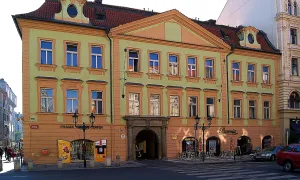
Photos: VitVit / CC BY-SA 4.0, rozlišení zvýšeno umělou inteligencí — Wikimedia Commons. The author and licence also appear when you hover over the image.
Faktickým podkladem tohoto textu byl článek na Wikipedii, jehož autory jsou přispěvatelé Wikipedie. Článek je dostupný pod licencí CC BY-SA 4.0.
Location on the map

Příběhy a pověsti
Legendy, pověsti a příběhy spjaté s touto památkou
Příběh: Budova ČKD na Můstku
Bylo to v pondělí ráno, kdy Martin zjistil, že jeho obvyklá chodba přes Můstek se proměnila do cesty plné nevysvětlitelných podivností. Když se rozezvučel kl…
Číst příběh
Pověst: Budova ČKD na Můstku
Podle místní pověsti, kterou si ještě v první polovině minulého století vyprávěli staří kramáři z přilehlých ulic, spočívá pod dnešní budovou na Můstku sám d…
Číst příběhFotografie návštěvníků
Zatím žádné fotografie. Buďte první, kdo přidá fotografii z návštěvy!
Log in a přidejte svou fotografii nebo hodnoťte.
Za ověřenou návštěvu v aplikaci získáte víc bodů — poznáme podle GPS, že jste na místě.
Reviews and comments