






Cihelná (Malá Strana) Palace
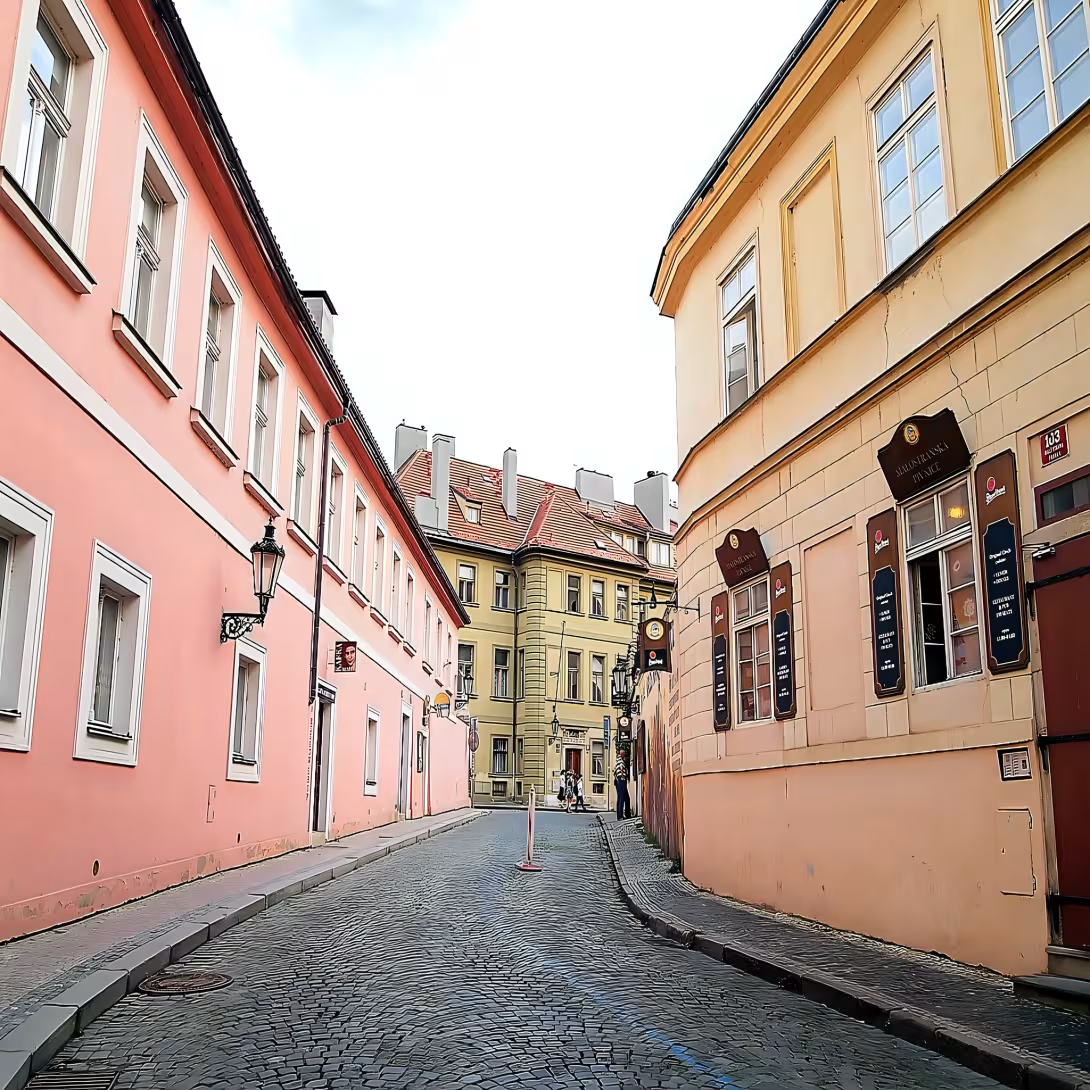
Nestled in Prague's historic Malá Strana district lies Hergetův palác at Cihelná 2. This classicist structure was originally built as a brickworks by Franz Anton Leonard Herget in 1781. The site is notable for its architectural significance and transformation into a cultural hub, housing the Museum of Franz Kafka and the Prague Jewelery Cabinet. Its location near the Vltava River and proximity to Mánes Bridge adds charm, making it an intriguing destination for those interested in history and culture.
Hergetův palác was established during a period when Bohemia was part of the Habsburg Monarchy, influenced by Enlightenment ideals that emphasized reason and scientific progress. In 1781, Franz Anton Leonard Herget, a Czech engineer, mathematician, and entrepreneur, founded his brickworks here due to the area's rich clay deposits. The site has since evolved from its industrial origins into a significant cultural landmark.
The architectural style of Hergetův palác reflects classicism, prevalent in Europe during the late 18th century. This style is characterized by symmetry, proportion, and classical elements such as columns and pediments. While specific details about the building's design are not extensively documented, its transformation over time has preserved its historical essence while adapting to modern cultural uses.
Ownership and administration of Hergetův palác have seen notable changes since its inception. Initially established by Franz Anton Leonard Herget, it later transitioned into a museum space that now hosts the Museum of Franz Kafka and the Prague Jewelery Cabinet. These institutions contribute significantly to the site's contemporary relevance as a center for cultural enrichment.
Throughout its history, Cihelná has undergone various name changes reflecting its evolving identity—from "Rasův vršek" in reference to a nearby kiln, to "U cihelny," and finally "Cihelní." These shifts underscore the area's longstanding association with brick production. Today, the site continues to be an integral part of Prague's cultural landscape.
Currently, Hergetův palác serves as a vibrant cultural venue, accessible to visitors who wish to explore its rich history and contemporary offerings. The Museum of Franz Kafka provides insights into the life and works of one of Prague's most celebrated literary figures, while the Prague Jewelery Cabinet showcases exquisite pieces that highlight the city's artistic heritage. Nearby attractions include Park Cihelná, offering a serene natural setting along the Vltava River.
Hergetův palác stands as a testament to the dynamic interplay between history and modernity in Prague. Its transformation from an industrial brickworks into a cultural institution reflects broader historical trends while preserving its unique heritage. Visitors are invited to explore this remarkable site, where the past and present converge to offer a rich tapestry of experiences.
Then and now
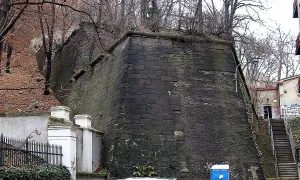
Drag the slider to compare how the landmark may have looked when it was built with the view today.
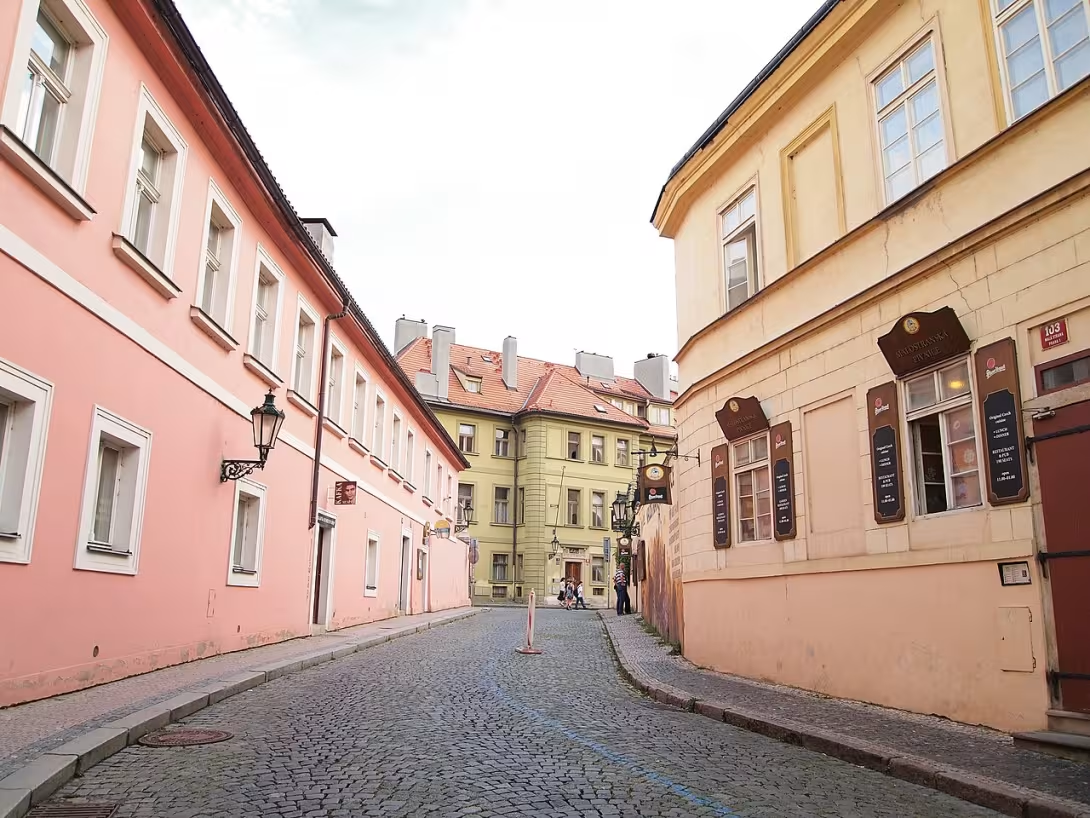
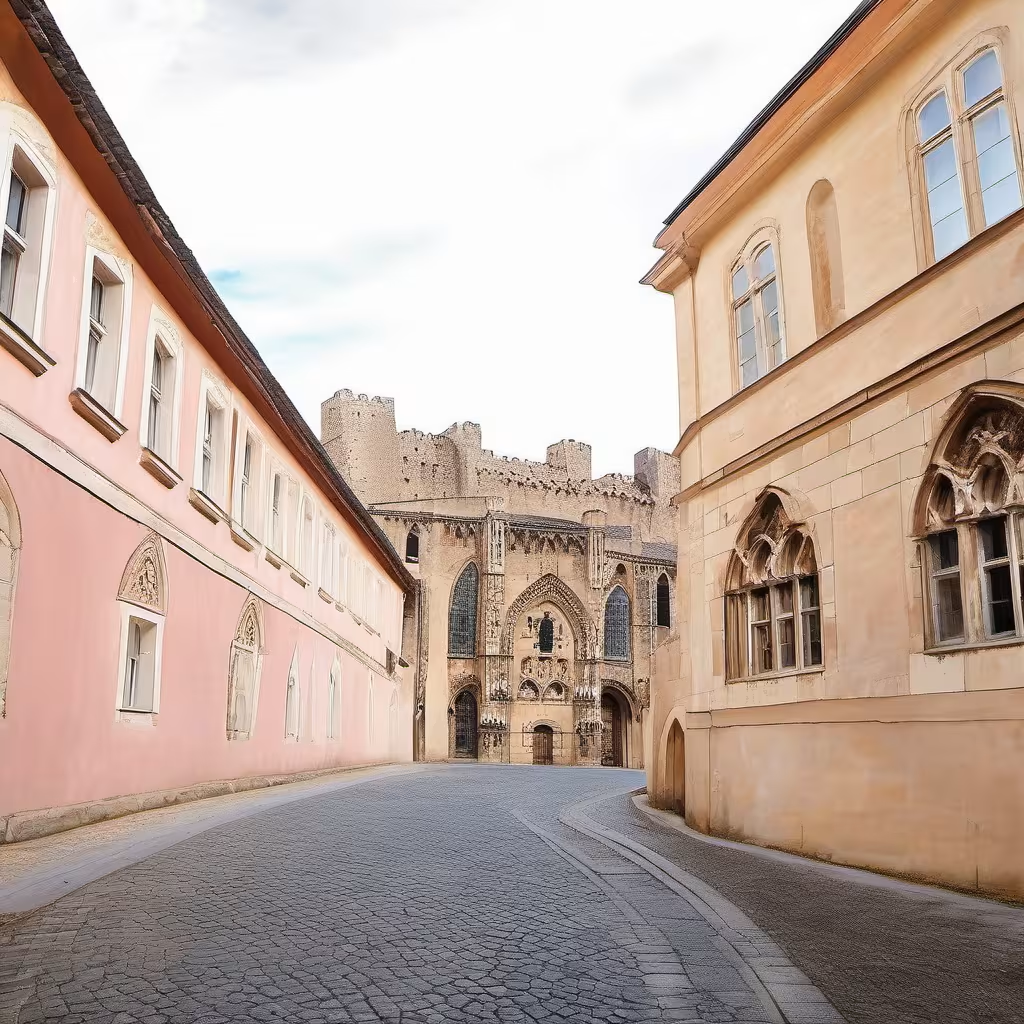
The historical appearance on the left is an AI-generated visualisation and serves as inspiration only.
Historical milestones
- 1781
- Založení cihelny Františkem Antoniem Leonardem Hergetem.
- Konec 18. století
- Dominance architektury klasicismu v Evropě.
- 19. až 20. století
- Přeměna cihelny na kulturní centrum.
- 20. století
- Otevření Muzea Františka Kafky a Pražského šperkáku.
Architectural development
Hergetův palác was constructed in 1781 as a brickworks, reflecting the classicist architectural style prevalent at that time. Over the years, it has been repurposed to serve cultural functions, including housing museums.
Historical events
1781: Establishment of Herget's brickworks by Franz Anton Leonard Herget
Present day: Houses the Museum of Franz Kafka and Prague Jewelery Cabinet
Guide
This guide is narrated by a synthetic voice generated by artificial intelligence.
Show guide text
This text was created by artificial intelligence and has not been editorially reviewed. It may contain inaccuracies.
Welcome to Hergetův palác on Cihelná in the heart of Prague's historic Malá Strana district. As you stand here, take a moment to soak in the atmosphere of this classicist structure that has withstood the test of time since the late 18th century. The building before you is more than just an architectural feat; it’s a portal into the rich tapestry of Prague's cultural and industrial heritage.
Let us begin by exploring its origins. In 1781, Franz Anton Leonard Herget established this site as a brickworks, capitalizing on the area's abundant clay deposits. This initial purpose underscores a fascinating transformation from an industrial past to a beacon of culture and history in modern times. As you look upon the building, imagine the bustling activity that once filled these grounds with the creation of bricks—a testament to the industrious spirit of its era.
Now, shift your gaze to the architectural details surrounding you. The late 18th century was marked by the dominance of classicism across Europe, and Hergetův palác reflects this style in its elegant proportions and symmetry. Notice how the structure harmonizes with its surroundings on Cihelná, seamlessly blending into the historical landscape of Malá Strana.
As we delve deeper into the stories tied to this place, Franz Anton Leonard Herget emerges as a pivotal figure. His vision transformed what was once an industrial site into a cultural hub that now houses the Museum of Franz Kafka and the Prague Jewelery Cabinet. These institutions continue to draw visitors from around the world, eager to explore the literary genius of Kafka and the exquisite craftsmanship of Czech jewelry.
Here's a little nugget of intrigue for you: despite its current cultural significance, Hergetův palác was originally a brickworks—a fact that highlights an intriguing contrast between its industrial origins and present-day role as a museum. Moreover, the street itself has seen name changes, from "Rasův vršek" to "U ciheln," each reflecting different chapters in its storied past.
As you continue your journey through this remarkable site, take time to explore both inside and out. Let the stories of transformation and creativity inspire you as you wander through spaces that have witnessed centuries of change. And remember, every corner holds a piece of history waiting to be discovered.
Thank you for joining us on this exploration of Hergetův palác. We invite you to delve deeper into its halls and uncover more about Prague's vibrant past. Until next time, savor the beauty and history that surrounds you in this enchanting city.
Tips for visitors
The best time to visit Hergetův palác is during the late spring or early fall when the weather is pleasant, allowing you to comfortably explore both the historic architecture of the palace and the nearby Park Cihelná. During these seasons, the park's flora is in full bloom, providing a picturesque backdrop for your visit. Additionally, visiting on weekdays can help avoid larger crowds typically found during weekends.
Transportation options are convenient as Hergetův palác is accessible by both car and public transport. For those driving, there are parking facilities nearby, though it's advisable to check current availability due to the area's popularity. Public transportation users can reach Malá Strana efficiently via metro or tram lines that connect well with other parts of Prague. Always verify the latest routes and schedules using a transportation app or website.
When visiting Hergetův palác, consider bringing comfortable walking shoes as you'll likely explore both the palace grounds and nearby areas like Mánes Bridge and Park Cihelná. A camera is recommended for capturing the stunning views of Prague's skyline from the park, especially during golden hour when the light is soft and warm. Don't forget to bring a small umbrella or raincoat in case of unexpected weather changes.
For photography enthusiasts, the best spots around Hergetův palác include the areas near Mánes Bridge where you can capture panoramic views of Prague's skyline with the Vltava River flowing below. The park offers excellent opportunities for nature shots, especially during sunrise or sunset when the light is ideal. Families with children will enjoy exploring the park’s playgrounds and open spaces, making it a perfect spot to relax after visiting the palace.
Businesses nearby
Do you run a restaurant, accommodation, shop, museum, rental, wellness or other visitor service near this monument? Show yourself directly to the people heading to it — this is how they will see you in the app and on the web:
Events nearby

Zdroj akcí: otevřená data měst a obcí ČR (Národní katalog otevřených dat) a kalendář akcí Národního památkového ústavu.
Nearby
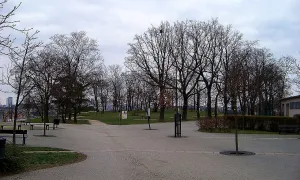
The area around Cihelná is characterized by its proximity to the Vltava River and includes Mánes Bridge. The nearby park, also named Park Cihelná, adds a natural element to this historic district.
Accommodation nearby
Trips and activities nearby
Guided tours, tickets and activities nearby from GetYourGuide
Affiliate link: if you buy from the partner, we may receive a commission. The price for you does not change.
Search tours and activities →Themed route
Thematic Walking Tour: Cihelná (Malá Strana)
1. Cihelná (Palác) - Type: Historic Palatial Building - Why Visit: Begin your tour at the grand Cihelná, a stunning example of Baroque architecture in Prague's Malá Strana district. This palatial building, once part of a brewery complex, now serves as an office space and cultural venue, offering visitors a glimpse into its rich history through architectural details.
2. Park Cihelná - Type: Urban Park - Why Visit: Just a short walk from the palace is Park Cihelná, a serene green oasis that provides a peaceful retreat amidst the urban landscape. The park's lush gardens and scenic views of the Vltava River make it an ideal spot for relaxation and reflection, enhancing your experience of this historic area.
3. Mánes Bridge - Type: Architectural Landmark - Why Visit: Continue your journey to Mánes Bridge, a modern architectural marvel that spans the Vltava River. Known for its unique design featuring two parallel arches, the bridge offers stunning views of Prague's skyline and is an excellent spot for photography enthusiasts looking to capture the city’s blend of old and new.
This tour provides a balanced exploration of cultural heritage and natural beauty in the heart of Malá Strana, offering insights into both historical architecture and contemporary design.
Seasonal recommendations
Spring: The arrival of spring at Malá Strana brings a refreshing transformation as the cityscape bursts into vibrant colors with blooming cherry blossoms and lush greenery adorning the area around Cihelná Palace. This season offers a delightful atmosphere, perfect for leisurely strolls along the cobblestone streets. Visitors can enjoy the soft morning light that beautifully illuminates the historic architecture of the palace. It's advisable to wear comfortable layers as temperatures may fluctuate between cool mornings and warmer afternoons. While crowds are generally moderate, arriving early in the day is recommended to fully appreciate the serene environment before more visitors arrive.
Summer: Summer at Cihelná Palace on Malá Strana is characterized by long daylight hours that enhance the beauty of its historic architecture. The warm weather invites visitors to explore the palace grounds and enjoy outdoor cafes nearby. This season sees the highest visitor numbers, so it's wise to plan your visit early in the morning or later in the afternoon to avoid peak tourist times. Light, breathable clothing is ideal for staying comfortable during hot days, and carrying a hat or sunscreen is recommended to protect against strong sunlight.
Autumn: Autumn transforms Malá Strana into a picturesque scene with its golden hues and falling leaves creating a magical backdrop around Cihelná Palace. The cooler temperatures make it a pleasant time to explore the area without the summer crowds. Visitors can enjoy the crisp air as they wander through historic streets, which are often illuminated by the soft glow of streetlights in the evenings. Layered clothing is recommended to adapt to changing weather conditions throughout the day. This season offers a quieter experience with fewer tourists, making it an ideal time for photography enthusiasts.
Winter: Winter at Cihelná Palace on Malá Strana presents a charming and festive atmosphere as the area is adorned with twinkling lights and holiday decorations. The palace's architecture takes on a new character under the soft glow of streetlights reflecting off snow-covered streets, creating a serene winter wonderland. Visitors should dress warmly in layers to stay comfortable during their visit, as temperatures can be quite cold. It's also important to note that some attractions may have reduced opening hours or be closed due to seasonal maintenance. Despite potential crowds during the holiday season, arriving early helps ensure a more enjoyable experience.
Visualizations and artistic views


The visualisations are generated by artificial intelligence and serve as inspiration.
Photos from the area
Real photos taken near the monument


Zdroj a licence jsou uvedeny u každého snímku.
Tips from visitors
No tips yet. Be the first!
Log in and add your tip.
Sources and literature
Photos: Tiia Monto / CC BY-SA 4.0, rozlišení zvýšeno umělou inteligencí — Wikimedia Commons. The author and licence also appear when you hover over the image.
Faktickým podkladem tohoto textu byl článek na Wikipedii, jehož autory jsou přispěvatelé Wikipedie. Článek je dostupný pod licencí CC BY-SA 4.0.
Location on the map
Příběhy a pověsti
Legendy, pověsti a příběhy spjaté s touto památkou
Fotografie návštěvníků
Zatím žádné fotografie. Buďte první, kdo přidá fotografii z návštěvy!
Log in a přidejte svou fotografii nebo hodnoťte.
Za ověřenou návštěvu v aplikaci získáte víc bodů — poznáme podle GPS, že jste na místě.
Reviews and comments