






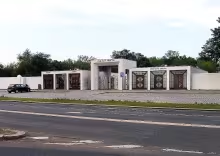
Ďáblice Cemetery, known as Ďáblický hřbitov in Czech, is a significant historical monument located in the northern part of Prague within the Ďáblice municipal district in Prague 8. Established between 1912 and 1914, it stands out for its size—being the second largest cemetery in Prague after Olšany Cemetery—and its architectural significance as one of the few examples of Cubist design applied to a cemetery. The site covers over 29 hectares (72 acres) and serves as both a valuable cultural monument and a historical testament to various periods, including World War II and the communist era in Czechoslovakia.
The origins of Ďáblice Cemetery are rooted in early 20th-century urban development efforts aimed at modernizing Prague's infrastructure. In 1912, plans were made for new municipal cemeteries around Prague to alleviate congestion at central Olšanské hřbitovy. Although only part of this plan was realized, Ďáblice Cemetery emerged as a crucial component in addressing public health concerns related to existing burial sites. Designed by architect Vlastislav Hofman, the cemetery reflects the Cubist architectural style prevalent during its construction period from 1912 to 1914.
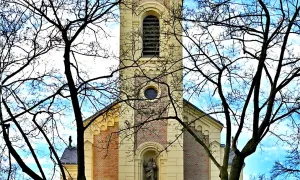
Architecturally, Ďáblice Cemetery is distinguished by its entrance pavilions designed in the Cubist style, a testament to Hofman's innovative vision. The site includes several notable features such as the Forest of Remembrance (Les vzpomínek), established in 2015, where urns containing ashes are buried at the base of growing trees. Additionally, an ecological burial site was introduced in 2023, reflecting contemporary approaches to sustainable burial practices.
Throughout its history, Ďáblice Cemetery has been a resting place for notable figures and victims from various eras. Since 1943, it has served as the final resting place for Czech individuals executed by Nazis or who died while fighting against them during World War II. The cemetery also contains unmarked graves of war criminals executed post-war trials, alongside mass graves holding thousands of victims of Nazism and communism, including those whose remains were used in academic autopsies.
In 2017, Ďáblice Cemetery was declared a national cultural heritage site of the Czech Republic, underscoring its historical and architectural significance. This designation highlights not only its role as a burial ground but also its importance as a monument reflecting the turbulent history of the region. The cemetery's status as a protected cultural monument since 1958 further emphasizes its enduring value.
Today, Ďáblice Cemetery remains an accessible site for visitors interested in exploring both its historical and architectural aspects. Its significance extends beyond being merely a burial ground; it serves as a poignant reminder of past struggles and sacrifices made by many individuals. The cemetery's unique design and rich history make it a compelling destination for those seeking to understand more about Prague's cultural heritage.
Visiting Ďáblice Cemetery offers an opportunity to reflect on the complex layers of history embedded within its grounds, from its architectural innovation to its role as a memorial site. It stands as a testament to resilience and remembrance, inviting visitors to explore and appreciate its significance in Czech history.
Historical milestones
- 1946
- K. H. Frank was buried here after being sentenced for war crimes during World War II.
- None
- The cemetery includes a memorial for fighters from the May Uprising of 1945 and victims of communism in the 1950s.
Architectural development
Ďáblický hřbitov was constructed between 1912 and 1914 in the Cubist architectural style. It features a scattering area with a new ceremonial hall, Les vzpomínek (Forest of Remembrance) established in 2015, and an ecological burial site opened in 2023.
Historical events
In 1925, the Municipal Office approved the location and size for three large cemeteries around Prague to alleviate central Olšanské hřbitovy. However, only part of this plan was realized.
The cemetery became a national cultural heritage site in 2017.
Points of interest
- The Ďáblický hřbitov features a unique Forest of Remembrance established in 2015, where urns are buried at the base of growing trees, symbolizing life and continuity amidst remembrance.
- Despite being designed during the early 20th century, Ďáblice Cemetery was only partially realized from its original plan to modernize Prague's burial infrastructure, highlighting a shift in urban development priorities over time.
Guide
Show guide text
Welcome to the Ďáblický hřbitov, a remarkable historical site nestled in the northern part of Prague on Střížkov. As you stand here, take a moment to absorb the serene atmosphere that surrounds this unique cemetery. The landscape unfolds before you with its thoughtful design and poignant memorials—a testament to both architectural innovation and deep cultural significance.
The Ďáblický hřbitov, originally known as Pražský ústřední hřbitov, was conceived in a period of great change at the dawn of the 20th century. Designed by the visionary architect Vlastislav Hofman between 1912 and 1914, it reflects the Cubist style that marked an era of modernity and experimentation in art and architecture. The cemetery's creation was driven by the need for a new burial site to serve the growing population of Prague, offering both functionality and beauty.
As you explore this space, notice how the architectural elements blend seamlessly with nature. Hofman’s design emphasizes simplicity and harmony, creating an environment where visitors can reflect in peace. The layout invites contemplation, with pathways leading through carefully manicured landscapes that guide your gaze towards significant monuments and memorials.
Among the many stories etched into the history of this site is the burial of K. H. Frank, a figure sentenced for war crimes during World War II, who was laid to rest here in 1946. The cemetery also serves as a poignant reminder of resistance and sacrifice with its memorial dedicated to fighters from the May Uprising of 1945 and victims of communism in the 1950s.
One of the most captivating features you’ll encounter is the Forest of Remembrance, established in 2015. This innovative space allows urns to be buried at the base of growing trees, symbolizing life and continuity amidst remembrance—a powerful testament to the cycle of life and memory that resonates deeply with visitors.
As your journey through Ďáblický hřbitov continues, take a moment to appreciate the interplay between history, architecture, and nature. Each step reveals more about the stories and lives connected to this sacred ground. We invite you to explore further, discovering hidden corners and reflecting on the narratives that have shaped this place.
Thank you for visiting Ďáblický hřbitov. May your exploration here leave you with a deeper appreciation of its historical significance and architectural beauty.
Businesses nearby
Accommodation nearby
Trips and activities nearby
Guided tours, tickets and activities nearby from GetYourGuide
Search tours and activities →Themed route
Ďáblický Cemetery and Nearby Attractions
1. Ďáblický Cemetery (Cemetery) Begin your tour at the Ďáblický Cemetery, one of the oldest and most famous cemeteries in Prague. This landmark is known for its historic gravestones and monuments representing various architectural styles from Baroque to Modernism. By exploring the cemetery, you can enjoy peaceful strolls among historical landmarks and delve into the rich cultural and historical past of Prague.
2. Church of St. Lawrence (Church) Continue your visit with the Church of St. Lawrence, located in the vicinity of Ďáblický Cemetery. This Baroque church is known for its simplicity and historical significance to the community of Střížkov. Its interior offers a tranquil atmosphere that complements the cemetery visit.
3. Memorial to the Victims of Tyranny (Monument) From wherever you return from the Church of St. Lawrence, you can visit the Memorial to the Victims of Tyranny. This monument is dedicated to victims of communist regimes and symbolizes the struggle for freedom and human rights. It is a place for reflection and honoring the memory of those who stood against injustice.
4. Střížkov Pond (Pond) The final stop on your tour can be Střížkovský Pond, which offers an opportunity to relax in a peaceful natural setting. The pond is ideal for a short walk or enjoying the surrounding scenery, perfectly concluding your visit day in the community of Střížkov.
This route offers a combination of historical and tranquil stops that allow you to understand both the rich past and present of Ďáblický Cemetery and its surroundings.
Seasonal recommendations
Spring: The Ďáblický hřbitov comes alive with vibrant colors and blossoming flowers during spring, creating a picturesque setting that enhances the historical ambiance of the cemetery. This season is characterized by mild temperatures and longer daylight hours, making it an ideal time for leisurely exploration. Visitors can enjoy the fresh scent of blooming flora while appreciating the serene atmosphere. It's advisable to wear comfortable walking shoes and layers, as mornings can be cool but afternoons warm up. Arriving early in the morning or later in the afternoon helps avoid larger crowds that tend to gather during midday.
Summer: Summer at Ďáblický hřbitov offers lush greenery and ample sunlight, casting a golden hue on the historic tombstones. The warmer weather invites visitors to spend more time outdoors, appreciating both nature and history under clear skies. However, this is also peak tourist season, so it's wise to visit early in the morning or late afternoon to avoid crowds. Wearing light, breathable clothing and sun protection is recommended, as well as staying hydrated during your visit.
Autumn: As autumn arrives, Ďáblický hřbitov transforms with a stunning display of fall foliage, painting the landscape in shades of orange, red, and gold. The cooler temperatures create a crisp and tranquil atmosphere perfect for reflection and photography. This season sees fewer visitors compared to summer, allowing for a more intimate experience. Dressing in layers is advisable as mornings can be chilly while afternoons remain mild. Carrying an umbrella or raincoat might also be wise due to the unpredictable weather.
Winter: Winter envelops Ďáblický hřbitov in a quiet and serene blanket of snow, offering a unique and contemplative experience. The cemetery takes on a mystical quality with its white-covered tombstones and bare trees against the winter sky. While visitor numbers decrease, those who do visit often find the atmosphere particularly peaceful. It's important to dress warmly in layers and wear sturdy boots for walking on potentially icy paths. Visiting during daylight hours is recommended due to shorter days, ensuring you have enough time to explore safely.
Visualizations and artistic views


Vizualizace jsou generovány umělou inteligencí a slouží jako inspirace.


Tips from visitors
No tips yet. Be the first!
Log in and add your tip.
Location on the map


Příběhy a pověsti
Legendy, pověsti a příběhy spjaté s touto památkou
Reviews and comments