






Dubí Transport plant
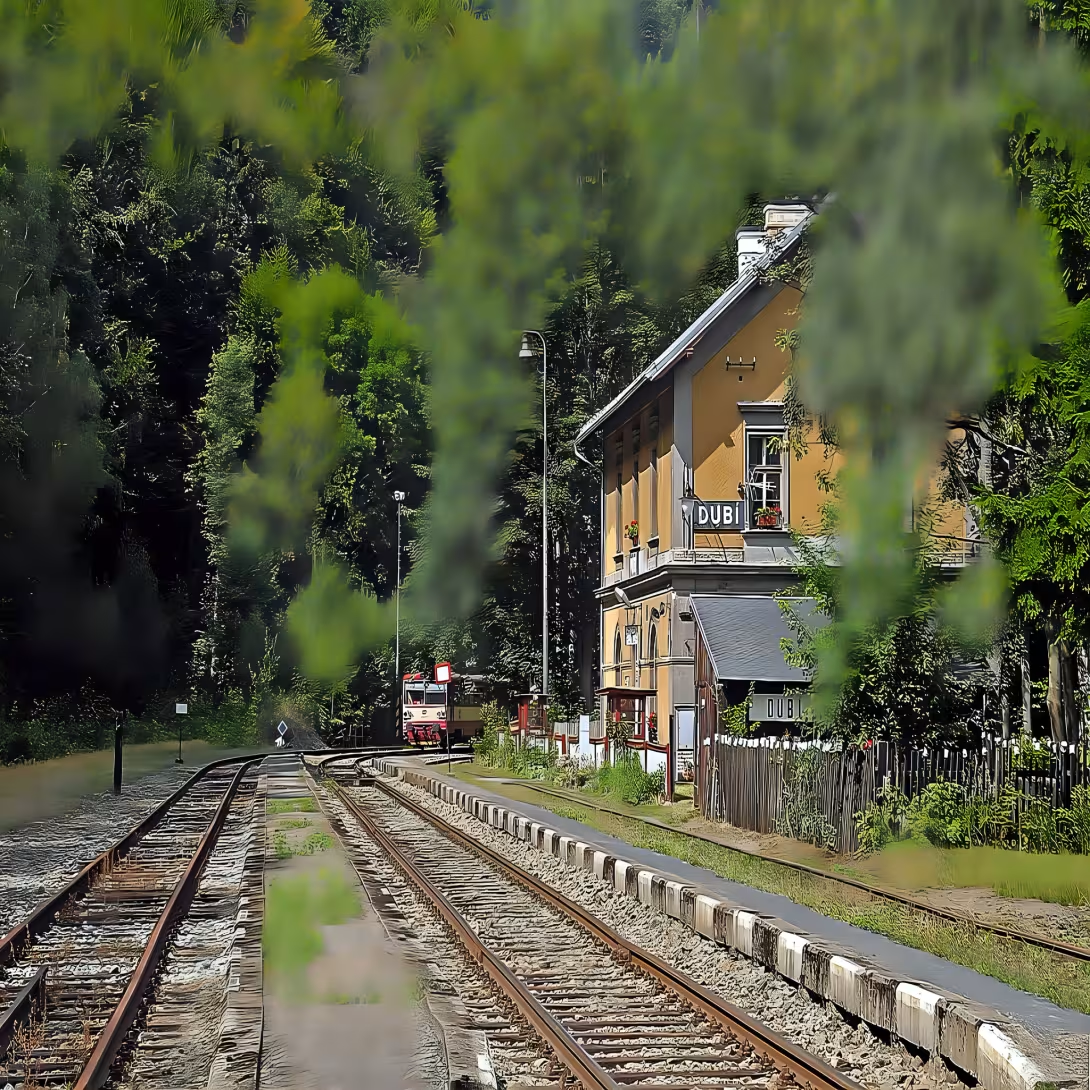
The Dubí railway station stands as a historical monument in Dubí, Teplice District, Ústecký Region, Czech Republic. Originally constructed for the Prague-Dux Railway line, it opened on December 6, 1884. The station has served both operational and cultural roles since then. It is notable for its architectural design and historical significance in connecting regions during Europe's rapid industrialization.
Built as part of late 19th-century railway expansions across Europe, Dubí railway station reflects significant technological advancements that enhanced connectivity and economic growth. It served as a crucial link between Hrob through Dubí to Moldau and further into Saxony.
Architecturally, the station was designed as an unstaffed halt following a standardized plan of its era. It features two uncovered level platforms typical for freight-focused stations. A notable feature once present was a 14.65-meter diameter turntable used to turn locomotives around. However, this turntable became buried due to landslides in the 1970s.
Ownership and management have evolved since its inception. Initially managed by Společnost c.k. privilegované Ústecko-teplické dráhy, financial challenges led to state intervention due to high costs and debt. After World War I, it came under Československé státní dráhy administration.
The station has been the site of several key events underscoring its historical significance. In March 1927, an aircraft crash occurred near the station due to poor visibility from fog, highlighting early aviation challenges. Another significant incident in 1945 involved a train crashing into a rock because the driver was unfamiliar with the track, illustrating operational risks of that period.
Today, Dubí railway station functions as both a museum and an occasional site for special events. Its historical architecture and role in regional connectivity make it a point of interest for visitors interested in industrial history. Located near the Zálužec stream and surrounded by the picturesque Moldau Mountains landscape, the station offers scenic views and proximity to other natural attractions within a five-kilometer radius.
The Dubí railway station is not only a testament to technological advancements of its time but also a cultural heritage site that continues to attract interest. Its historical significance and architectural features make it worth visiting for those exploring the rich industrial history of the Czech Republic.
Then and now
Drag the slider to compare how the landmark may have looked when it was built with the view today.
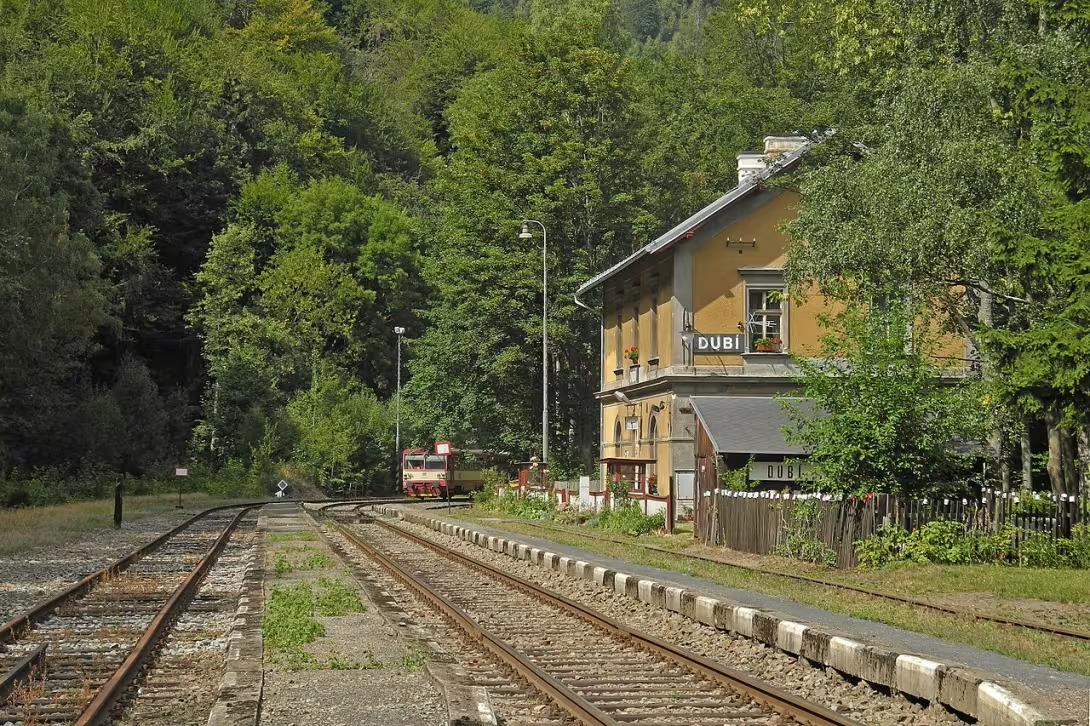

The historical appearance on the left is an AI-generated visualisation and serves as inspiration only.
Historical milestones
- 1884
- The station began operations as part of the Prague-Dux Railway line.
- 1927
- An aircraft crash occurred near the station due to fog.
- 1945
- A train crashed into a rock at the station because the driver was unfamiliar with the track.
Architectural development
Constructed as an unstaffed halt following a standardized design, the Dubí station features two uncovered level platforms. A turntable with a diameter of 14.65 meters was once located at the end of the track but became buried due to landslides in the 1970s.
Historical events
The station was opened on December 6, 1884, as part of a railway line connecting Hrob through Dubí to Moldau and further into Saxony. In March 1927, an aircraft crash occurred near the station due to poor visibility caused by fog. A significant accident happened in 1945 when a train driver unfamiliar with the track crashed into a rock at the station.
The railway line was nationalized definitively in 1892 and has been under various state railways' management since then.
Owners
Initially managed by Společnost c.k. privilegované Ústecko-teplické dráhy, the state took over financial responsibilities due to high costs and debt. After World War I, management transitioned to Československé státní dráhy.
Points of interest
- The Dubí railway station was originally constructed as part of the Prague-Dux Railway line, which played a significant role in connecting regions during Europe's rapid industrialization in the late 19th century.
- A unique feature of the station was its 14.65-meter diameter turntable used to turn locomotives around; however, this structure became buried due to landslides in the 1970s, adding an intriguing layer to its history.
- In March 1927, the area near Dubí railway station witnessed a notable aviation incident when an aircraft crashed nearby due to poor visibility from fog, highlighting early challenges faced by aviators.
- The station's management has seen several changes over time; after financial difficulties with Společnost c.k. privilegované Ústecko-teplické dráhy, it came under the administration of Československé státní dráhy following World War I.
- Today, Dubí railway station operates as both a museum and an occasional venue for special events, allowing visitors to explore its historical architecture and significance in regional connectivity.
Guide
This guide is narrated by a synthetic voice generated by artificial intelligence.
Show guide text
This text was created by artificial intelligence and has not been editorially reviewed. It may contain inaccuracies.
Welcome to the historic Dubí railway station, nestled in the charming town of Dubí within the Ústecký Region. As you stand here, imagine yourself stepping back in time to an era when steam engines roared and the air buzzed with anticipation for new journeys. This site is not just a testament to transportation history but also a captivating piece of architectural heritage.
The story of this station begins in 1884, as part of the vital Prague-Dux Railway line, which was instrumental during Europe's rapid industrialization in the late 19th century. The railway connected regions and facilitated trade and travel, marking an era of unprecedented connectivity. Dubí played a crucial role in this network, serving as a key junction for passengers and goods traversing through the Moldau Mountains.
As you look around, take note of the station's architecture, which reflects its historical significance. While specific architectural details are not extensively documented, the structure itself exudes an aura of bygone days with its robust build and timeless design elements that speak to its original purpose as a bustling hub on the railway line.
The history of Dubí is peppered with intriguing events and stories. In 1927, a mysterious aircraft crash occurred nearby due to dense fog—an event that adds a layer of mystery to this already fascinating site. Even more dramatic was the incident in 1945 when a train crashed into a rock at the station because the driver was unfamiliar with the track—a stark reminder of the challenges faced by those navigating these early railways.
One unique feature of the station, which you might find particularly interesting, is its impressive 14.65-meter diameter turntable. This engineering marvel was used to turn locomotives around, showcasing the ingenuity and technical prowess of the time.
As we conclude our journey here at Dubí railway station, I invite you to linger a moment longer, soaking in the atmosphere and imagining the countless stories that have unfolded on these tracks. Whether it's exploring more about its history or simply appreciating its architectural beauty, there is always something new to discover. Thank you for joining me today, and I hope this visit has inspired you to delve deeper into the rich tapestry of our shared heritage. Safe travels as you continue your exploration!
Frequently asked questions
Can the monument be visited?
We have not verified whether this monument is accessible. Please ask the owner or operator, or the local municipal office.
Where is the monument?
Location: Dubí, Ústecký kraj. The map on this page shows the exact spot.
Why is the monument protected?
It is listed in the Central List of Cultural Monuments of the Czech Republic as a cultural monument. It is protected as part of a larger listed ensemble.
Businesses nearby
Do you run a restaurant, accommodation, shop, museum, rental, wellness or other visitor service near this monument? Show yourself directly to the people heading to it — this is how they will see you in the app and on the web:
Nearby
Located near the Zálužec stream and surrounded by the picturesque landscape of the Moldau Mountains, Dubí offers scenic views and proximity to other natural attractions within a five-kilometer radius.
Accommodation nearby
Trips and activities nearby
Guided tours, tickets and activities nearby from GetYourGuide
Affiliate link: if you buy from the partner, we may receive a commission. The price for you does not change.
Search tours and activities →Themed route
Thematic Walking Tour: Dubí (Dopravna) and Surroundings
Welcome to a scenic journey through the charming village of Dubí, nestled in the picturesque landscape of the Moldau Mountains near the Zálužec stream. This tour will guide you through three captivating spots within a five-kilometer radius, offering both natural beauty and historical insights.
1. Dopravna (Railway Station) - Type: Historical Site - Why Visit: Begin your exploration at Dopravna, the heart of Dubí's railway heritage. This station is not only a functional transport hub but also a testament to the village’s historical connection with the rail network, offering insights into its past as an important stop on the local line.
2. Zálužec Stream - Type: Natural Attraction - Why Visit: A short walk from Dopravna will lead you to the serene banks of the Zálužec stream. This natural waterway is perfect for a peaceful stroll, surrounded by lush greenery and offering picturesque views that embody the tranquil beauty of the Moldau Mountains.
3. Moldau Mountains - Type: Scenic Landscape - Why Visit: Conclude your tour with an exploration of the surrounding Moldau Mountains. This area provides breathtaking vistas and a chance to immerse yourself in nature, ideal for hiking enthusiasts or anyone looking to enjoy the stunning landscapes that define this region.
This thematic walking tour offers a blend of history and natural beauty, allowing you to experience the essence of Dubí and its enchanting surroundings.
Seasonal recommendations
Spring: The arrival of spring at the Dubí (Dopravna) historical site brings a refreshing atmosphere as nature awakens from its winter slumber. Visitors can enjoy blooming wildflowers and lush greenery that frame the historic structures, creating picturesque landscapes ideal for photography. This season often sees fewer crowds compared to summer, allowing for a more serene exploration of the area. It's advisable to wear layers, as temperatures can vary throughout the day, with cooler mornings and warmer afternoons.
Summer: Summer at Dubí is vibrant, with long daylight hours providing ample time to explore the site thoroughly. The lush surroundings are in full bloom, offering an enchanting backdrop for visitors. This season attracts more tourists due to favorable weather conditions, so it's best to arrive early to avoid larger crowds and secure a good viewing spot. Comfortable walking shoes and light clothing are recommended, along with sun protection such as hats and sunscreen.
Autumn: Autumn at Dubí offers a stunning display of fall foliage, with vibrant reds, oranges, and yellows transforming the landscape into a breathtaking scene. The cooler temperatures make it an ideal time for leisurely walks through the site without the summer heat. As the days shorten, planning your visit earlier in the day ensures you can enjoy the full beauty of the autumn colors. Layered clothing is advisable to adjust to varying temperatures throughout the day.
Winter: Winter transforms Dubí into a serene and tranquil setting, with snow often blanketing the historic site, adding a magical touch to its already picturesque appearance. The colder weather means fewer visitors, providing a peaceful environment for those who appreciate quiet exploration. It's crucial to dress warmly in layers and wear sturdy boots to navigate potentially icy paths.
Visualizations and artistic views


The visualisations are generated by artificial intelligence and serve as inspiration.
Photos from the area
Real photos taken near the monument


Zdroj a licence jsou uvedeny u každého snímku.
View from the area
This animation was generated by artificial intelligence from a real photograph of the surroundings. The motion and details are not real footage of the location.
Tips from visitors
No tips yet. Be the first!
Log in and add your tip.
Sources and literature
Photos: SchiDD / CC BY-SA 4.0, rozlišení zvýšeno umělou inteligencí — Wikimedia Commons. The author and licence also appear when you hover over the image.
Location on the map





Příběhy a pověsti
Legendy, pověsti a příběhy spjaté s touto památkou

Příběh: Dubí
Bylo to v pondělí ráno, kdy Martin zjistil, že jeho obyčejný cestovní den na středověké dopravní stanici v Dubí se rychle proměňoval v nesmyslnou překvapení.…
Číst příběh
Pověst: Dubí
Staří obyvatelé Dubí vyprávějí, že jejich nádraží – to malé kamenné stavení se zrezivělými kolejemi ukrytými pod svahy Krušných hor – nikdy nebylo místem jak…
Číst příběhFotografie návštěvníků
Zatím žádné fotografie. Buďte první, kdo přidá fotografii z návštěvy!
Log in a přidejte svou fotografii nebo hodnoťte.
Za ověřenou návštěvu v aplikaci získáte víc bodů — poznáme podle GPS, že jste na místě.
Reviews and comments