






Důl Mauritius Mine
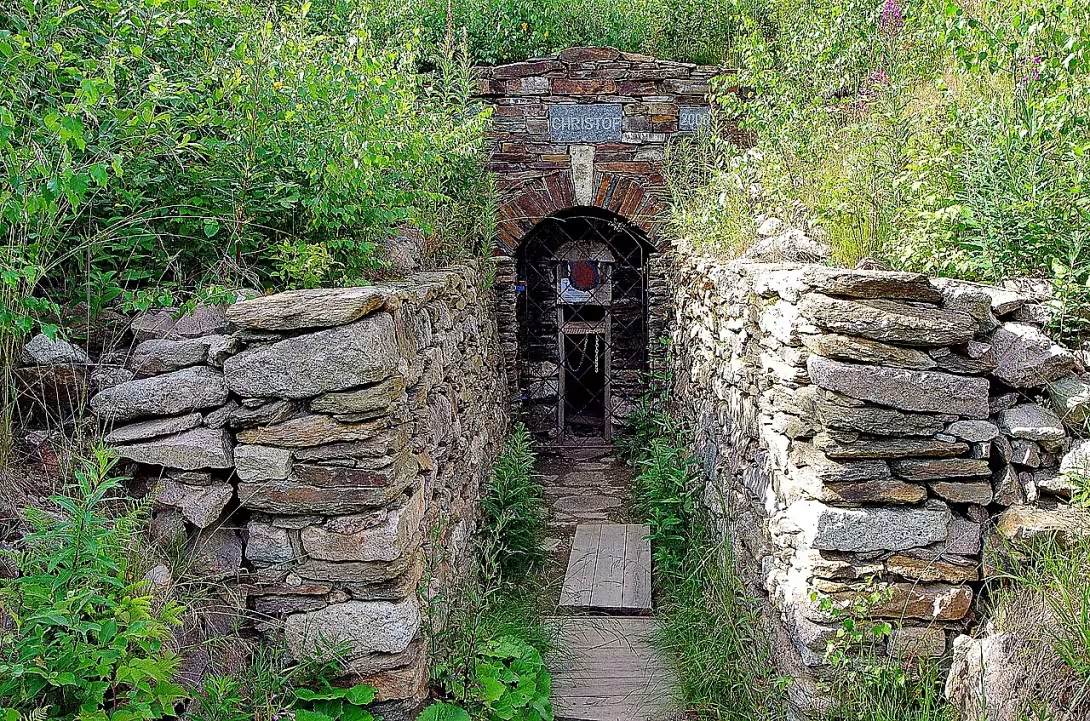
Důl Mauritius is located near the Stallion near Abertam in the Karlovy Vary district. Since 1964 it has been protected as a cultural monument, it has been listed as a national cultural monument in 2014 and has been made available to the public since that year. Part of the protected area of the mine is the Red Pit.
The mining of tin ore in this place began in the sixteenth century when the bearing opened with a system of shallow shafts. These shafts later became part of the Mauritius mine, which originally carried the name Behorov mine according to its first owner. Over time, the shaft reached a depth of eighty-four metres, where it was connected by the hereditary shaft Blasius ensuring drainage of the mine. On the surface there was an extensive industrial complex: ore crushing, tin smelting, arsenic smelting, forging and other operations. The intensity of mining was remarkable in the early years of the field - at least 8,000 tons of tin was extracted by the beginning of the seventeenth century.
After the 30-year war, the mining fell, but unlike the surrounding mines, it continued. 1 200 tonnes of tin was obtained in the period 1751-1810. After 1795, production decreased dramatically to five to ten tonnes per year. The modernisation in 1878 brought new equipment and electricity, but the economic results did not justify the investment. Regular operations were completed in 1891. The following decades have brought only maintenance of old works and exploratory activities. In 1936, the mine was sold by the British Continental Mining Company. After the connection of Sudet to Nazi Germany, the property had to be transferred to the German mining company. During World War II, the pit was deepened to 145 metres between 1941- 1944, but the recovery of mining did not take place and all the works ended in November 1944. The post-war geological survey revealed that the unextracted stocks amount to approximately 26,000 tonnes of 0,79% tin ore, from which 200 tonnes of pure metal could be obtained.
The Kryštof, which the city of Abertamy began to uncover in 2008, is open to the public. Two years later, it started work that made it possible to make it available to the public. The pile shall measure 272 metres in length and mouth to a large chamber of 65 × 4-9 × 15- 25 metres (length × width × height). Visitors can observe here by hand the gallows and visible traces of rock mining by means of a fire betting method. Schnepp's pinky is added to the surface of the mound. The mine is located on a red marked tourist route leading from Høeběčná to Bohemian Dar and is generally accessible to the public from first May to 15th October.
Then and now
Drag the slider to compare how the landmark may have looked when it was built with the view today.
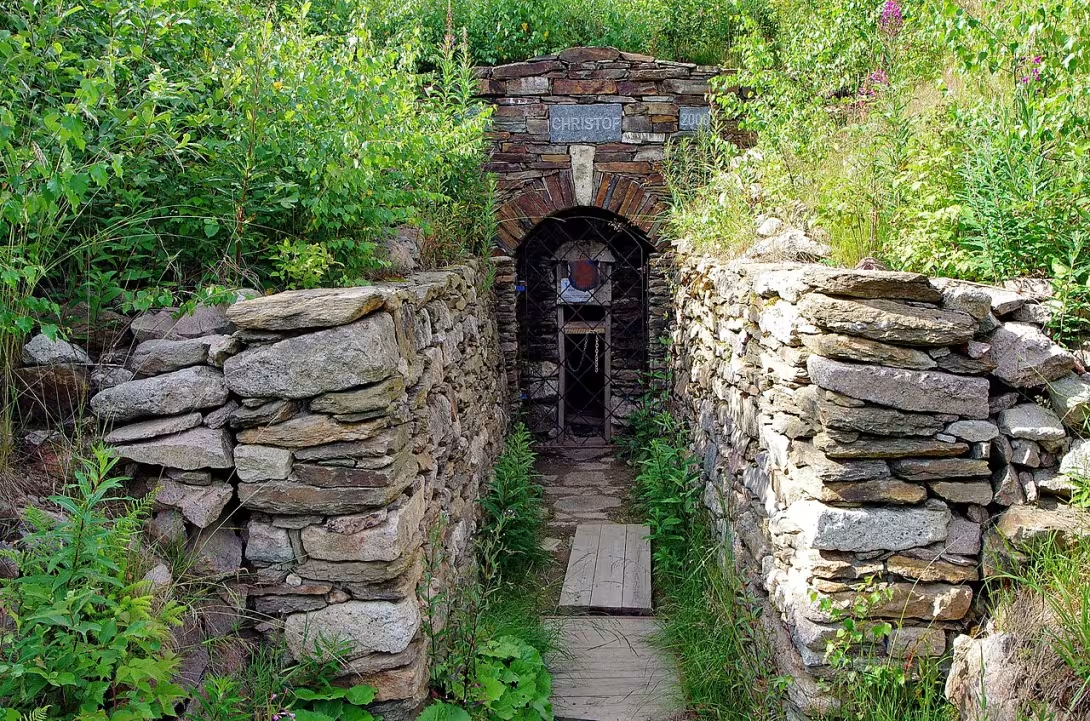

The historical appearance on the left is an AI-generated visualisation and serves as inspiration only.
Historical milestones
- 1540
- According to written sources, the mine dates from about 1540-1650 years.
- 1944
- Work on deepening the Mauritius pit was completed in November 1944.
Architectural development
The mine was extracted by a system of shallow shafts which later became part of the Mauritius mine. The shaft reached a depth of 84 metres and connected the hereditary shaft Blasius for drainage. In 1878 the equipment was modernised, in 1936 the Mauritius pit was deepened to a depth of 145 metres.
Historical events
- 1964
- The mine was protected as a cultural monument.
- 2014
- Listed on the list of national cultural monuments and made available to the public.
Owners
The mine was originally known as Behorov's mine, later transferred to Mauritius. In 1936, the Abertamian mining company sold the British Continental Mining mine, which subsequently transferred it to German mining companies after the connection of the Sudets to Nazi Germany.
Points of interest
- Důl Mauritius has been protected as a cultural monument since 1964 and has been listed as a national cultural monument in 2014.
- The mining of tin ore began in the 16th century when the bearing opened with a system of shallow shafts. By the beginning of the seventeenth century, at least 8,000 tonnes of tin were extracted.
- After 1795 production decreased dramatically to five to ten tonnes per year. Regular operations were completed in 1891.
- During World War II, the pit was deepened to 145 metres, but there was no recovery and all the work ended in November 1944. The post-war survey revealed unexploited stocks of around 26,000 tonnes of ore containing 0.79% tin.
- The Kryštof is open to the public, which the city of Abertamy began to uncover in 2008. The mine shall measure 272 metres in length and mouth to the chamber with dimensions 65 × 4-9 × 15- 25 metres.
Guide
Show guide text
This text was created by artificial intelligence and has not been editorially reviewed. It may contain inaccuracies.
Welcome to the mine of Mauritius, a mysterious witness to history, which is hidden in the picturesque landscape of the Stallion in the Karlovy Vary Region. You're standing in front of a extinct tin mine, where every stone and every cliff tells their story about the rich past of this area. You can see in front of you the stals of Christopher, which will invite you to explore their depths and tell you about the time when these valleys were fully alive.
Důl Mauritius has a varied historical context. According to written sources it dates from the years around 1540 to the middle of the 17th century, when the mining of tin ore developed in these parts of the Czech Mediterranean. This mine was part of a wider economic activity that included shallow shafts and primitive techniques to get into the depths of the country to valuable minerals. However, mining was not only about the economy; It was also part of the cultural heritage of this region that has evolved for centuries.
Look up at Kryštof's stalls. Note their robust structure and ruins of old production facilities, which are now only visible as traces of the past. These structures demonstrate the complex architecture that was necessary for the efficient extraction and processing of tin ore. Although particular architects are not known, their work stands as a monumental reminder of human efforts in the face of nature.
Key stories and personalities associated with this place are often overshadowed by anonymity, but their importance cannot be underestimated. Thousands of workers who went to the depths of the country to export tin and thereby contribute to the prosperity of the region are part of this heritage. Their incredible efforts were crucial for the development of the mining industry in this area.
An interesting fact is that the Mauritius mine has been protected as a cultural monument since 1964 and subsequently entered on the list of national cultural monuments in 2014. This protection helped preserve its historical value for future generations, allowing them to recognize and appreciate the work of their ancestors.
Now it's time for the next step in this path. Look around you, let the touching atmosphere of the extinct mine penetrate deep into your soul and enjoy this unique opportunity to explore part of our cultural heritage. If you like this place, feel free to look for other interesting places around.
Thank you for your visit and we hope that this guide has brought you a deeper understanding of the importance of this historic place. With God on other roads!
Tips for visitors
The best time to visit the Mauritius Mine is in the spring or autumn season when vegetation is less dense and light is ideal for photography. This time of year also offers mild weather compared to sunny summers.
Parking near the mine is not directly available, but it is possible to find parking in nearby municipalities. For those travelling by public transport, it is advisable to check the current connections by bus or train and plan the route accordingly.
When visiting, bring your protective shoes for a more comfortable walk on uneven terrain, sunglasses, protective clothing and plenty of drinking water. These measures ensure comfort during walking.
The best place for photography is inside the mine building, where historical structures and ceilings are preserved. The best light offers an early blow or late afternoon when the sun illuminates the ruins of the angle.
In the vicinity of the mine you can visit the Stallion and its natural beauty. For families with children, the location and the possibilities for camping can be an ideal experience for a day trip.
Frequently asked questions
Can the monument be visited?
Yes. We verified the opening hours or admission on the official website (13. 10. 2026); you will find them in the visitor information on this page. Please double-check with the operator before you travel.
What are the opening hours and admission?
Details verified on the official website (13. 10. 2026) are listed in the visitor information on this page. Official website: http://www.dulmauritius.cz/cs/
Where is the monument?
Location: Hřebečná, Karlovarský kraj. The map on this page shows the exact spot.
Why is the monument protected?
It is listed in the Central List of Cultural Monuments of the Czech Republic as a national cultural monument (register no. 382).
Businesses nearby
Do you run a restaurant, accommodation, shop, museum, rental, wellness or other visitor service near this monument? Show yourself directly to the people heading to it — this is how they will see you in the app and on the web:
Nearby
There are other interesting places and monuments in the surroundings of the Stallion. The Roundmountains are situated nearby, offering beautiful nature and tourist trips. It is also possible to visit the nearby city of Abertamy, known for its history of glass mining and production. The surrounding area offers many opportunities for exploring history and natural beauty.
Accommodation nearby
Trips and activities nearby
Guided tours, tickets and activities nearby from GetYourGuide
Affiliate link: if you buy from the partner, we may receive a commission. The price for you does not change.
Search tours and activities →Themed route
Thematic cruise route around Mauritius Mine
1.Důl Mauritius * Type: * Historical mines * Why is it worth visiting: * Důl Mauritius is one of the oldest and best preserved shaft mines in the Karlovy Vary region. Visit this mine to learn about the history of mining silver and gold dust in the 18th century. It is an ideal place for those who like historical monuments and want to understand the importance of mining for the region.
Hřebečná * Type: * Village * Why is it worth a visit: * After exploring the mine Mauritius take a look at the picturesque village Hřebečná where you can enjoy the quiet moments and view of the surrounding mountain paradise. The village is famous for its natural beauty and offers ideal conditions for relaxation after a difficult trip to the mine system.
3. Natural surroundings of the mine Mauritius * Type: * Nature * Why is it worth a visit: * Around the mine there are beautiful mountain landscapes that are ideal for short walks or picnics. This place offers views of the Karlovy Vary-Czech forest and is the perfect place for those who want to enjoy nature while immersing themselves in the history of the region.
4. The mine of Mauritius * Type: * Exposure * Why is it worth a visit: * In the courtyard of the mine you will find an exhibition that will introduce you to the technology and history of mining. Here you can see the old tools of miners and read about the lives of people who worked in the mine system. It's a great way to better understand the historical context of your trip.
5. Parking place at the Mauritius Mine * Type: * Parking lot * Why is it worth visiting: * Start or end your route at the parking spot at the mine. This place is ideal for those who arrived by car and want to comfortably recall a trip to the historical and natural environment of the Hřebečná area.
Seasonal recommendations
Spring: In the spring season, Důl Mauritius is transformed into a vibrant region where green grass and flowering shrubs add to the atmosphere of mild heat and freshness. Sun rays penetrate the trees, illuminating ruins in fine flashes, giving the place a romantic and quiet character. This time is ideal for visiting due to mild weather and medium crowds. It is recommended to wear comfortable clothes suitable for mild temperatures and a preparation with shoes that can handle possible moisture. The best time to visit is usually the afternoon when the sun doesn't frown.
Summer: Summer brings the mine of Mauritius a living light and a warm atmosphere that celebrates its historical structure in full glory. The sun's rays raise shadows from the ruins, making them the ideal place for photography. This season, areas around mining structures can become demanding due to high temperature and possible lack of shadows, so it is advisable to come early in the morning or late in the afternoon. Visitors should wear light clothes, protective sunglasses and plenty of drinking water. In the main summer season it is recommended to avoid Wednesday weeks due to large crowds.
Autumn: Autumn brings the Mauritius Mine changing leaf colors and mild temperatures that improve its atmosphere. Sun rays enter the ruins through trees with colored leaves, giving the place a melancholy and calm mood. This season is ideal for visiting due to the relative lack of crowds and pleasant temperatures. It is recommended to wear layered clothing that allows you to adapt to the rapid change of weather, and a expedition with shoes for troubled soil. The best times to visit are usually afternoon or evening.
Winter: Winter freezing conditions add a mystical and silent character to the Mauritius Mine, when the sun's rays penetrating the trees create special effects on its old walls. This season offers quiet moments without large crowds, but the weather can be challenging with low temperatures and possible snow. Visitors should wear warm clothes, a protective helmet for snow conditions and suitable shoes. The mine is often closed in winter months or has limited traffic, so it is important to know about the current condition before visiting. The best times to visit are usually at noon when the sun illuminates the rooms.
Visualizations and artistic views


The visualisations are generated by artificial intelligence and serve as inspiration.
Photos from the area
Real photos taken near the monument


Zdroj a licence jsou uvedeny u každého snímku.
Atmosphere of the place
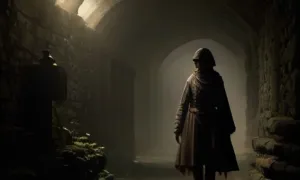
This atmospheric visualisation of the place and period was generated by artificial intelligence. It is not real footage of the location.
Tips from visitors
No tips yet. Be the first!
Log in and add your tip.
Sources and literature
Photos: Lubor Ferenc / CC BY-SA 4.0 — Wikimedia Commons. The author and licence also appear when you hover over the image.
Faktickým podkladem tohoto textu byl článek na Wikipedii, jehož autory jsou přispěvatelé Wikipedie. Článek je dostupný pod licencí CC BY-SA 4.0.
Location on the map
Příběhy a pověsti
Legendy, pověsti a příběhy spjaté s touto památkou
Fotografie návštěvníků
Zatím žádné fotografie. Buďte první, kdo přidá fotografii z návštěvy!
Log in a přidejte svou fotografii nebo hodnoťte.
Za ověřenou návštěvu v aplikaci získáte víc bodů — poznáme podle GPS, že jste na místě.
Reviews and comments