






Fürstenberský palác Palace
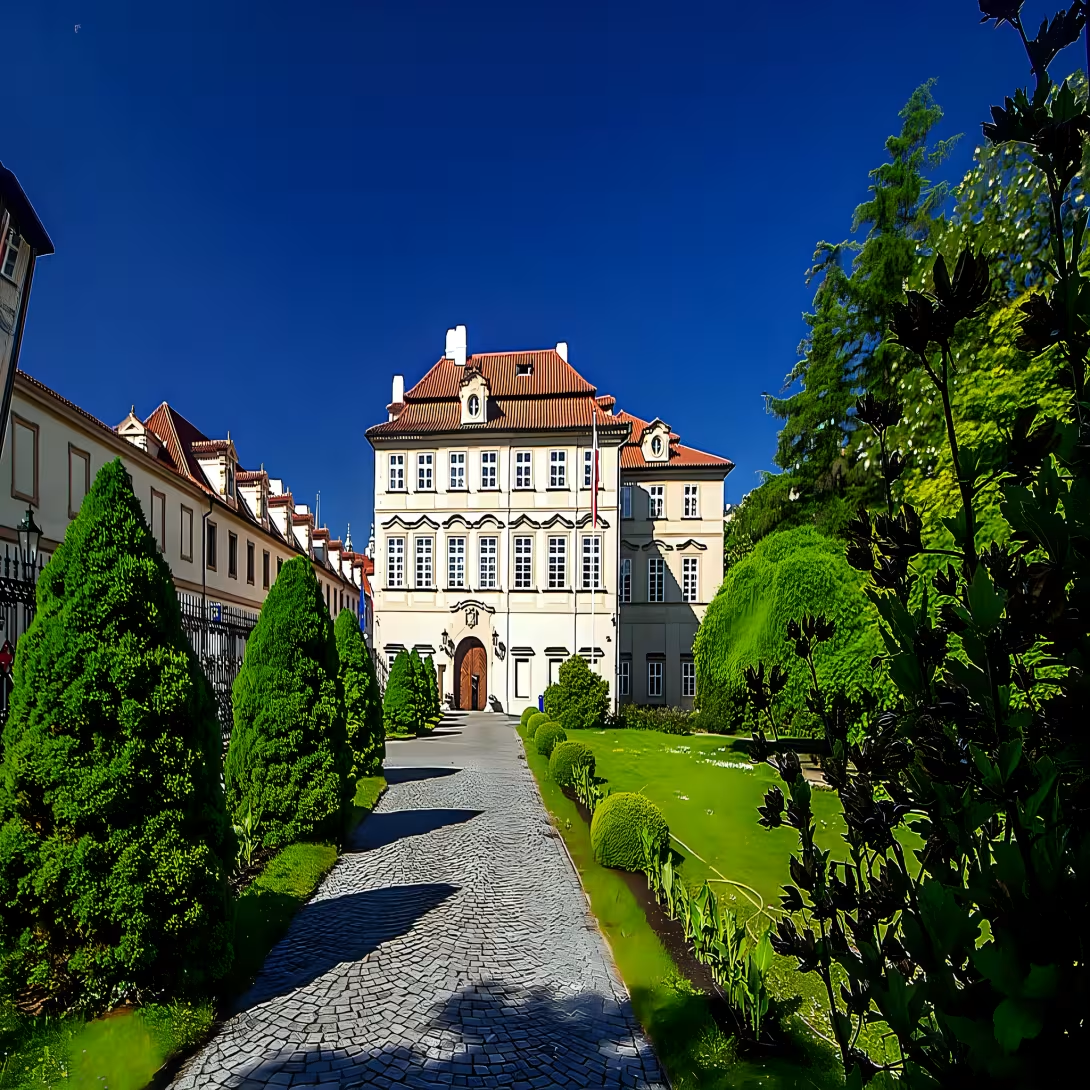
The Fürstenberský palác is a Renaissance palace in Prague's Malá Strana district, showcasing the city's rich architectural heritage. This historic monument has a rich history and has served as a diplomatic residence for over a century. It is a significant cultural monument and a popular tourist destination.
The palace was built in several stages between 1580 and 1600. Václav Berka z Dubé a Lipé purchased the land in 1580. The palace was later acquired by the hrabata z Vrbna in 1714. In the 18th century, Václav Kazimír Netolický z Eisenberka made significant changes to the building, giving it its current form. The palace underwent renovations and expansions in the 19th century.
The palace is a Renaissance building with a unique blend of architectural styles. The western wing features a large hall with a fresco by an unknown artist. The palace also boasts a beautiful Renaissance garden, considered one of the oldest and most beautiful gardens in Prague. The garden has undergone significant changes, including a restoration in the late 19th century after the storage of metal goods from the owner's factories damaged the garden.
Throughout its history, the palace has had several notable owners. Václav Berka z Dubé a Lipé purchased the land in 1580, followed by the hrabata z Vrbna in 1714. In 1822, the palace was acquired by Karel Egon z Fürstenberg, a well-educated man who was a member of the Royal Learned Society and later played a significant role in the establishment of the Czech National Museum. The palace was later acquired by the Czechoslovak state in 1920.
The palace features a unique fresco in the western wing and has been used as a diplomatic residence for over a century. Today, it is home to the Polish Embassy, and its interior is not open to the public. However, the palace's beautiful Renaissance garden is accessible to visitors, and a section of the palace's terasová zahrada has been open to the public since 2008.
The Fürstenberský palác is a significant cultural monument and a popular tourist destination. Its rich history, beautiful architecture, and stunning garden make it a must-visit attraction in Prague. Visitors can explore the palace's beautiful garden and admire its unique fresco, making it a truly unforgettable experience.
Then and now
Drag the slider to compare how the landmark may have looked when it was built with the view today.
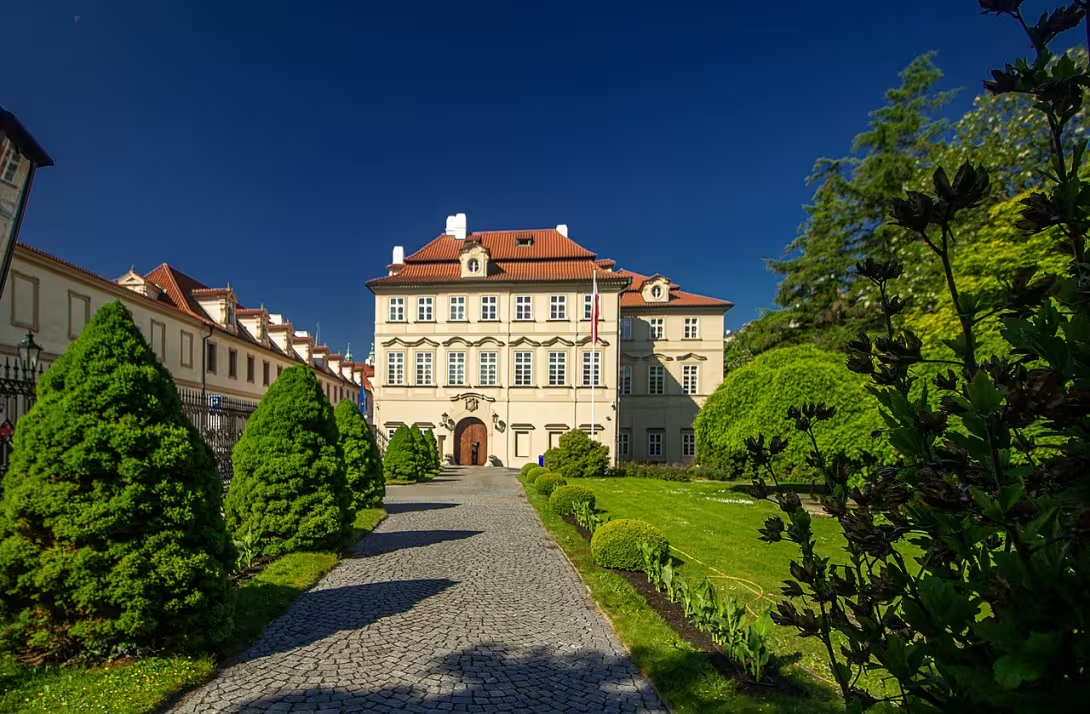
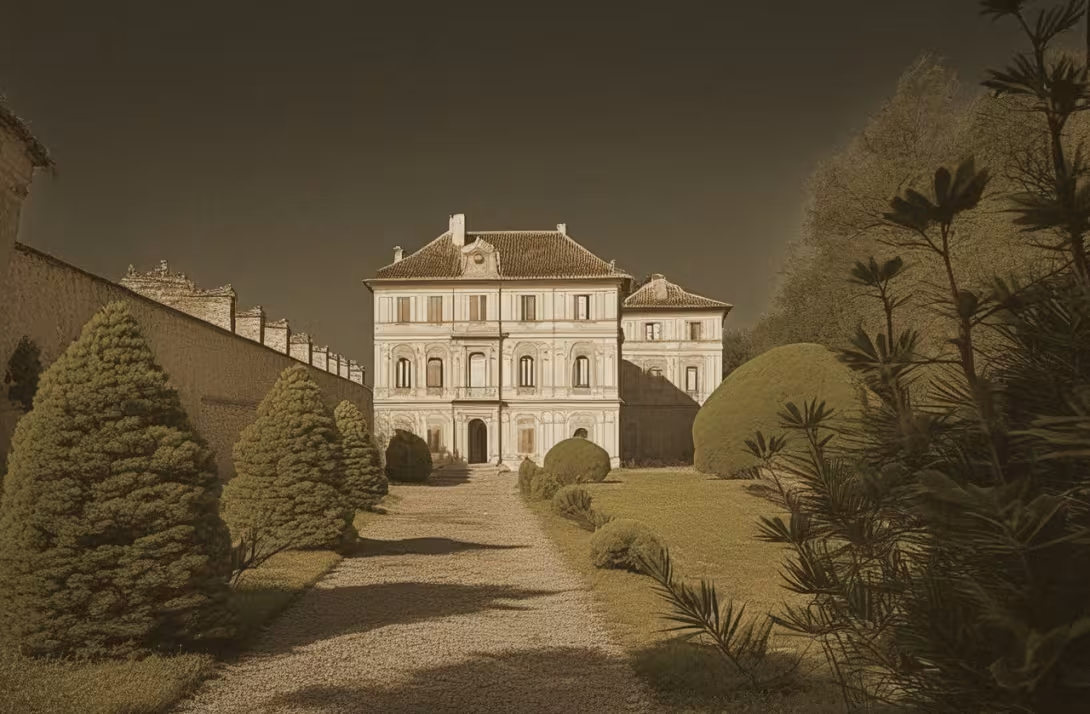
The historical appearance on the left is an AI-generated visualisation and serves as inspiration only.
Historical milestones
- 1580
- Václav Berka z Dubé a Lipé purchased the land
- 1714
- The palace was acquired by the hrabata z Vrbna
- 1822
- Karel Egon z Fürstenberg purchased the palace
- 1920
- The palace was acquired by the Czechoslovak state
Architectural development
The palace was built in several stages between 1580 and 1600. In the 18th century, Václav Kazimír Netolický z Eisenberka made significant changes to the building. The palace was later renovated and expanded in the 19th century.
Historical events
1580: Václav Berka z Dubé a Lipé purchased the land
1714: The palace was acquired by the hrabata z Vrbna
1822: Karel Egon z Fürstenberg purchased the palace
1920: The palace was acquired by the Czechoslovak state
Owners
Václav Berka z Dubé a Lipé (1580), hrabata z Vrbna (1714), Karel Egon z Fürstenbergu (1822), československý stát (1920)
Points of interest
– The Fürstenberský palác was originally built on a site where a medieval church once stood.
– The palace's beautiful Renaissance garden has undergone significant changes, including a restoration in the late 19th century after the storage of metal goods from the owner's factories damaged the garden.
– The palace was acquired by Karel Egon z Fürstenberg, a well-educated man who was a member of the Royal Learned Society and later played a significant role in the establishment of the Czech National Museum, in 1822.
Guide
This guide is narrated by a synthetic voice generated by artificial intelligence.
Show guide text
This text was created by artificial intelligence and has not been editorially reviewed. It may contain inaccuracies.
Welcome! You are standing in front of one of the most beautiful Renaissance palaces in Prague - the Fürstenberg Palace. Look up and observe the beautiful facade with its rich details. The palace is built in the Renaissance style, which characterizes its unique architecture. Notice how the palace opens towards the courtyard, creating a pleasant and tranquil space.
Let's delve into history. The palace has a rich past and was once home to many notable figures. In 1580, it was purchased by Václav Berka z Dubé a Lipé, who built the original palace here. He was followed by Václav Kazimír Netolický z Eisenberka, and eventually Karel Egon z Fürstenbergu, who acquired the palace in 1822. In 1920, the palace was transferred into the ownership of the Czechoslovak state.
Now turn your attention to the interior of the palace. The palace boasts a beautiful Renaissance courtyard that has undergone several changes over time. In the 19th century, it underwent restoration due to damage caused by storing metal goods from the owner's factories. Today, the courtyard is once again a beautiful and tranquil place where you can admire architectural details and feel the atmosphere of the past.
One of the most interesting things about the palace is that it was built on a site where there originally stood a medieval church. This adds unique historical value to the palace and enriches its rich past.
Now take some time to explore the palace and its beautiful Renaissance garden. The palace is truly a gem of Prague and is worth seeing. I hope you enjoyed this brief tour of the palace and appreciated its historical context and architecture.
Businesses nearby
Do you run a restaurant, accommodation, shop, museum, rental, wellness or other visitor service near this monument? Show yourself directly to the people heading to it — this is how they will see you in the app and on the web:
Events nearby

Zdroj akcí: otevřená data měst a obcí ČR (Národní katalog otevřených dat) a kalendář akcí Národního památkového ústavu.
Nearby
The palace is located in the Malá Strana district of Prague, surrounded by other historic buildings and landmarks.
Accommodation nearby
Trips and activities nearby
Guided tours, tickets and activities nearby from GetYourGuide
Affiliate link: if you buy from the partner, we may receive a commission. The price for you does not change.
Search tours and activities →Themed route
1. Kampa Park (park) The Kampa Park is a beautiful green oasis in the heart of Prague, perfect for a relaxing stroll or a picnic. Its picturesque views of the Vltava River make it a great spot to unwind.
2. St. Nicholas Church (kostel) The St. Nicholas Church is a stunning Baroque church that dates back to the 18th century. Its impressive architecture and beautiful interior make it a must-see attraction in the Malá Strana district.
3. Wallenstein Garden (zahrada) The Wallenstein Garden is a tranquil oasis in the heart of Prague, featuring beautiful gardens, fountains, and sculptures. It's a great place to escape the hustle and bustle of the city.
4. Fürstenberský palác (palác) The Fürstenberský palác is a stunning Baroque palace that dates back to the 18th century. Its impressive architecture and beautiful interior make it a must-see attraction in the Malá Strana district.
Seasonal recommendations
Jaro
In the spring season, Fürstenberg Palace is surrounded by blooming trees and flowers, creating a pleasant atmosphere. The lighting is mild, making it an ideal time to visit the palace in spring. We recommend visiting the palace in the morning or late afternoon to avoid crowds of tourists. Don't forget to bring suitable clothing for a nature walk.
Summer
In summer, Fürstenberg Palace is one of the most visited places in Prague. We suggest arriving early to avoid large crowds. The lighting is more intense, creating a pleasant environment for exploring the interior. Remember to bring sunglasses and a hat, as the sun can be strong.
Autumn
In autumn, Fürstenberg Palace is surrounded by beautiful fall foliage of trees. The atmosphere is calm and quiet, making it ideal for touring the palace. The lighting is mild, so autumn is an ideal time to visit the palace. We recommend visiting in the morning or late afternoon to avoid crowds.
Winter
In winter, Fürstenberg Palace is open only for a limited time, so we recommend visiting before it closes. The lighting is mild, making it an ideal time to visit the palace during winter. We suggest visiting with warm clothing, as the temperature inside the palace may be lower than outside.
Visualizations and artistic views


The visualisations are generated by artificial intelligence and serve as inspiration.
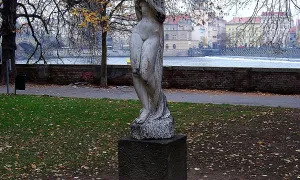
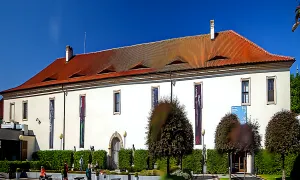
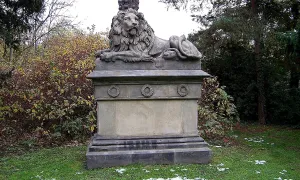
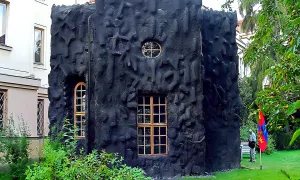
Photos from the area
Real photos taken near the monument

Zdroj a licence jsou uvedeny u každého snímku.
Tips from visitors
No tips yet. Be the first!
Log in and add your tip.
Sources and literature
Photos: VitVit / CC BY-SA 4.0, rozlišení zvýšeno umělou inteligencí — Wikimedia Commons. The author and licence also appear when you hover over the image.
Faktickým podkladem tohoto textu byl článek na Wikipedii, jehož autory jsou přispěvatelé Wikipedie. Článek je dostupný pod licencí CC BY-SA 4.0.
Location on the map

Příběhy a pověsti
Legendy, pověsti a příběhy spjaté s touto památkou

Fotografie návštěvníků
Zatím žádné fotografie. Buďte první, kdo přidá fotografii z návštěvy!
Log in a přidejte svou fotografii nebo hodnoťte.
Za ověřenou návštěvu v aplikaci získáte víc bodů — poznáme podle GPS, že jste na místě.
Reviews and comments