






kaple Jména Panny Marie (Mladotice) Chapel
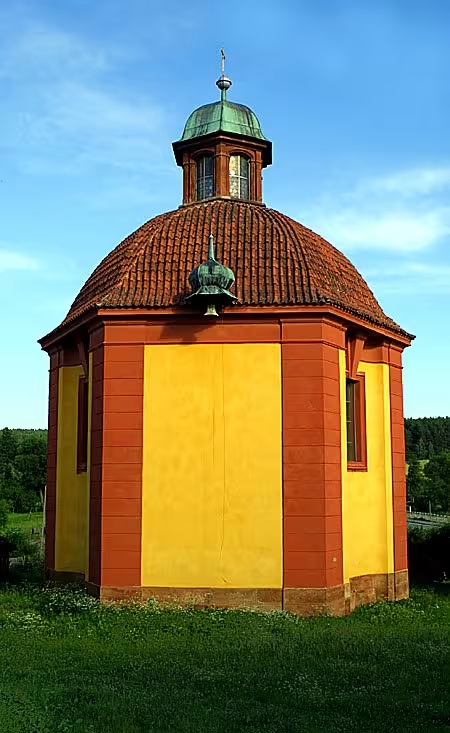
The Chapel of the Name of the Virgin Mary in Mladotice is a baroque architectural masterpiece designed by J. B. Santini-Aichel. Situated in the village of Mladotice within Northern Plzeňský kraj, this chapel has been recognized as a significant cultural monument since 1964 due to its intricate design and historical importance. Constructed between 1708 and 1710, it represents Santini's first project for the Cistercian monastery in Plasy, showcasing his unique architectural style.
The site of the Chapel boasts a rich history dating back to at least 1205 when the Cistercians acquired it from the Benedictine monastery in Kladruby. Initially, there was a Romanesque chapel dedicated to Saint Hedwig on this location. Over time, the original structure underwent several transformations and reconstructions, especially after being damaged during wars. By 1405, the Cistercians granted hereditary rights over Mladotice, including the chapel, to Martin, son of Přibík z Černé Hati. The chapel was later rededicated to Saint Catherine before its eventual demolition in 1707.
Architecturally, the Chapel is renowned for its baroque style and distinctive hexagonal star motif that defines both its exterior and interior design. The concave walls of the chapel's exterior and the light effects within create symbolic Marian imagery, particularly through the depiction of a twelve-pointed star. This intricate mathematical and iconographic program exemplifies Santini’s architectural prowess.
Ownership and administration of the chapel have seen dramatic changes over the centuries. Initially under the Cistercian monastery in Plasy, it faced periods of neglect during times when local populations turned to Protestantism. Following its demolition in 1707, Abbot Evžen Tyttl commissioned J. B. Santini-Aichel for a new design, leading to the chapel's consecration in 1710. After the dissolution of the monastery in 1785 under Joseph II, the chapel came under the administration of the religious fund.
The Chapel has witnessed several key events throughout its history. Notably, it served as a site for monthly religious services until the monastery’s closure. Despite plans to demolish it post-dissolution, local residents raised funds to preserve this cultural treasure, demonstrating their commitment to maintaining their heritage.
Today, the Chapel of the Name of the Virgin Mary in Mladotice stands as a testament to baroque architecture and Cistercian history. It remains accessible to visitors who wish to explore its unique design and historical significance. The chapel is not only an architectural marvel but also a symbol of cultural resilience, making it a worthwhile destination for those interested in European heritage.
Visitors are invited to experience the Chapel's serene beauty and delve into its storied past, appreciating both its artistic achievements and the enduring legacy of the community that preserved it through centuries.
Then and now
Drag the slider to compare how the landmark may have looked when it was built with the view today.
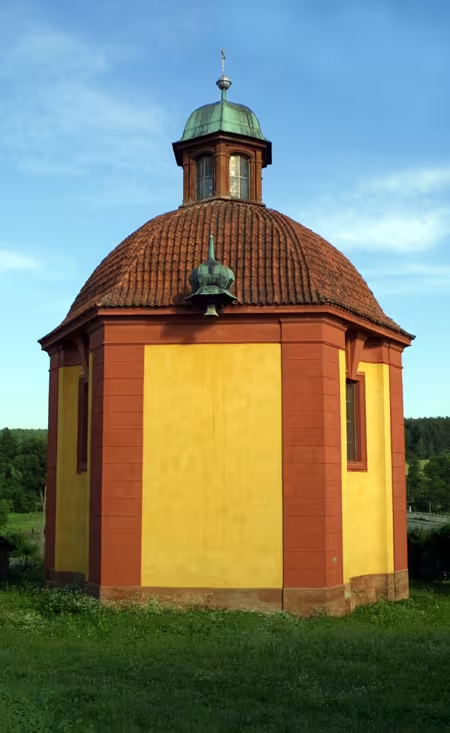
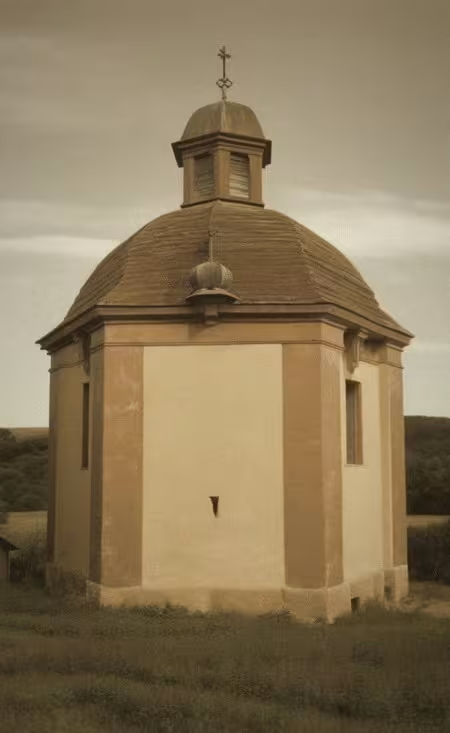
The historical appearance on the left is an AI-generated visualisation and serves as inspiration only.
Historical milestones
- 1205
- The Cistercians acquired the site from the Benedictine monastery in Kladruby.
- 1405
- Hereditary rights over Mladotice, including a chapel, were granted to Martin by the Cistercians.
- 1707
- The original Chapel of Saint Catherine was demolished.
- 1710
- The new baroque chapel was consecrated by Abbot Evžen Tyttl.
Architectural development
The original Romanesque chapel on this site was replaced by a baroque structure designed by J. B. Santini-Aichel in 1708-1710. The new chapel features a hexagonal star motif, with concave walls and light effects creating symbolic Marian imagery. It is an exemplary piece of late baroque architecture.
Historical events
The chapel was built on the site of an earlier Romanesque chapel dedicated to Saint Hedwig, acquired by Cistercians from the Benedictine monastery in Kladruby in 1205.
In 1405, the Cistercians granted Martin, son of Přibík z Černé Hati, hereditary rights over Mladotice, including a chapel.
The original chapel was likely damaged during wars and rebuilt by the Cistercians, who rededicated it to Saint Catherine.
In 1707, the dilapidated Chapel of Saint Catherine was demolished, paving the way for the new baroque chapel.
Owners
Cistercian monastery in Plasy
Points of interest
- The Chapel of the Name of the Virgin Mary was originally dedicated to Saint Hedwig before being rededicated to Saint Catherine, showcasing a fascinating shift in religious focus over time. - Despite plans for demolition after the dissolution of the Cistercian monastery in 1785, local residents successfully raised funds to preserve the chapel, highlighting their dedication to cultural heritage. - The unique hexagonal star motif on both the exterior and interior is not just an architectural feature but also creates symbolic Marian imagery, particularly through a twelve-pointed star that reflects Santini’s blend of mathematics and iconography. - J. B. Santini-Aichel's first project for the Cistercian monastery was this chapel, marking the beginning of his influential career in baroque architecture with its distinctive style. - The site has been under various administrative changes over centuries, from being part of a monastery to coming under the administration of the religious fund after 1785, reflecting broader historical shifts in church and state relations.
Guide
This guide is narrated by a synthetic voice generated by artificial intelligence.
Show guide text
This text was created by artificial intelligence and has not been editorially reviewed. It may contain inaccuracies.
Welcome to the Chapel of the Name of the Virgin Mary in Mladotice, a stunning baroque masterpiece designed by J.B. Santini-Aichel. As you stand here, take a moment to absorb the serene atmosphere surrounding this historic structure nestled in the heart of Plzeňský kraj.
The origins of this chapel are deeply rooted in history. The site was originally acquired by the Cistercians from the Benedictine monastery in Kladruby as early as 1205. Over time, it evolved significantly. By 1405, hereditary rights over Mladotice were granted to Martin by the Cistercians, marking a new chapter for this sacred location. The original Chapel of Saint Catherine, which stood here until its demolition in 1707, was replaced with this magnificent baroque structure. In 1710, Abbot Evžen Tyttl consecrated the newly built chapel, setting the stage for centuries of spiritual significance.
As you gaze upon the chapel now, notice how it seamlessly blends into the surrounding landscape while standing out as a beacon of architectural brilliance. J.B. Santini-Aichel's design is evident in its intricate mathematical and iconographic programs, which are characteristic hallmarks of his work. The hexagonal star motif adorning the structure invites you to explore further and appreciate the meticulous craftsmanship that defines this baroque marvel.
The chapel has witnessed fascinating shifts in religious focus over time. Originally dedicated to Saint Hedwig, it was later rededicated to Saint Catherine before finally being named after the Virgin Mary. This evolution reflects not only changes in spiritual priorities but also the rich tapestry of stories woven into its very fabric.
An intriguing aspect of this chapel's history involves a dramatic turn of events following the dissolution of the Cistercian monastery in 1785. Plans were made to demolish it, yet local residents stepped forward to preserve what they considered an invaluable piece of their heritage. This act of preservation highlights the deep connection and reverence the community holds for this sacred site.
As you conclude your visit here, we invite you to continue exploring Mladotice and its surroundings, where history and beauty intertwine in every corner. Thank you for joining us on this journey through time at the Chapel of the Name of the Virgin Mary. We hope it has inspired a deeper appreciation for the stories and artistry that make this place truly special.
Tips for visitors
The best time to visit the Chapel of the Name of the Virgin Mary in Mladotice is during late spring or early autumn. During these seasons, the Bohemian countryside surrounding the chapel offers a picturesque setting with lush greenery and vibrant colors, enhancing your experience. Additionally, visiting outside peak tourist season ensures fewer crowds, allowing for a more intimate appreciation of Santini-Aichel's baroque masterpiece.
Parking is available near the chapel, but it’s advisable to check in advance as spaces can be limited during busy times. Public transportation options are also accessible; however, specific routes and schedules should be verified through local transit resources or online search tools. This flexibility allows you to choose the most convenient option for your visit.
When planning your visit, consider bringing comfortable walking shoes, especially if exploring the surrounding countryside. A camera is recommended to capture the chapel’s intricate architectural details and the serene landscape. Since lighting can vary throughout the day, early morning or late afternoon visits are ideal for photography, offering softer light that highlights the chapel's features.
For families with children, the area around Mladotice offers a pleasant environment for exploration. The nearby rolling hills and agricultural fields provide opportunities for leisurely walks or picnics. Additionally, the historical region of Northern Plzeňský kraj is within reach, offering further cultural experiences that can enrich your visit.
In terms of what to see nearby, consider visiting the Cistercian monastery in Plasy, which is approximately 30 minutes away. This historic site offers a glimpse into monastic life and features additional architectural works by Santini-Aichel. Exploring this area provides context to the chapel's design and its connection to the broader historical landscape.
Businesses nearby
Do you run a restaurant, accommodation, shop, museum, rental, wellness or other visitor service near this monument? Show yourself directly to the people heading to it — this is how they will see you in the app and on the web:
Events nearby

Zdroj akcí: otevřená data měst a obcí ČR (Národní katalog otevřených dat) a kalendář akcí Národního památkového ústavu.
Nearby
The chapel is located in Mladotice, near the historical region of Northern Plzeňský kraj. The surrounding landscape includes typical Bohemian countryside with rolling hills and agricultural fields.
Accommodation nearby
Trips and activities nearby
Guided tours, tickets and activities nearby from GetYourGuide
Affiliate link: if you buy from the partner, we may receive a commission. The price for you does not change.
Search tours and activities →Themed route
Thematic Walking Tour: Mladotice and the Chapel of Our Lady
1. Chapel of Our Lady (Mladotice) *Type:* Religious Site *Why Visit:* Begin your journey at this serene chapel, dedicated to Our Lady, nestled in the heart of Mladotice. Its quaint architecture and peaceful surroundings offer a glimpse into the spiritual heritage of Northern Plzeňský kraj. This site serves as both the starting point and centerpiece of our tour.
2. Bohemian Countryside Walk *Type:* Scenic Route *Why Visit:* Embark on a leisurely walk through the rolling hills and picturesque agricultural fields surrounding Mladotice. The Bohemian countryside provides an idyllic setting to appreciate nature's beauty, with panoramic views that change subtly as you explore the gentle landscape.
3. Local Farmsteads *Type:* Cultural Experience *Why Visit:* As you continue your walk, take a moment to observe and perhaps interact with local farmsteads dotting the countryside. These farms offer insight into traditional agricultural practices in the region, showcasing how locals have harmoniously lived with and cultivated the land for generations.
4. Historical Village Center of Mladotice *Type:* Cultural Site *Why Visit:* Conclude your tour by exploring the historical village center of Mladotice. Wander through its charming streets to experience the local architecture and community life that have been preserved over time, providing a rich cultural context to complement your visit to the chapel.
This thematic walking tour offers a harmonious blend of spiritual reflection, natural beauty, and cultural exploration, all within the enchanting setting of Mladotice.
Seasonal recommendations
Spring: Visiting the Kaple Jména Panny Marie (Mladotice) during spring offers a serene experience as nature awakens around this historic site. The landscape surrounding the chapel is adorned with blooming flowers and budding trees, creating a picturesque setting that enhances the tranquil atmosphere of the area. Visitors can enjoy gentle breezes and mild weather, making it an ideal time for leisurely strolls. While the chapel itself may not have specific lighting or events during this season, the natural beauty provides its own enchanting backdrop. Practical tips include wearing comfortable walking shoes suitable for exploring outdoor paths and bringing a light jacket in case of cooler mornings.
Summer: Summer is the peak season to visit Kaple Jména Panny Marie (Mladotice), when longer daylight hours offer ample time to explore both the chapel and its surroundings. The lush greenery and vibrant flora create a lively atmosphere, perfect for outdoor enthusiasts looking to combine their cultural interest with nature walks or picnics nearby. However, it's wise to anticipate larger crowds during this popular period, so arriving early in the day can help avoid peak visitor times. Dressing in light clothing is advisable due to warmer temperatures, and carrying water and sunscreen will ensure a comfortable visit.
Autumn: Autumn brings a unique charm to Kaple Jména Panny Marie (Mladotice), as the changing leaves create a stunning tapestry of reds, oranges, and yellows around the chapel. The cooler weather provides a crisp backdrop that enhances the historical ambiance of the site, making it an ideal time for photography or quiet reflection. This season generally sees fewer visitors than summer, allowing for a more peaceful experience. Visitors should dress in layers to accommodate fluctuating temperatures throughout the day and consider bringing a hat or gloves for added comfort during cooler afternoons.
Winter: The winter months transform Kaple Jména Panny Marie (Mladotice) into a serene haven with its snow-covered surroundings, offering a quiet and contemplative atmosphere. While the chapel itself may not have special lighting, the soft glow of daylight reflecting off the snow can create a magical setting for those seeking solace or inspiration during the colder months. It's important to note that visiting hours might be shorter due to weather conditions, so checking in advance is recommended. Dressing warmly with thermal layers and sturdy footwear is essential to ensure comfort during your visit, as temperatures can drop significantly.
Visualizations and artistic views


The visualisations are generated by artificial intelligence and serve as inspiration.
Photos from the area
Real photos taken near the monument

Zdroj a licence jsou uvedeny u každého snímku.
Tips from visitors
No tips yet. Be the first!
Log in and add your tip.
Sources and literature
Fotografie: Adam Hauner / CC BY-SA 3.0 — Wikimedia Commons. The author and licence also appear when you hover over the image.
Faktickým podkladem tohoto textu byl článek na Wikipedii, jehož autory jsou přispěvatelé Wikipedie. Článek je dostupný pod licencí CC BY-SA 4.0.
Location on the map
More monuments – Mladotice
Show all in the municipality


Příběhy a pověsti
Legendy, pověsti a příběhy spjaté s touto památkou

Příběh: kaple Jména Panny Marie (Mladotice)
Bylo to v pondělí ráno, kdy Martin z Mladotic našel sebe největší potřebou u boku kaple Jména Panny Marie, jejíž stěny již začínaly rozsvítit slunečním paprs…
Číst příběh
Pověst: kaple Jména Panny Marie (Mladotice)
Traduje se, že v dobách, kdy se po mladotických cestách hnaly stáda husí a z komínů selských stavení stoupal dým vonící čerstvě pečeným chlebem, žil v obci r…
Číst příběhFotografie návštěvníků
Zatím žádné fotografie. Buďte první, kdo přidá fotografii z návštěvy!
Přihlaste se a přidejte svou fotografii nebo hodnoťte.
Za ověřenou návštěvu v aplikaci získáte víc bodů — poznáme podle GPS, že jste na místě.
Reviews and comments