






kaple Panny Marie Šancovské na Vyšehradě Chapel
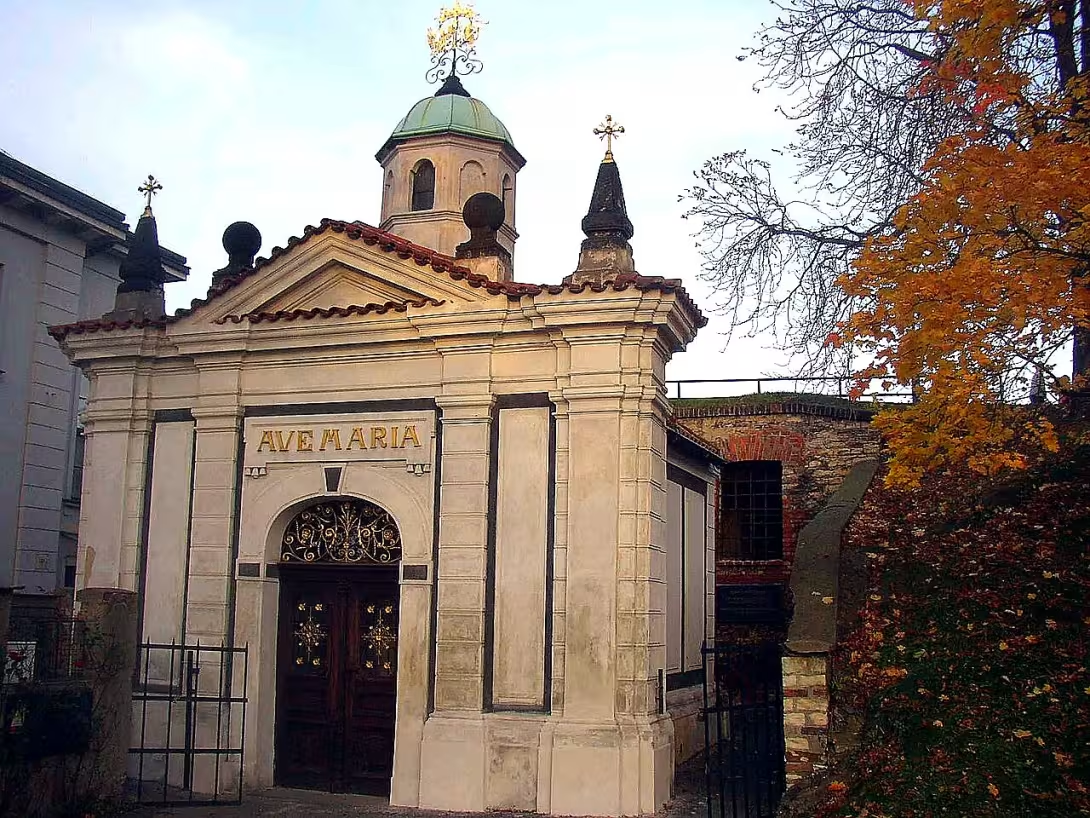
The Chapel of Our Lady on the Ramparts, also known as the Chapel of Our Lady Šancovská, is a baroque chapel located in the historic Vyšehrad area of Prague. Situated near an older church dedicated to St. John the Baptist, it was constructed using parts from this former structure. The chapel is renowned for its miraculous statue of Madonna, carved by Michal Hoch in 1725, which holds significant religious importance.
Built during the mid-18th century under Habsburg rule, Bohemia experienced cultural and architectural growth influenced by the Catholic Church's Counter-Reformation efforts. Initially constructed near the site of a ruined church dedicated to St. John the Baptist, the chapel incorporated parts of this older structure. The miraculous statue became central to its religious significance.
Architecturally, the Chapel began as a baroque structure built from remnants of an earlier church. It expanded in 1764, reflecting evolving architectural styles. During military use, it served various secular purposes, including storage and housing for the poor. In 1882, after being repurposed by the Austrian army during Josephinian reforms, the chapel was reacquired by the Vyšehrad chapter and reconstructed in a neobaroque style.
Ownership of the Chapel has changed significantly over time. Initially under ecclesiastical control, it was secularized in 1787 as part of the Josephinian reforms and repurposed for military use until its reacquisition by the Roman Catholic parish of Praha-Vyšehrad in 1882. This transition reflects broader historical shifts within the region.
Key events include its consecration in 1746 as the Church of Our Lady of Loreto and St. John the Baptist, marking a significant moment in its religious life. However, during the Josephinian reforms in 1787, it was secularized and repurposed by the army, leading to a period of decline until its restoration in 1882.
Today, the Chapel is part of the Vyšehrad area, which includes other historical sites such as the Basilica of St. Peter and Paul. It stands as a protected national cultural monument, reflecting its enduring significance within Prague's architectural heritage. Visitors can explore this site to appreciate its baroque architecture and understand its place in Bohemian history.
The Chapel of Our Lady on the Ramparts is more than an architectural relic; it embodies centuries of religious devotion, historical transformations, and cultural resilience. Its preservation as a national cultural monument underscores its importance not only to Prague but also to the wider narrative of European history. Visitors are invited to explore this site to experience firsthand the rich tapestry of stories woven into its walls.
Then and now
Drag the slider to compare how the landmark may have looked when it was built with the view today.
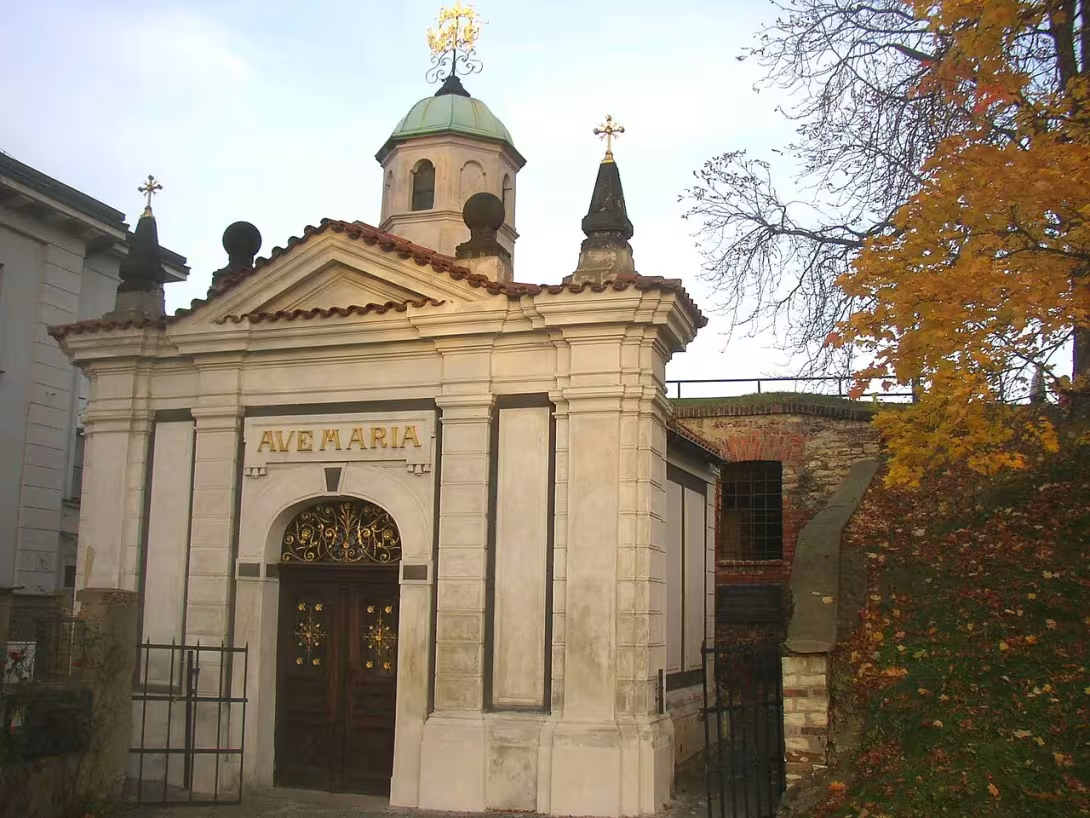
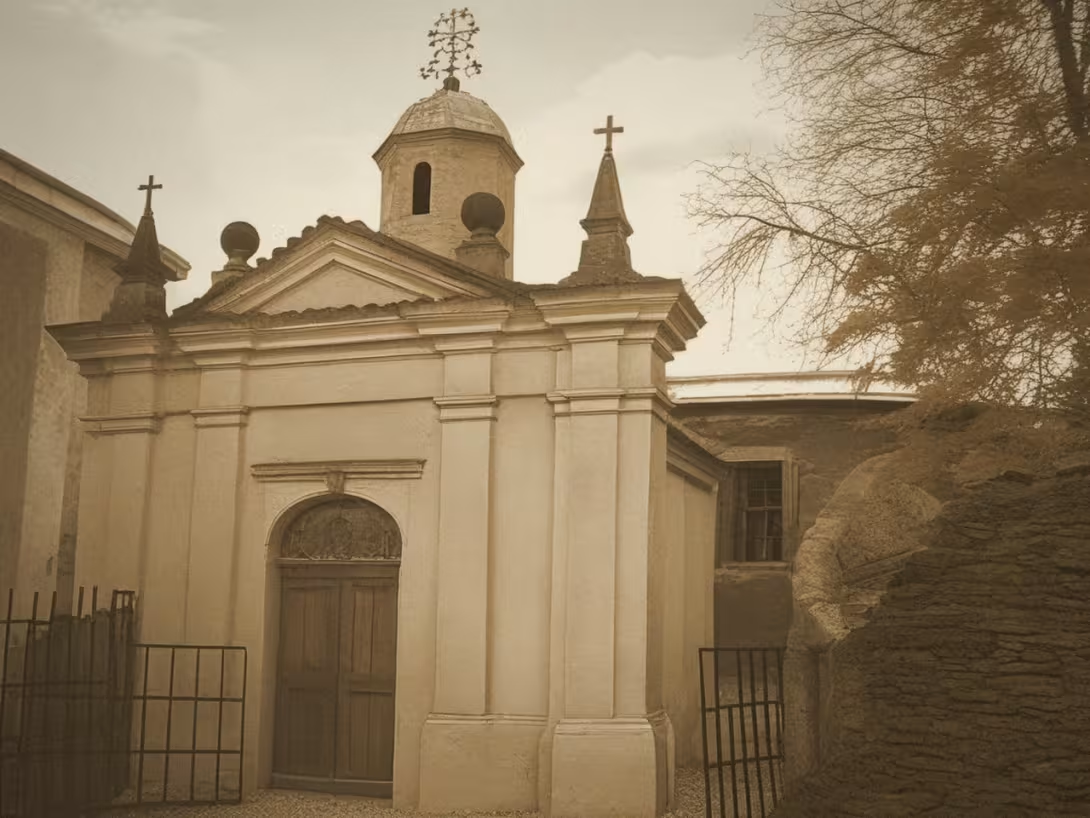
The historical appearance on the left is an AI-generated visualisation and serves as inspiration only.
Historical milestones
- 1725
- Michal Hoch carved the miraculous Madonna statue.
- 1746
- Chapel consecrated as Church of Our Lady of Loreto and St.
Architectural development
The chapel's construction began in the mid-18th century as a baroque structure built from parts of an older church. It underwent expansion in 1764 and significant changes during its time under military use, including serving various secular purposes. In 1882, it was restored to ecclesiastical ownership and reconstructed in a neobaroque style.
Historical events
- 1746
- The chapel was consecrated as the Church of Our Lady of Loreto and St. John the Baptist.
- 1787
- During Josephinian reforms, the church was secularized and repurposed by the army.
Guide
This guide is narrated by a synthetic voice generated by artificial intelligence.
Show guide text
This text was created by artificial intelligence and has not been editorially reviewed. It may contain inaccuracies.
Welcome to the historic Vyšehrad area in Prague, where you now stand before the enchanting Chapel of Our Lady on the Ramparts, also known as the Chapel of Our Lady Šancovská. This baroque chapel is a testament to history and artistry nestled within the storied walls of Vyšehrad.
The origins of this chapel trace back to 1725 when Michal Hoch carved the miraculous Madonna statue that would become its centerpiece. The site itself was chosen for its historical significance, originally built using parts from an older church dedicated to St. John the Baptist—a common practice in baroque architecture where materials were repurposed for new constructions.
As you gaze upon this chapel, take a moment to appreciate its architectural details. Although the specific architects remain unknown, the structure reflects the evolving styles of its time. The chapel was consecrated in 1746 as the Church of Our Lady of Loreto and St. John the Baptist. By 1750, construction began on what would become this iconic site, with expansions following in 1764 to reflect changing architectural tastes.
The chapel's history is marked by transformation—most notably during the Josephinian reforms in 1787 when it was secularized and repurposed by the Austrian army. However, its spiritual significance endured, leading to its reacquisition by the Vyšehrad chapter in 1882. It was then reconstructed in a neobaroque style that you can still admire today.
Michal Hoch remains a key figure tied to this chapel through his creation of the miraculous Madonna statue, which continues to draw visitors with its spiritual allure. The story of this statue and the chapel's resilience over centuries adds layers of intrigue and reverence to your visit.
An interesting aspect of this site is how it reflects broader historical narratives—its transformation from a place of worship to military use and back again speaks volumes about the shifts in societal and religious landscapes over time.
As you continue exploring, I invite you to delve deeper into the chapel's surroundings. The Vyšehrad area holds many more stories waiting to be discovered. Thank you for joining me on this journey through history, and may your exploration of Prague's rich past bring you inspiration and wonder.
Tips for visitors
The best time to visit the Chapel of Our Lady on the Ramparts is during late spring or early autumn when the weather is pleasant, allowing for comfortable exploration of both the chapel and its surrounding areas. These seasons offer mild temperatures and fewer crowds compared to summer, enhancing your experience as you enjoy the panoramic views over Prague from nearby Vyšehrad Castle.
Parking near the Vyšehrad area can be limited, so it's advisable to use public transportation or park in designated lots further away and walk to the site. The chapel is accessible by tram lines that serve the Vyšehrad area; check a local transit app for current routes and schedules. Walking from the nearby metro station provides a scenic approach to the historic district.
When visiting, consider bringing comfortable walking shoes as you'll likely explore more than just the chapel itself. A light jacket or sweater is recommended due to variable weather conditions in Prague, especially during spring and autumn. Don't forget your camera for capturing the stunning views from Vyšehrad Castle and the serene atmosphere of the chapel.
For photography enthusiasts, early morning or late afternoon provides the best natural lighting, casting a warm glow over the baroque architecture of the chapel and creating dramatic shadows on its façade. The area around Vyšehrad Castle offers excellent vantage points for capturing both the chapel and panoramic cityscapes. Be mindful of any restrictions on photography within the chapel itself.
In addition to the Chapel of Our Lady, you can explore nearby historical sites such as the Basilica of St. Peter and Paul, which is renowned for its stunning architecture and beautiful interior. The Vyšehrad Castle itself is a must-see, offering rich history and breathtaking views. These attractions are within a 30-minute walk or short public transport ride from the chapel.
For families with children, the Vyšehrad area offers plenty of activities to keep young ones engaged. The expansive grounds around Vyšehrad Castle provide space for kids to run and explore, while the nearby park is perfect for picnics. Additionally, the Basilica of St. Peter and Paul has captivating architecture that can capture the imagination of children.
Businesses nearby
Events nearby

Zdroj akcí: otevřená data měst a obcí ČR (Národní katalog otevřených dat) a kalendář akcí Národního památkového ústavu.
Nearby
Vyšehrad Castle, with its rich history and panoramic views over Prague, lies nearby. The area is also home to other historical sites such as the Basilica of St. Peter and Paul.
Accommodation nearby
Trips and activities nearby
Guided tours, tickets and activities nearby from GetYourGuide
Affiliate link: if you buy from the partner, we may receive a commission. The price for you does not change.
Search tours and activities →Themed route
Thematic Walking Tour: The Sacred Heart of Vyšehrad
1. Chapel of Our Lady of the Snows (Kaple Panny Marie Šancovské) - *Type:* Chapel - *Why Visit:* Begin your journey at this serene chapel, renowned for its exquisite baroque architecture and tranquil atmosphere. It offers a peaceful retreat with stunning views over Prague, making it an ideal spot to reflect on the spiritual heritage of Vyšehrad.
2. Basilica of St. Peter and Paul (Bazilika svatého Petra a Pavla) - *Type:* Basilica - *Why Visit:* Just a short walk from the chapel, this basilica is a masterpiece of baroque architecture with an impressive façade and intricate interior design. Its historical significance as one of Prague's oldest churches adds to its allure, offering visitors a glimpse into centuries-old religious traditions.
3. Vyšehrad Castle (Vyšehradský hrad) - *Type:* Castle - *Why Visit:* Conclude your tour at Vyšehrad Castle, which provides panoramic views of Prague and is steeped in history. Explore the castle's grounds to discover its rich past, from medieval times to modern-day cultural events, making it a perfect finale for an immersive experience into Vyšehrad’s historical landscape.
This thematic walking tour offers a blend of spiritual reflection, architectural beauty, and historical exploration, all within the charming confines of Vyšehrad.
Seasonal recommendations
Spring: Visiting the Chapel of Our Lady of Šančov on Vyšehrad during spring offers a refreshing experience as nature awakens around this historic site. The blooming flowers and budding trees create a picturesque backdrop, enhancing the chapel's serene atmosphere with vibrant colors and gentle breezes. This is an ideal time to appreciate the contrast between the ancient architecture and the burgeoning life outside. With moderate crowds, it’s perfect for enjoying a leisurely stroll through Vyšehrad without feeling rushed. Visitors should wear comfortable layers as temperatures can vary, and arriving in the morning allows you to enjoy the site before it becomes busier later in the day.
Summer: The summer months bring long daylight hours and warm weather, making it an excellent time for a visit to the Chapel of Our Lady of Šančov. The lush greenery around Vyšehrad is at its peak, providing a vibrant setting that complements the chapel's historic charm. However, this is also the high season, so expect larger crowds and potentially longer wait times. To make the most of your visit, consider arriving early in the morning to avoid the midday heat and tourist influx. Wearing light clothing and comfortable shoes is advisable for walking around Vyšehrad comfortably.
Autumn: Autumn transforms the Chapel of Our Lady of Šančov into a stunning canvas of warm hues as leaves change color around Vyšehrad. The cooler temperatures make it a pleasant time to explore, with fewer crowds compared to summer, allowing for a more intimate experience of the historic site. The soft light filtering through the trees creates a magical atmosphere that enhances the chapel's spiritual ambiance. Visitors should dress in layers to accommodate fluctuating temperatures and consider bringing an umbrella or raincoat, as autumn can be unpredictable weather-wise.
Winter: Winter at the Chapel of Our Lady of Šančov offers a unique and serene experience, with snow potentially adding a mystical quality to Vyšehrad's historic landscape. The shorter days mean that daylight hours are limited, so plan your visit during midday for optimal lighting. Winter weather can be harsh, so dressing warmly in layers is crucial, along with wearing waterproof footwear if there’s snow or ice. With fewer visitors during this season, it provides a peaceful opportunity to appreciate the chapel's architecture and history without distraction.
Visualizations and artistic views


The visualisations are generated by artificial intelligence and serve as inspiration.
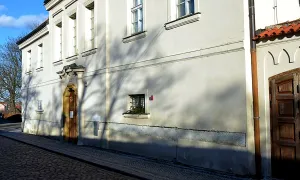
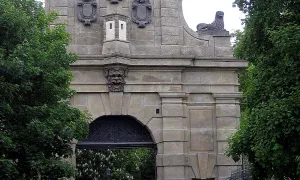
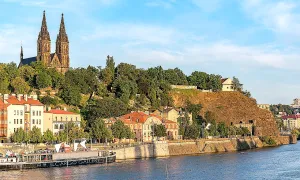
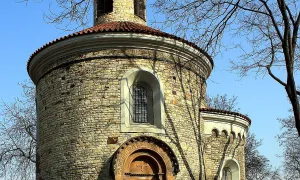
Photos from the area
Real photos taken near the monument


Zdroj a licence jsou uvedeny u každého snímku.
Tips from visitors
No tips yet. Be the first!
Log in and add your tip.
Sources and literature
Fotografie: Miaow Miaow / Public domain — Wikimedia Commons. The author and licence also appear when you hover over the image.
Faktickým podkladem tohoto textu byl článek na Wikipedii, jehož autory jsou přispěvatelé Wikipedie. Článek je dostupný pod licencí CC BY-SA 4.0.
Location on the map

Příběhy a pověsti
Legendy, pověsti a příběhy spjaté s touto památkou

Fotografie návštěvníků
Zatím žádné fotografie. Buďte první, kdo přidá fotografii z návštěvy!
Přihlaste se a přidejte svou fotografii nebo hodnoťte.
Za ověřenou návštěvu v aplikaci získáte víc bodů — poznáme podle GPS, že jste na místě.
Reviews and comments