






kaple svatého Floriána (Kladno) Chapel
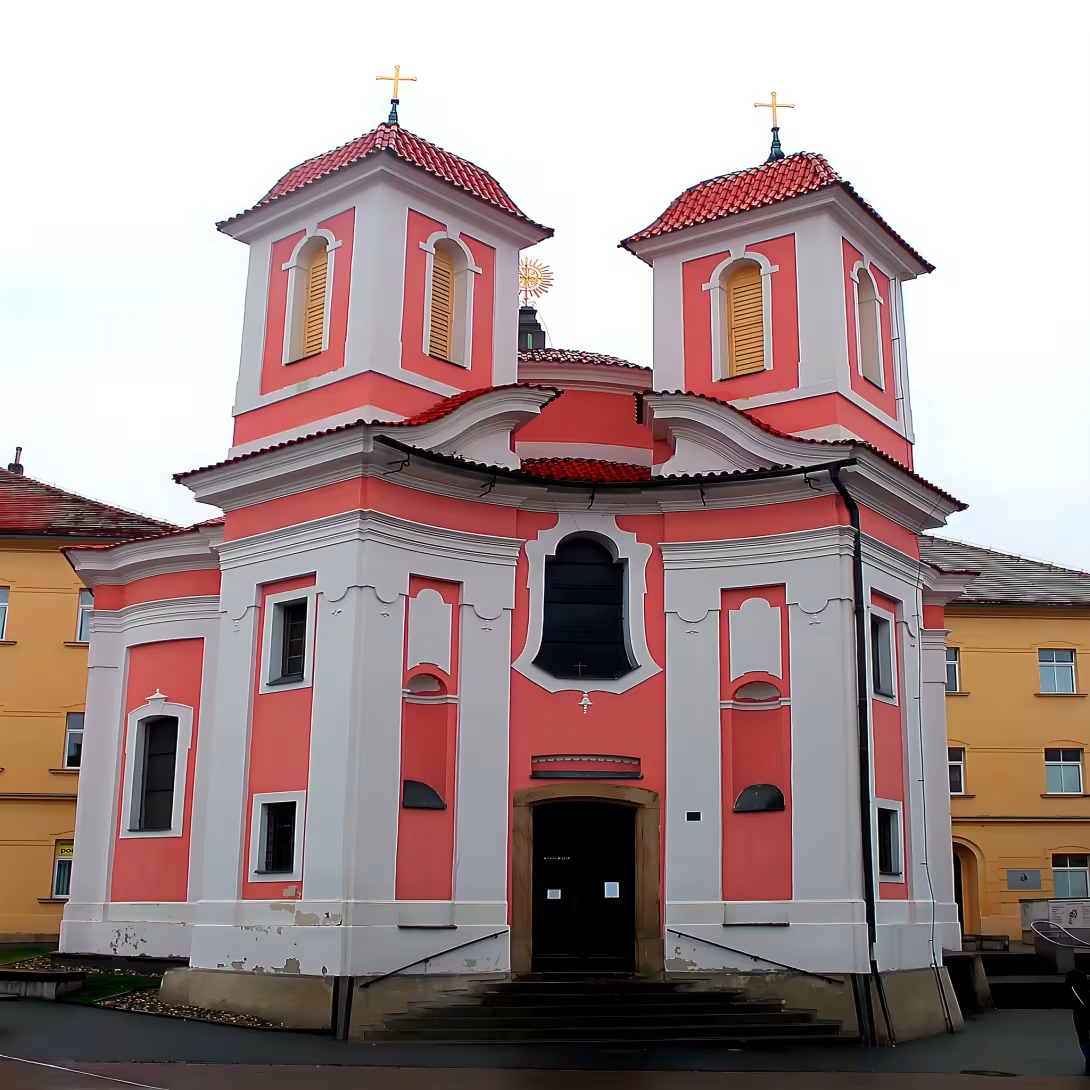
The Chapel of Saint Florian in Kladno is a Baroque rotunda located at Florián Square, serving as a cultural monument within the city's historic center. This architectural gem stands out as one of Kilian Ignaz Dientzenhofer's final works, constructed under the patronage of Břevnov and Braunau Abbot Benno Löbl. The chapel is part of the Kladno Baroque ensemble, which includes a Marian group statue and a Benedictine castle residence with an attached St. Lawrence Chapel.
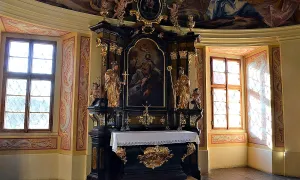
Originally built in 1630 by Florián Jetřich ze Žďáru, it has undergone significant transformations over the centuries, reflecting its historical and cultural significance. The chapel's origins trace back to this time when it was commissioned as a small single-nave building with a gable roof and bell tower, dedicated to Saints Florian and Elizabeth. The original foundation stone from this period is preserved beneath the main altar, serving as a tangible link to its early history.
In 1751, under Abbot Benno Löbl's patronage, the chapel began transforming into the Baroque masterpiece we see today. This project was led by Kilian Ignaz Dientzenhofer, although his untimely death later that year delayed progress. Construction continued under various architects until completion over a century later.
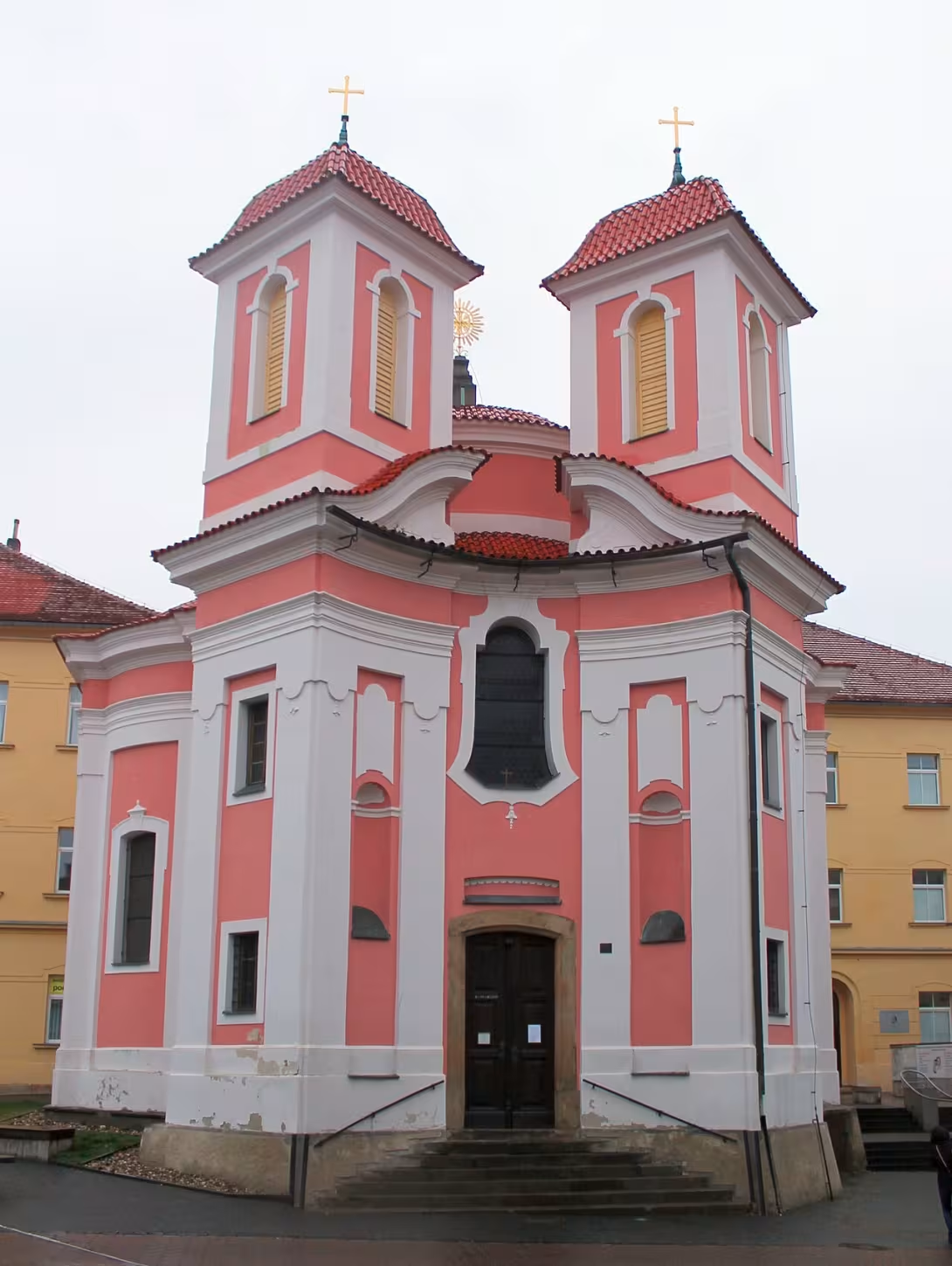
Architecturally, the chapel exemplifies Baroque design with its central cross-shaped layout, concave main facades, and diagonally positioned towers. The nave culminates in a dome supported by pendantives, while the apses complete the cross shape. Despite modifications over time, including changes to the entrance portal, it retains Dientzenhofer's original vision. This architectural integrity is celebrated for its aesthetic atmosphere and conceptual quality, marking it as one of Kilian Ignaz Dientzenhofer's most significant later works.
Throughout its history, various owners and administrators have influenced the chapel's development. Initially overseen by Florián Jetřich ze Žďáru, it later came under Abbot Benno Löbl during its Baroque transformation. The project faced challenges after Dientzenhofer's death, with subsequent architects like Anselmo Lurago contributing to its completion. In 1872, the chapel was consecrated by Abbot Jan Nepomuk Rotter, marking a significant milestone in its history.
Key events include the foundation stone laying in 1751 and its eventual consecration over a century later. The site also holds historical significance due to its proximity to a former cemetery established during a mid-17th-century plague epidemic. Artifacts such as a Baroque Benedictine cross found nearby further underscore the chapel's rich past.
Today, the Chapel of Saint Florian stands as a testament to Kladno's architectural heritage and cultural history. Visitors can appreciate its intricate design and historical significance, making it a worthwhile destination for those interested in Baroque architecture and Bohemian history. The chapel remains accessible to the public, inviting exploration and reflection on its storied past.
Then and now
Drag the slider to compare how the landmark may have looked when it was built with the view today.
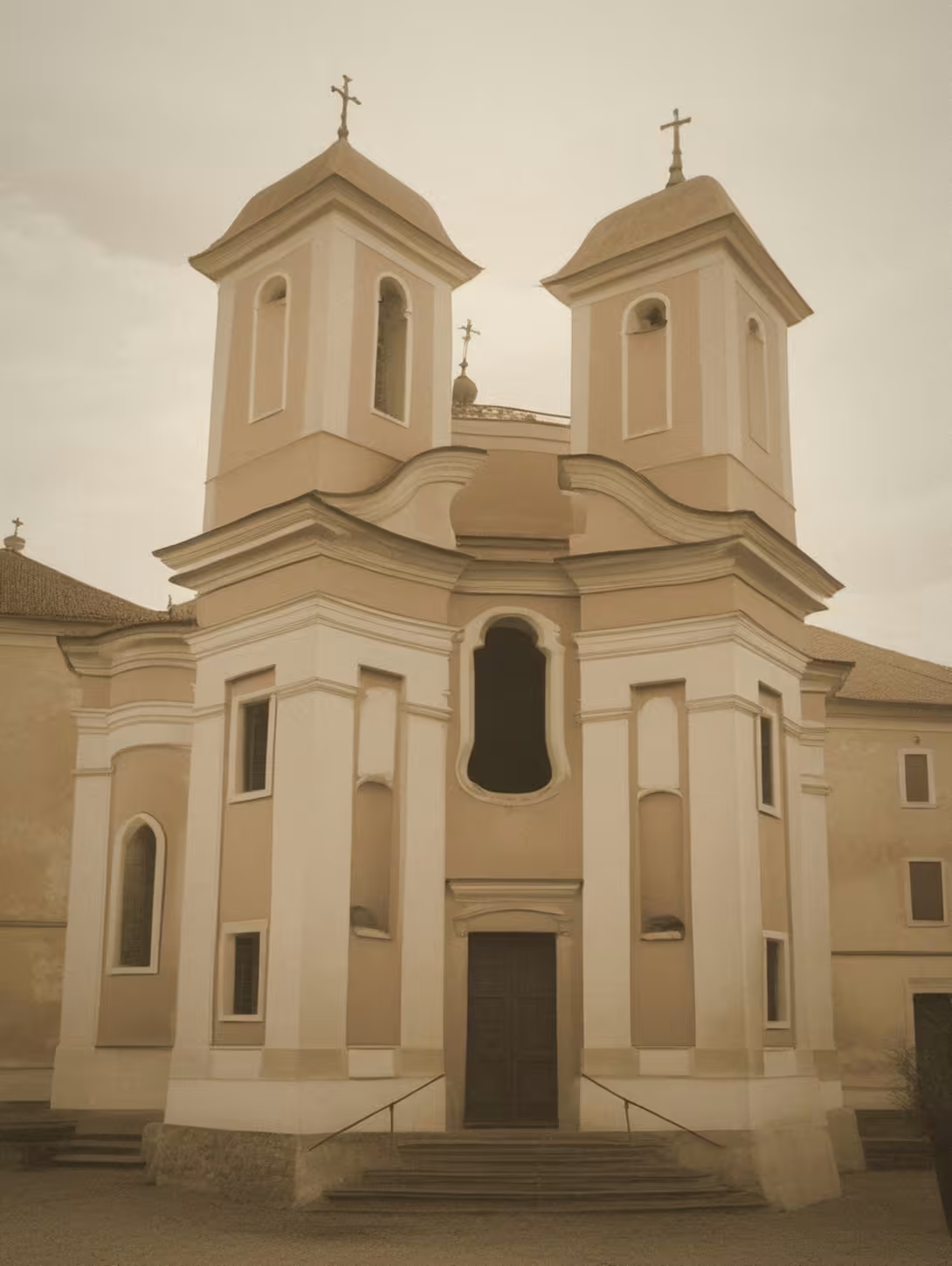
The historical appearance on the left is an AI-generated visualisation and serves as inspiration only.
Historical milestones
- 1630
- The Chapel of Saint Florian was founded by Florian Jetřich ze Žďáru.
- 1751
- Begun the reconstruction of the chapel into Baroque style under the leadership of Kilian Ignaz Dientzenhofer.
- 1751
- The death of Kilian Ignaz Dientzenhofer, which caused a delay in construction.
- circa 1872
- The Chapel of Saint Florian was consecrated by Abbot Jan Nepomuk Rotter.
Architectural development
Initially constructed in 1630 as a small single-nave building with a gable roof and bell tower, the chapel underwent significant baroque transformation starting in July 1751. The project was led by Kilian Ignaz Dientzenhofer but faced delays due to his death later that year. Further development occurred under various architects until its completion over a century later.
Historical events
In 1751, the foundation stone for the new chapel was laid under Abbot Benno Löbl's patronage.
The chapel was consecrated on May 5, 1872, by Abbot Jan Nepomuk Rotter.
Points of interest
- The Chapel of Saint Florian's foundation stone, dating back to its original construction in 1630, is preserved beneath the main altar, offering a direct connection to its early history and serving as a unique artifact within the chapel.
- A Baroque Benedictine cross discovered near the chapel site adds an intriguing layer to its historical narrative, suggesting the presence of religious artifacts from the area's past that contribute to understanding the chapel’s cultural significance.
Guide
This guide is narrated by a synthetic voice generated by artificial intelligence.
Show guide text
This text was created by artificial intelligence and has not been editorially reviewed. It may contain inaccuracies.
Welcome to the historic Chapel of Saint Florian in Kladno, a jewel nestled within Florián Square. As you stand here, take a moment to soak in the serene atmosphere surrounding this baroque rotunda, a cultural monument that whispers tales from centuries past.
The story of this chapel begins with its foundation stone laid by Florián Jetřich ze Žďáru in 1630. It was conceived as part of the spiritual and architectural vision for Kladno, evolving over time into one of the last works of the renowned architect Kilian Ignaz Dientzenhofer. Under his guidance, starting in 1751, the chapel underwent a transformation to adopt its current baroque style—a testament to the artistic flair and religious devotion of that era.
As you gaze upon the chapel's structure, notice how it harmoniously blends with the surrounding Kladno Baroque ensemble. The rotunda stands as a central piece amidst this architectural symphony, which includes a Marian group statue and an adjoining Benedictine castle residence. While specific details like the intricacies of its facade or interior might not be immediately visible from your vantage point, feel the presence of history in every curve and contour.
This chapel is deeply intertwined with key historical figures who shaped its destiny. Florián Jetřich ze Žďáru initiated its construction, while Kilian Ignaz Dientzenhofer's architectural genius brought it to life, albeit posthumously as his passing in 1751 delayed the project. The dedication of abbot Benno Löbl and others like Josef Bonaventura Piter and Kašpar Valentin Weingartner also played pivotal roles in its development.
One fascinating aspect that truly connects you to this chapel's early history is a preserved foundation stone from 1630, located beneath the main altar. This artifact serves as a tangible link to the past, inviting contemplation of those who walked these grounds centuries ago.
As your journey through this sacred site continues, take a moment to reflect on the stories and spirits that linger here—those of Alžběta Korona z Martinic or abbot Jan Nepomuk Rotter, who consecrated the chapel around 1872. Each name carries with it a chapter in the rich tapestry of Kladno's history.
We invite you to further explore this captivating site, where every corner holds a story waiting to be discovered. Thank you for joining us on this journey through time at the Chapel of Saint Florian. May your visit inspire curiosity and wonder as you continue to uncover the layers of history that define this remarkable place.
Businesses nearby
Do you run a restaurant, accommodation, shop, museum, rental, wellness or other visitor service near this monument? Show yourself directly to the people heading to it — this is how they will see you in the app and on the web:
Accommodation nearby
Trips and activities nearby
Guided tours, tickets and activities nearby from GetYourGuide
Affiliate link: if you buy from the partner, we may receive a commission. The price for you does not change.
Search tours and activities →Themed route
Tematická výletní trasa - Kaple svatého Floriána (Kladno)
1. Kaple svatého Floriána (Kaple) Start your tour at the Chapel of Saint Florian, which is not only a spiritual center for the town of Kladno but also an architectural gem. This small yet captivating chapel offers peaceful moments for reflection and beautiful views of the surrounding landscape. Its history dates back to the 18th century and is linked with the legend of Saint Florian, the protector against fires.
2. Staré město Kladno (Historický centrum) Approximately a 10-minute walk from the chapel lies the historic center of Kladno, offering views of ancient architecture and stunning streets. A stroll through this area is ideal for those who want to learn about the historical development of the city and its cultural heritage.
3. Střední škola Jana Amose Komenského (Vzdělávací instituce) From there, head towards the area around Jan Ámos Komenský Secondary School, which is not only a modern educational center but also a place with rich history. Its building and grounds are an example of 20th-century architecture and offer interesting insights into the development of education in the region.
4. Kladenské náměstí (Veřejná oblast) Finally, return to Kladenské Náměstí, which is the heart of the city and an ideal place for rest after your tour. The square is known for its lively atmosphere, restaurants, and cultural events. It's also where the history and modernity of Kladno meet.
This route will take you through key locations in the town of Kladno, offering insights into its history, architecture, and contemporary life.
Seasonal recommendations
Spring: The Chapel of Saint Florian in Kladno is particularly enchanting during spring, when the surrounding landscape bursts into life with blooming flowers and fresh greenery. This season offers a gentle atmosphere as nature awakens, providing a picturesque backdrop to the historic chapel. Visitors can enjoy the soft light filtering through budding trees, creating an ethereal ambiance. It's advisable to dress in layers, as temperatures can fluctuate between cool mornings and warmer afternoons. While crowds are generally moderate, arriving early can ensure a more tranquil experience before larger groups gather.
Summer: Summer is a vibrant time to visit the Chapel of Saint Florian, with long daylight hours allowing for extended exploration. The lush greenery around the chapel provides a refreshing escape from the summer heat, and the warm light enhances the beauty of the architecture. This season often sees increased visitor numbers, particularly during peak holiday periods, so planning an early morning visit can help avoid the crowds. Comfortable walking shoes and lightweight clothing are recommended to stay cool while enjoying the site.
Autumn: Autumn brings a unique charm to the Chapel of Saint Florian, with the surrounding landscape adorned in rich hues of reds, oranges, and yellows. The cooler temperatures make for pleasant strolls around the area, and the soft autumn light adds a warm glow to the chapel's historic features. This is an ideal time for photography enthusiasts looking to capture the seasonal beauty. As visitor numbers typically decrease compared to summer, it’s a great opportunity for a more relaxed visit. Layered clothing is advisable to accommodate the changing temperatures throughout the day.
Winter: Visiting the Chapel of Saint Florian in winter offers a serene and mystical experience, as snow blankets the landscape, transforming the surroundings into a quiet wonderland. The chapel itself can be particularly striking against the stark white backdrop, with its architecture standing out even more prominently. Winter visits may attract fewer tourists, providing an intimate atmosphere for those who appreciate the quieter moments of reflection. It’s important to dress warmly in layers and wear sturdy footwear due to potential icy conditions. Be mindful that opening hours might be shorter during this season, so checking ahead is recommended.
Visualizations and artistic views


The visualisations are generated by artificial intelligence and serve as inspiration.
Photos from the area
Real photos taken near the monument


Zdroj a licence jsou uvedeny u každého snímku.
Atmosphere of the place
This atmospheric visualisation of the place and period was generated by artificial intelligence. It is not real footage of the location.
Tips from visitors
No tips yet. Be the first!
Log in and add your tip.
Sources and literature
Fotografie: Draceane / CC BY-SA 4.0, rozlišení zvýšeno umělou inteligencí — Wikimedia Commons. The author and licence also appear when you hover over the image.
Faktickým podkladem tohoto textu byl článek na Wikipedii, jehož autory jsou přispěvatelé Wikipedie. Článek je dostupný pod licencí CC BY-SA 4.0.
Location on the map
Příběhy a pověsti
Legendy, pověsti a příběhy spjaté s touto památkou

Fotografie návštěvníků
Zatím žádné fotografie. Buďte první, kdo přidá fotografii z návštěvy!
Přihlaste se a přidejte svou fotografii nebo hodnoťte.
Za ověřenou návštěvu v aplikaci získáte víc bodů — poznáme podle GPS, že jste na místě.
Reviews and comments