



Kaple Všech svatých země české Chapel
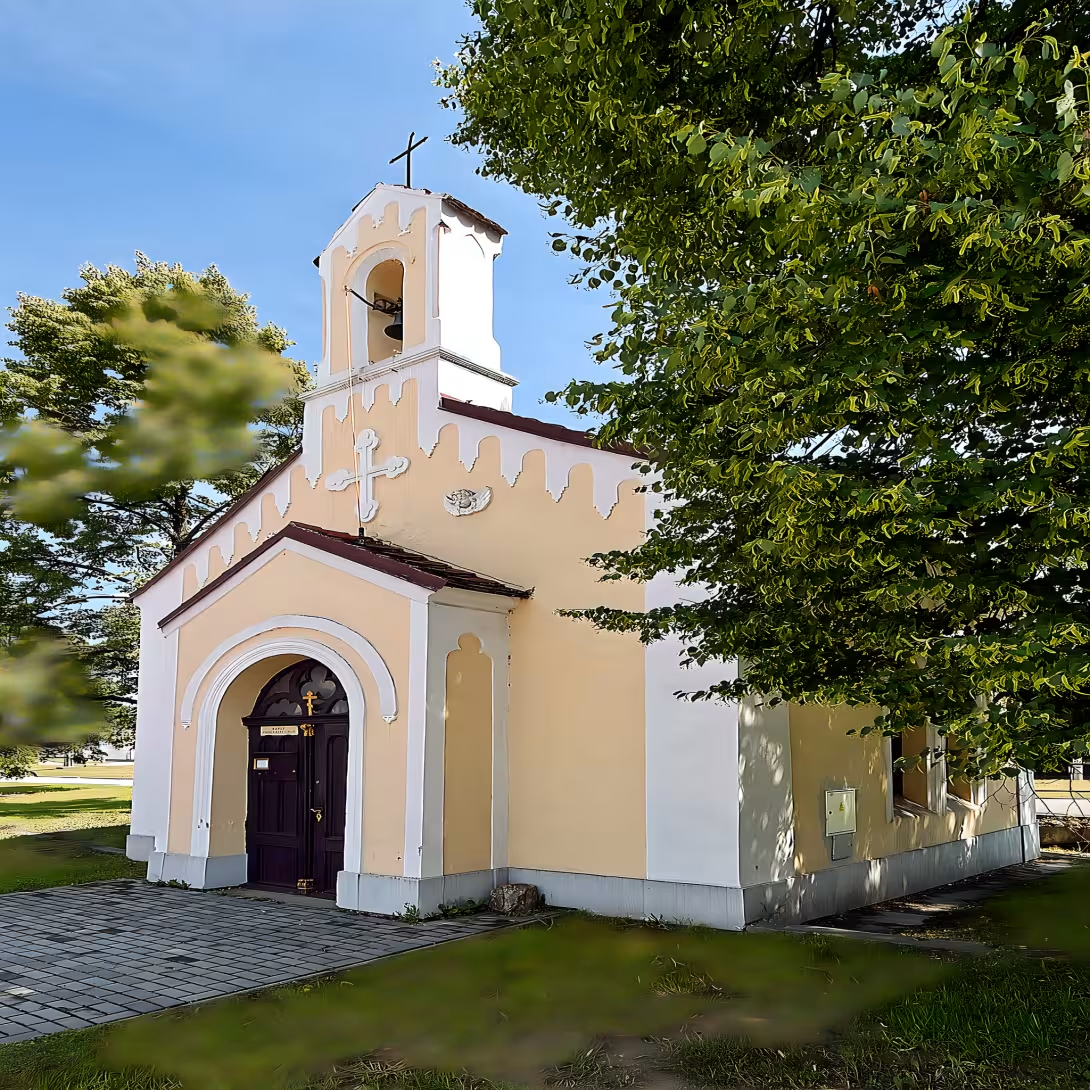
Kaple Všech svatých země české, originally known as Kaple svatého Vojtěcha, is a historic rotunda chapel located in Čtyři Dvory near České Budějovice. Constructed in 1869 by the initiative and funding of Vojtěch Lanna mladší, this chapel holds significance as the first place of worship on the western bank of the Vltava River in České Budějovice. Its construction was driven by a need to address local water shortages, making it an essential community resource at the time.
The chapel's origins are rooted in the late 19th century, a period marked by urban expansion and development in České Budějovice. Vojtěch Lanna mladší spearheaded its construction over a spring of good drinking water to mitigate shortages experienced in nearby Čtyři Dvory due to unsuitable subsoil conditions. This initiative not only provided a vital resource but also established an early religious site that would serve the community until it was replaced by a larger church between 1938 and 1939.
Architecturally, Kaple Všech svatých země české is characterized as a rotunda chapel built in 1869. It features a bell cast by Perner and syn, which remains housed within the chapel to this day. The structure's design reflects its functional role during a time of significant growth and modernization across Europe.
Ownership of the chapel has seen notable changes over the years. Initially owned by Vojtěch Lanna mladší, it later transitioned into the hands of the Pravoslavná církev v českých zemích a na Slovensku in 1992. This change occurred when the city council of České Budějovice rented out the chapel to the Orthodox Church for a symbolic fee, making it their sole owner.
Throughout its history, Kaple Všech svatých země české has been central to several key events and curiosities. Its construction in 1869 marked an important development in addressing local water needs while also establishing a place of worship. The chapel's role was eventually superseded by the larger church built between 1938 and 1939, reflecting the urban expansion of České Budějovice.
Today, Kaple Všech svatých země české stands as a testament to its historical significance and architectural heritage. While it no longer serves as a primary place of worship due to the larger church that replaced it, the chapel remains an important cultural landmark. Its location near Husova Street amidst residential areas adds to its charm, offering visitors a glimpse into the past development of České Budějovice.
Visiting Kaple Všech svatých země české offers a unique opportunity to explore a piece of Czech history and appreciate its architectural simplicity. Its story is intertwined with the growth of České Budějovice, making it a worthwhile destination for those interested in historical sites and their enduring legacies.
Then and now
Drag the slider to compare how the landmark may have looked when it was built with the view today.
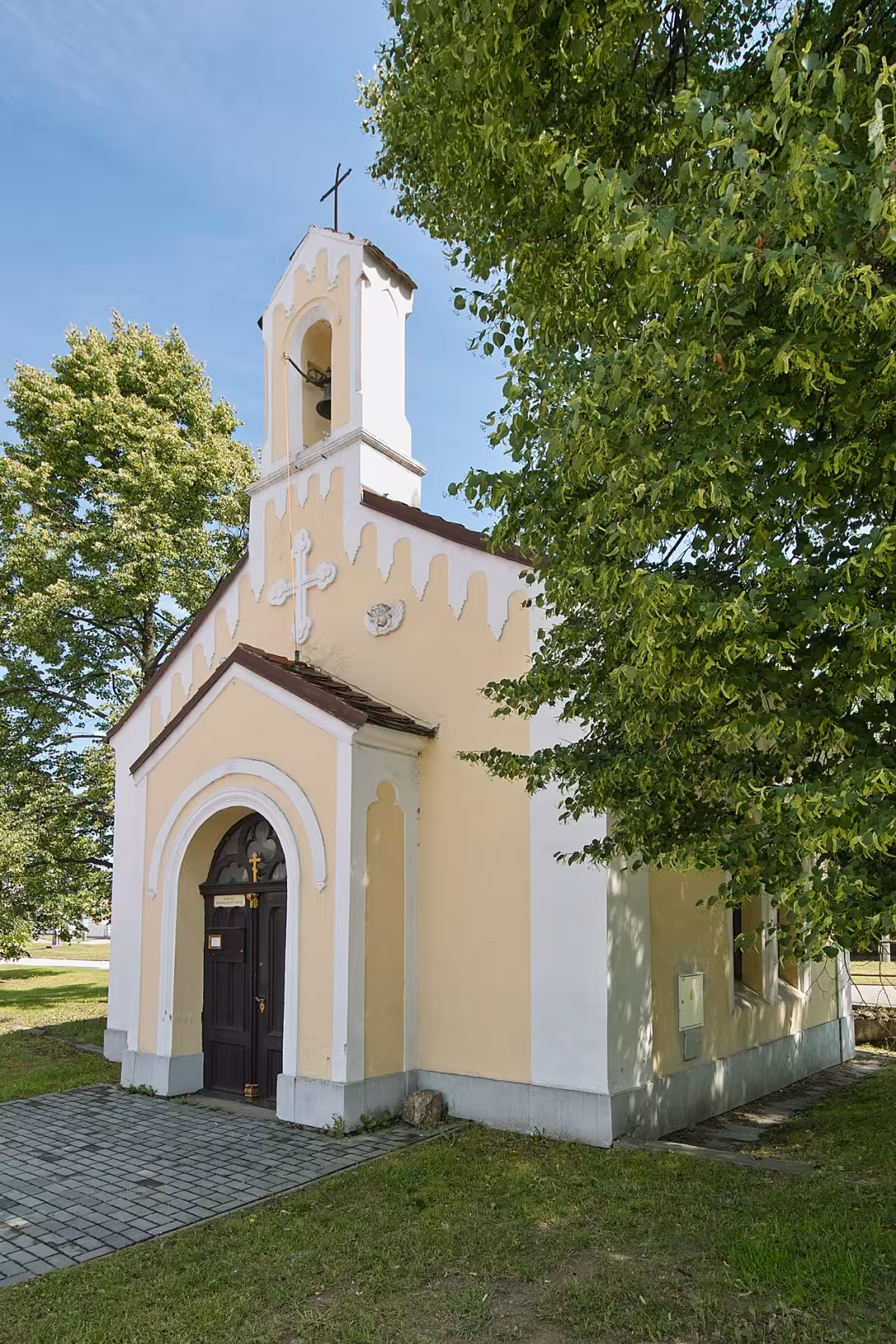
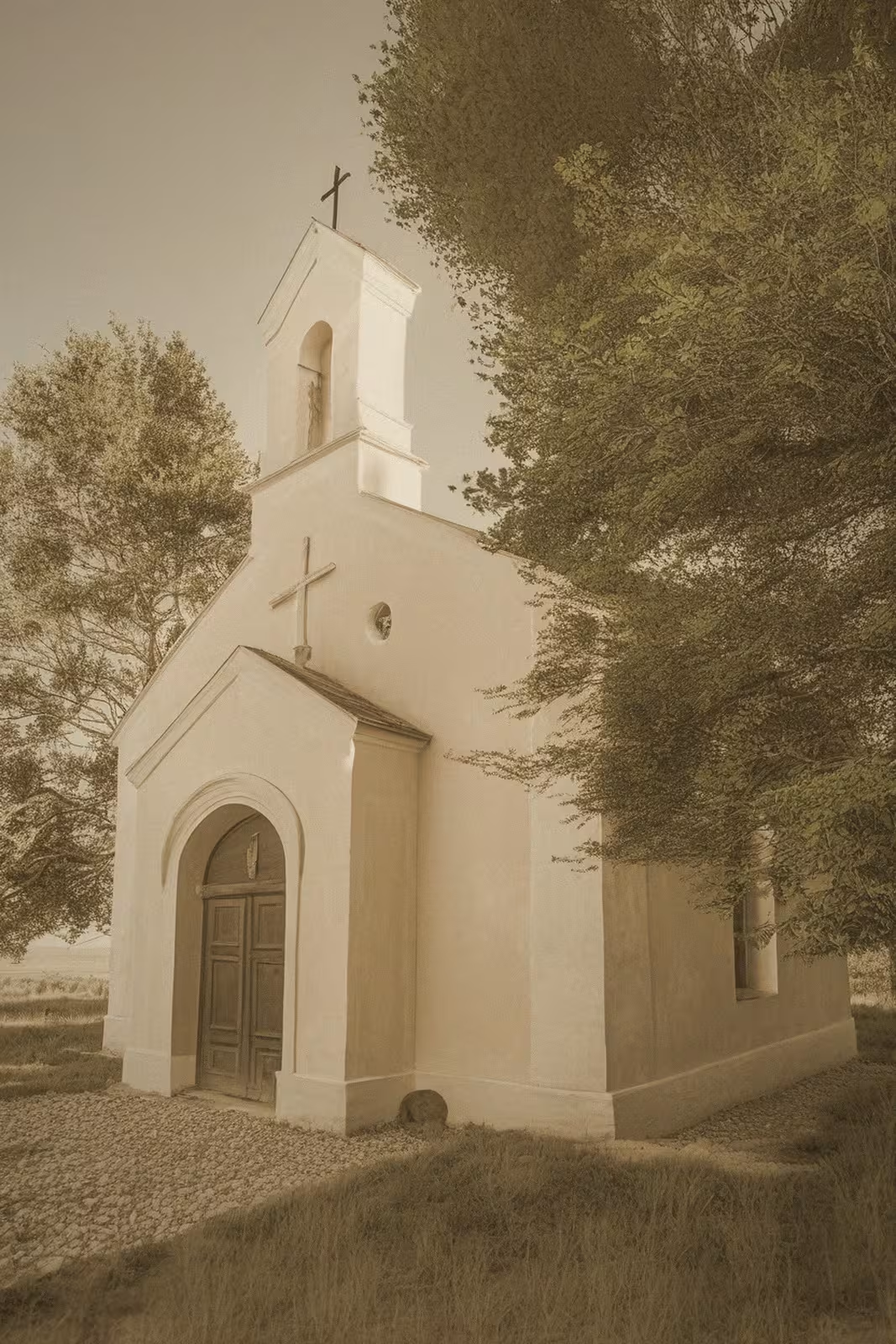
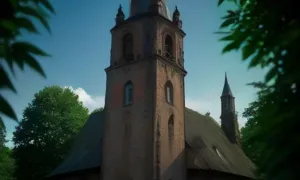
The historical appearance on the left is an AI-generated visualisation and serves as inspiration only.
Historical milestones
- 1869
- Construction of the chapel dedicated to Saint Vojtěch.
- 1992
- The chapel was rented out to the Pravoslavná církev v českých zemích a na Slovensku.
Architectural development
The chapel was originally built as a rotunda in 1869, featuring a bell cast by Perner and syn. It served the community until it was replaced by a larger church due to urban expansion.
Historical events
1869: The chapel was built and dedicated to Saint Vojtěch by Vojtěch Lanna mladší.
1938-1939: A larger church of Saint Vojtěch was constructed, taking over the role of the original chapel.
1992: The chapel was rented out to the Pravoslavná církev v českých zemích a na Slovensku.
Owners
Initially owned by Vojtěch Lanna mladší, the chapel was later rented out in 1992 by the city council of České Budějovice to the Pravoslavná církev v českých zemích a na Slovensku, which became its sole owner.
Points of interest
- Originally named Kaple svatého Vojtěcha, the chapel was renamed to Kaple Všech svatých země české in honor of its broader significance as a place of worship for all saints of Czech lands, reflecting a shift from local patronage to national veneration.
- The bell within the chapel, cast by Perner and syn, is not only a historical artifact but also an auditory reminder of the past. It has survived several generations and remains in use today, symbolizing continuity amidst change.
- Despite its relatively small size, the chapel played a pivotal role during the cholera outbreaks of the 19th century, serving as a sanctuary where people sought spiritual solace and healing prayers, highlighting its importance beyond just architectural or religious significance.
- In an intriguing twist of history, the chapel's original purpose to address water shortages inadvertently made it a focal point for community gatherings and social cohesion during times of crisis, demonstrating how infrastructure can shape societal dynamics.
- The transition of ownership from Vojtěch Lanna mladší to the Pravoslavná církev v českých zemích a na Slovensku in 1992 marked not just a change in management but also symbolized the evolving religious landscape and interfaith relations within the region.
Guide
This guide is narrated by a synthetic voice generated by artificial intelligence.
Show guide text
This text was created by artificial intelligence and has not been editorially reviewed. It may contain inaccuracies.
The Chapel of All Saints of the Czech Lands stands on Husova Street in České Budějovice. It was previously known as the Chapel of Saint Vojtěch. It is a hall chapel, that is, a structure with a single space without division into aisles.
The chapel was created in 1869 at the initiative of Vojtěch Lanny the Younger, who also paid for the construction. It was dedicated to Saint Vojtěch and became the first place of worship on the western bank of the Vltava River in České Budějovice. Lanna also paid for the bell in the bell tower. It was cast in 1869 by the firm Perner and Son.
The location for the construction was not chosen by chance. The chapel grew above a spring of good drinking water. There was a shortage of this in Čtyři Dvory, because the local subsoil was not suitable. It stood at a place where newly built houses were then beginning to define the northwestern side of the future square. That square did not yet exist at that time.
When the city expanded to the left bank of the Vltava River, the chapel no longer had enough capacity. Its role was taken over by the Church of Saint Vojtěch, built in the years 1938 to 1939.
In 1992, the city council together with the Roman Catholic Church rented the chapel for a symbolic fee to the Orthodox Church in the Czech Lands and in Slovakia. Today, the Orthodox Church is its sole owner.
Tips for visitors
The best time to visit Kaple Všech svatých země české is during the spring or early autumn months when the weather is mild, and the surrounding nature is particularly beautiful. These seasons offer pleasant temperatures for walking around Čtyři Dvory and enjoying the scenic views along Husova Street. Additionally, visiting outside of peak tourist season can provide a more serene experience with fewer crowds.
The chapel is accessible by both car and public transport. Public transportation options can also be explored through local transit websites or apps to find routes that pass near Husova Street.
When planning your visit, consider bringing comfortable walking shoes and weather-appropriate clothing, as you may want to explore the surrounding residential areas and enjoy a walk along the Vltava River. A camera is recommended for capturing the picturesque setting of the chapel against its natural backdrop. Additionally, carrying water and snacks can enhance your experience if you plan on spending several hours exploring.
Photography enthusiasts will find several spots around Kaple Všech svatých země české ideal for capturing stunning images, especially during the golden hour in the early morning or late afternoon when the light is soft. The view of the chapel with the Vltava River and residential areas provides a charming scene. Be mindful of any restrictions on photography within the chapel itself.
For families visiting Kaple Všech svatých země české, there are several activities to enjoy nearby within a 30-minute radius. Exploring the natural beauty along the Vltava River offers opportunities for picnics and leisurely walks. While Čtyři Dvory itself may not have extensive family-specific attractions, the surrounding areas in Jihočeský kraj can provide additional exploration options suitable for children.
Frequently asked questions
Can the monument be visited?
Religious buildings are usually open mainly during services; at other times a visit is normally arranged with the parish or the operator. We have not verified specific times.
Where is the monument?
Location: České Budějovice 2, Jihočeský kraj. The map on this page shows the exact spot.
Businesses nearby
Do you run a restaurant, accommodation, shop, museum, rental, wellness or other visitor service near this monument? Show yourself directly to the people heading to it — this is how they will see you in the app and on the web:
Events nearby
Zdroj akcí: otevřená data měst a obcí ČR (Národní katalog otevřených dat) a kalendář akcí Národního památkového ústavu.
Nearby
Located near Husova Street, the chapel is surrounded by residential areas that developed around it. The Vltava River flows nearby, adding a scenic backdrop to the site.
Accommodation nearby
Trips and activities nearby
Guided tours, tickets and activities nearby from GetYourGuide
Affiliate link: if you buy from the partner, we may receive a commission. The price for you does not change.
Search tours and activities →Themed route
Thematic Walking Tour: Kaple Všech svatých země české and Surroundings
1. Kaple Všech svatých země české (Chapel)
Type: Religious Site
Why Visit: This charming chapel, located near Husova Street in Čtyři Dvory, is a serene spot for reflection and appreciation of local architecture. Its proximity to the Vltava River enhances its picturesque setting, making it an ideal starting point for exploring the area's spiritual heritage.
2. Residential Areas Surrounding the Chapel
Type: Urban Exploration
Why Visit: Stroll through the quaint residential streets that developed around the chapel. These areas offer a glimpse into local life and architecture, providing context to how the community has grown alongside this historical site. The walk offers a peaceful exploration of the neighborhood's charm.
3. Vltava River
Type: Natural Scenic View
Why Visit: Take a moment to enjoy the scenic views along the Vltava River, which flows nearby. This natural backdrop adds tranquility and beauty to your visit, offering opportunities for leisurely walks or simply enjoying the landscape from various vantage points around the chapel.
4. Husova Street
Type: Cultural Walk
Why Visit: Follow Husova Street as it meanders through Čtyři Dvory. This street is not only a pathway to the chapel but also a cultural artery that reflects local history and community life. It's an excellent way to connect with the area's heritage while enjoying its scenic charm.
5. Chapel Vicinity
Type: Local Exploration
Why Visit: Conclude your tour by exploring the immediate vicinity of the chapel, where you can discover small details and hidden gems that contribute to the site’s historical significance. This exploration offers a deeper appreciation for how the chapel fits into its local context.
This thematic walking tour provides an immersive experience in Čtyři Dvory, focusing on the Kaple Všech svatých země české and its immediate surroundings, highlighting both cultural and natural elements of the area.
Seasonal recommendations
Spring: Visiting the Kaple Všech svatých země české during spring offers a unique experience as nature awakens around this historic site in Čtyři Dvory. The surrounding landscape is adorned with vibrant wildflowers and budding trees, creating a picturesque setting ideal for photography enthusiasts. As daylight extends into the evening, natural light enhances the chapel's intricate details, making it a perfect time to explore its serene beauty. Spring tends to attract moderate crowds, allowing visitors to appreciate the site without feeling overwhelmed. It's advisable to wear comfortable layers, as temperatures can vary throughout the day.
Summer: Summer is the peak season for visiting Kaple Všech svatých země české, with long daylight hours providing ample time to explore both the chapel and its verdant surroundings. The lush greenery and blooming flora create a vibrant backdrop that complements the historic architecture. However, this season also draws larger crowds, particularly during weekends and holidays, so it's wise to arrive early in the day to avoid the busiest times. Light, breathable clothing is recommended due to warmer temperatures, along with sun protection like hats or sunglasses.
Autumn: Autumn transforms the landscape around Kaple Všech svatých země české into a stunning tapestry of reds, oranges, and yellows, offering visitors an enchanting atmosphere. The cooler weather makes it comfortable for leisurely strolls through the surrounding countryside, with fewer crowds compared to summer months. As days begin to shorten, early afternoon visits are ideal to ensure enough daylight for exploring the chapel's details. Layered clothing is advisable to accommodate fluctuating temperatures throughout the day.
Winter: In winter, Kaple Všech svatých země české exudes a quiet charm as snow blankets the surrounding landscape, creating a serene and almost mystical atmosphere. The shorter days mean that visitors should plan their visits during daylight hours, with early mornings being particularly peaceful. Wintertime can also bring unpredictable weather conditions, so dressing warmly in layers is essential. While fewer tourists venture out in the colder months, it's important to check ahead for any seasonal closures or reduced opening times.
Visualizations and artistic views


The visualisations are generated by artificial intelligence and serve as inspiration.
Photos from the area
Real photos taken near the monument


Zdroj a licence jsou uvedeny u každého snímku.
Tips from visitors
No tips yet. Be the first!
Log in and add your tip.
Sources and literature
Photos: Xth-Floor / CC BY-SA 3.0, rozlišení zvýšeno umělou inteligencí — Wikimedia Commons. The author and licence also appear when you hover over the image.
Faktickým podkladem tohoto textu byl článek na Wikipedii, jehož autory jsou přispěvatelé Wikipedie. Článek je dostupný pod licencí CC BY-SA 4.0.
Location on the map



Příběhy a pověsti
Legendy, pověsti a příběhy spjaté s touto památkou
Fotografie návštěvníků
Zatím žádné fotografie. Buďte první, kdo přidá fotografii z návštěvy!
Log in a přidejte svou fotografii nebo hodnoťte.
Za ověřenou návštěvu v aplikaci získáte víc bodů — poznáme podle GPS, že jste na místě.
Reviews and comments