






Klášter Štěnovice Monastery
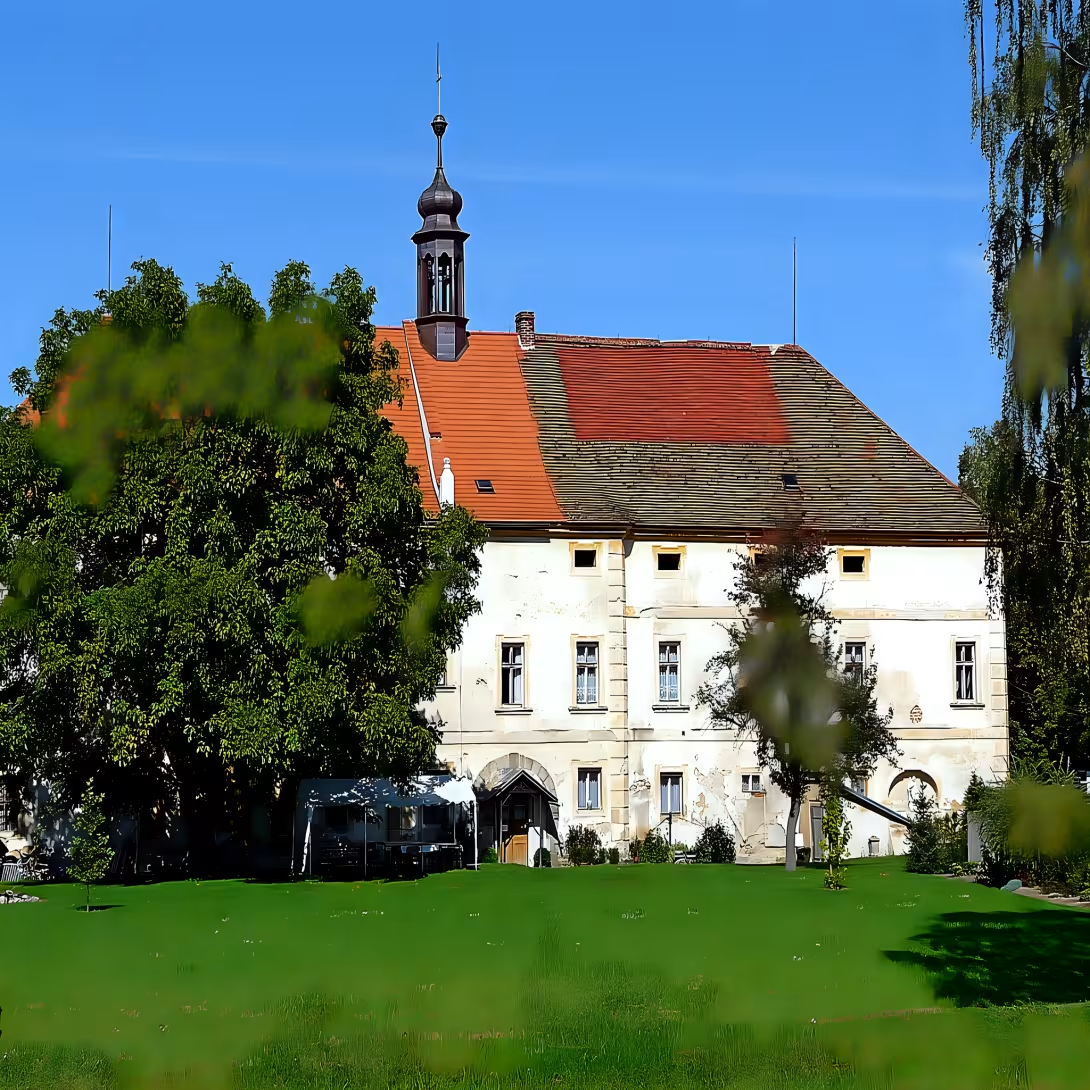
The Štěnovice Monastery is a significant cultural monument in the Czech Republic, located in the village of Štěnovice. Founded in 1753 by Countess Marie Terezie von Pötting, née Michnová z Vacínova, it was initially part of the St. Prokop Church, built in 1747 in the form of a cross into an early Baroque granary. The monastery was briefly inhabited by the Trinitarian Order and boasts a unique history and architecture.
The single-wing, two-story early Baroque building features a central passage and a bell tower. The eastern part is residential, while the western part houses the church. The building's history dates back to the pre-Moravian period, as evidenced by ceramic fragments discovered in recent years. The monastery's architecture reflects the prevalent Baroque style of the 18th century.
Countess Marie Terezie von Pötting, née Michnová z Vacínova, founded the monastery. It was abolished during the Josephine Reforms in 1783. The clock tower was removed during the roof repair in 1811.
The monastery is situated near a small pond and surrounded by the village of Štěnovice, in the Plzeňský kraj region. Its history is closely tied to the events of the 18th century, a time of significant change in the Czech lands.
The Štěnovice Monastery is a unique example of early Baroque architecture in the region. Its history and significance make it a valuable cultural monument worth visiting. Today, it is listed on the register of cultural monuments and serves as a notable landmark in the area.
Then and now
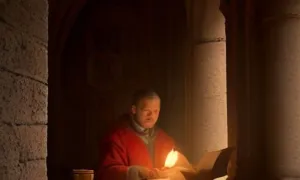
Drag the slider to compare how the landmark may have looked when it was built with the view today.
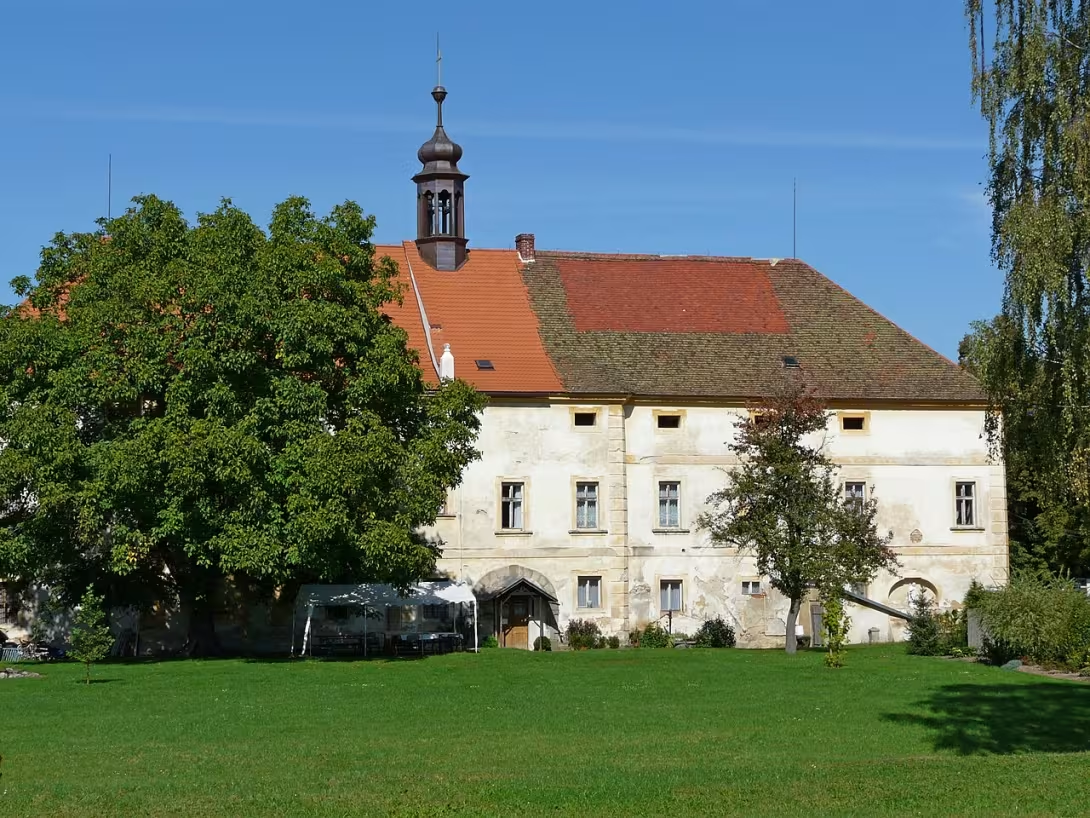
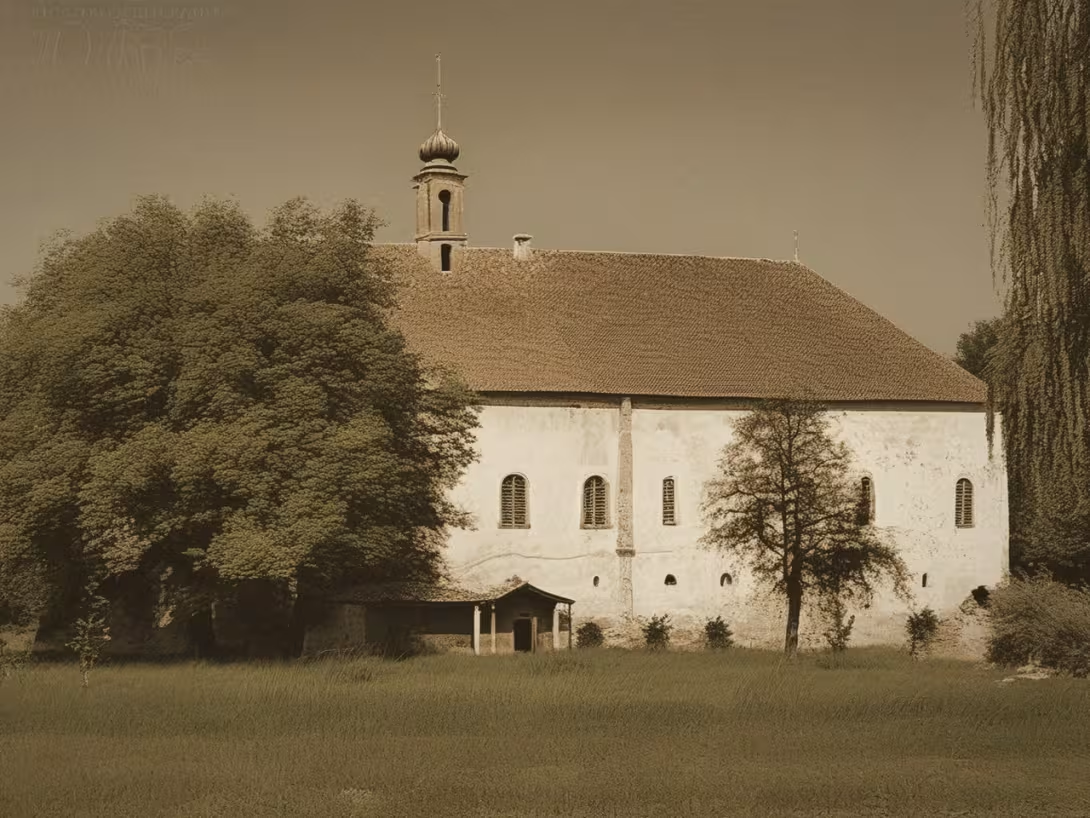
The historical appearance on the left is an AI-generated visualisation and serves as inspiration only.
Historical milestones
- 1753
- Founded by Countess Marie Terezie von Pötting, née Michnová z Vacínova
- 1783
- Abolished during the Josephine Reforms
- 1811
- Clock tower removed during roof repair
Architectural development
The monastery is a single-wing, two-story early Baroque building with a central passage and a bell tower. The eastern part is residential, while the western part houses the church. In 1811, the clock tower was removed during the roof repair.
Historical events
1753: Founded by Countess Marie Terezie von Pötting, née Michnová z Vacínova
1783: Abolished during the Josephine Reforms
Owners
Countess Marie Terezie von Pötting, née Michnová z Vacínova
Points of interest
– The monastery was briefly inhabited by the Trinitarian Order, which is a relatively little-known fact about the site.
– Ceramic fragments discovered in recent years suggest that the building's history dates back to the pre-Moravian period, which is a surprising revelation given the age of the structure.
– The clock tower was removed during a roof repair in 1811, which is an unusual event in the history of the site.
– Countess Marie Terezie von Pötting, née Michnová z Vacínova, founded the monastery, but there is little information available about her life and motivations.
– The monastery's architecture reflects the prevalent Baroque style of the 18th century, which is a notable feature of the site, but not widely discussed.
Guide
This guide is narrated by a synthetic voice generated by artificial intelligence.
Show guide text
This text was created by artificial intelligence and has not been editorially reviewed. It may contain inaccuracies.
Welcome to one of the most precious historical landmarks in the Štěnovice area. You are standing before the Štěnovice Monastery, founded in 1753 by Countess Maria Theresa von Pötting, née Michná of Vacínov, as part of St Procopius Church. The church was built in 1747 in the shape of a cross in early Baroque style.
Let's move on to the historical context. The monastery was briefly inhabited by the Order of the Most Holy Trinity, which is a relatively lesser-known fact about this place. In 1783, the monastery was dissolved during the Josephine reforms. Now I invite you to look up at the roof. Notice that the clock tower is missing, having been removed during the roof reconstruction in 1811.
Now pay attention to the architecture. The monastery is built in early Baroque style, which is characteristic of this area. Take a look at the façade and notice the details of the architectural design.
A key story associated with this place is the founding of the monastery by Countess Maria Theresa von Pötting. Her name is linked to many significant cultural and historical events in this region.
An interesting fact is that recent archaeological excavations have uncovered ceramic fragments suggesting that the building has a much older history, dating back to the pre-Moravian period. This is quite surprising, especially considering that the structure itself is relatively young.
Allow me to invite you to further explore this historical site. The Štěnovice Monastery is an excellent place to learn more about the history and culture of this area. I hope this guide helps you fully enjoy your stay at this beautiful location. May the lovely atmosphere of this place accompany you, and may you enjoy what you see here.
Tips for visitors
The best time to visit the Štěnovice Monastery is during the spring and summer months when the surrounding gardens and pond are in full bloom.
It's a good idea to bring a camera to capture the beautiful architecture and peaceful surroundings of the monastery.
Some of the best photography spots include the main façade of the monastery, the cloister, and the surrounding gardens.
If you're looking for something to do nearby, the village of Štěnovice has a few shops and restaurants, and the nearby town of Plzeň has a rich history and culture to explore.
Frequently asked questions
Can the monument be visited?
Religious buildings are usually open mainly during services; at other times a visit is normally arranged with the parish or the operator. We have not verified specific times.
Where is the monument?
Location: Farní, Štěnovice, Plzeňský kraj. The map on this page shows the exact spot.
Why is the monument protected?
It is listed in the Central List of Cultural Monuments of the Czech Republic as a cultural monument (register no. 37259/4-496).
Businesses nearby
Do you run a restaurant, accommodation, shop, museum, rental, wellness or other visitor service near this monument? Show yourself directly to the people heading to it — this is how they will see you in the app and on the web:
Events nearby



Zdroj akcí: otevřená data měst a obcí ČR (Národní katalog otevřených dat) a kalendář akcí Národního památkového ústavu.
Nearby
The monastery is located in the village of Štěnovice, near a small pond.
Accommodation nearby
Trips and activities nearby
Guided tours, tickets and activities nearby from GetYourGuide
Affiliate link: if you buy from the partner, we may receive a commission. The price for you does not change.
Search tours and activities →Themed route
Štěnovický Klášter and Surroundings
1. Štěnovický Klášter (main attraction): This monastery is an important cultural monument and is worth visiting for its historical and architectural value. 2. Štěnovický Pond: A small pond near the monastery offers a peaceful environment and a lovely opportunity to relax. 3. Štěnovický Park: A small park by the monastery provides beautiful green spaces for relaxation and leisure.
Seasonal recommendations
Jaro
Spring is the ideal time to visit Štěnovice Monastery when nature around it awakens from its winter slumber and offers beautiful green hues. The atmosphere is calm and quiet, allowing for a deeper exploration of historic buildings and artworks. Lighting is natural, so you can enjoy the beauty of architecture and art in their original form. We recommend visiting the monastery early in the morning or late afternoon to avoid crowds of tourists.
Léto
During the main summer season, Štěnovice Monastery is very popular with tourists, so we recommend arriving early in the morning or late in the afternoon to avoid large crowds. Lighting remains natural, but nature around the monastery is in full bloom. The atmosphere is warm and pleasant, but we suggest bringing an umbrella or sunglasses to protect against sunlight. You can combine your visit of the monastery with a tour of the surrounding nature and a walk in the area.
Podzim
In autumn, Štěnovice Monastery is surrounded by beautiful nature that turns into stunning colors. The atmosphere is calm and quiet, allowing for a deeper exploration of historic buildings and artworks. Lighting remains natural, but we recommend bringing warm clothing to avoid the cold weather. We suggest visiting the monastery early in the morning or late afternoon to avoid crowds of tourists.
Zima
In winter, Štěnovice Monastery is closed and only open for limited hours. The atmosphere is calm and quiet, but we recommend bringing warm clothing to protect against the cold. Lighting is artificial, but it allows you to enjoy the beauty of architecture and artworks.
Visualizations and artistic views


The visualisations are generated by artificial intelligence and serve as inspiration.
Photos from the area
Real photos taken near the monument

Zdroj a licence jsou uvedeny u každého snímku.
Tips from visitors
No tips yet. Be the first!
Log in and add your tip.
Sources and literature
Photos: Josef Špiller / CC BY-SA 3.0, rozlišení zvýšeno umělou inteligencí — Wikimedia Commons. The author and licence also appear when you hover over the image.
Faktickým podkladem tohoto textu byl článek na Wikipedii, jehož autory jsou přispěvatelé Wikipedie. Článek je dostupný pod licencí CC BY-SA 4.0.
Location on the map





Příběhy a pověsti
Legendy, pověsti a příběhy spjaté s touto památkou
Fotografie návštěvníků
Zatím žádné fotografie. Buďte první, kdo přidá fotografii z návštěvy!
Log in a přidejte svou fotografii nebo hodnoťte.
Za ověřenou návštěvu v aplikaci získáte víc bodů — poznáme podle GPS, že jste na místě.
Reviews and comments