






Kostel Jména Panny Marie na Lomci Church
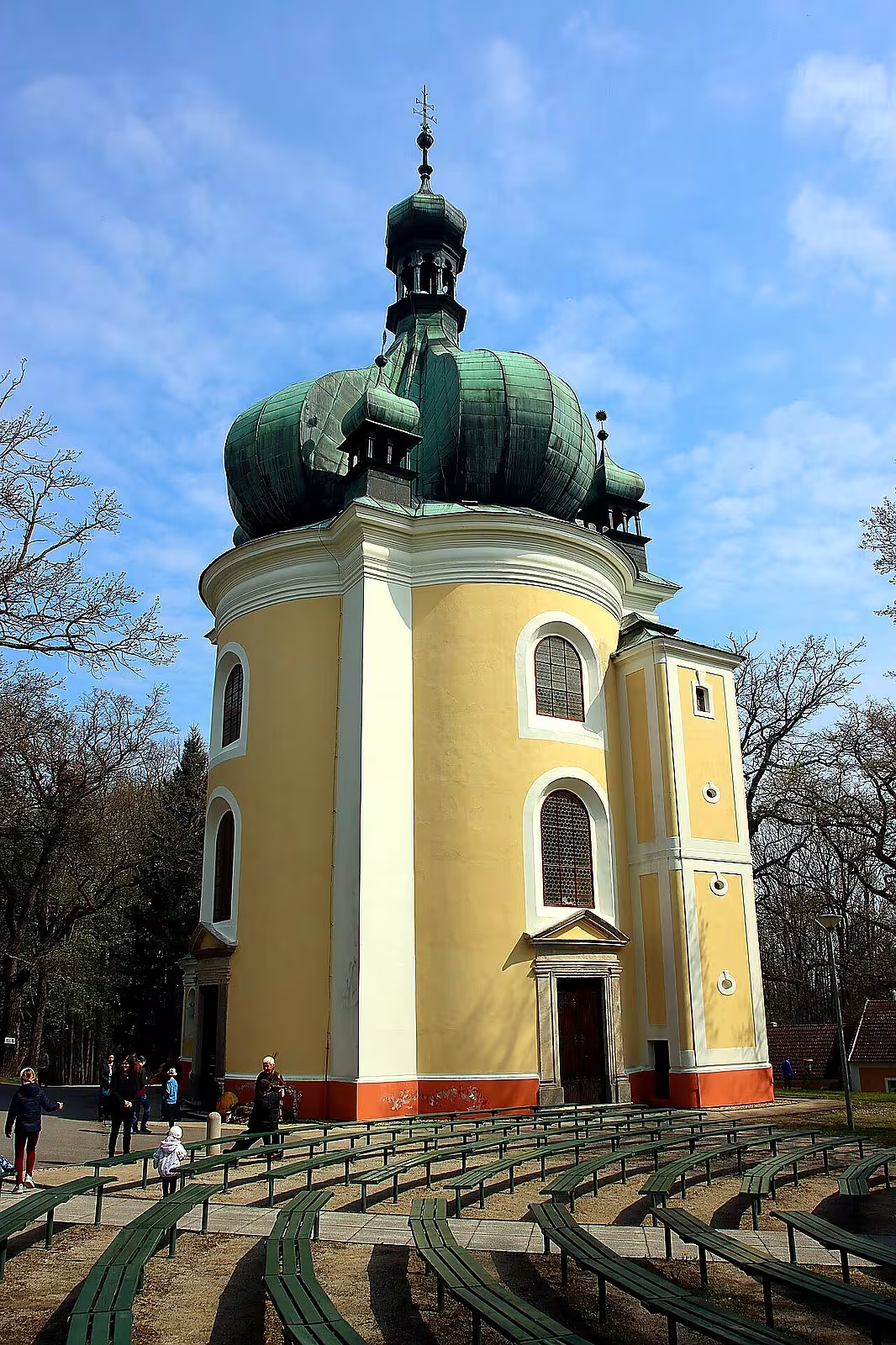
The Church of Our Lady on Lomec is a baroque church located atop Lomec Hill in Nestanice, within the Libějovice municipality of Jihočeský kraj. Constructed between 1692 and 1704, this pilgrimage site serves as a cultural monument and is part of the Libějovicko – Lomecko landscape heritage zone. Its distinctive architectural design and historical importance make it an intriguing destination for those interested in baroque artistry and religious history.
The church's origins are linked to the Buquoy family, particularly Count Karel Filip Buquoy. He brought a revered statue of the Virgin Mary from Foy, Wallonia, to Bohemia after surviving a shipwreck on his journey from Rome to Spain in 1685. In gratitude, he vowed to build a church dedicated to the Virgin Mary if he survived. After his death before completing the project, his son, Count Emanuel Buquoy, laid the foundation stone in 1692. Construction faced delays due to ecclesiastical permission issues but resumed after approval was granted in 1699. By 1704, the church was consecrated and dedicated to the Name of Mary.
Architecturally, the Church of Our Lady on Lomec is influenced by Spanish chapels, featuring a central-plan design with concave walls and a dome structure. The exterior includes a bulbous tower with four smaller turrets, each adorned with lanterns and Spanish crosses. Inside, it houses an original monumental altar inspired by Bernini’s papal altar in St. Peter’s Basilica. This baldachin-type altar, created by Jan Wauscher from Linz, is unique outside of Rome and Vittoria, Spain. The interior also features wooden altars, gilded frames, images of the Stations of the Cross, and a rococo pulpit with carved figurative reliefs.
The church's history is intertwined with the Buquoy family, prominent figures during the late 17th and early 18th centuries when Bohemia was under Habsburg rule. This period saw religious tensions following the Thirty Years' War, with baroque architecture flourishing as a means of expressing Catholic faith. The construction involved notable craftsmen such as J. Hablesreuter, M. Tischler from Rožmberk, M. Pichler from Frymburk, and J. Plánský from České Krumlov.
Nearby stands a former hunting lodge built by Albert Buquoy between 1709 and 1710, adding to the historical richness of the area. Today, the Church of Our Lady on Lomec remains an accessible site for visitors, offering insights into baroque architecture and religious devotion. Its cultural and artistic significance makes it a worthwhile destination for those exploring the heritage of Jihočeský kraj.
Visitors can appreciate its architectural beauty and historical depth, gaining a deeper understanding of the region's past. The Church of Our Lady on Lomec invites exploration and reflection, standing as a testament to faith and artistry in Bohemia.
Then and now
Drag the slider to compare how the landmark may have looked when it was built with the view today.
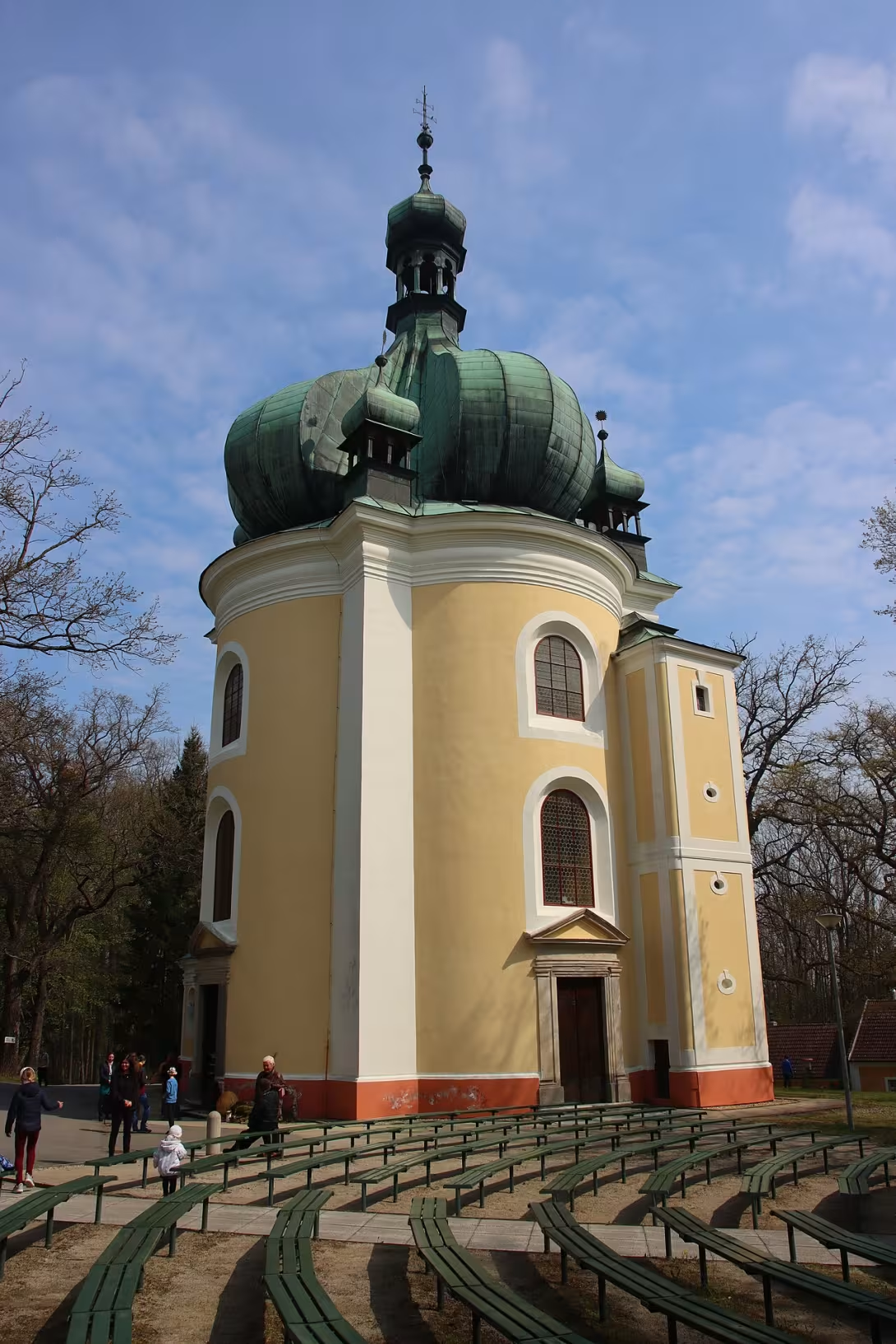
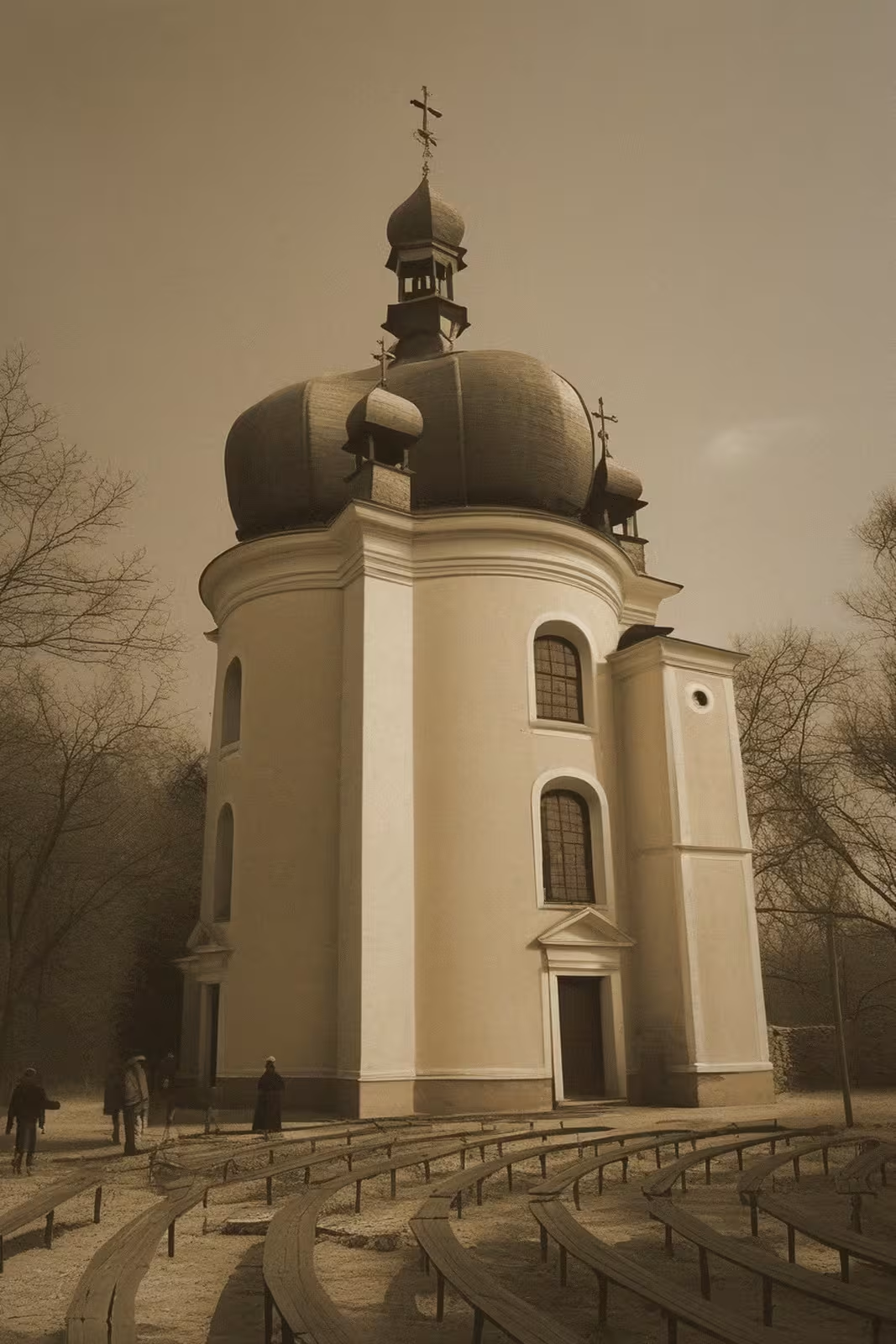
The historical appearance on the left is an AI-generated visualisation and serves as inspiration only.
Historical milestones
- 1692
- Foundation stone laid by Count Filip Emanuel Buquoy.
- 1704
- Consecration and dedication of the church to the Name of Mary.
Architectural development
Construction began in 1692 but faced delays due to lack of ecclesiastical permission, resuming only after approval in 1699. The church's architecture is influenced by Spanish chapels, featuring a central-plan design with concave walls and a dome. Notable additions include a sacristy in 1720 and a rococo pulpit in 1735.
Historical events
- 1692
- Count Filip Emanuel Buquoy laid the foundation stone for the church.
- 1704
- The church was consecrated and dedicated to the Name of Mary.
Points of interest
- The statue of the Virgin Mary that inspired the church's construction was originally from Foy in Wallonia and survived a shipwreck during Count Karel Filip Buquoy’s journey from Rome to Spain, symbolizing divine protection.
- Architecturally, the Church of Our Lady on Lomec is unique for its baldachin-type altar outside of Rome and Vittoria, Spain, designed by Jan Wauscher from Linz, reflecting a rare blend of local craftsmanship with international baroque influences.
- The church's construction was delayed due to ecclesiastical permission issues, illustrating the complex relationship between religious authorities and noble patrons during the late 17th century in Bohemia.
- Count Emanuel Buquoy took on his father’s vow by laying the foundation stone in 1692, showcasing a tradition of familial duty and piety within the Buquoy family lineage.
- The church's interior features wooden altars with gilded frames and images of the Stations of the Cross, highlighting how local artisans contributed to its elaborate baroque decor despite broader political tensions following the Thirty Years' War.
Guide
This guide is narrated by a synthetic voice generated by artificial intelligence.
Show guide text
This text was created by artificial intelligence and has not been editorially reviewed. It may contain inaccuracies.
Welcome to the Church of Our Lady on Lomec, a breathtaking baroque masterpiece nestled atop the serene hill of Lomec in Nestanice. As you stand here, imagine yourself enveloped by the tranquility and historical grandeur that this site exudes. The church's elegant silhouette against the sky is an invitation to explore its storied past and architectural marvels.
The journey of this remarkable church began in 1692 when Count Filip Emanuel Buquoy laid its foundation stone. This act was inspired by a profound spiritual event: during Count Karel Filip Buquoy’s voyage from Rome to Spain, a statue of the Virgin Mary, originally from Foy in Wallonia, miraculously survived a shipwreck. Believed to symbolize divine protection, this statue became the catalyst for the church's construction, dedicated to the Name of Mary.
As you gaze upon the structure before you, take note of its unique central-plan design—a rarity among churches. The concave walls and dome structure are distinctive features that set it apart from more traditional ecclesiastical architecture. Within these walls lies an original monumental altar, drawing inspiration from Bernini's papal altar in St. Peter’s Basilica, adding a layer of artistic and spiritual depth to the space.
The church's creation was a collaborative effort by renowned architects J. Hablesreuter, M. Tischler z Rožmberka, M. Pichler z Frymburku, and J. Plánský z Českého Krumlova. Their combined vision brought to life this architectural gem, completed in 1704 when it was consecrated and dedicated.
This site is not just a testament to architectural brilliance but also a canvas of historical narratives. Count Filip Emanuel Buquoy and his predecessor, Count Karel Filip Buquoy, are key figures whose lives intertwined with the church's history, infusing it with personal stories of faith and resilience.
A fascinating aspect of this church is its role as a pilgrimage site in Libějovice. It stands as part of the Libějovicko – Lomecko landscape heritage zone, inviting visitors to not only admire its beauty but also to connect with its spiritual significance.
As we conclude our journey through the Church of Our Lady on Lomec, I invite you to linger a moment longer, absorbing the atmosphere and reflecting on the layers of history that surround us. Whether you're drawn by architectural curiosity or spiritual contemplation, this site offers endless avenues for exploration. Thank you for joining me today; may your visit be as enriching as it is inspiring.
---
This audio guide aims to be your companion in discovering the wonders of the Church of Our Lady on Lomec. As you explore further, let each step reveal new insights and deepen your appreciation for this historical treasure nestled in Jihočeský kraj.
Tips for visitors
The best time to visit Kostel Jména Panny Marie na Lomci is during the late spring or early autumn months, from May to September. During these times, the weather is generally mild and pleasant, making it ideal for exploring both the church and its surrounding landscape heritage zone. Additionally, visiting in this period allows you to enjoy outdoor activities without the peak summer crowds, providing a more serene experience at this pilgrimage site.
Parking and transportation options are convenient for visitors. There are parking facilities available nearby, allowing easy access by car. For those preferring public transport, the area is accessible via local bus services. It's advisable to check current routes and schedules through an online travel planner or local tourism websites to ensure a smooth journey to Nestanice.
When planning your visit, consider bringing comfortable walking shoes as there are several paths leading up to the church on Lomec hill. A camera is also recommended, especially if you're interested in capturing the stunning views and architectural details of the baroque church. Don't forget a water bottle and some snacks, particularly if you plan to explore the surrounding area or visit nearby attractions.
For photography enthusiasts, the best spots for capturing Kostel Jména Panny Marie na Lomci are from the hilltop where the church is situated, especially during sunrise or sunset when the light enhances the baroque architecture. The changing natural light throughout the day offers various opportunities to capture different moods and angles of the church.
Nearby attractions within a 30-minute drive include the former hunting lodge built by Albert Buquoy between 1709 and 1710, which is part of the same landscape heritage zone. This historical site provides insight into the region's past and offers picturesque views. It's an excellent place for families with children to explore, as it combines history with beautiful natural surroundings.
Businesses nearby
Do you run a restaurant, accommodation, shop, museum, rental, wellness or other visitor service near this monument? Show yourself directly to the people heading to it — this is how they will see you in the app and on the web:
Nearby
Nearby is a former hunting lodge built by Albert Buquoy between 1709 and 1710. The area is part of the Libějovicko – Lomecko landscape heritage zone.
Accommodation nearby
Trips and activities nearby
Guided tours, tickets and activities nearby from GetYourGuide
Affiliate link: if you buy from the partner, we may receive a commission. The price for you does not change.
Search tours and activities →Themed route
Tematická výletní trasa: Kostel Jména Panny Marie na Lomci a okolí
1. Kostel Jména Panny Marie na Lomci - Typ: Historická památka, náboženský objekt - Proč stojí za návštěvu: Tento kostel je klíčovou historickou a architektonickou památkou v obci Nestanice. Jeho bohaté historie a jedinečný design nabízejí fascinující pohled na minulost regionu Jihočeského kraje.
2. Bývalá lovna Albrechta Buquoye - Typ: Historický architektonický objekt - Proč stojí za návštěvu: Tato lovna byla postavena mezi lety 1709 a 1710 a představuje důležitou součást kulturního dědictví oblasti Libějovicko – Lomecko. Je perfektním příkladem barokní architektury z doby, kdy byl region známým sídlem šlechtických rodů.
3. Landschaftszone Libějovicko – Lomecko - Typ: Kulturní a historická oblast - Proč stojí za návštěvu: Tato oblast je označena jako kulturní dědictví, což znamená, že nabízí bohaté možnosti prozkoumání historie a kultury regionu. Je to ideální místo pro ty, kteří chtějí pochopit vývoj místního prostředí a jeho vliv na dnešní krajinu.
Tato trasa nabízí kombinaci historických památek a kulturního dědictví, které jsou zasazeny do přírodní krásy Jihočeského kraje.
Seasonal recommendations
Spring: The Church of the Name of Our Lady on Lomce offers a unique spring experience as nature begins to awaken around it. The surrounding landscape is painted with vibrant colors from blooming wildflowers, and gentle rains often enhance the lush greenery, creating a serene atmosphere perfect for reflection. As daylight extends into the evening, the soft natural light beautifully illuminates the church's architecture. Visitors should consider wearing comfortable layers as temperatures can vary, and an early morning visit might help avoid larger crowds that gather to enjoy the blossoming scenery.
Summer: During summer, the Church of the Name of Our Lady on Lomce is enveloped in a warm, inviting atmosphere with long days filled with sunlight that accentuates its historical features. The area becomes lively as families and tourists flock to explore the church and surrounding nature trails. To fully enjoy this period without feeling overwhelmed by crowds, it's advisable to visit early in the morning or later in the afternoon. Light clothing is recommended due to the warm weather, but a hat and sunscreen are essential for outdoor exploration.
Autumn: Autumn transforms the Church of the Name of Our Lady on Lomce into a picturesque setting with its rich tapestry of reds, oranges, and yellows as leaves change color. The cooler temperatures create a crisp atmosphere that is ideal for leisurely walks around the church grounds. This season often sees fewer visitors, offering a more tranquil experience. Wearing layers is recommended to accommodate fluctuating temperatures throughout the day, and carrying an umbrella might be wise due to occasional autumn showers.
Winter: In winter, the Church of the Name of Our Lady on Lomce exudes a magical charm as snow blankets its surroundings, creating a serene and quiet landscape. The church's architecture stands out against the white backdrop, offering stunning views, especially during sunrise or sunset when the light casts long shadows. Visitors should dress warmly in layers to combat the cold weather and be prepared for shorter opening hours due to the winter season. An early visit is advisable to avoid any potential closures from snowfall.
Visualizations and artistic views


The visualisations are generated by artificial intelligence and serve as inspiration.
Photos from the area
Real photos taken near the monument


Zdroj a licence jsou uvedeny u každého snímku.
Tips from visitors
No tips yet. Be the first!
Log in and add your tip.
Sources and literature
Photos: Draceane / CC BY-SA 4.0 — Wikimedia Commons. The author and licence also appear when you hover over the image.
Faktickým podkladem tohoto textu byl článek na Wikipedii, jehož autory jsou přispěvatelé Wikipedie. Článek je dostupný pod licencí CC BY-SA 4.0.
Location on the map


Příběhy a pověsti
Legendy, pověsti a příběhy spjaté s touto památkou

Fotografie návštěvníků
Zatím žádné fotografie. Buďte první, kdo přidá fotografii z návštěvy!
Log in a přidejte svou fotografii nebo hodnoťte.
Za ověřenou návštěvu v aplikaci získáte víc bodů — poznáme podle GPS, že jste na místě.
Reviews and comments