



Kostel Narození Panny Marie v Miličíně Church
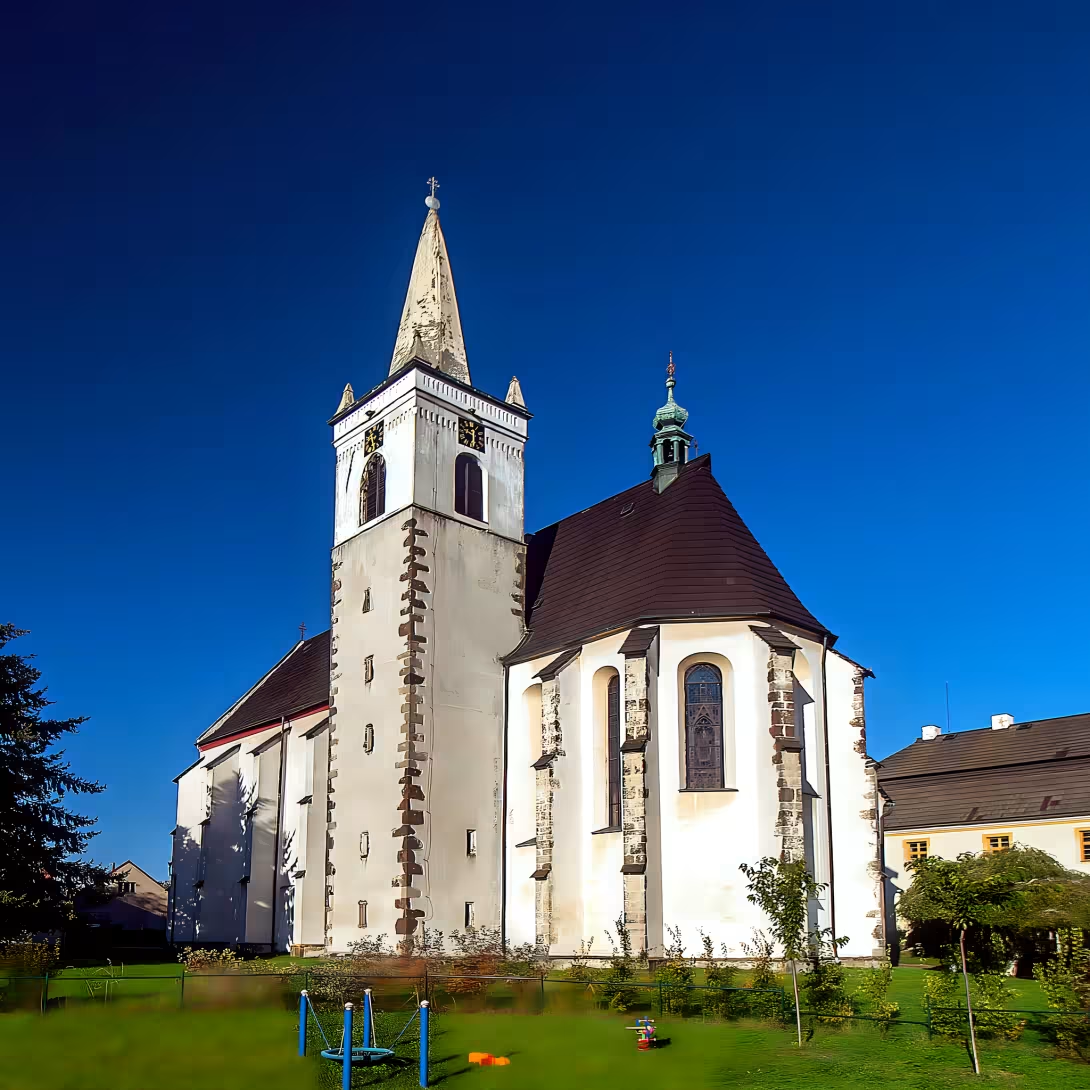
Kostel Narození Panny Marie v Miličíně on Benešov is originally a Gothic sacral building whose history dates back to the second half of the 14th century. Today, this Roman Catholic parish church is protected as a real-estate cultural monument. It forms a significant dominant part of the village and its area also includes a rectory and cemetery wall.
The construction of the shrine began in 1380 and ended on 24 June 1384, i.e. during the Middle Ages during the reign of Luxembourg. The original Gothic form included the vault in the ship and the priesthood. A significant element is the square plan tower, which, at a height of 29 meters, passes into an octave needle.
The appearance of the building was fundamentally transformed after the great fire of the city in 1644, when the roof fell down and broke through the ship's vault. The subsequent Baroque reconstruction resulted in the removal of the gothic circle of windows, the construction of the northern windows and the replacement of the original vault with a flat wooden ceiling. In 1754 the tower was built up to a current height of 43 meters. The interior then obtained fresco decoration from the painter Jan Spitzer, who was attached by František Antonín Müller to the ceiling painting of the Coronation of the Virgin Mary. From the second half of the 18th century also comes the main altar with the painting of the Birth of the Virgin Mary, attributed to Peter Brandle, and richly decorated pulpit with organics by Friedrich Ferdinand Semrod.
The church area has undergone many modifications over the centuries. The cemetery, which originally spread out in the immediate surroundings, was transferred under the hill of Calvary in 1838. In 1923 they discovered a monument at the church to the fallen in the First World War. Two years later, the village rented the area for the park and school gardens. Significant renovation of the interior and equipment took place in 1896 and subsequently in the 1970s under the leadership of Pastor Ivo Kvapila.
The monument is currently maintained in good condition. This is evidenced by regular care of shingles roof using flax ferm, last performed in 2016. The object serves its original purpose, because there are services held every Sunday. Since 2008, the premises have also become a venue for classical music concerts, where a number of important artists have performed.
The Church of the Birth of the Virgin Mary is a valuable document of building development from Gothic to Baroque and is an important witness to the history of Miličína. Visiting this place offers the opportunity to see preserved Baroque art equipment and appreciate the historical value of the building, which remains the natural centre of the village after centuries.
Then and now
Drag the slider to compare how the landmark may have looked when it was built with the view today.
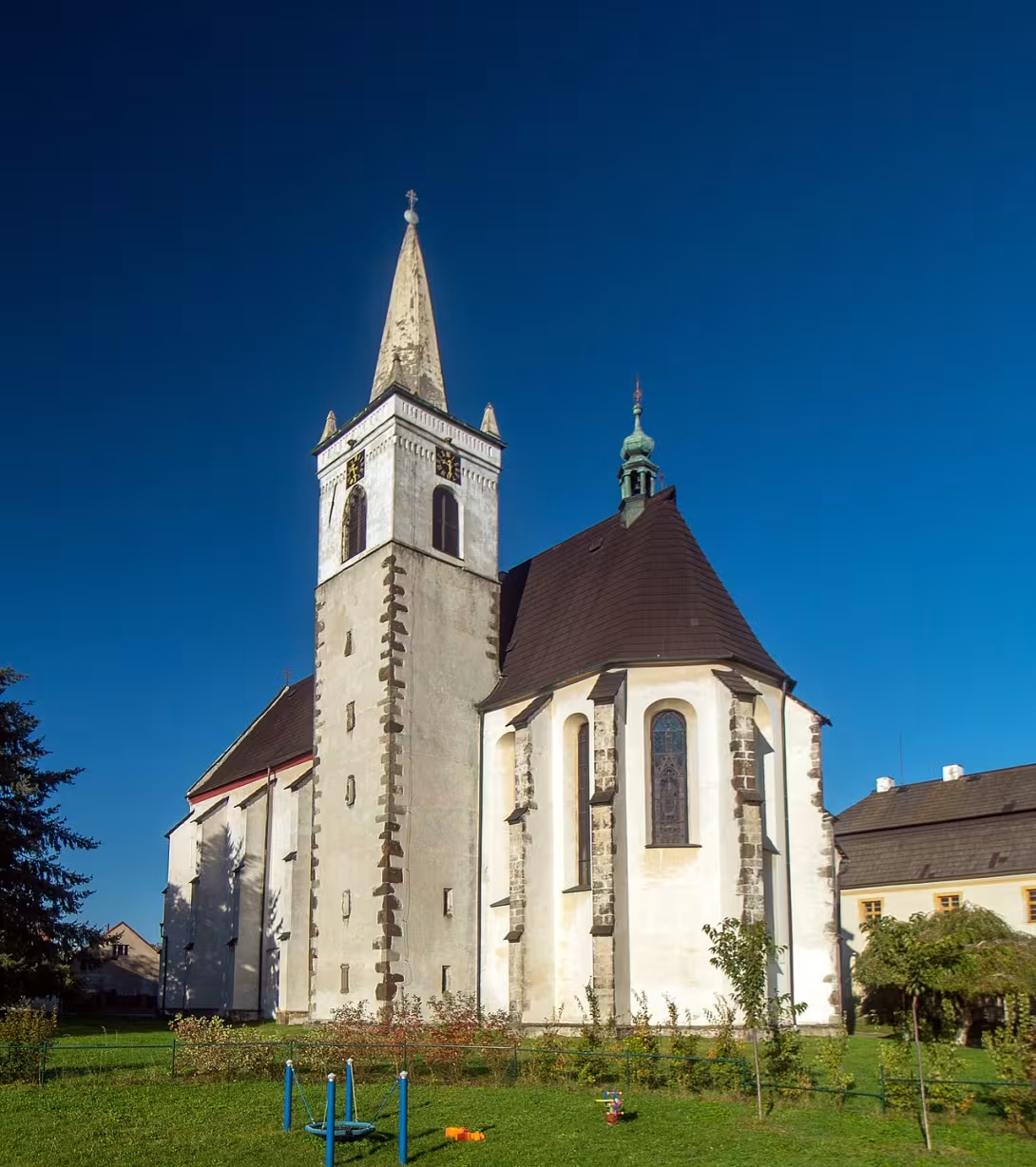
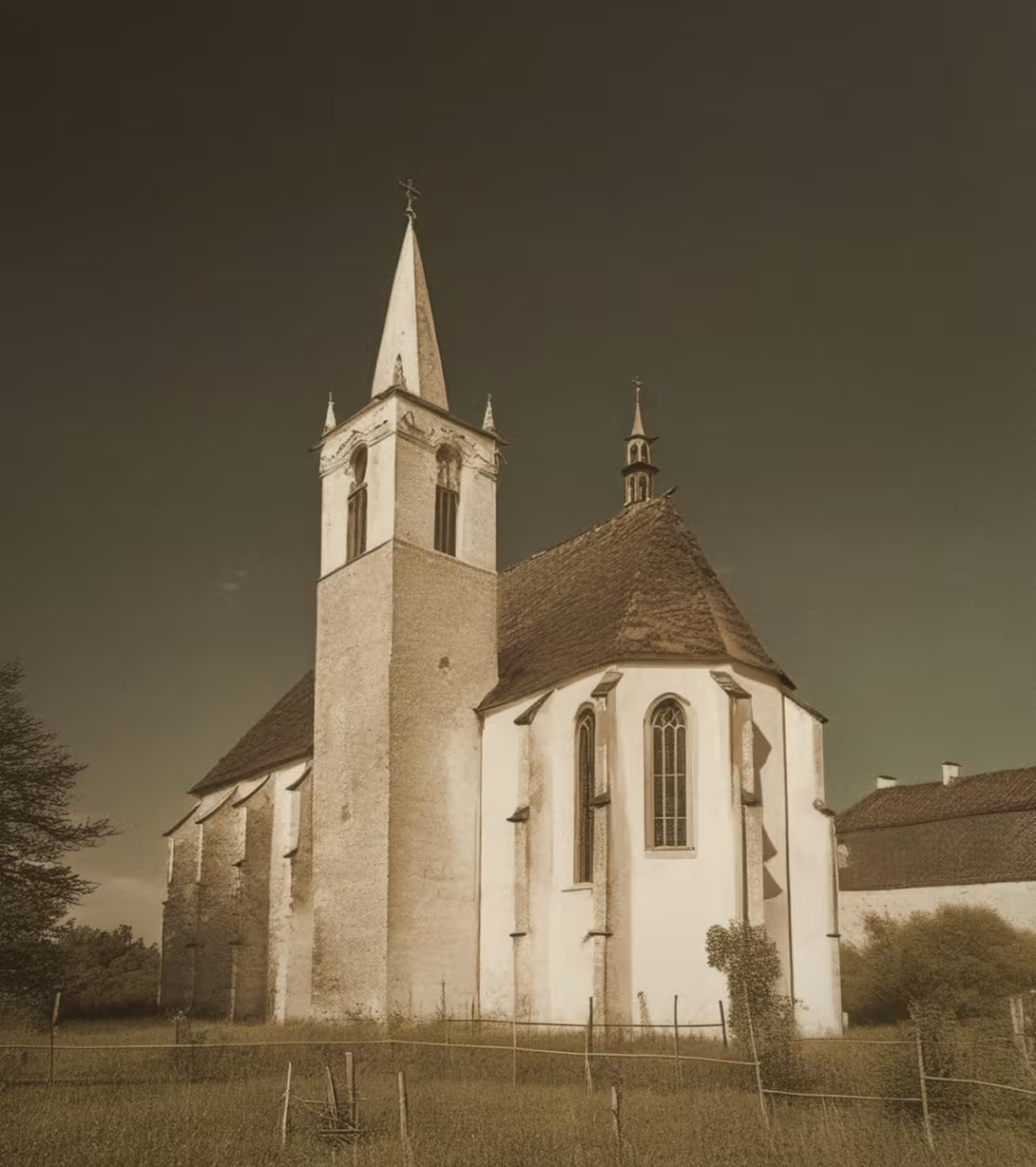
The historical appearance on the left is an AI-generated visualisation and serves as inspiration only.
Historical milestones
- 1380
- Opening of church construction.
- 1384
- Completion of church construction.
- 1754
- More church repairs, tower increases and fresco decorations.
- 1896
- The launch of significant renovation of altars, statues and paintings.
Architectural development
Originally a Gothic church with a cross arch was baroque after the fire in 1644, with the Gothic circle of windows removed and the vault of the ship replaced by a flat wooden ceiling. In the 18th century the tower was raised to 43 metres and the interior was decorated with frescoes. The construction is today characterized as a two-boat hall church with polygonal conclusion.
Historical events
1644: The great fire of the city, which seriously damaged the church and led to subsequent baroque modifications. 1838: Translation of the cemetery from the church under the hill of Calvary. 1923: The unveiling of the memorial of the fallen in the First World War at the church.
Points of interest
- The construction of the church started in 1380 and was completed on 24 June 1384. - The church tower has a square floor plan and at a height of 29 meters passes into an octave needle, and in 1754 it was matured to a height of 43 meters. - After the fire in 1644, the Gothic window circle was removed and the original vault was replaced by a flat wooden ceiling. - The cemetery, originally located in the immediate vicinity of the church, was transferred under the hill of Calvary in 1838. - Shingles roof of the church is regularly maintained using linen ferm, the last time it happened in 2016.
Guide
This guide is narrated by a synthetic voice generated by artificial intelligence.
Show guide text
This text was created by artificial intelligence and has not been editorially reviewed. It may contain inaccuracies.
The Church of the Birth of the Virgin Mary is the landmark of Miličín in the Central Bohemian region on the Benešovsko. The parish church with its slender prismatic tower was built as a Gothic structure. Not only the church itself is protected as a cultural monument, but also the rectory, the cemetery wall, and the grounds of the entire complex.
Construction began in the year 1380 and was completed on June 24th, 1384. The tower with a square floor plan was built first, which at a height of 29 meters transitioned into an octagonal spire. Both the nave and the chancel were covered with a Gothic ribbed vault.
A turning point came in the year 1644, when a massive fire struck the town. The church roof collapsed and broke through the vault in the nave. It was no longer restored in the Gothic style and instead a flat wooden ceiling was created. The windows on the north side were bricked up and the Gothic tracery disappeared from the other windows during the repairs.
Further repairs came in the year 1754. The tower was then built up to a height of 43 meters and the roof was covered with shingles. The walls were decorated by painter Jan Spitzer with frescoes depicting scenes from the life of the Virgin Mary. František Antonín Müller followed this with a ceiling painting of the Coronation of the Virgin Mary. The main altar with a painting of the Birth of the Virgin Mary, which is attributed to Peter Brandl, dates from the second half of the eighteenth century. From the same period are the statues of saints, a richly decorated pulpit and an organ, which was built by Fridrich Ferdinand Semrád from Nová Říše in Moravia.
From the year 1896, extensive renovation took place. The altars and statues were restored, the frescoes and paintings were revived. The last major restoration was led in the seventies of the twentieth century by the Miličín vicar Ivo Kvapil. The statues, altars, pulpit, windows, frescoes, paintings and façade were restored again at that time.
Around the church, a cemetery once stood, which was relocated in the year 1838 to the foot of Kalvárie hill. On October 28th, 1923, a monument to those who fell in the First World War was unveiled at the church. In the year 1925, the area around the church was leased to the municipality, so that a park and garden were created for the then people's agricultural school and beautification society. The school was to establish an orchard and experimental field there.
The shingled roof received a linseed oil varnish treatment in the year 2006, which was repeated in the summer of 2016. Since 2008, concerts of classical music have been held in the church every year. Those who have performed there include organist Jaroslav Tůma, violinist František Novotný, trumpeter Vladimír Rejlek and actor Josef Somr.
Tips for visitors
The ideal time to visit is during the morning or at sunset, when the Baroque architecture of the church excels beautifully in soft light. Due to the position in the elevated location you will enjoy a quiet atmosphere without large crowds of tourists.
You can easily reach the village by car and public transport. We recommend checking the specific transport connections in the current connection search engine.
For photography we recommend to use views from the adjacent hill of Calvary, where panoramic views of the church and surrounding landscape of Benešovska are opened. Don't forget to wear comfortable shoes to move in the field.
In the immediate surroundings you can visit the Calvary Hill, which offers a beautiful nature walk. The village Miličín is the ideal starting point for exploring the picturesque landscape of Benešovska, which is suitable for hiking.
The location is suitable for families with children thanks to the low terrain around the church and Calvary. It is recommended to pack snacks and drinks as refreshments may not always be opened in the immediate surroundings of the monument.
Frequently asked questions
Can the monument be visited?
Religious buildings are usually open mainly during services; at other times a visit is normally arranged with the parish or the operator. We have not verified specific times.
Where is the monument?
Location: Miličín, Středočeský kraj. The map on this page shows the exact spot.
Why is the monument protected?
It is listed in the Central List of Cultural Monuments of the Czech Republic as a cultural monument (register no. 20792/2-118).
For kids
This is a story about the Church of the Birth of the Virgin Mary in Miličín, which has a truly amazingly long history!
It was around 1384 when local people decided to build a beautiful church. So they started collecting stone blocks and wood to build what we see today.
Who lived here? Local people who used to feed on agriculture and trade. They were commendable people who liked music and singing. And that's why they built a church with such beautiful organs that they could be played by a local organist.
Businesses nearby
Do you run a restaurant, accommodation, shop, museum, rental, wellness or other visitor service near this monument? Show yourself directly to the people heading to it — this is how they will see you in the app and on the web:
Nearby
Calvary hill, village Miličín, surrounding landscape Benešovska.
Accommodation nearby
Themed route
Thematic cruise route: Miličín and its spiritual surroundings
1. Church of the Birth of the Virgin Mary * Type: Sacral landmark * Unique baroque-classical church with rich decoration and historical significance for the region. In the interior, the altar paintings and organ will be impressed, and in the exterior a harmonious relationship to the surrounding village.
2. Church area and cemetery * Type: Cultural area * A quiet place with historic tombstones and picturesque surroundings that reflect local traditions. Ideal for short meditation or walking between conservation trees.
3. Calvary Hill * Type: Pilgrim place * Near the church stands a symbolic Calvary with a cross road offering views of the surrounding landscape. Suitable for spiritual reflection or photography.
4. Municipal Centre Miličína * Type: village architecture * Walk through the historical heart of the village with traditional houses and local monuments that complement the atmosphere of the church. It is recommended to visit local events in the summer months.
5. District Landscape Benešovska * Type: Cultural landscape * The surrounding area of Miličína offers typical Czech rural scenery with fields and forests, ideal for cycling or walking. A connection with the church visit is recommended as a contrast between the spiritual and natural environment.
Seasonal recommendations
Spring: In the spring period, the Church of the Birth of the Virgin Mary in Miličín lights up with sunlight, which shines on white facades and emphasizes the colors of blooming nature around. The atmosphere is full of renewal and hope when new vegetation appears in the surrounding forests and fields. During spring, the visit may be a little busy due to the beginning of the tourist season, so we recommend visiting the church in early dawn or late afternoon. Good day is suitable for long walks around and celebrate nature around the sights. When visiting, choose comfortable clothes that allow you to relax even for colder days.
Summer: In summer, Miličín is special because of long summer evenings and warm sunshine, which gives the church a romantic atmosphere. When visiting the main summer season you can meet a larger crowd of tourists, especially on Sundays and evenings, so it is advisable to come earlier in the afternoon. Humidity and sun mean that you should wear light clothes and have no lack of UV protection. In addition to visiting the church, you can enjoy relaxing in green meadows or see a flowering thorny grove.
Autumn: Autumn atmosphere around the Church of the Birth of the Virgin Mary is characterized by arches of colored leaves that give the surroundings a special beauty. The sunny and bright cold days are ideal for visiting, because the crowd is decreasing and you can enjoy a peaceful view of the memory. This season it is advisable to come in the early afternoon or later in the evening when the temperature is milder. We recommend to wear top clothes and shoes for dry conditions as it can occur by snowing.
Winter: In the winter months, the Church of the Birth of the Virgin Mary in Miličín is a shining center of peace and quiet, when white snow sheets connect with clean atmosphere. The opening times of the sights are usually shorter, so it is important to check the current plans before visiting. In winter months, it is recommended to visit the church in the early dawn time or at the end of the afternoon when the temperature is milder and the sun rays illuminate the snow landscape. When visiting, choose warm clothes with waterproof elements to be prepared for cold and possibly wet conditions.
Visualizations and artistic views


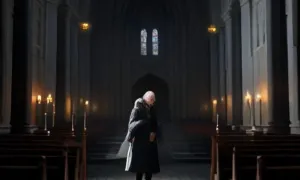
The visualisations are generated by artificial intelligence and serve as inspiration.
Photos from the area
Real photos taken near the monument

Zdroj a licence jsou uvedeny u každého snímku.
Tips from visitors
No tips yet. Be the first!
Log in and add your tip.
Sources and literature
Photos: VitVit / CC BY-SA 4.0, rozlišení zvýšeno umělou inteligencí — Wikimedia Commons. The author and licence also appear when you hover over the image.
Faktickým podkladem tohoto textu byl článek na Wikipedii, jehož autory jsou přispěvatelé Wikipedie. Článek je dostupný pod licencí CC BY-SA 4.0.
Location on the map





Příběhy a pověsti
Legendy, pověsti a příběhy spjaté s touto památkou
Fotografie návštěvníků
Zatím žádné fotografie. Buďte první, kdo přidá fotografii z návštěvy!
Log in a přidejte svou fotografii nebo hodnoťte.
Za ověřenou návštěvu v aplikaci získáte víc bodů — poznáme podle GPS, že jste na místě.
Reviews and comments