






Kostel Panny Marie Bolestné (Dobrá Voda u Českých Budějovic) Church
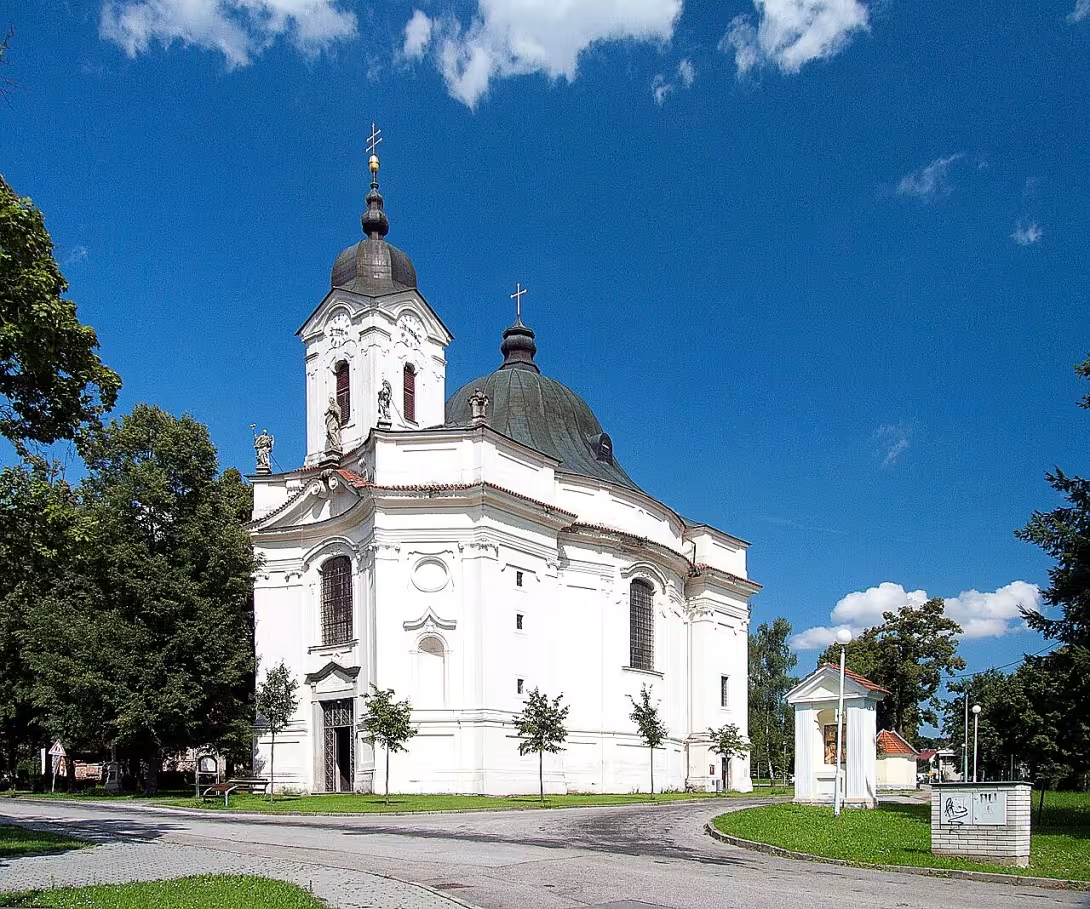
The Church of Our Lady of Sorrows in Dobrá Voda u Českých Budějovic is a notable Baroque monument, celebrated for its architectural elegance and artistic interior. Situated in the village of Dobrá Voda u Českých Budějovic within Southern Bohemia, this church stands as one of the region's most significant Baroque structures. Designed by prominent Prague artists Kilián Ignác Dientzenhofer and Václav Vavřinec Reiner, it captivates with its unique architectural features and richly decorated interior.
Construction began in 1733 and concluded two years later in 1735. The church was consecrated on September 16, 1763, by Prague bishop Jan Ondřej Kayser. This period marked a flourishing era for Baroque architecture across Europe, characterized by dramatic expressions and grandeur. In Bohemia, artists like Dientzenhofer and Reiner played key roles in shaping the architectural landscape.
Architecturally, the church features an oval nave with a distinctive bell-shaped dome, reflecting its creators' innovative spirit. The interior boasts elaborate frescoes predominantly featuring biblical themes, crafted by Václav Vavřinec Reiner. These frescoes contribute to the church's rich artistic heritage. Additionally, the main altar, created by G.B. Allia, includes paintings by Bartoloměj Čurný from the late 19th century, enhancing its artistic value.
The interior decoration continued for many years after construction, with significant contributions from Václav Vavřinec Reiner. During World War I in 1916, a requisitioning commission seized two of the church's three bells. Two new bells were replaced and blessed on March 16, 1924.
In recent history, preservation efforts included allocating funds amounting to 1,600,000 Kč under a program aimed at saving architectural heritage in 1996. This initiative underscores the importance placed on maintaining the church's historical and cultural significance.
The surroundings of the Church of Our Lady of Sorrows feature a Stations of the Cross and a replica of the Holy Sepulchre. The chapels in this area, established between 1837 and 1839, were restored in 1880 and most recently updated in 1996 with modern paintings by Renata Štolbová.
Today, the Church of Our Lady of Sorrows remains a site of cultural and historical importance, attracting visitors who appreciate its architectural beauty and artistic richness. Preservation efforts ensure that future generations can continue to enjoy this remarkable Baroque monument. Visitors are invited to explore this historic church and immerse themselves in its unique blend of artistry and history.
Then and now
Drag the slider to compare how the landmark may have looked when it was built with the view today.
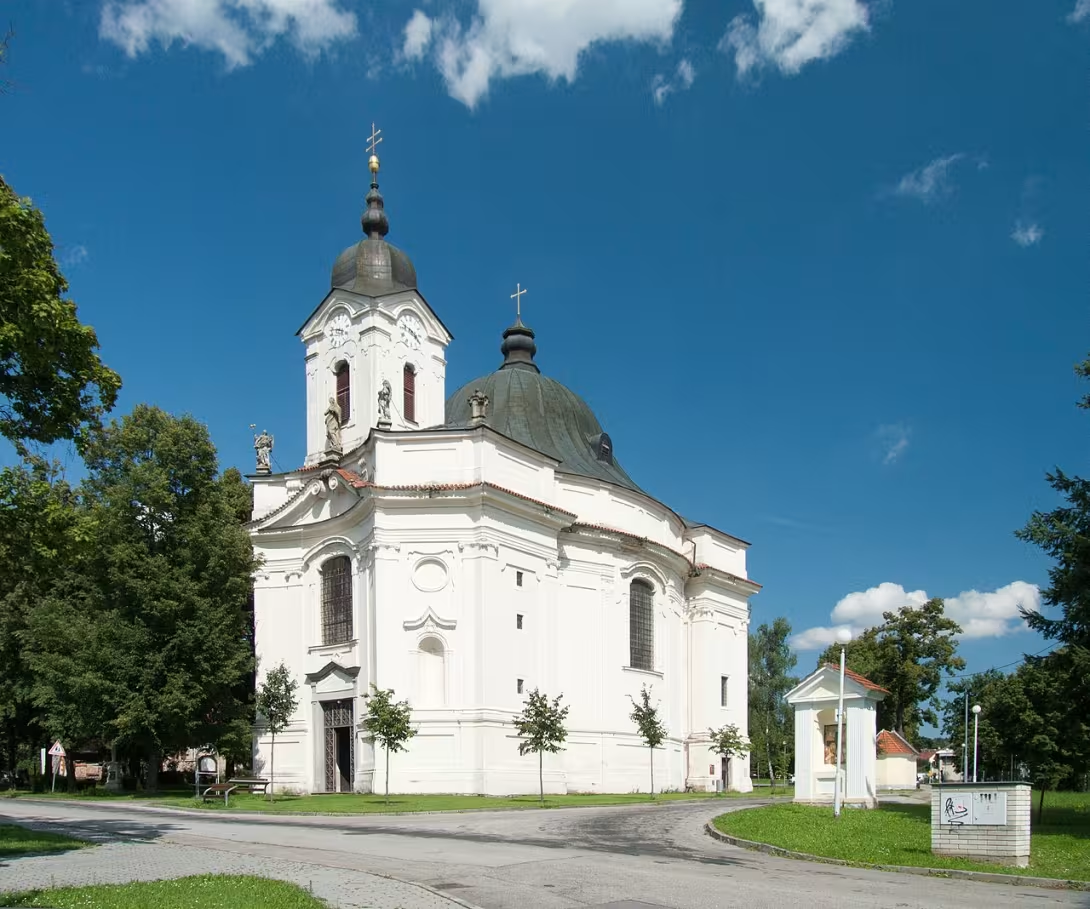
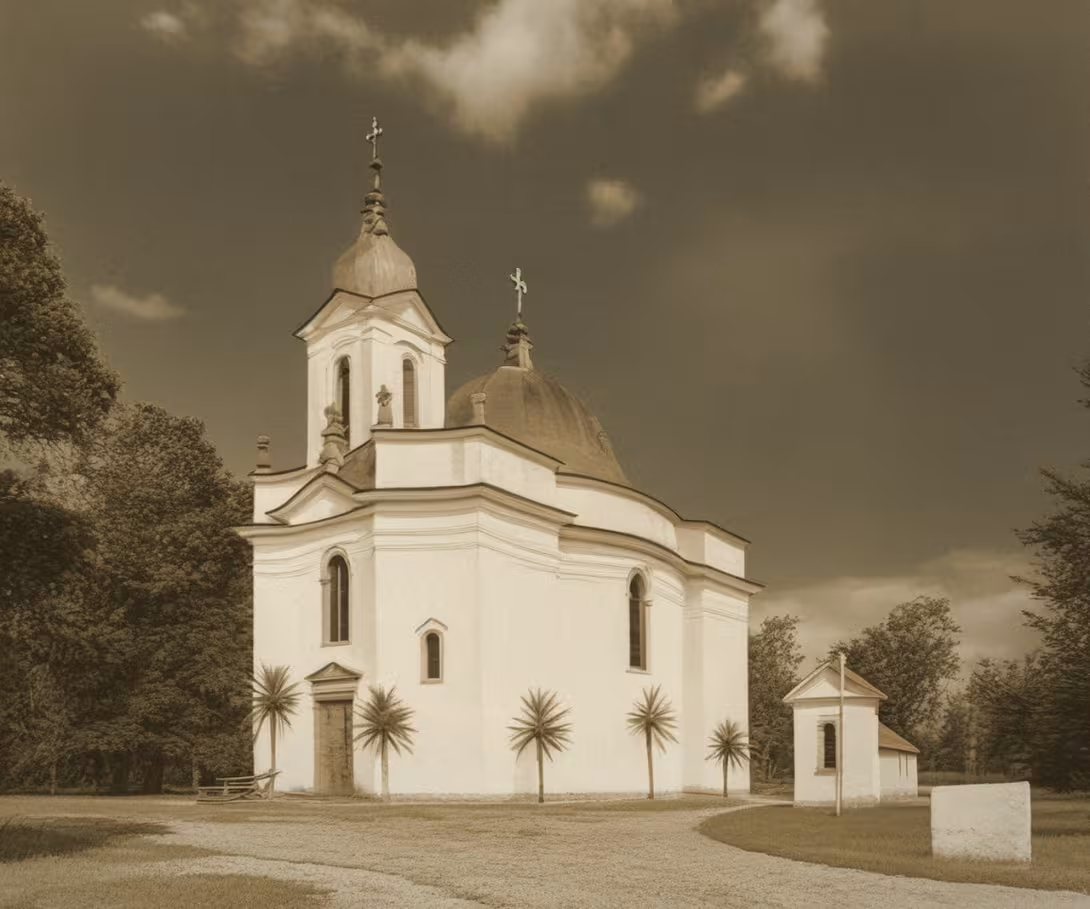
The historical appearance on the left is an AI-generated visualisation and serves as inspiration only.
Historical milestones
- 1733
- Construction of the church began.
- 1735
- The construction of the church was completed.
- 1763
- The church was consecrated by Jan Ondřej Kayser.
- 1916
- Two of the three church bells were requisitioned during World War I.
- 1924
- Replacement and blessing of two new bells occurred.
Architectural development
The Church of Our Lady of Sorrows showcases Baroque architecture with an oval nave and a bell-shaped dome. The interior is richly decorated with frescoes by Václav Vavřinec Reiner, featuring biblical motifs. The main altar, created by G.B. Allia, includes paintings by Bartoloměj Čurný from the late 19th century.
Historical events
Construction began in 1733 and was completed by 1735.
The church was consecrated on September 16, 1763, by the Prague bishop Jan Ondřej Kayser.
Points of interest
- The Church of Our Lady of Sorrows was consecrated by Prague bishop Jan Ondřej Kayser in 1763, a period when Baroque architecture was flourishing across Europe with its dramatic expressions and grandeur.
- Despite being completed in the mid-18th century, the church's interior decoration continued for many years after construction, showcasing ongoing artistic contributions particularly from Václav Vavřinec Reiner.
- During World War I, a requisitioning commission seized two of the church’s three bells in 1916. The church later replaced and blessed two new bells on March 16, 1924, marking a significant moment in its history.
- In 1996, preservation efforts for the Church included an allocation of 1,600,000 Kč under a program aimed at saving architectural heritage, highlighting the cultural importance placed on maintaining this historical site.
- The chapels surrounding the church were restored in 1880 and most recently updated with modern paintings by Renata Štolbová in 1996, blending contemporary artistry with historic structures.
Guide
This guide is narrated by a synthetic voice generated by artificial intelligence.
Show guide text
This text was created by artificial intelligence and has not been editorially reviewed. It may contain inaccuracies.
Welcome to the Church of Our Lady of Sorrows in Dobrá Voda u Českých Budějovic—a stunning Baroque monument that stands as a testament to Southern Bohemia's rich architectural heritage. As you stand here, take a moment to absorb the grandeur before you. The church's elegant façade and its unique bell-shaped dome immediately capture your attention, inviting you into a world where artistry meets devotion.
Let's delve into the origins of this magnificent structure. Construction began in 1733, driven by the vision of two prominent Prague architects: Kilián Ignác Dientzenhofer and Václav Vavřinec Reiner. Their collaboration resulted in a church that not only served as a place of worship but also as an artistic statement during a time when Baroque architecture was flourishing across Europe, known for its dramatic expressions and grandeur.
As you look around, notice the architectural elegance that defines this space. The church's oval nave is particularly striking, showcasing the innovative design choices typical of the Baroque period. While much of the interior decoration continued beyond the mid-18th century completion date, what stands out now are elements like the harmonious proportions and detailed craftsmanship that have withstood the test of time.
A significant moment in the church's history occurred in 1763 when it was consecrated by Prague bishop Jan Ondřej Kayser. This event marked a pivotal point, embedding the church deeper into the cultural fabric of the region during an era rich with artistic and architectural achievements.
One intriguing aspect of this church is its resilience through history. During World War I, in 1916, two of the three original bells were requisitioned—a testament to the challenges faced by communities during tumultuous times. However, hope was restored in 1924 when two new bells were blessed, symbolizing renewal and continuity.
As you continue your exploration, take a moment to reflect on these stories that echo through the church's walls. Each detail here carries with it centuries of history, inviting you not just to observe but to connect with the past.
We invite you to delve deeper into this architectural gem, exploring every corner and perhaps even imagining the lives of those who have walked these paths before you. Thank you for joining us on this journey through time at the Church of Our Lady of Sorrows. We hope it has been as enriching for you as it is for us to share its story.
Businesses nearby
Do you run a restaurant, accommodation, shop, museum, rental, wellness or other visitor service near this monument? Show yourself directly to the people heading to it — this is how they will see you in the app and on the web:
Events nearby
Zdroj akcí: otevřená data měst a obcí ČR (Národní katalog otevřených dat) a kalendář akcí Národního památkového ústavu.
Nearby
Near the church is a Stations of the Cross and a replica of the Holy Sepulchre. The surrounding chapels were established between 1837 and 1839, restored in 1880, and most recently updated in 1996 with modern paintings by Renata Štolbová.
Accommodation nearby
Trips and activities nearby
Guided tours, tickets and activities nearby from GetYourGuide
Affiliate link: if you buy from the partner, we may receive a commission. The price for you does not change.
Search tours and activities →Themed route
Thematic Walking Tour: The Sacred Path at Dobrá Voda u Českých Budějovic
1. Kostel Panny Marie Bolestné (Church of Our Lady of Sorrows) - Type: Church - Why Visit: Begin your journey at this stunning baroque church, a centerpiece of spiritual devotion and architectural beauty in Dobrá Voda u Českých Budějovic. The church is renowned for its serene atmosphere and intricate design, offering visitors a peaceful retreat steeped in history.
2. Stations of the Cross - Type: Religious Pathway - Why Visit: Located near the Church of Our Lady of Sorrows, this pathway offers a reflective experience as you walk through each station depicting Christ's journey to Calvary. It provides an opportunity for contemplation and spiritual connection, enhancing your understanding of Christian traditions.
3. Replica of the Holy Sepulchre - Type: Religious Replica - Why Visit: Just a short walk from the church, this replica offers a profound glimpse into one of Christianity's most sacred sites. It serves as an educational and inspirational landmark for visitors interested in religious history and artistry.
4. Chapels (1837-1839) - Type: Chapels - Why Visit: Explore the series of chapels established between 1837 and 1839, which were beautifully restored in 1880 and updated with modern paintings by Renata Štolbová in 1996. These chapels provide a rich tapestry of religious art and history, showcasing the evolution of spiritual expression over time.
5. Modern Paintings by Renata Štolbová - Type: Art Installation - Why Visit: Conclude your tour with an appreciation for the contemporary artwork adorning the chapels. Renata Štolbová's modern paintings offer a fresh perspective on traditional themes, blending historical reverence with artistic innovation.
This thematic walking tour invites you to immerse yourself in the spiritual and cultural heritage of Dobrá Voda u Českých Budějovic, offering a journey through time and faith.
Seasonal recommendations
Spring: The Church of Our Lady of Sorrows in Dobrá Voda ushers visitors into a season of renewal, with blossoming flora and gentle sunlight casting a warm glow over the historic architecture. Springtime brings a sense of awakening to the surrounding countryside, making it an ideal time for nature lovers to explore the area's beauty. As the church grounds become more vibrant, visitor numbers may increase, so arriving early in the day can help avoid crowds. Light layers are recommended due to the mild temperatures, and comfortable walking shoes are advisable for exploring nearby trails.
Summer: Summer at the Church of Our Lady of Sorrows is characterized by long days filled with sunshine that accentuates the church's intricate details. The lush greenery surrounding Dobrá Voda becomes a picturesque backdrop, perfect for leisurely walks or picnics in the open fields. This season attracts more visitors due to its favorable weather and outdoor activities, so planning your visit during off-peak hours can enhance your experience. Dressing in breathable clothing is essential, and carrying water is advisable to stay hydrated under the summer sun.
Autumn: Autumn transforms Dobrá Voda into a tapestry of warm colors as leaves change hues, creating an enchanting atmosphere around the Church of Our Lady of Sorrows. The cooler temperatures make it a pleasant time for exploring without the summer crowds, allowing visitors to appreciate the church's serene ambiance and historical significance more intimately. Layered clothing is recommended to adapt to fluctuating weather conditions, and visiting in the late morning or early afternoon can provide the best lighting for photography.
Winter: Winter cloaks the Church of Our Lady of Sorrows with a quiet beauty, as snow may blanket the landscape, offering a serene and contemplative atmosphere. The shorter days mean that visits should be planned during daylight hours to fully appreciate the church's architecture under the soft winter light. Visitor numbers typically decrease in this season, providing a more intimate experience. Warm clothing is essential, including hats, gloves, and scarves, to comfortably enjoy your visit while taking care of any slippery conditions on pathways.
Visualizations and artistic views


The visualisations are generated by artificial intelligence and serve as inspiration.
Photos from the area
Real photos taken near the monument


Zdroj a licence jsou uvedeny u každého snímku.
Atmosphere of the place
This atmospheric visualisation of the place and period was generated by artificial intelligence. It is not real footage of the location.
Tips from visitors
No tips yet. Be the first!
Log in and add your tip.
Sources and literature
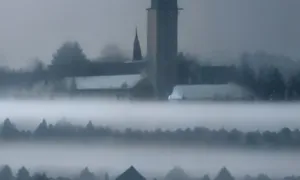
Photos: Jitka Erbenová (cheva) / CC BY-SA 3.0 — Wikimedia Commons. The author and licence also appear when you hover over the image.
Faktickým podkladem tohoto textu byl článek na Wikipedii, jehož autory jsou přispěvatelé Wikipedie. Článek je dostupný pod licencí CC BY-SA 4.0.
Location on the map
More monuments – Dobrá Voda u Českých Budějovic
Show all in the municipality


Příběhy a pověsti
Legendy, pověsti a příběhy spjaté s touto památkou
Fotografie návštěvníků
Zatím žádné fotografie. Buďte první, kdo přidá fotografii z návštěvy!
Log in a přidejte svou fotografii nebo hodnoťte.
Za ověřenou návštěvu v aplikaci získáte víc bodů — poznáme podle GPS, že jste na místě.
Reviews and comments