






Kostel svaté Ludmily (Mělník) Church
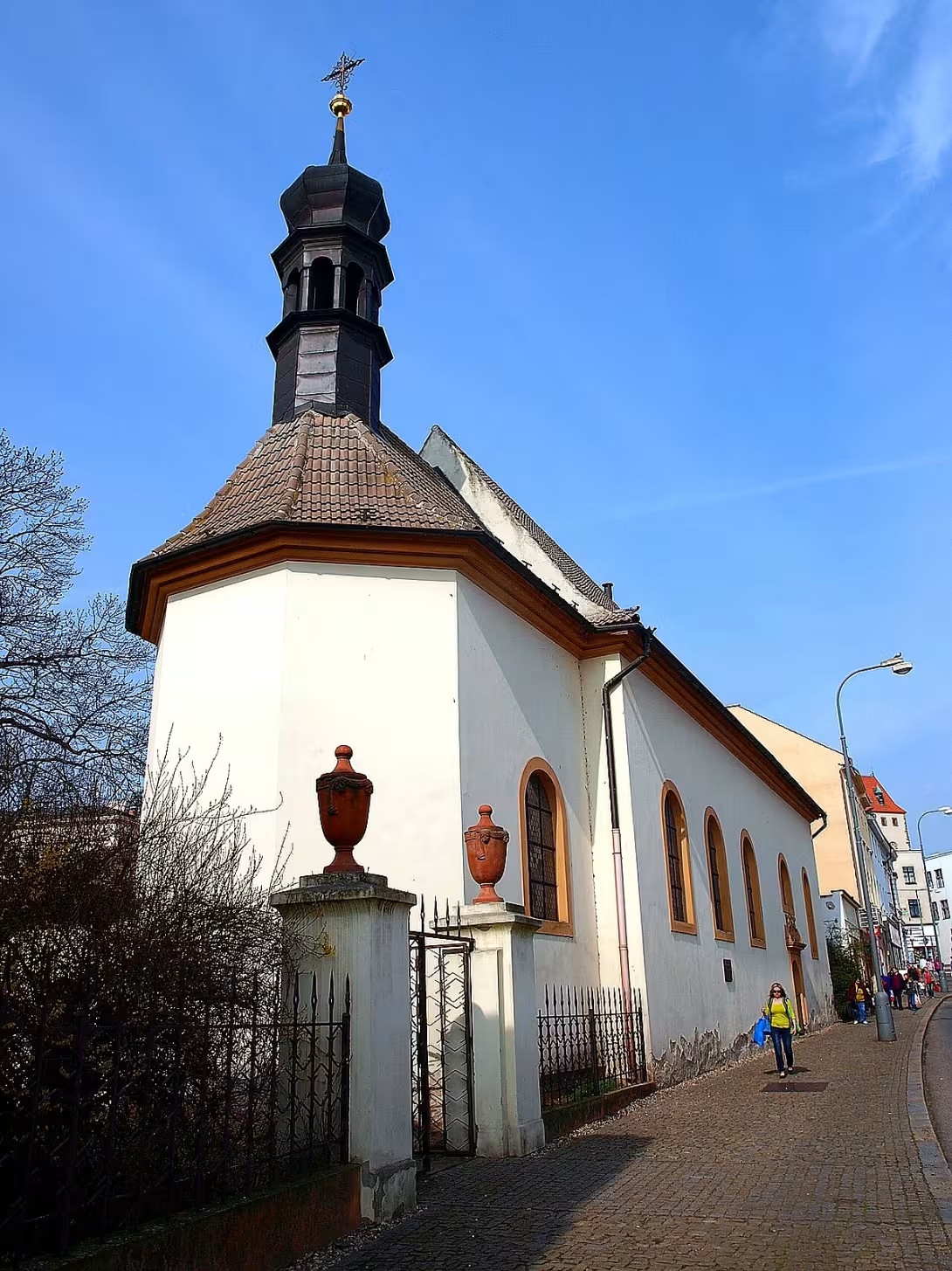
The Baroque Church of St. Ludmila in Mělník is a significant cultural monument with a rich history tied to the legend of Princess Ludmila. Its architecture and artistic features draw visitors from across the region.
Originally built in 1585, the church was intended as a shelter for the poor. The land on which it stands was donated by local resident Ludmila Mettelicová, widow of Hron Divický, to the city in 1583 with the intention of building a church. Although she did not live to see its completion, her legacy lives on through this beautiful monument.
The church's architecture and artistic features are notable for their beauty and historical significance. After being destroyed by Swedish forces during the Thirty Years' War in 1639, it was rebuilt in Baroque style between 1673 and 1683. Further reconstruction took place in the early 20th century according to Antonín Wiehl's project.
The church's interior features a pulpit with an image of four saints from 1699 and the main altar with an image of St. Ludmila from 1746. The oldest preserved bell, cast in 1598, is housed in the wooden belfry that stands in the churchyard. This charming structure was moved to its current location from a national exhibition in 1895.
Today, the Baroque Church of St. Ludmila remains an important cultural landmark and a testament to the region's rich history. Visitors can explore its beautiful architecture and artistic features, making it a must-see destination for anyone interested in Czech heritage.
Then and now
Drag the slider to compare how the landmark may have looked when it was built with the view today.
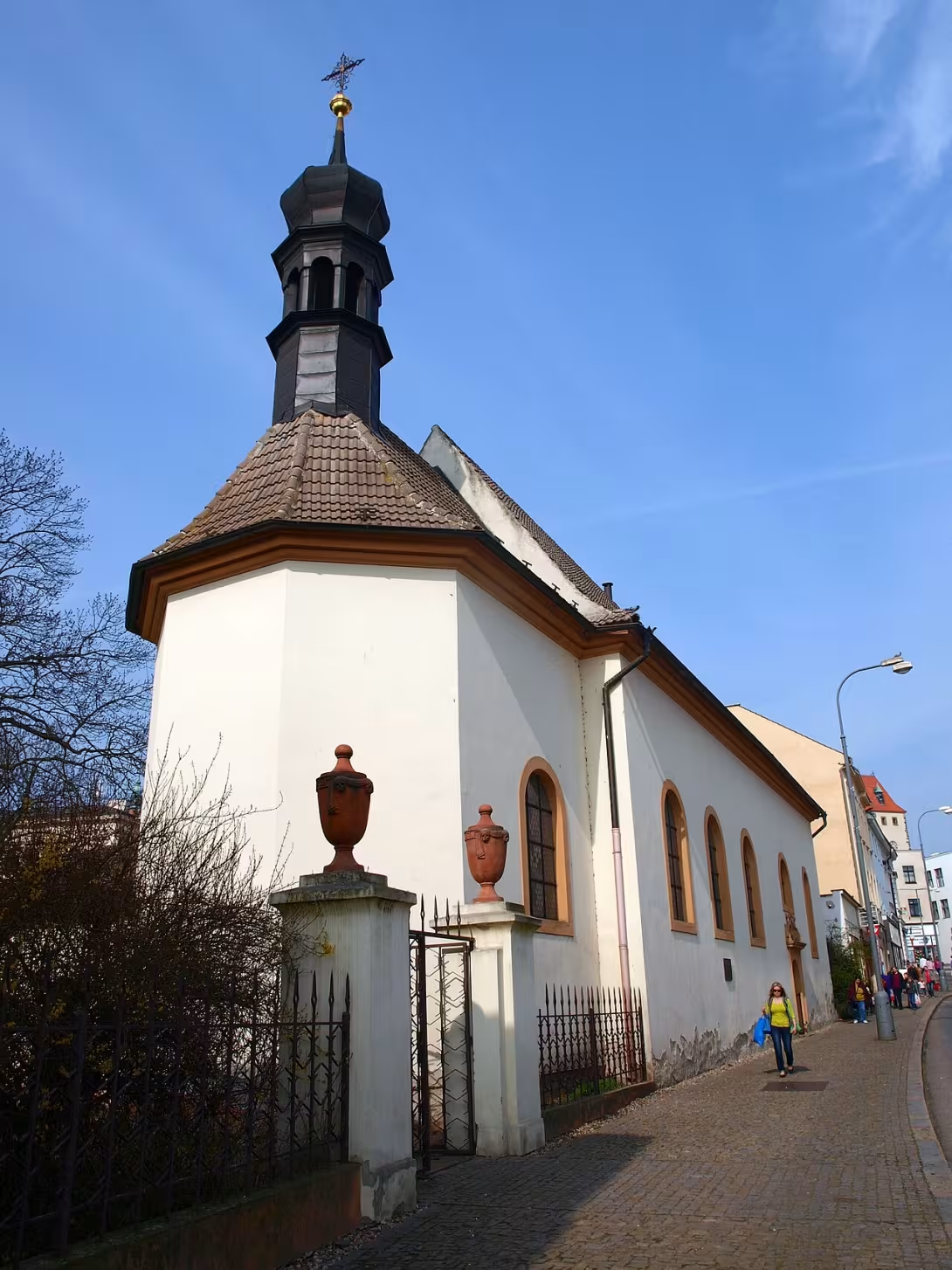

The historical appearance on the left is an AI-generated visualisation and serves as inspiration only.
Historical milestones
- 1583
- Ludmila Mettelicová donates land for the church's construction
- 1585
- The Baroque Church of St. Ludmila is originally built
- 1598
- Oldest preserved bell is cast
- 1639
- Church is destroyed by Swedish forces during the Thirty Years' War
- 1673
- Rebuilding of the church in Baroque style begins
- 1683
- Rebuilding of the church in Baroque style completes
- 1699
- Pulpit with an image of four saints is created
- 1746
- Main altar with an image of St. Ludmila is created
- 1895
- Wooden belfry is moved to its current location from a national exhibition
Architectural development
The church was originally built in the late 16th century and rebuilt after being destroyed by Swedish forces during the Thirty Years' War. It underwent further reconstruction in the early 20th century according to Antonín Wiehl's project.
Historical events
- 1585
- Construction of the church began.
- 1639
- The church was destroyed by Swedish forces during the Thirty Years' War.
- 1673
- The church was rebuilt in Baroque style.
- 1746
- The main altar with an image of St. Ludmila was created.
Owners
Ludmila Mettelicová
Mělnické farnosti
Points of interest
– The church's original intention was not for worship, but as a shelter for the poor, reflecting the charitable nature of its namesake, Princess Ludmila.
– Despite being destroyed during the Thirty Years' War, the church's architecture and artistic features were preserved through meticulous reconstruction in Baroque style between 1673 and 1683.
– The oldest preserved bell, cast in 1598, is housed in a wooden belfry that was originally moved to its current location from a national exhibition in 1895 – a testament to the church's enduring significance.
Guide
This guide is narrated by a synthetic voice generated by artificial intelligence.
Show guide text
This text was created by artificial intelligence and has not been editorially reviewed. It may contain inaccuracies.
Welcome to the Baroque church of St. Ludmila in Mělník! As you stand before this historic monument, take a moment to appreciate its beauty and significance.
As you gaze upon the church's façade, notice the intricate details that reflect its rich history. The original intention behind this building was not for worship, but as a shelter for the poor – a testament to the charitable nature of its namesake, Princess Ludmila.
The construction of the church began in 1583, when Princess Ludmila donated land for the project. By 1585, the Baroque Church of St. Ludmila was originally built, and it would go on to become an important cultural monument in the region.
As you walk around the church, take note of its unique architecture. The building's design is a perfect blend of Baroque and Renaissance styles, with ornate details that seem to come alive in the light.
Now, let me share some fascinating stories about the people connected to this place. One such figure is Hron Divický, who played a significant role in the church's history. And then there's Princess Ludmila herself – a true patron of the arts and a symbol of kindness and generosity.
As you explore the church, keep an ear out for its oldest preserved bell, cast in 1598. It's just one of many fascinating facts that make this place so special.
But here's something that might surprise you: despite being destroyed during the Thirty Years' War, the church was rebuilt in Baroque style by 1673 – a testament to the region's resilience and determination.
As you take in the atmosphere of this historic monument, remember that every stone, every detail, tells a story. And as you stand here today, you're part of that story too.
So take your time, soak it all in, and let the beauty and history of this place leave its mark on you. When you're ready to continue exploring, I'll be here to guide you through the rest of this incredible journey.
Tips for visitors
Best Time to Visit: The Baroque church of St. Ludmila is open year-round, but the best time to visit is during spring and autumn when the weather is mild and sunny. This allows you to fully appreciate the church's architecture and surroundings without the harsh conditions of winter or summer heatwaves. What to Bring: Wear comfortable shoes for walking around the church and its surroundings. A camera is also recommended to capture the stunning architecture and beautiful gardens. Photography: The best spots for photography are around the church's exterior, particularly during sunrise or sunset when the light is soft and golden. Be mindful of any restrictions on flash photography or tripods. What to See Nearby: Within a 30-minute radius, you can visit other historical landmarks such as Mělník Castle, which offers stunning views of the surrounding countryside.
Frequently asked questions
Can the monument be visited?
Religious buildings are usually open mainly during services; at other times a visit is normally arranged with the parish or the operator. We have not verified specific times.
Where is the monument?
Location: Mělník, Středočeský kraj. The map on this page shows the exact spot.
Why is the monument protected?
It is listed in the Central List of Cultural Monuments of the Czech Republic as a cultural monument (register no. 26196/2-1358).
Businesses nearby
Do you run a restaurant, accommodation, shop, museum, rental, wellness or other visitor service near this monument? Show yourself directly to the people heading to it — this is how they will see you in the app and on the web:
Accommodation nearby
Trips and activities nearby
Guided tours, tickets and activities nearby from GetYourGuide
Affiliate link: if you buy from the partner, we may receive a commission. The price for you does not change.
Search tours and activities →Themed route
Tematická výletní trasa: Kostel svaté Ludmily a okolí
1. Mělnické náměstí (public square) Why visit: This charming square is the heart of Mělník's historic center, surrounded by beautiful Renaissance buildings and offering a glimpse into the town's rich history. Distance from Kostel svaté Ludmily: 0.5 km 2. Renesanční dům čp. 45 (Renaissance house) Why visit: This well-preserved Renaissance building is one of the oldest in Mělník and features an impressive facade with ornate decorations. Distance from Mělnické náměstí: 100 m 3. Kostel svaté Ludmily (strong emphasis) (Main attraction) Why visit: This stunning Baroque church is a masterpiece of Czech architecture, featuring intricate stone carvings, beautiful frescoes, and an impressive tower.
Note: The above-mentioned attractions are located within the town center of Mělník, making it easy to explore them on foot.
Seasonal recommendations
Here is the seasonal recommendation for visiting the Historical Monument of St. Ludmila Church (Mělník):
Spring
As spring awakens, the churchyard and surrounding nature come alive with vibrant greenery and blooming flowers. The soft morning light casts a warm glow on the historic architecture, making it an ideal time to visit. Practical tips: arrive early to avoid crowds, dress comfortably for a leisurely stroll, and take advantage of the pleasant weather.
Summer
During the peak summer season, the churchyard is filled with lush greenery and colorful flowers. The warm sunshine highlights the intricate stone carvings and ornate details of the church's architecture. Practical tips: plan your visit early in the morning to beat the crowds, wear comfortable shoes for walking, and don't forget sunscreen.
Autumn
As autumn leaves rustle in the gentle breeze, the churchyard takes on a warm, golden hue. The soft afternoon light casts long shadows across the historic buildings, creating a peaceful atmosphere. Practical tips: visit during the week to avoid weekend crowds, dress warmly for cooler mornings and evenings, and enjoy the scenic views.
Winter
During the winter months, the churchyard is blanketed with snow, adding a serene beauty to the already historic surroundings. The soft morning light casts long shadows across the snow-covered grounds, creating a peaceful atmosphere. Practical tips: plan your visit during shorter daylight hours, dress warmly for cold weather, and take advantage of the reduced crowds.
Please note that these recommendations are general and not specific to any particular festival or event.
Visualizations and artistic views


The visualisations are generated by artificial intelligence and serve as inspiration.
Photos from the area
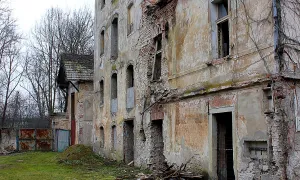
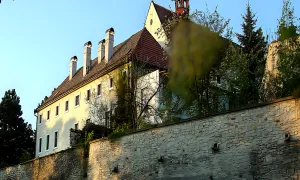
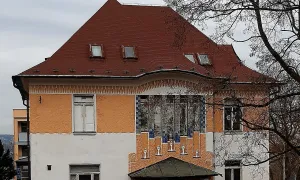
Real photos taken near the monument

Zdroj a licence jsou uvedeny u každého snímku.
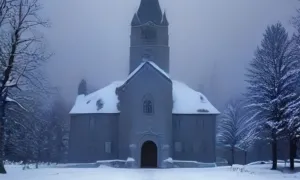
Atmosphere of the place
This atmospheric visualisation of the place and period was generated by artificial intelligence. It is not real footage of the location.
Tips from visitors
No tips yet. Be the first!
Log in and add your tip.
Sources and literature
Photos: VitVit / CC BY-SA 4.0 — Wikimedia Commons. The author and licence also appear when you hover over the image.
Location on the map

Příběhy a pověsti
Legendy, pověsti a příběhy spjaté s touto památkou
Fotografie návštěvníků
Zatím žádné fotografie. Buďte první, kdo přidá fotografii z návštěvy!
Log in a přidejte svou fotografii nebo hodnoťte.
Za ověřenou návštěvu v aplikaci získáte víc bodů — poznáme podle GPS, že jste na místě.
Reviews and comments