






městské opevnění Mělníka Fortifications
Objekt se nedochoval — na místě dnes nestojí. Následující text popisuje jeho historii, ne současnou návštěvu.
The Mělník city fortifications are remnants of a medieval defensive system that once encircled the town, offering insights into its historical urbanism and architecture. Located in Mělník, these fortifications include about 400 meters of outer walls along Erbenova and Ostruhova streets north of Náměstí Míru. Originally built to protect a pre-medieval stronghold, they featured two gates: Labská and Pražská. The latter is the oldest surviving part, dating back to the late 13th century.
Constructed during King Wenceslaus II's reign when Bohemia was part of the Holy Roman Empire, this era saw increased urbanization and efforts to fortify cities against invasions and local conflicts. The Mělník fortifications reflect these medieval defensive strategies and broader trends in Central Europe.
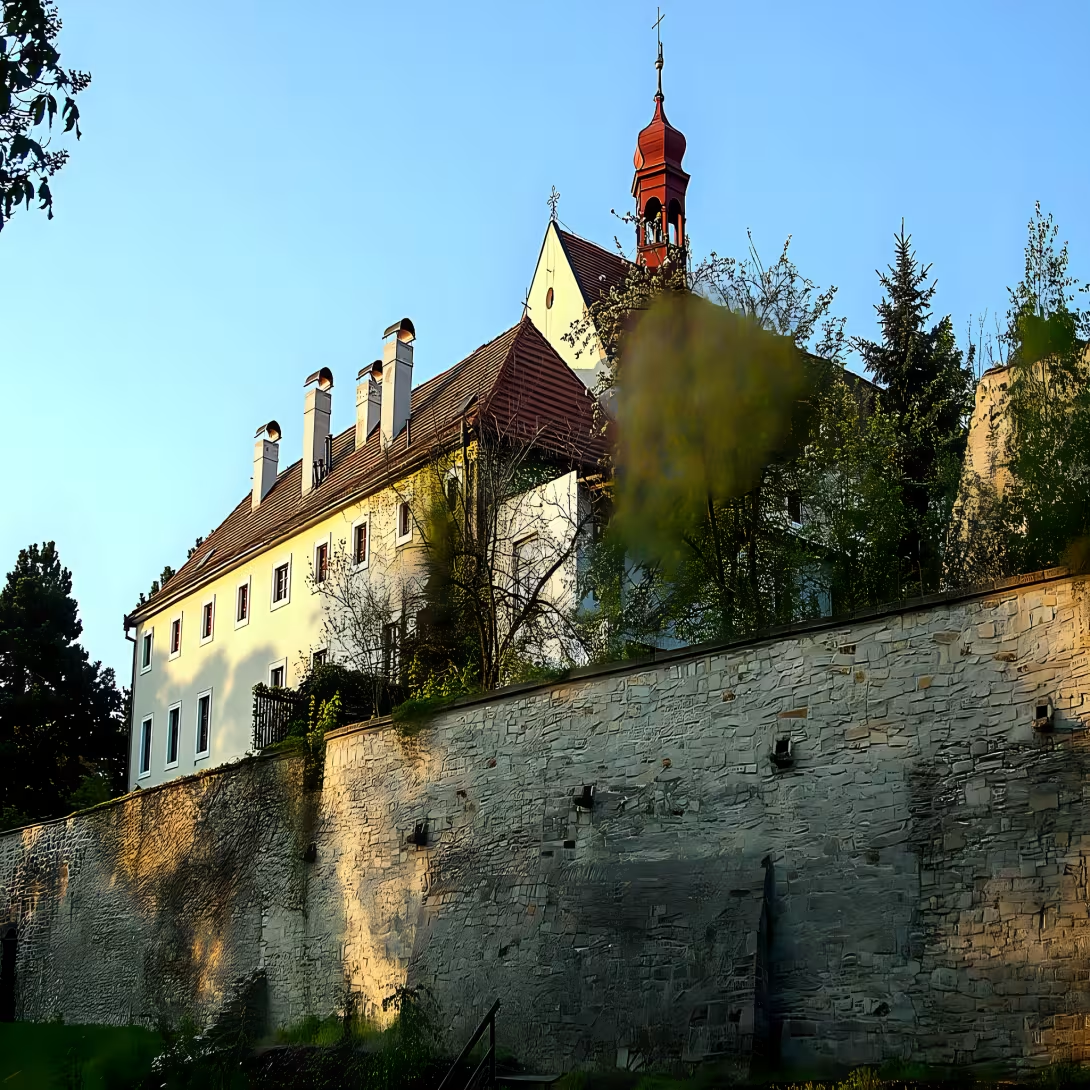
Architecturally, the main wall, now partially preserved, was originally about two meters thick and constructed from opus. The best-preserved section is behind house number 55 on Erbenova Street. Additionally, the parkánová hradba includes a pentagonal bastion with rectangular arrow slits at Ostruhova ulice 59/7. The outer wall, approximately 70 cm thick, survives only on the northeast side of the city.
Throughout its history, the fortifications underwent several changes. In the 19th century, most walls and the Labská brána were demolished. However, Pražská brána has seen multiple reconstructions, including a significant Renaissance modification in 1536 that raised it by one and a half floors. Over time, it served various purposes, including as a prison and later as a water tower for drawing water from the Pšovka stream.
Today, visitors can access the remnants of Mělník's fortifications to glimpse its medieval past. The Pražská brána now functions as a café and gallery, standing as a testament to the site's historical significance. The surrounding area includes residential buildings and historical sites like the former Capuchin monastery, enhancing its appeal.
The Mělník city fortifications are not only valuable architectural history but also a cultural landmark connecting visitors with the medieval past of this charming town. Their preservation allows for an appreciation of the strategic importance and urban development of Mělník during the Middle Ages. Visitors are encouraged to explore these remnants, offering a unique window into Central Europe's historical landscape.
Then and now
Drag the slider to compare how the landmark may have looked when it was built with the view today.
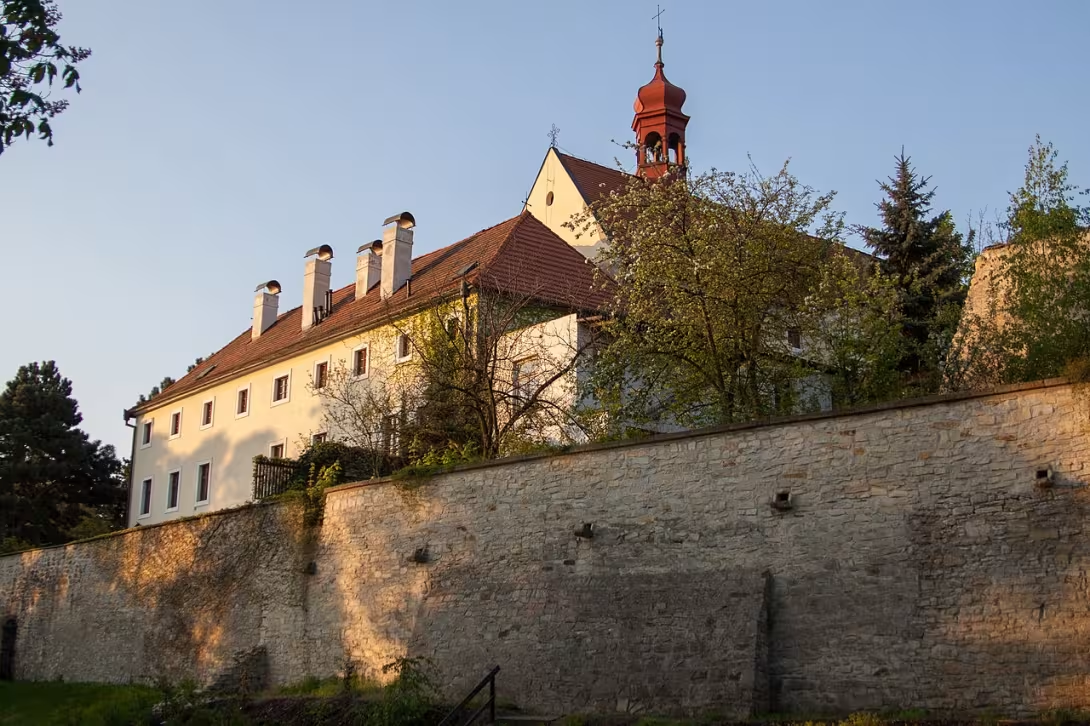
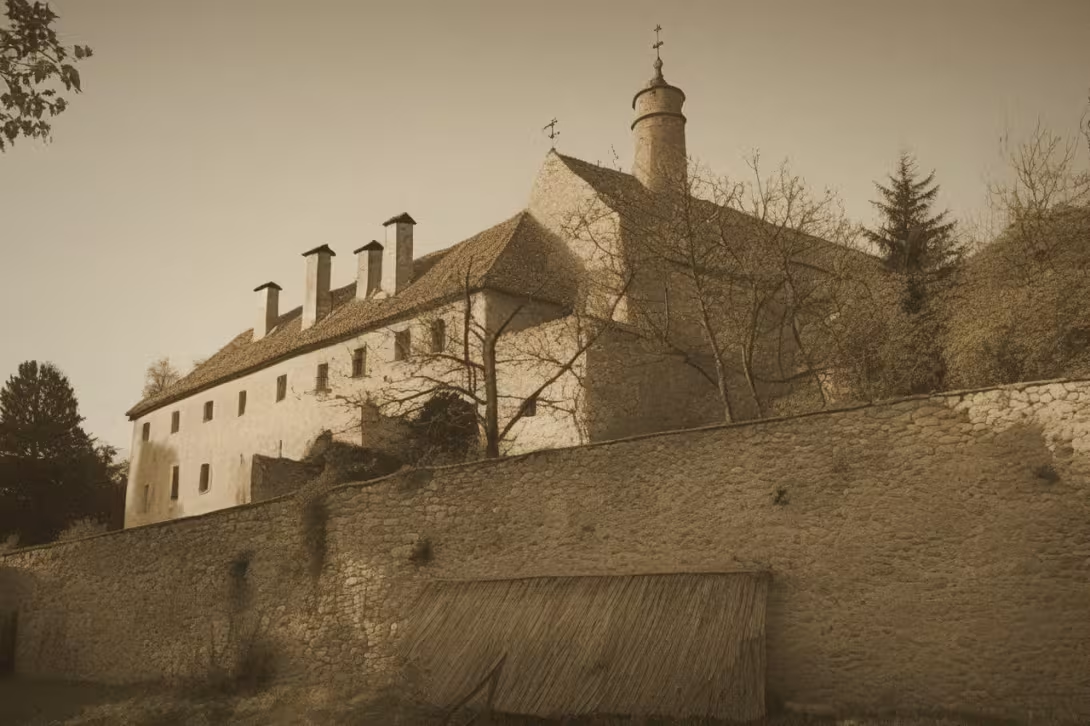
The historical appearance on the left is an AI-generated visualisation and serves as inspiration only.
Historical milestones
- late 13th century
- Construction of the new defensive system including Pražská brána.
- 1536
- Renaissance modification raised Pražská brána by one and a half floors.
Architectural development
The main wall, now partially preserved, was originally about two meters thick and made from opus. The best-preserved section is behind house number 55 on Erbenova Street. The parkánová hradba includes a pentagonal bastion with rectangular arrow slits at Ostruhova ulice 59/7. The outer wall, approximately 70 cm thick, survives only on the northeast side of the city.
Historical events
The main gate, Pražská brána, is the oldest surviving part of Mělník's medieval fortifications, dating back to the late 13th century when a new defensive system was constructed. It underwent several reconstructions, including a significant Renaissance modification in 1536.
In the 19th century, most of the walls and the Labská brána were demolished.
Points of interest
- The Mělník fortifications originally included a pre-medieval stronghold that was later expanded and fortified during King Wenceslaus II's reign. This reflects the strategic importance of Mělník as part of the Holy Roman Empire's defensive network.
- The Pražská brána, one of the oldest surviving parts of the fortification dating back to the late 13th century, underwent a significant Renaissance modification in 1536 when it was raised by one and a half floors. This adaptation highlights how structures were continually updated to meet contemporary needs and architectural styles.
- In the 19th century, most of Mělník's walls and the Labská brána were demolished as part of urban development changes. However, the Pražská brána was preserved and repurposed multiple times, including serving as a prison and later as a water tower, demonstrating its enduring utility.
- The fortifications' parkánová hradba features a pentagonal bastion with rectangular arrow slits at Ostruhova ulice 59/7. This design element is indicative of medieval military architecture aimed at maximizing defensive capabilities against invaders.
- Today, the Pražská brána serves as both a café and gallery, integrating modern uses into historical structures. Its transformation from a defensive gateway to a cultural venue underscores how historic sites can be reimagined for contemporary purposes while preserving their heritage value.
Guide
This guide is narrated by a synthetic voice generated by artificial intelligence.
Show guide text
This text was created by artificial intelligence and has not been editorially reviewed. It may contain inaccuracies.
The Mělník city fortifications are a largely vanished system of medieval walls and gates. Their remains document medieval defensive architecture and are also part of the foundation of the historical appearance of the city.
The fortifications consisted of a main outer wall, a barbican wall, and a moat. It ran along the perimeter of the fortifications of the original early medieval stronghold. The vast majority of the walls were demolished in the nineteenth century. Fragmentarily preserved is approximately four hundred meters of outer walls along Erbenova and Ostruhová street north of Náměstí Míru. From the outside it is surrounded by a park; from the inside the wall encloses plots of houses, the town hall, and the former Capuchin monastery. A small part of the walls also remained south of the castle along Jaroslava Seiferta street.
The main wall was, according to its preserved part, approximately two meters thick wall made of stone. It is best preserved behind house number fifty-five on Erbenova street, where a battlement projection and remnants of the parapet are visible. Other fragments of the wall were adapted and became the exterior walls of houses. No defensive tower has survived.
The most distinctive reminder of the barbican wall is a five-sided bastion with rectangular loopholes on the northeastern side of the city, preserved only at ground level. A wall south of kostel svatého Petra a Pavla near the house called Stará škola probably also belonged to the barbican wall. It served as a chapter house, school for clergymen, a book copying workshop, and a municipal school. The outer wall of mixed masonry, approximately seventy centimeters thick, and also the moat survived only on the northeastern side. The moat is today a grassy park.
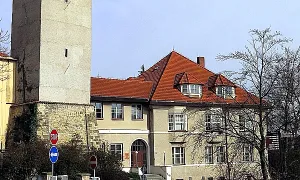
Two gates led into the city, the Labská gate and the Pražská gate. The Labská gate, first mentioned in the second half of the fourteenth century, disappeared in the nineteenth century. The Pražská gate is the oldest surviving part of the fortifications. It probably dates from the end of the thirteenth century, when the new fortification system was being built. It is a Gothic gateway tower on 5. května street east of Náměstí Míru.
The gate underwent several reconstructions. During the Renaissance remodeling in fifteen thirty-six they raised it by one and a half stories. Today's five stories, however, were created only after a fire in sixteen fifty-two. Another repair followed after a fire in seventeen ninety-nine. The tower also served as a prison. In eighteen thirty-six it was sold and a water tank was built inside it, into which water was pumped from the Pšovka stream and from there distributed to the city fountains. Between nineteen sixteen and nineteen twenty the tower was restored according to plans by architect Kamil Hilbert. Since the nineteen sixties it has housed a tea room and gallery.
Businesses nearby
Do you run a restaurant, accommodation, shop, museum, rental, wellness or other visitor service near this monument? Show yourself directly to the people heading to it — this is how they will see you in the app and on the web:
Nearby
The fortifications are located in Mělník, near significant landmarks such as the Church of Saints Peter and Paul. The surrounding area includes residential buildings and historical sites like the former Capuchin monastery.
Visualizations and artistic views


The visualisations are generated by artificial intelligence and serve as inspiration.
Photos from the area
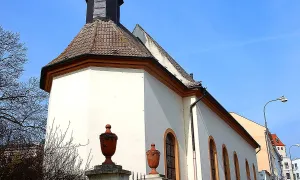
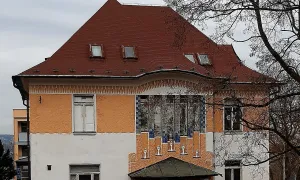
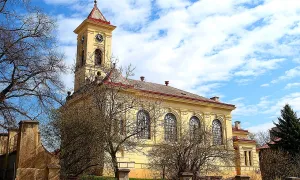
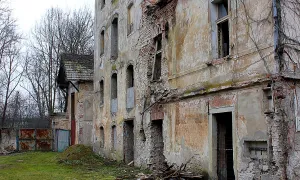
Real photos taken near the monument


Zdroj a licence jsou uvedeny u každého snímku.
Atmosphere of the place
This atmospheric visualisation of the place and period was generated by artificial intelligence. It is not real footage of the location.
Tips from visitors
No tips yet. Be the first!
Log in and add your tip.
Sources and literature
Photos: Oskera Miroslav / CC BY-SA 3.0, rozlišení zvýšeno umělou inteligencí — Wikimedia Commons. The author and licence also appear when you hover over the image.
Faktickým podkladem tohoto textu byl článek na Wikipedii, jehož autory jsou přispěvatelé Wikipedie. Článek je dostupný pod licencí CC BY-SA 4.0.
Location on the map

Příběhy a pověsti
Legendy, pověsti a příběhy spjaté s touto památkou

Fotografie návštěvníků
Zatím žádné fotografie. Buďte první, kdo přidá fotografii z návštěvy!
Log in a přidejte svou fotografii nebo hodnoťte.
Za ověřenou návštěvu v aplikaci získáte víc bodů — poznáme podle GPS, že jste na místě.
Reviews and comments