



Kostel svatého Bartoloměje (Bylany) Church
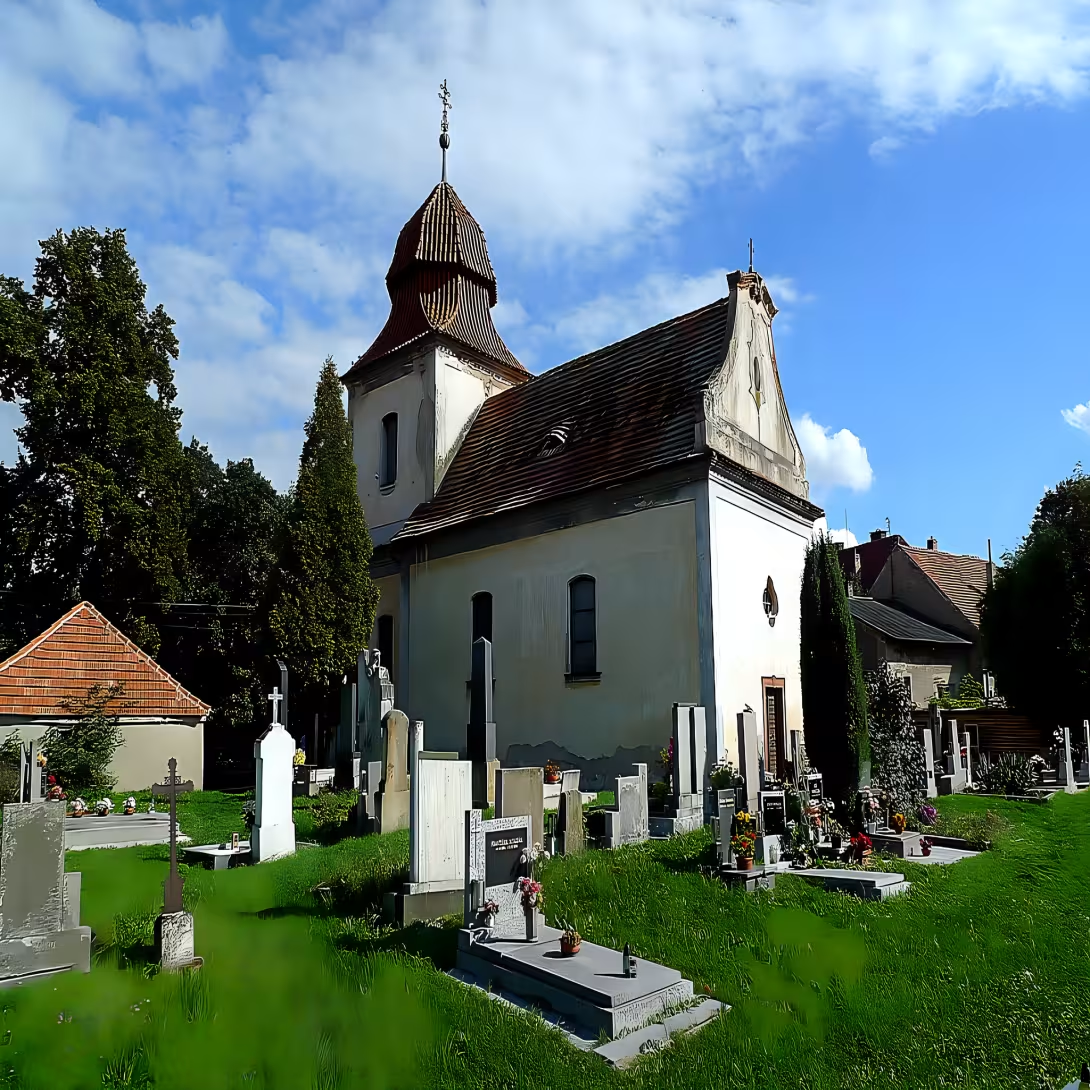
The Church of Saint Bartholomew in Bylany is a notable Baroque sacred monument with Gothic origins, situated on the southeastern edge of the village within Kolín District, Středočeský kraj. Established around 1300 and first documented in historical records by 1364, it exemplifies architectural evolution over centuries. Significant renovations occurred in 1714, followed by a radical rebuild between 1769-1770 into its current late Baroque form. Recognized as a protected cultural heritage site in the Czech Republic, this monument is celebrated for its historical significance and architectural transformation.
The church's origins date back to the early 14th century when it was initially constructed in the Gothic style. Its first documented mention occurred in 1364. Over time, the church underwent changes reflecting broader cultural shifts within Bohemia, then part of the Habsburg Monarchy during the late 18th century. This period saw significant architectural and cultural developments influenced by Enlightenment ideas, contributing to its transformation into a Baroque structure.
Architecturally, the Church of Saint Bartholomew began as a Gothic building but experienced substantial changes over time. The most notable transformation occurred between 1769-1770 when it was radically rebuilt to achieve its present-day late Baroque style. This period marked a departure from its original design, reflecting contemporary artistic and cultural influences. Today, the church stands as an example of architectural adaptation and historical continuity.
Throughout its history, the Church of Saint Bartholomew has remained a significant religious site within Bylany. While specific details about its ownership or administration are not extensively documented, its enduring presence underscores its importance to the local community. Its transformation into a Baroque monument during the late 18th century highlights its resilience and adaptability in response to changing cultural and architectural trends.
The Church of Saint Bartholomew is surrounded by a functional cemetery, a mortuary chapel, and historical fencing, enhancing its significance as both a religious and communal site. These elements contribute to the church's role within the local landscape, serving not only as a place of worship but also as a memorial space for the community.
Today, the Church of Saint Bartholomew remains accessible to visitors who wish to explore its rich history and architectural beauty. As a protected cultural heritage site, it offers insights into the historical and cultural evolution of the region. Its significance lies not only in its architectural transformation from Gothic to Baroque but also in its enduring role as a spiritual and communal landmark.
The Church of Saint Bartholomew is a testament to the dynamic interplay between history, culture, and architecture. It invites visitors to appreciate its historical journey and architectural splendor, offering a unique glimpse into the past while remaining an integral part of the present community. Its preservation ensures that future generations can continue to explore and learn from this remarkable monument.
Then and now
Drag the slider to compare how the landmark may have looked when it was built with the view today.
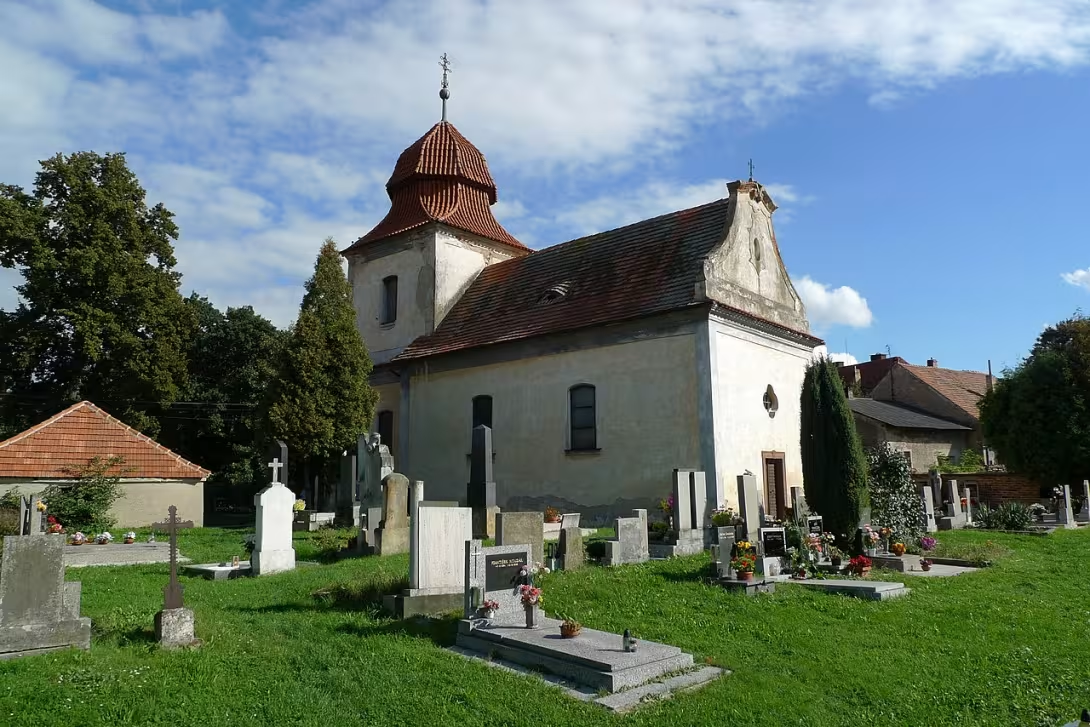
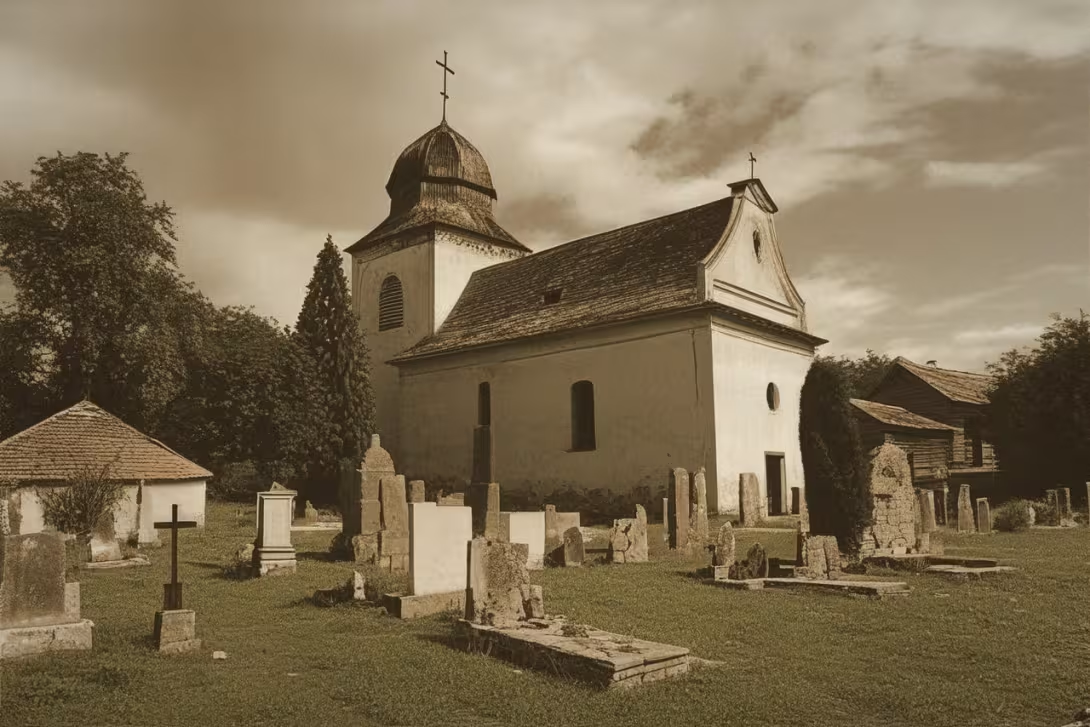
The historical appearance on the left is an AI-generated visualisation and serves as inspiration only.
Historical milestones
- 1300
- The church was originally established.
- 1364
- First documented in historical records.
- 1714
- Underwent significant renovations.
- 1769
- Radically rebuilt to its current Baroque form.
Architectural development
The Church of Saint Bartholomew began as a Gothic structure around the early 14th century. It was first documented in 1364 and underwent renovations in 1714. The most significant transformation occurred between 1769-1770, when it was radically rebuilt into its present-day late Baroque style.
Historical events
The church was originally established around 1300.
First documented in historical records in 1364.
Underwent significant renovations in 1714.
Radically rebuilt between 1769-1770 to its current Baroque form.
Guide
This guide is narrated by a synthetic voice generated by artificial intelligence.
Show guide text
This text was created by artificial intelligence and has not been editorially reviewed. It may contain inaccuracies.
The Church of Saint Bartholomew stands in Bylany in the Kolín district in the Central Bohemian Region. It is protected as a cultural monument of the Czech Republic.
Originally, it was a Gothic structure, founded around the year 1300. The church first appears in written sources in the year 1364.
In the year 1714, it underwent modifications. A fundamental transformation came in the years 1769 to 1770, when it was radically reconstructed. Since then, it has had a late Baroque appearance, which it has retained to this day.
Tips for visitors
The best time to visit the Church of Saint Bartholomew in Bylany is during late spring or early autumn when the weather is pleasant, allowing for a comfortable exploration of both the church and its surroundings. These seasons offer vibrant natural scenery around the cemetery and chapel, enhancing your experience with beautiful lighting conditions ideal for photography.
Public transport options can also be used; however, it's recommended to check current routes and schedules using a transit search tool to ensure smooth travel plans.
When visiting, consider bringing comfortable walking shoes as you may want to explore the area around the church, including the cemetery and historical fencing. A camera or smartphone is advisable for capturing the architectural beauty of the baroque church with its Gothic origins. Don't forget water and a hat if you're visiting during warmer months.
For photography enthusiasts, the best spots are likely near the entrance of the church where the natural light illuminates the baroque architecture beautifully in the morning or late afternoon. The surrounding cemetery also offers unique angles and backdrops for capturing the historical essence of Bylany.
Families with children will find the nearby functional cemetery and mortuary chapel interesting, offering a glimpse into local history and traditions. These sites are within walking distance from the church and provide educational opportunities about the area's past.
Frequently asked questions
Can the monument be visited?
Religious buildings are usually open mainly during services; at other times a visit is normally arranged with the parish or the operator. We have not verified specific times.
Where is the monument?
Location: Bylany, Středočeský kraj. The map on this page shows the exact spot.
Why is the monument protected?
It is listed in the Central List of Cultural Monuments of the Czech Republic as a cultural monument (register no. 46595/2-3122).
Businesses nearby
Do you run a restaurant, accommodation, shop, museum, rental, wellness or other visitor service near this monument? Show yourself directly to the people heading to it — this is how they will see you in the app and on the web:
Nearby
The church is located on the southeastern edge of Bylany. The area includes a functional cemetery, a mortuary chapel, and historical fencing.
Accommodation nearby
Trips and activities nearby
Guided tours, tickets and activities nearby from GetYourGuide
Affiliate link: if you buy from the partner, we may receive a commission. The price for you does not change.
Search tours and activities →Themed route
Tematická výletní trasa: Kostel svatého Bartoloměje (Bylany)
1. Kostel svatého Bartoloměje
- Typ: Historický kostel
- Proč stojí za návštěvu: Tento barokní kostel, nacházející se na jihovýchodním okraji Bylan, je architektonickou perli s bohatou historií. Jeho jedinečný design a duchovní význam činí z něj nezbytné místo pro každého, kdo se zajímá o kulturní památky Středočeského kraje.
2. Funkční hřbitov
- Typ: Hřbitov
- Proč stojí za návštěvu: Nacházející se v blízkosti kostela, tento hřbitov nabízí klidné a reflektivní prostředí. Je to místo, kde můžete prozkoumat historické pohřební památky a pochopit dlouhou tradici obce v uctívání svých předků.
3. Mortuárna
- Typ: Kaple
- Proč stojí za návštěvu: Tato malá kaple na hřbitově slouží jako místo útočiště a klidu pro rodiny v truchlivých chvílích. Její historický význam a architektonické rysy přidávají hlubší vrstvu k pochopení kulturního dědictví oblasti.
4. Historické ohrady
- Typ: Ohrada
- Proč stojí za návštěvu: Historické ohrady kolem kostela a hřbitova představují důležitou část kulturního prostředí obce. Jsou to svědectví minulých dob, které dodávají charakteristický ráz celému areálu a nabízejí pohled na starobylé způsoby ochrany a organizace prostoru.
Tato trasa vás provede skrze klíčové historické a kulturní prvky obce Bylany, umožňující hlubší porozumění jejímu bohatému dědictví.
Seasonal recommendations
Spring: Visiting the Church of Saint Bartholomew in Bylany during spring offers a unique experience as nature awakens around this historic site. The gentle warmth and longer days create a vibrant atmosphere, with blossoming trees casting dappled light across the church grounds. This season is ideal for exploring the lush greenery that envelops the area, providing a picturesque backdrop to your visit. Springtime can bring unpredictable weather, so it's advisable to wear layers that you can adjust as temperatures fluctuate throughout the day. While crowds are generally manageable, arriving early in the morning ensures a more peaceful experience before larger groups gather.
Summer: Summer is the peak season for visiting the Church of Saint Bartholomew due to its favorable weather and extended daylight hours. The lush landscape surrounding the church is at its most vibrant, with full foliage providing a stunning natural setting. This time of year often attracts more visitors, so it's wise to plan your visit early in the day or later in the afternoon to avoid larger crowds. Lightweight clothing and comfortable shoes are recommended for exploring both indoors and outdoors. Don't forget to stay hydrated and apply sunscreen, as summer days can be warm and sunny.
Autumn: Autumn transforms the Church of Saint Bartholomew into a serene haven with its palette of reds, oranges, and yellows. The cooler temperatures make it an ideal time for leisurely walks through the surrounding countryside, which is particularly enchanting during this season. As leaves fall, they create a picturesque scene that complements the historic architecture of the church. Visitors should dress in layers to accommodate the changing weather, which can range from crisp and sunny to chilly and overcast. The reduced number of tourists compared to summer means you'll likely enjoy a more tranquil visit.
Winter: Winter brings a quiet charm to the Church of Saint Bartholomew, with shorter days and cooler temperatures creating an intimate atmosphere. Snow-covered landscapes add a magical touch, making it a picturesque destination for those who appreciate the beauty of winter. Visitors should dress warmly in layers to stay comfortable while exploring both indoors and outdoors. As fewer people visit during winter, you'll likely experience a peaceful environment, perfect for reflection and enjoying the historic site without the bustle of larger crowds.
Visualizations and artistic views


The visualisations are generated by artificial intelligence and serve as inspiration.
Photos from the area
Real photos taken near the monument


Zdroj a licence jsou uvedeny u každého snímku.
Tips from visitors
No tips yet. Be the first!
Log in and add your tip.
Sources and literature
Photos: Petr Vilgus / CC BY-SA 3.0, rozlišení zvýšeno umělou inteligencí — Wikimedia Commons. The author and licence also appear when you hover over the image.
Location on the map





Příběhy a pověsti
Legendy, pověsti a příběhy spjaté s touto památkou

Fotografie návštěvníků
Zatím žádné fotografie. Buďte první, kdo přidá fotografii z návštěvy!
Log in a přidejte svou fotografii nebo hodnoťte.
Za ověřenou návštěvu v aplikaci získáte víc bodů — poznáme podle GPS, že jste na místě.
Reviews and comments