






Kostel svatého Cyrila a Metoděje (Karlín) Church
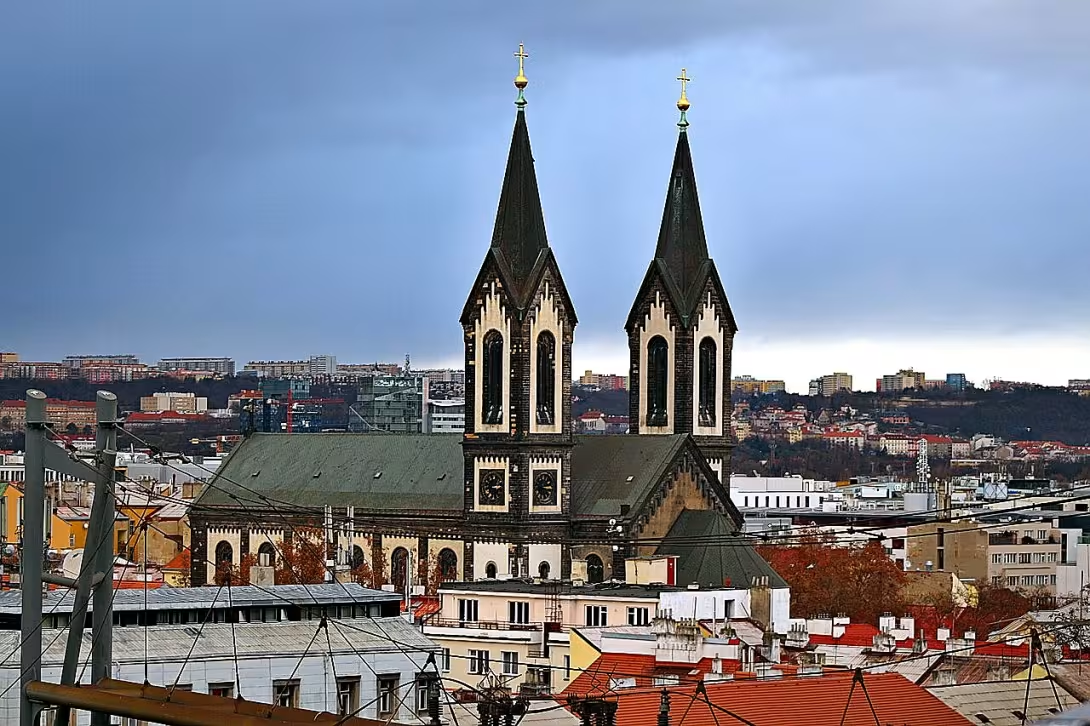
The Church of Saints Cyril and Methodius in Prague-Karlín is one of the largest 19th-century ecclesiastical buildings in the Czech Republic. Situated in the Karlín district, this Roman Catholic church stands as a significant architectural landmark from the historicism period, constructed between 1854 and 1863. Designed by architects Carl Rösner and Vojtěch Ignác Ullmann, it honors Saints Cyril and Methodius, reflecting nationalistic aspirations during Bohemia's quest for cultural recognition within the Austro-Hungarian Empire.
The church's construction coincided with other notable projects like Vienna's Votivkirche and Prague's National Theatre, marking a broader trend of cultural assertion. The foundation stone was laid on June 10, 1854, in the presence of Emperor Franz Joseph I and his wife Elisabeth, highlighting its importance. Consecrated by Archbishop Bedřich ze Schwarzenberg on October 18, 1863, it celebrated the millennium anniversary of Saints Cyril and Methodius' arrival to Bohemian lands.
Architecturally, the church is a late Neo-Romanesque basilica with an elevated main nave and two towers. Its ground plan includes an entrance hall, three naves, and a presbytery with a semicircular apse between two chapels under the towers. The baptismal chapel's final decoration was completed in 1905 in an art nouveau style, showcasing contributions from several Czech and Austrian artists led by František Sequens and Josef Matyáš Trenkwald.
For decades after its consecration, the church's interior remained largely undecorated until a dedicated society formed in 1884 to enhance it. A significant restoration effort took place from 2003 to 2006, led by academic painter Tomáš Záhoř, following flood damage in 2002 that caused extensive harm.
Today, the Church of Saints Cyril and Methodius remains an accessible site for visitors, offering a glimpse into the architectural and cultural history of 19th-century Bohemia. Its grandeur and historical significance make it a must-see destination for those interested in exploring Prague's rich heritage. Visitors are invited to appreciate its architectural beauty and reflect on its role in Czech national identity.
Then and now
Drag the slider to compare how the landmark may have looked when it was built with the view today.
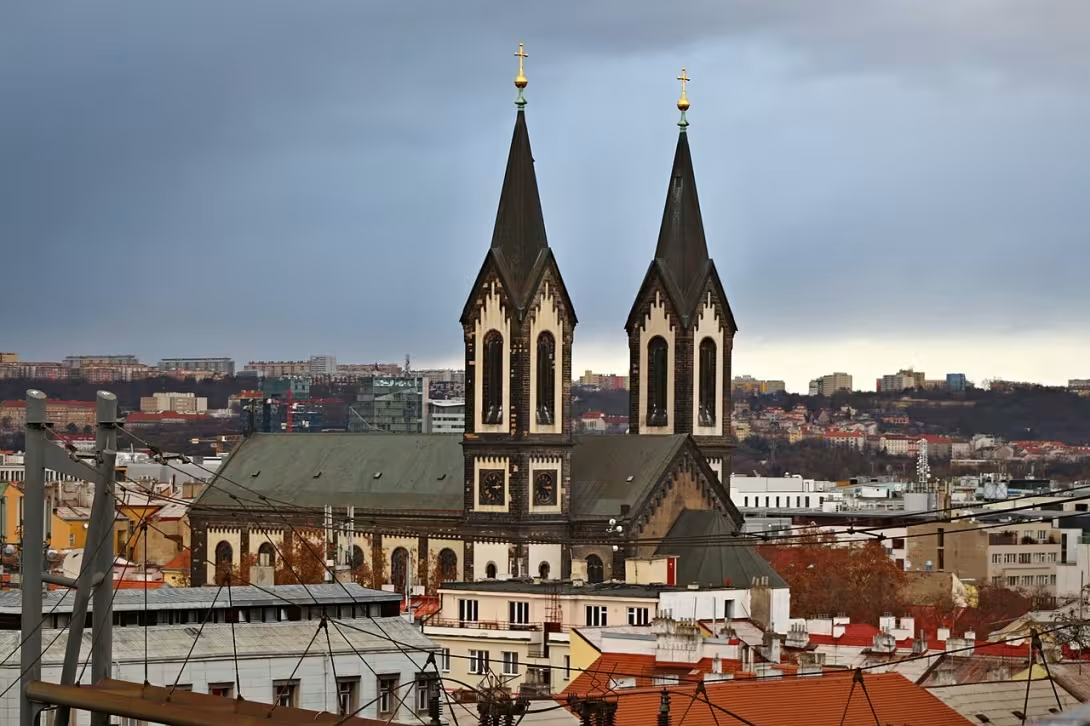
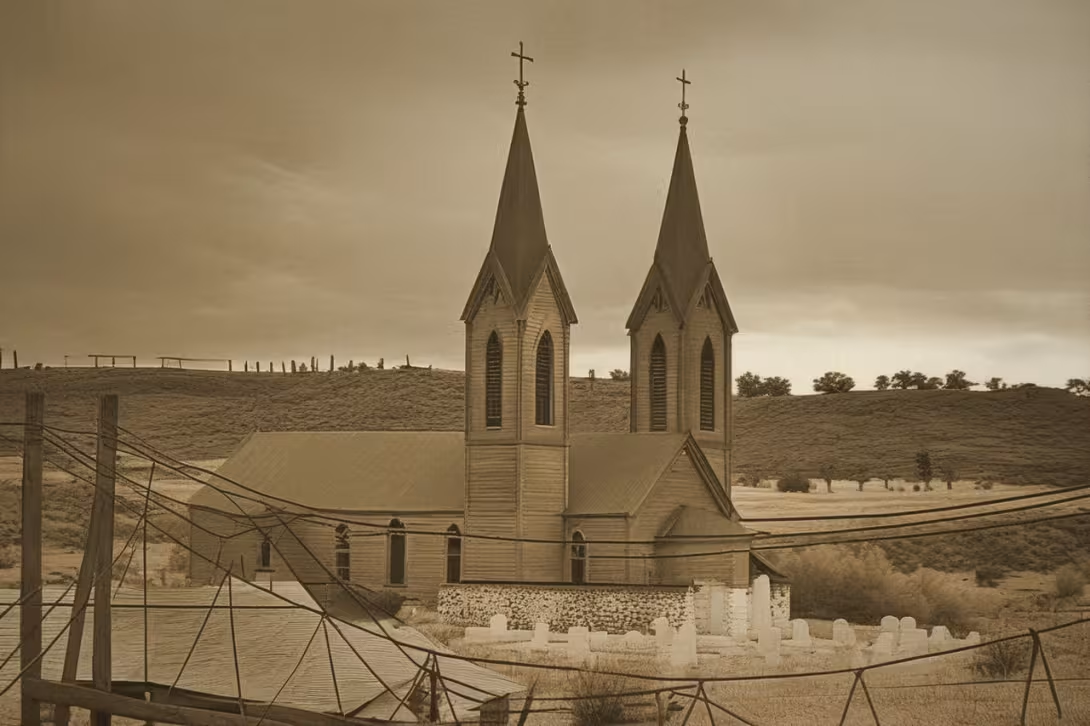
The historical appearance on the left is an AI-generated visualisation and serves as inspiration only.
Historical milestones
- 1854
- Založení základního kamene kostela.
- 1863
- Konzekrace kostela arcibiskupem Bedřichem ze Schwarzenberg.
- 1905
- Dokončení dekorace křestní kaple v art nouveau stylu.
- 1884
- Založení společnosti pro zdobení interiéru kostela.
- 2002
- Kostel utrpěl škody způsobené povodními.
- 2003
- Počátek významné restaurace kostela po povodňových škodách.
Architectural development
Designed in a style referred to as 'Byzantine' or neo-Romanesque, the church's project was initiated without an architectural competition. The construction began in 1854 and took nine years to complete, with significant contributions from various Czech, Austrian, and German artists and firms. The interior decoration continued until 1913.
Historical events
The foundation stone was laid on June 10, 1854, with the presence of Emperor Franz Joseph I and his wife Elisabeth.
The church was consecrated by Archbishop Bedřich ze Schwarzenberg on October 18, 1863.
Points of interest
- The Church of Saints Cyril and Methodius was constructed during a period when Bohemia sought cultural recognition within the Austro-Hungarian Empire, reflecting nationalistic aspirations through its dedication to Saints Cyril and Methodius.
- Despite being completed in 1863, the church's interior remained largely undecorated for decades, with significant artistic contributions only beginning after the formation of a dedicated society in 1884 aimed at enhancing the church's aesthetic appeal.
- The baptismal chapel within the church was not fully decorated until 1905 when it received an Art Nouveau makeover by Czech and Austrian artists, including František Sequens and Josef Matyáš Trenkwald, showcasing a blend of artistic styles from different regions.
- In 2002, the church suffered extensive damage due to flooding, which necessitated a major restoration effort led by academic painter Tomáš Záhoř from 2003 to 2006, highlighting its vulnerability and resilience over time.
- The laying of the foundation stone on June 10, 1854, was attended by Emperor Franz Joseph I and his wife Elisabeth, underscoring the church's significance as a symbol of cultural assertion during that era.
Guide
This guide is narrated by a synthetic voice generated by artificial intelligence.
Show guide text
This text was created by artificial intelligence and has not been editorially reviewed. It may contain inaccuracies.
Welcome to the Church of Saints Cyril and Methodius in Prague-Karlín, a magnificent testament to 19th-century ecclesiastical architecture in the Czech Republic. As you stand here, take a moment to appreciate its grandeur—the high nave stretching towards the sky, crowned by twin towers that beckon your gaze upward. This church is not just an architectural marvel but also a symbol of national identity and cultural pride.
The story of this church begins in 1854 when its foundation stone was laid, marking the start of a project that would embody both spiritual devotion and nationalistic aspirations. By 1863, it was consecrated by Archbishop Bedřich ze Schwarzenberga, celebrating Saints Cyril and Methodius—patrons who symbolize the Slavic cultural heritage and linguistic unity.
As you look around, notice how the church’s architecture reflects its historical context. Designed by Karl Rösner and Vojtěch Ignác Ullmann, it stands as a significant monument of late Romanesque style, with an emphasis on verticality and robustness. The high nave that captures your attention is central to this design ethos.
The interior holds stories woven through time. In 1884, a society was formed to adorn the church’s interior, culminating in the completion of the baptismal chapel's Art Nouveau decorations by 1905—a testament to the evolving artistic influences of the era. These details invite you to explore further and appreciate the layers of history embedded within.
Key historical figures have left their mark here. František Ladislav Rieger, a prominent politician and advocate for Czech rights within the Austro-Hungarian Empire, played a significant role in its establishment. His vision was one of cultural recognition—a theme that resonates through the church’s dedication to Saints Cyril and Methodius.
A captivating aspect of this site is how it has withstood the test of time and nature. In 2002, the church suffered damage from floods, leading to a major restoration effort in 2003. This resilience highlights not just its architectural strength but also the enduring commitment of those who cherish it.
As you continue your visit, I invite you to explore every corner, uncovering stories etched into its walls and spaces. Let this journey through history inspire you as much as it has inspired generations before. Thank you for joining us here at the Church of Saints Cyril and Methodius—may your exploration be both enlightening and memorable.
Tips for visitors
The best time to visit the Church of Saints Cyril and Methodius is during late spring or early autumn when the weather is pleasant, allowing for a comfortable exploration both inside and outside the church. These seasons also offer beautiful natural lighting that enhances the architectural details of this grand ecclesiastical building. Additionally, visiting on weekdays can provide a more serene experience with fewer crowds.
Parking near Karlín is limited, so it's advisable to use public transportation for convenience. The area is well-served by trams and buses, making it accessible from various parts of Prague. For those driving, there are parking facilities nearby, but availability may vary, especially during peak hours or events. Always check the latest transport options online before your visit.
When visiting the Church of Saints Cyril and Methodius, consider bringing comfortable walking shoes as you might want to explore the surrounding area after your church tour. A camera is recommended for capturing the stunning architecture and interior details. Additionally, carrying a small umbrella or raincoat can be helpful in case of unexpected weather changes.
Photography enthusiasts will find several spots around the church offering excellent views and lighting conditions, especially during the golden hours of early morning or late afternoon. The western facade provides dramatic backlit images, while the interior offers rich textures and colors that are best captured with natural light filtering through stained glass windows.
For families with children visiting the Church of Saints Cyril and Methodius, consider spending some time at nearby Stromovka Park, which is within a 30-minute walk. This large park offers playgrounds, open spaces for picnics, and various recreational activities that can keep children entertained after exploring the church.
Nearby attractions include the National Technical Museum, located about 15 minutes away by tram or bus. It's an engaging place for both adults and children with its interactive exhibits on technology and innovation. Another option is the Výstaviště Holešovice, a former exhibition grounds that now hosts various cultural events and has become a trendy area for dining and shopping.
Businesses nearby
Do you run a restaurant, accommodation, shop, museum, rental, wellness or other visitor service near this monument? Show yourself directly to the people heading to it — this is how they will see you in the app and on the web:
Events nearby

Zdroj akcí: otevřená data měst a obcí ČR (Národní katalog otevřených dat) a kalendář akcí Národního památkového ústavu.
Accommodation nearby
Trips and activities nearby
Guided tours, tickets and activities nearby from GetYourGuide
Affiliate link: if you buy from the partner, we may receive a commission. The price for you does not change.
Search tours and activities →Themed route
Thematic Walking Tour: Karlín's Architectural and Cultural Gems
1. Kostel svatého Cyrila a Metoděje (Karlín) - Type: Church - Why Visit: This stunning Art Nouveau church, designed by renowned architect Osvald Polívka, is a masterpiece of early 20th-century architecture. Its unique design and vibrant stained glass windows make it an essential stop for anyone interested in architectural history or the cultural heritage of Prague.
2. Náměstí Jiřího Wolkera - Type: Square - Why Visit: Located just a short walk from the church, this square is named after Czech writer Jiří Weil and offers a peaceful setting to appreciate the surrounding architecture. It serves as a perfect spot for reflection or a brief rest while exploring Karlín's urban landscape.
3. Výstaviště Praha - Type: Exhibition Grounds - Why Visit: A short walk from Náměstí Jiřího Wolkera, Výstaviště Praha is known for hosting various exhibitions and events throughout the year. Its modern facilities and dynamic programming make it a vibrant cultural hub in Karlín, offering insights into contemporary art and design.
4. Karlín Park - Type: Public Park - Why Visit: Adjacent to Výstaviště Praha, this park provides a green oasis amidst the urban environment of Karlín. It's an ideal place for leisurely strolls, picnics, or simply enjoying nature within the city. The park also features playgrounds and sports facilities, making it perfect for families.
This thematic tour highlights the architectural beauty and cultural vibrancy of Karlín, offering a well-rounded experience of this unique Prague district.
Seasonal recommendations
Spring: The arrival of spring at the Church of Saints Cyril and Methodius in Karlín brings a rejuvenating atmosphere, as blossoming trees and gardens surrounding the church offer a picturesque setting for visitors. The soft, natural light enhances the intricate architectural details of the church, creating an inviting ambiance perfect for leisurely exploration. During this time, visitor numbers are moderate, making it easier to appreciate the serene environment without feeling crowded. It's advisable to wear comfortable layers as temperatures can vary; mornings may be cool while afternoons warm up. Visiting in late morning or early afternoon allows you to enjoy the church when the sun is gentle and illuminating.
Summer: Summer at the Church of Saints Cyril and Methodius is characterized by vibrant, long days filled with sunlight that accentuates the historic architecture's beauty. The surrounding greenery is lush, providing a refreshing backdrop for visitors. This period sees higher visitor traffic due to its appeal during the main holiday season; arriving early in the day helps avoid larger crowds. Dressing in light, breathable clothing is recommended to stay comfortable under the sun. Additionally, carrying water and wearing sunscreen are practical tips to ensure an enjoyable visit while exploring this historic site.
Autumn: Autumn transforms the Church of Saints Cyril and Methodius into a stunning canvas of warm hues as leaves change color around Karlín. The soft, golden light during this season adds a cozy charm, making it an ideal time for photography enthusiasts. Visitor numbers tend to decrease compared to summer, offering a quieter experience. Layered clothing is essential due to the cooler temperatures, and carrying a jacket or scarf can provide warmth during your visit. Late afternoon visits capture the enchanting glow of the setting sun filtering through the colorful foliage.
Winter: The winter months bring a unique charm to the Church of Saints Cyril and Methodius, with snow-covered surroundings creating a magical atmosphere that enhances its historic beauty. Illumination from streetlights and nearby buildings can add an ethereal touch during early evenings or nights. This period typically sees fewer visitors, allowing for a more intimate exploration of the site. It's important to dress warmly in layers, including hats and gloves, and be mindful of potentially shorter opening hours due to weather conditions. Planning your visit on a sunny day can make the experience even more delightful as natural light highlights the church’s architectural details against the winter backdrop.
Visualizations and artistic views


The visualisations are generated by artificial intelligence and serve as inspiration.
Photos from the area
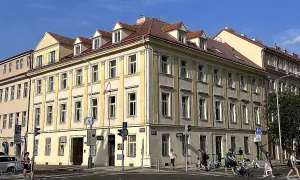
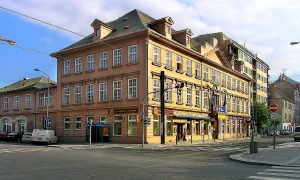
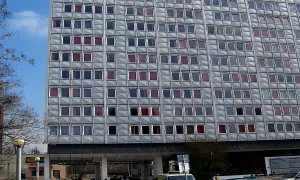
Real photos taken near the monument


Zdroj a licence jsou uvedeny u každého snímku.
Tips from visitors
No tips yet. Be the first!
Log in and add your tip.
Sources and literature
Photos: VitVit / CC BY-SA 4.0 — Wikimedia Commons. The author and licence also appear when you hover over the image.
Faktickým podkladem tohoto textu byl článek na Wikipedii, jehož autory jsou přispěvatelé Wikipedie. Článek je dostupný pod licencí CC BY-SA 4.0.
Location on the map


Příběhy a pověsti
Legendy, pověsti a příběhy spjaté s touto památkou
Fotografie návštěvníků
Zatím žádné fotografie. Buďte první, kdo přidá fotografii z návštěvy!
Log in a přidejte svou fotografii nebo hodnoťte.
Za ověřenou návštěvu v aplikaci získáte víc bodů — poznáme podle GPS, že jste na místě.
Reviews and comments