






kostel svatého Jošta (Frýdek) Church
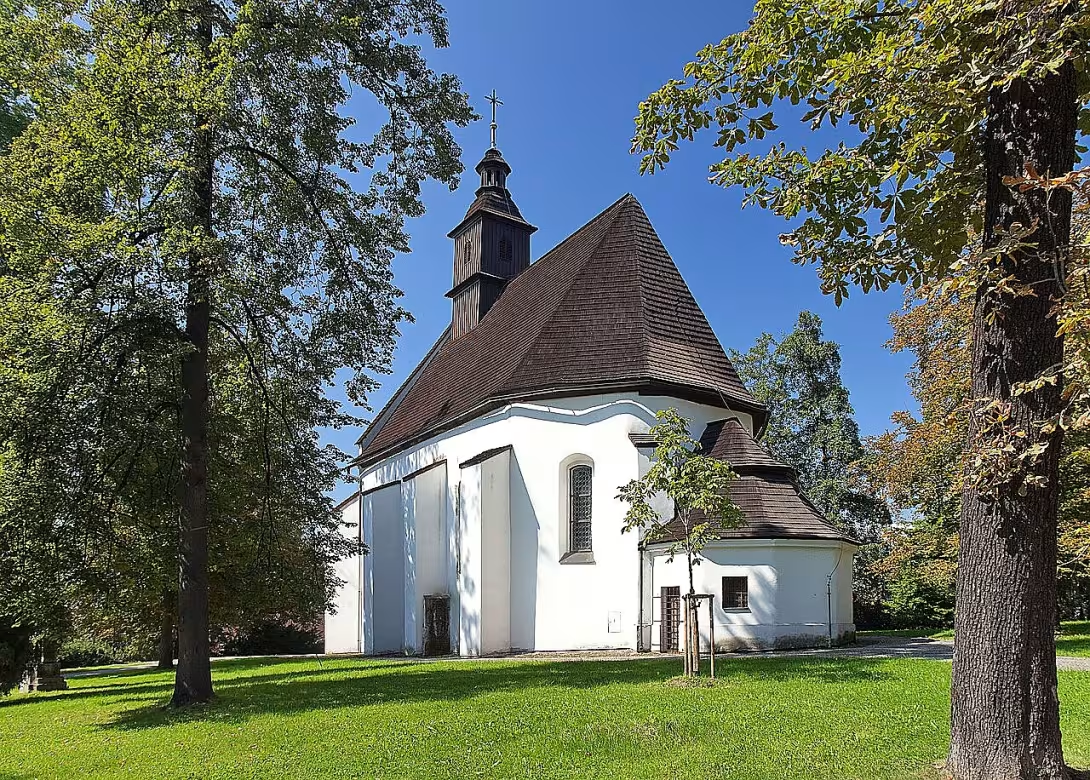
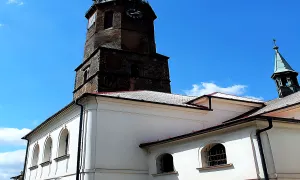
The Church of Saint Josse in Frýdek-Místek is a testament to the region's rich history. Situated in Komenského sady near Hlavní třída, it stands as a cultural monument known for its late Renaissance architecture. Built at the start of the 17th century, the church has undergone various transformations and served different religious purposes over time. Its significance lies not only in its architectural features but also in its historical journey from Catholic to Orthodox Christian use.
The origins of the Church of Saint Josse trace back to the early 17th century when it was constructed on Frýdek's outskirts, though the exact date is unknown. By 1617, the church had become a prominent structure under the Bruntálský family's patronage. This period in Bohemia was marked by religious conflicts within the Holy Roman Empire, setting the stage for the church’s evolving role amidst these tensions. The Bruntálskýs eventually transferred their patronage to the Bishop of Wrocław, reflecting broader shifts in ecclesiastical influence during this era.
Architecturally, the Church of Saint Josse is characterized by its late Renaissance style, featuring a low wooden bell tower above the entrance and nearby baroque sculptures. In 1660, it received new plastering and an altar, enhancing its aesthetic appeal. A small tower with two bells was added to its roof during this period, marking significant renovations that contributed to its enduring presence in Frýdek-Místek.
Ownership of the church has seen notable transitions over time. Initially under the Bruntálský family's patronage, it later came into the hands of the Bishop of Wrocław. In a pivotal move in 2008, the church was leased by the Orthodox Church in Czech Lands and Slovakia for religious services, marking its transition to serving an Eastern Christian community.
Key events in the church’s history include its association with a plague cemetery that served as a burial site until 1894, reflecting its role within the local community during times of crisis. In the mid-1990s, entrepreneur Gevorg Avetisjan restored the church's cross while facing financial difficulties, an act he believed would lead to divine intervention in his fortunes.
Today, the Church of Saint Josse is a vibrant part of Frýdek-Místek’s cultural landscape. It stands as a symbol of resilience and adaptation through centuries of change. Visitors are drawn not only to its architectural beauty but also to its rich history that intertwines with the broader narrative of Central Europe. The church remains accessible for those interested in exploring its historical significance, making it a worthwhile destination for anyone keen on delving into the past while appreciating its contemporary relevance.
Then and now
Drag the slider to compare how the landmark may have looked when it was built with the view today.
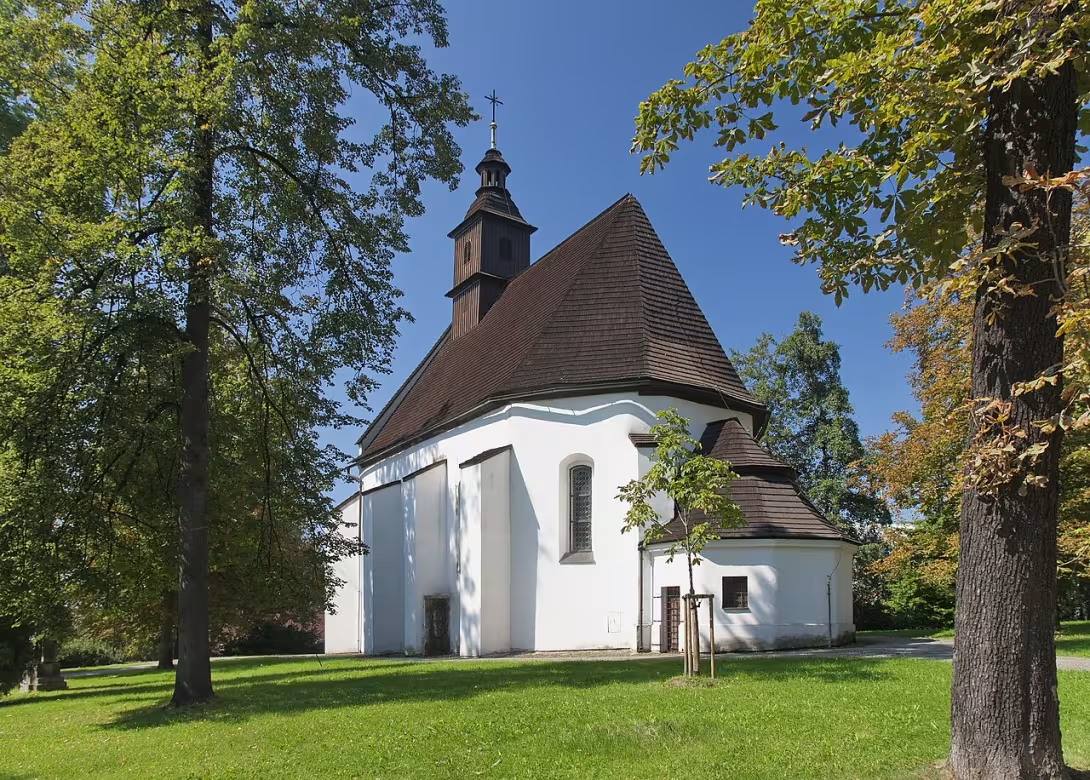

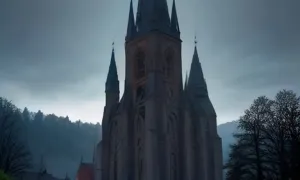
The historical appearance on the left is an AI-generated visualisation and serves as inspiration only.
Historical milestones
- 1617
- The church stood on Frýdek's suburb.
- 1660
- Received new plastering and an altar; a small tower with two bells was added.
- 2008
- Leased by the Orthodox Church for services.
Architectural development
The church underwent significant changes in the 17th century, including new plastering and altars. A small bell tower was added to its roof during this period. In the late 20th century, it was restored by Gevorg Avetisjan.
Historical events
1617: The church stood on Frýdek's suburb.
1660: Received new plastering and an altar; a small tower with two bells was added.
2008: Leased by the Orthodox Church for services.
Owners
Initially owned by the Bruntálský family, then transferred to the Bishop of Wrocław. In 2008, it was leased to the Orthodox Church in Czech Lands and Slovakia.
Points of interest
- The Church of Saint Josse was originally built on the outskirts of Frýdek, although its exact construction date remains unknown, highlighting a mystery in its early history.
- In 1617, the church became prominent under the patronage of the Bruntálský family, reflecting the era's religious conflicts within the Holy Roman Empire and illustrating how local power dynamics influenced ecclesiastical structures.
- The church served as a plague cemetery burial site until 1894, marking its role in addressing public health crises and connecting it to the community's historical challenges during epidemics.
- In a unique act of faith, entrepreneur Gevorg Avetisjan restored the church's cross amid financial difficulties in the mid-1990s, hoping for divine intervention—a personal story that intertwines with the church’s history.
- The transition of the church's patronage to the Bishop of Wrocław signifies broader shifts in ecclesiastical influence during its time, illustrating how religious and political changes affected local institutions.
Guide
This guide is narrated by a synthetic voice generated by artificial intelligence.
Show guide text
This text was created by artificial intelligence and has not been editorially reviewed. It may contain inaccuracies.
You'll find the Church of Saint Jost in Frýdku-Místku in Komenského gardens, not far from Main Street. Since 1958 it has been protected as a cultural monument, and since 2008 the Orthodox Church has held services there.
We don't know the exact date of its origin. It was built at the beginning of the seventeenth century and was already standing on the Frýdek suburb by 1617. Initially, patronage over it was held by the Bruntál aristocratic family, but they soon relinquished it in favor of the Wroclaw bishop.
In 1660 the church received new plaster and a new altar. At that time, a small tower with two bells was added to the roof. Six years later, in 1666, a new main altar was created. This altar was consecrated seven years later in honor of Saint Jost.
Still in the seventeenth century, a plague cemetery grew up around the church. When the main cemetery at the parish church was later closed, the cemetery at Saint Jost took over its role. The last burial there took place in 1894, and in the nineteen thirties the cemetery was closed.
The church gradually fell into disrepair. In the mid-nineteen nineties an Armenian businessman of Armenian origin, Gevorg Avetisjan, had its cross repaired. His business had then gone bankrupt and he was in a desperate financial situation. He hoped that God would help him, and his situation indeed turned around.
The Roman Catholic Church did not use the building. Therefore, in 2008 the Orthodox Church in the Czech Lands and Slovakia rented it. The priestly service was taken over by Vasilij Oros, a native of Subcarpathian Rus and a long-time member of the Brno church community.
Tips for visitors
The best time to visit the Church of Saint Josse is during late spring or early fall, when the weather is mild and pleasant for walking around Komenského sady. This period also coincides with fewer crowds, allowing you to appreciate the church's architectural details and baroque sculptures in a more serene setting. Additionally, visiting during these times offers the chance to enjoy the blooming flowers and lush greenery of the gardens.
The area around Hlavní třída provides access to various transport options.
When visiting the Church of Saint Josse, it's recommended to bring comfortable walking shoes as you'll likely explore Komenského sady and the surrounding area on foot. A camera is also advisable if you wish to capture the church’s late Renaissance architecture and nearby baroque sculptures. Don't forget a hat or sunscreen for sun protection during your visit.
For photography enthusiasts, the best spots around the Church of Saint Josse are in Komenského sady where natural light enhances the beauty of the church's facade and gardens. Early morning or late afternoon is ideal for capturing soft lighting conditions. The sculptures of Saint Florian and Saint Barbara also offer interesting subjects with their intricate details.
For families visiting with children, consider exploring nearby attractions within a 30-minute distance from Frýdek-Místek. While specific places are not listed here, the area around Komenského sady may have family-friendly activities or parks that can be enjoyable for all ages. Always check local guides or resources for suitable options.
Nearby, you'll find Hlavní třída and the baroque sculptures of Saint Florian and Saint Barbara, which are worth a visit after exploring the church. These sites offer additional cultural insights and picturesque views, enriching your experience in Frýdek-Místek.
Frequently asked questions
Can the monument be visited?
Religious buildings are usually open mainly during services; at other times a visit is normally arranged with the parish or the operator. We have not verified specific times.
Where is the monument?
Location: Frýdek, Moravskoslezský kraj. The map on this page shows the exact spot.
Why is the monument protected?
It is listed in the Central List of Cultural Monuments of the Czech Republic as a cultural monument (register no. 15640/8-757).
Businesses nearby
Do you run a restaurant, accommodation, shop, museum, rental, wellness or other visitor service near this monument? Show yourself directly to the people heading to it — this is how they will see you in the app and on the web:
Nearby
Located near Hlavní třída and features baroque sculptures of Saint Florian and Saint Barbara nearby. The area includes Komenského sady.
Accommodation nearby
Themed route
Thematic Walking Tour: Frýdek's Architectural and Cultural Gems
1. Kostel svatého Jošta (Frýdek)
Type: Church
Why Visit: Begin your journey at the stunning Baroque-style Kostel svatého Jošta, a remarkable example of religious architecture in Frýdek. This church is not only an architectural marvel but also serves as a spiritual center for the community, offering visitors a glimpse into the rich cultural and historical tapestry of the region.
2. Baroque Sculptures of Saint Florian and Saint Barbara
Type: Sculpture
Why Visit: Just a short walk from the church, near Hlavní třída, you'll find exquisite Baroque sculptures of Saint Florian and Saint Barbara. These artworks are notable for their intricate craftsmanship and historical significance, representing the deep-rooted religious traditions that have shaped Frýdek over centuries.
3. Komenského sady (Comenius Gardens)
Type: Park
Why Visit: Conclude your tour at the serene Komenského sady, a beautifully maintained park offering lush greenery and peaceful surroundings. This space is perfect for reflecting on the day's discoveries or simply enjoying a leisurely stroll, providing a tranquil end to your exploration of Frýdek’s cultural landmarks.
This route offers a concise yet enriching experience of Frýdek's historical and artistic heritage, focusing solely on its most notable features.
Seasonal recommendations
Spring: Visiting the Church of Saint Jošt during spring offers a refreshing experience as nature begins to awaken around Frýdek. The blooming flowers and budding trees create a picturesque setting, enhancing the church's historical charm with vibrant colors. This season is ideal for photography enthusiasts who wish to capture the interplay between architecture and nature. As the weather can be unpredictable, it’s wise to dress in layers to accommodate both warm sunshine and cooler breezes. The springtime often sees fewer visitors compared to summer, making it a perfect time for those seeking a more tranquil experience.
Summer: Summer is the peak season for visiting the Church of Saint Jošt, with its long daylight hours providing ample opportunity to explore the church's intricate details in natural light. The lush greenery and warm atmosphere make it an inviting time for outdoor activities before or after your visit. However, this popularity means larger crowds may be present, so arriving early is recommended to avoid the busiest times. Light clothing and comfortable shoes are advisable due to the warmer temperatures, and carrying a water bottle can help stay hydrated during your exploration.
Autumn: Autumn brings a unique charm to the Church of Saint Jošt with its rich tapestry of reds, oranges, and yellows as the leaves change color around Frýdek. The cooler weather makes for comfortable strolls through the surrounding area, and the softer light enhances the church's architectural features. This season is less crowded than summer, offering a more peaceful visit. It’s advisable to wear layers as temperatures can vary, and carrying an umbrella might be prudent due to occasional autumn showers.
Winter: The Church of Saint Jošt in winter presents a serene and almost mystical atmosphere with snow-covered landscapes that create a stunning contrast against the church's historic facade. Shorter days mean planning your visit during daylight hours is essential, as opening times may be reduced. Winter attire should include warm clothing, gloves, and a hat to ensure comfort during your visit. While fewer tourists are typically present, it’s important to check ahead for any seasonal closures or special events that might affect access.
Visualizations and artistic views


The visualisations are generated by artificial intelligence and serve as inspiration.
Photos from the area
Real photos taken near the monument


Zdroj a licence jsou uvedeny u každého snímku.
Tips from visitors
No tips yet. Be the first!
Log in and add your tip.
Sources and literature
Photos: Hons084 / CC BY-SA 4.0 — Wikimedia Commons. The author and licence also appear when you hover over the image.
Faktickým podkladem tohoto textu byl článek na Wikipedii, jehož autory jsou přispěvatelé Wikipedie. Článek je dostupný pod licencí CC BY-SA 4.0.
Location on the map


Příběhy a pověsti
Legendy, pověsti a příběhy spjaté s touto památkou
Fotografie návštěvníků
Zatím žádné fotografie. Buďte první, kdo přidá fotografii z návštěvy!
Log in a přidejte svou fotografii nebo hodnoťte.
Za ověřenou návštěvu v aplikaci získáte víc bodů — poznáme podle GPS, že jste na místě.
Reviews and comments