






Neumannova přádelna Silk mill
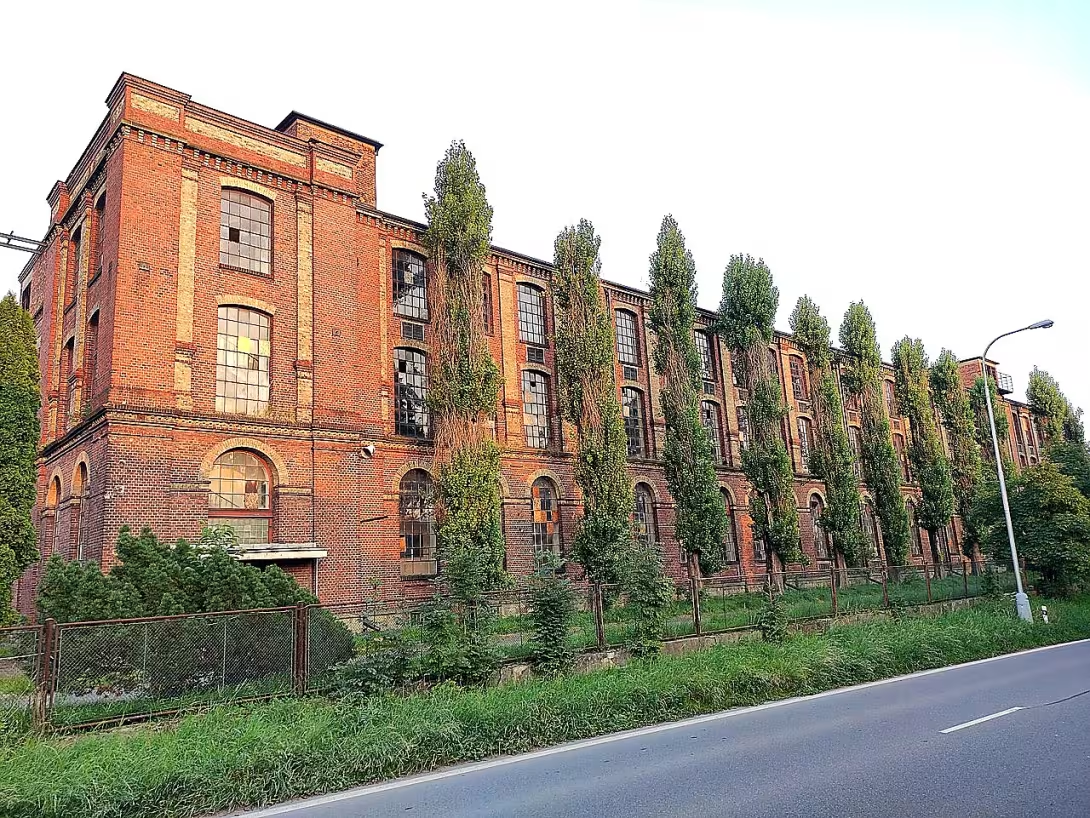
Neumannova přádelna, also known as Osmička or Slezan 08, stands as a testament to industrial innovation and architectural elegance in Frýdek-Místek, located within the Moravskoslezský region of the Czech Republic. Constructed in 1890 by Jewish brothers Julius and Leopold Neumann, this historic silk spinning mill exemplifies industrial secessionist architecture—a style that departed from traditional designs to embrace modernity and functionality. Designed by Swiss architect Sequin Bronner, the building's distinctive features include ornamental cornices, vertical pilasters, and a robust structure of undressed red brick with internal steel frameworks. The mill is historically significant for both its architectural contributions and its role in the late 19th-century industrial development of the Czech lands.
The origins of Neumannova přádelna are rooted in the industrial expansion of the Austro-Hungarian Empire, a period characterized by rapid modernization and technological advancement. Julius and Leopold Neumann, who had been active in the industry since 1868, commissioned this mill to enhance their silk production capabilities. The choice of Sequin Bronner as the architect reflects the brothers' commitment to incorporating cutting-edge design principles into their enterprise. The building's completion in 1890 marked a significant milestone in the region's industrial history.
Architecturally, Neumannova přádelna is an exemplary model of the industrial secessionist style. Its two-story rectangular structure measures 93 by 33 meters and features large windows that provide ample natural light to the workspaces. The facade is adorned with ornamental cornices and vertical pilasters, adding aesthetic appeal while maintaining a functional design. Internally, the mill was equipped with advanced machinery for its time, including dust extraction and humidity control systems essential for the silk spinning process. Additionally, the building housed a steam-powered electricity plant capable of generating 525 kW, underscoring the technological sophistication of the era.
Ownership and administration of Neumannova přádelna have undergone significant changes over the years. Initially founded by the Neumann brothers, the mill faced dramatic shifts during World War II when it was confiscated and operated under Nazi administration. Following the war, the building was nationalized and integrated into the state enterprise Slezan, where it continued to function until subsequent changes in ownership occurred.
Throughout its history, Neumannova přádelna has demonstrated remarkable resilience and adaptability. Since its construction in 1890, the mill has served as a cornerstone of local industry. Even under Nazi control during World War II, the facility remained operational, reflecting the broader historical context of industrial exploitation during that period. Post-war nationalization marked another major chapter, as the building transitioned into a state-run enterprise, continuing its economic legacy in the region.
Today, Neumannova přádelna stands as a monument to both architectural innovation and industrial history. Although it is not officially designated as a cultural monument, plans exist to revitalize the building and its surroundings to enhance visitor accessibility and appeal. Currently, the mill can be visited during special cultural events, offering a unique glimpse into the past through its preserved architecture and historical significance.
Neumannova přádelna is more than just an industrial relic; it is a symbol of the transformative power of innovation and resilience. Its architectural beauty and historical depth make it a compelling destination for those interested in exploring the rich tapestry of Czech industrial heritage. Visitors are invited to experience this remarkable site, where history and architecture converge to tell a story of progress and perseverance.
Historical milestones
- 1868
- Julius and Leopold Neumann began their industrial activity
- 1890
- Construction and completion of Neumannova přádelna
- 1939–1945
- Confiscated and operated under Nazi administration during WWII
- post-1945
- Nationalized and integrated into the state enterprise Slezan
Architectural development
The mill was built in 1890 with a two-story rectangular structure featuring industrial secessionist architecture. It included advanced machinery and a steam-powered electricity plant with a capacity of 525 kW. The building is constructed from undressed red brick with internal steel structures, showcasing ornamental cornices and pilasters.
Historical events
In 1890, the mill was constructed by the Neumann brothers.
During World War II, it was operated under Nazi administration.
Post-World War II, it became part of the state enterprise Slezan.
Owners
Founded by Jewish brothers Julius and Leopold Neumann in 1890; confiscated during Nazi occupation; post-war nationalized as part of Slezan.
Points of interest
– Constructed in 1890 by Jewish brothers Julius and Leopold Neumann, Neumannova přádelna is an example of industrial secessionist architecture. – Designed by Swiss architect Sequin Bronner, the building features ornamental cornices, vertical pilasters, and a structure of undressed red brick. – The mill's two-story rectangular structure measures 93 by 33 meters and includes large windows to provide natural light. – The facility was equipped with advanced machinery, including a steam-powered electricity plant capable of generating 525 kW. – Following its operation under Nazi administration during World War II, the building was nationalized and integrated into the state enterprise Slezan.
Guide
Show guide text
This text was created by artificial intelligence and has not been editorially reviewed. It may contain inaccuracies.
Welcome to Frýdek. As you stand here, taking in the view, you are looking at more than just an old industrial building. You are standing before a silent witness to the transformation of this region, a structure that has seen the heights of industrial prosperity, the darkness of war, and the shifting tides of political ideology. This is Neumannova přádelna, a landmark that has been known by many names over the decades—from its formal title to the local nickname Osmička, or even Slezan 08. Take a moment to simply absorb the presence of this massive edifice. Its scale and its character are designed to command attention, and even now, after all these years, it remains a powerful symbol of the industrial heritage that once defined this landscape.
To truly understand what you see before you, we must step back in time to the mid-19th century. The story of this place does not begin with the completed walls of the building you see now, but with the ambition of two brothers, Julius and Leopold Neumann. Their industrial journey began much earlier, in 1868, as they began to establish their presence in the world of commerce and production. They were visionaries of their time, recognizing the immense potential of the silk industry in this part of the world. For over two decades, they built their legacy, and in 1890, that journey reached a magnificent physical expression with the construction and completion of Neumannova přádelna. This was not merely a factory; it was a statement of success, a monument to the Neumann brothers' hard work and their belief in the industrial future of Frýdek.
Now, I invite you to direct your attention to the architecture of the building itself. As you look closely at the facade, notice the material that gives the structure its fundamental character: the undressed red brick. There is a raw, honest strength in this choice of material, a quality that speaks to the building's industrial purpose. However, as you continue to observe the exterior, you will realize that this is no ordinary factory. This building is a striking example of industrial secessionist architecture. This style was unique because it sought to bring beauty, grace, and artistic intention to the world of heavy industry, proving that utility and elegance could exist in the same space.
Look up at the walls and notice the vertical pilasters. See how they rise along the structure, providing a sense of rhythm and upward movement, breaking up the massive scale of the brickwork with a sense of organized elegance. And if you look toward the roofline and the edges of the architectural features, pay close attention to the ornamental cornices. These are not just functional elements; they are decorative flourishes that catch the light and add a layer of sophistication to the building's silhouette. The entire design was the work of the Swiss architect Sequin Bronner, who brought a refined, international sensibility to this site. Through his vision, the ruggedness of the red brick was balanced by the delicate, rhythmic details of the secessionist style, creating a landmark that is as much a work of art as it is a place of production.
But the history of Neumannova přádelna is not just a story of architectural beauty and industrial triumph; it is also a story of profound human and political struggle. The Neumann brothers, Julius and Leopold, were the heart of this enterprise, representing a period of private entrepreneurship and Jewish industrial success that was central to the development of the region. However, the 20th century brought changes that no one could have predicted. As the shadows of World War II lengthened across Europe, the life of this building was violently interrupted. Between 1939 and 1945, during the Nazi occupation, the mill was confiscated. The very legacy that the Neumann brothers had built was seized and operated under Nazi administration. This period represents a dark chapter in the building's history, a time when the site was stripped of its original owners and repurposed by a regime that sought to control the very fabric of the economy.
When the war finally ended, the world had changed once again. In the post-1945 era, the building underwent another fundamental transformation. It was nationalized, moving from the hands of private owners into the hands of the state. It became integrated into the state enterprise known as Slezan, continuing its life as a center of production, but under a completely different political and economic framework. This transition from a family-owned silk mill to a state-run enterprise is etched into the very history of the walls surrounding you.
It is fascinating to consider the layers of identity that this single location has held. When you stand here, you are standing at the intersection of multiple eras. You are seeing the intersection of Swiss architectural design and local industrial necessity; the intersection of private Jewish entrepreneurship and the harsh realities of wartime confiscation; and the intersection of traditional craftsmanship and the era of state-run industry. The names we use for this place—Neumannova přádelna, Osmička, Slezan 08—are all fragments of these different lives the building has lived. Each name carries a different weight, a different memory of who was in control and what the building represented to the people of Frýdek at that time.
As you prepare to continue your journey, I encourage you to keep these layers in mind. Whether you see it as a masterpiece of secessionist design by Sequin Bronner, or as a symbol of the Neumann brothers' ambition, or even as a relic of the complex political history of the 20th century, Neumannova přádelna demands your respect. It is a place where the texture of the red brick and the elegance of the ornamental cornices tell a story of resilience and change.
Thank you for taking this moment to listen and to observe. As you move forward through Frýdek, let the spirit of this remarkable place stay with you, and continue to explore the many stories that this town has to tell.
Tips for visitors
The best time to visit Neumannova přádelna is during the early morning or late afternoon. The soft, angled light of the golden hour beautifully highlights the industrial brickwork and the historical scale of the silk spinning mill, making it ideal for those appreciating industrial architecture.
To reach the site in Frýdek, you can use either a private vehicle or public transportation. For the most current parking availability and the most efficient transport connections, it is recommended to check a local navigation app or a public transport search engine.
When visiting, bring a camera with a wide-angle lens to capture the impressive proportions of the building. The best photography spots are located around the exterior perimeter and near the water elements, where the industrial heritage of the Neumann brothers is most evident.
Within a short walk, you can explore the old mill race and the chapel of Saint Ottilia, both of which add to the historical atmosphere of the area. For families with children, the outdoor surroundings near the mill race offer an interesting way to introduce younger visitors to the history of textile production in Frýdek.
Businesses nearby
Do you run a restaurant, accommodation, shop, museum, rental, wellness or other visitor service near this monument? Show yourself directly to the people heading to it — this is how they will see you in the app and on the web:
Nearby
Located above an old mill race near the chapel of Saint Ottilia. The area is not designated as a cultural monument but plans exist for revitalization.
Accommodation nearby
Themed route
Thematic Walking Tour: Frýdek and the Legacy of Silk
1. Neumannova přádelna (Silk Mill) - Type: Industrial Heritage Site - Why Visit: Begin your journey at Neumannova přádelna, a historic silk mill that showcases the rich textile history of Frýdek. Although not yet designated as a cultural monument, its potential for revitalization makes it an intriguing site to explore and imagine its past grandeur.
2. Starý mlýnský rybník (Old Mill Race) - Type: Natural Feature - Why Visit: Just above the old mill race where Neumannova přádelna is located, you'll find a serene spot that once powered local industry. This natural feature offers a glimpse into the area's historical reliance on waterways for energy and transportation.
3. Kaple svaté Otilie (Chapel of Saint Ottilia) - Type: Religious Site - Why Visit: Nearby, the Chapel of Saint Ottilia stands as a testament to the spiritual life that has flourished in Frýdek over centuries. Its proximity to the mill race and silk mill adds layers of historical context, inviting visitors to reflect on the community's past.
4. Revitalization Plans Area - Type: Future Development Site - Why Visit: Explore the surrounding area where plans for revitalization are in place. This zone promises a transformation that will breathe new life into Frýdek’s historic sites, offering potential future attractions and enhanced community spaces.
This tour provides an intimate look at Frýdek's industrial heritage intertwined with its natural and spiritual landscapes, all while anticipating exciting developments on the horizon.
Seasonal recommendations
Spring: Visiting Neumannova přádelna during spring offers a unique experience as the surrounding landscape begins to bloom, bringing vibrant colors and fresh scents that enhance the historical atmosphere of this silk mill in Frýdek. The increased daylight hours provide ample natural light for exploring the intricate details of the site. Visitors should be prepared for occasional showers, so carrying an umbrella or wearing a waterproof jacket is advisable. This season sees moderate visitor numbers, making it a pleasant time to explore without large crowds.
Summer: Summer at Neumannova přádelna is characterized by long daylight hours and warm weather, creating an inviting atmosphere for outdoor exploration around the historic site. The lush greenery surrounding the mill adds to its charm, offering picturesque views. It's recommended to visit early in the morning or later in the afternoon to avoid peak tourist times when crowds can gather during the main summer season. Light clothing is suitable, but sunscreen and a hat are essential for sun protection.
Autumn: Autumn brings a magical transformation to Neumannova přádelna with its rich tapestry of fall colors that beautifully frame the historic architecture. The cooler temperatures make it an ideal time for a leisurely visit, as the site becomes less crowded compared to summer months. Visitors should wear layers to adjust comfortably to changing weather conditions throughout the day. This season offers a serene atmosphere perfect for appreciating the historical and natural beauty of Frýdek.
Winter: Winter at Neumannova přádelna provides a stark yet enchanting contrast, with snow-covered landscapes adding a touch of magic to the historic site. The shorter daylight hours mean that visits are best planned earlier in the day when there is more light to explore the mill's details. Visitors should dress warmly and wear boots suitable for potentially icy conditions. While opening times may be reduced during this season, the quietness adds to the intimate experience of exploring a piece of Frýdek’s industrial heritage amidst winter’s tranquility.
Visualizations and artistic views


The visualisations are generated by artificial intelligence and serve as inspiration.
Photos from the area
Real photos taken near the monument


Zdroj a licence jsou uvedeny u každého snímku.
Tips from visitors
No tips yet. Be the first!
Log in and add your tip.
Sources and literature
Fotografie: Fry72 , Karel FRYDRÝŠEK / CC BY-SA 4.0 — Wikimedia Commons. The author and licence also appear when you hover over the image.
Faktickým podkladem tohoto textu byl článek na Wikipedii, jehož autory jsou přispěvatelé Wikipedie. Článek je dostupný pod licencí CC BY-SA 4.0.
Location on the map


Příběhy a pověsti
Legendy, pověsti a příběhy spjaté s touto památkou
Fotografie návštěvníků
Zatím žádné fotografie. Buďte první, kdo přidá fotografii z návštěvy!
Přihlaste se a přidejte svou fotografii nebo hodnoťte.
Za ověřenou návštěvu v aplikaci získáte víc bodů — poznáme podle GPS, že jste na místě.
Reviews and comments