






Kostel svatého Marka (Fryštát) Church
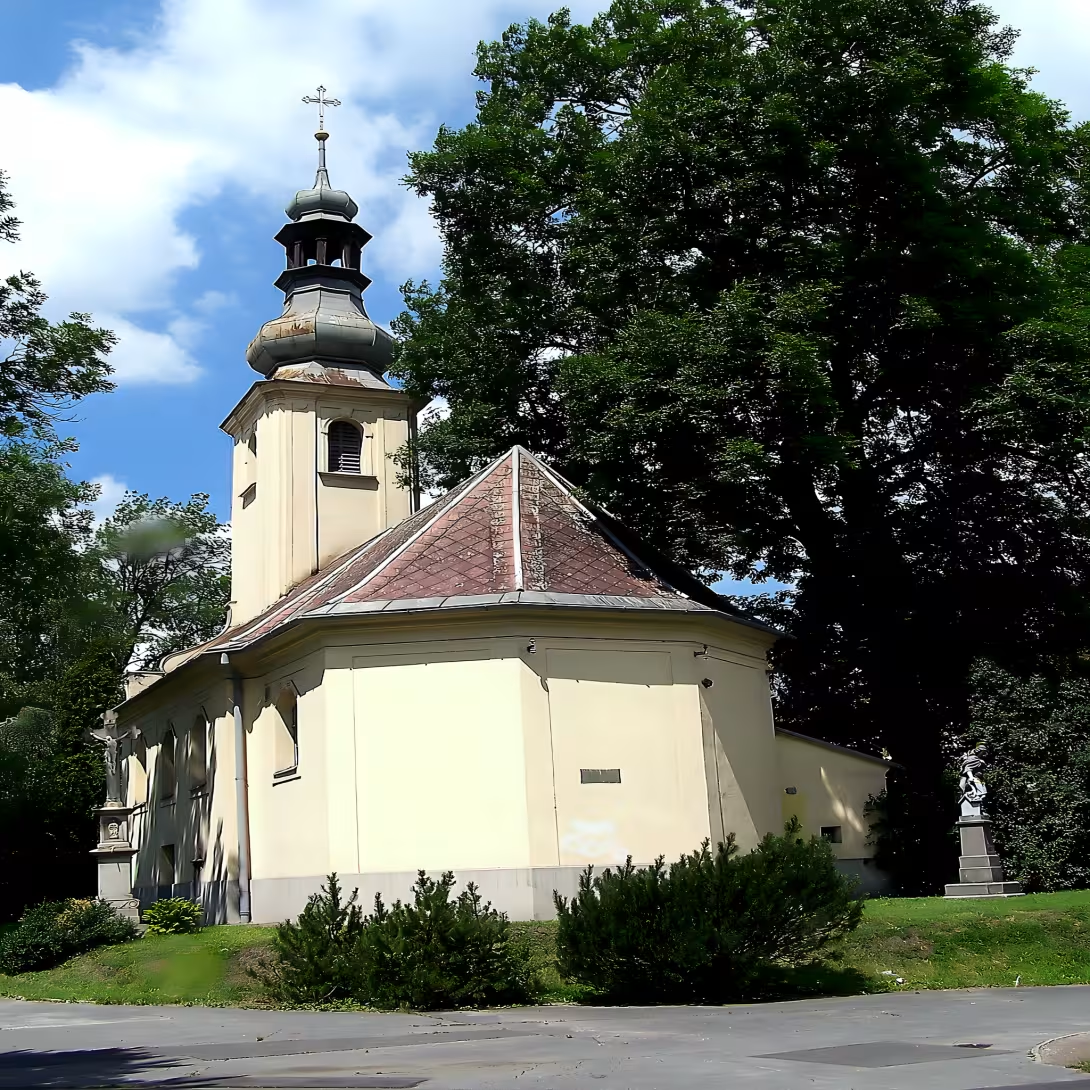
The Church of Saint Mark in Fryštát is a neoclassical monument with a rich history dating back to the 16th century. Located in Fryštát, part of Karviná in Moravskoslezský kraj, this church stands as a testament to the region's complex religious and architectural evolution. Originally constructed as a wooden Protestant church in 1569, it was replaced by a brick structure in 1774 after being confiscated by Catholics following the Thirty Years' War. The church underwent significant reconstruction after fires and an earthquake, culminating in its current form in 1826. Today, it is protected as a cultural monument of the Czech Republic.
The origins of the Church of Saint Mark are deeply intertwined with the religious shifts of the late 16th century. During this period, Fryštát was part of Těšínsko, an area experiencing the spread of Protestantism. In 1568, Těšínský kníže Fridrich Kazimír, a proponent of Protestantism, invited Jakub Preisse from Brzeg to serve as the evangelical pastor in Fryštát. A year later, a wooden church was constructed on a newly established cemetery, serving primarily for burial services and thus earning the moniker "Pohřební kostel" or Burial Church. However, following the Thirty Years' War, the 1627 Obnovené zřízení zemské mandated Catholicism as the sole permitted faith in the region, leading to the closure of all non-Catholic churches, including this one.
Architecturally, the Church of Saint Mark is a quintessential example of neoclassicism. The original wooden structure was replaced by a brick church in 1774, designed in a classical style that reflected broader European trends during the Enlightenment. This new building featured a single nave with a three-sided chancel and a tower with an onion dome, which became its defining characteristic after reconstruction between 1823 and 1826. The church's design includes segmental windows on the interior and polygonal ones on the exterior, contributing to its elegant symmetry.
Ownership of the Church of Saint Mark has shifted significantly over time. Initially belonging to the Protestant community from 1569 until 1627, it was later taken by the Catholic Church after being officially closed in 1654. The church's fortunes changed hands again when local priest Augustin Fojcik decided to demolish the deteriorating structure in 1773, leading to the construction of the current brick edifice. Notably, Mikuláš Taafe z Calingfordu, an Irish nobleman and Fryštát's owner at the time, contributed to its funding.
Several key events have marked the church's history. The original wooden structure was replaced by a brick building in 1774, but it faced challenges such as fires in 1781 and 1823, and an earthquake in 1786, which necessitated significant reconstruction efforts. These were led by stonemason Vavřinec Müller between 1823 and 1826, who not only restored the church but also enhanced its architectural features, including raising the building's height and adding a distinctive onion dome to the tower. The church also houses notable artworks, such as an image of Saint John in the Desert donated by Count Jindřich Larisch-Mönnich.
Today, the Church of Saint Mark is not only a historical monument but also serves as an ecumenical site where services are held by three different churches. It underwent comprehensive restoration in 2014, ensuring its preservation for future generations. Visitors can explore its rich history and architectural beauty, making it a worthwhile destination for those interested in the cultural heritage of the Czech Republic.
The Church of Saint Mark stands as a symbol of Fryštát's historical resilience and religious diversity. Its journey from a wooden Protestant church to a neoclassical Catholic monument reflects broader societal changes over centuries. Visitors are invited to explore this remarkable site, where history and architecture converge in a testament to the enduring spirit of the region.
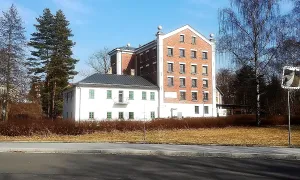
Then and now
Drag the slider to compare how the landmark may have looked when it was built with the view today.
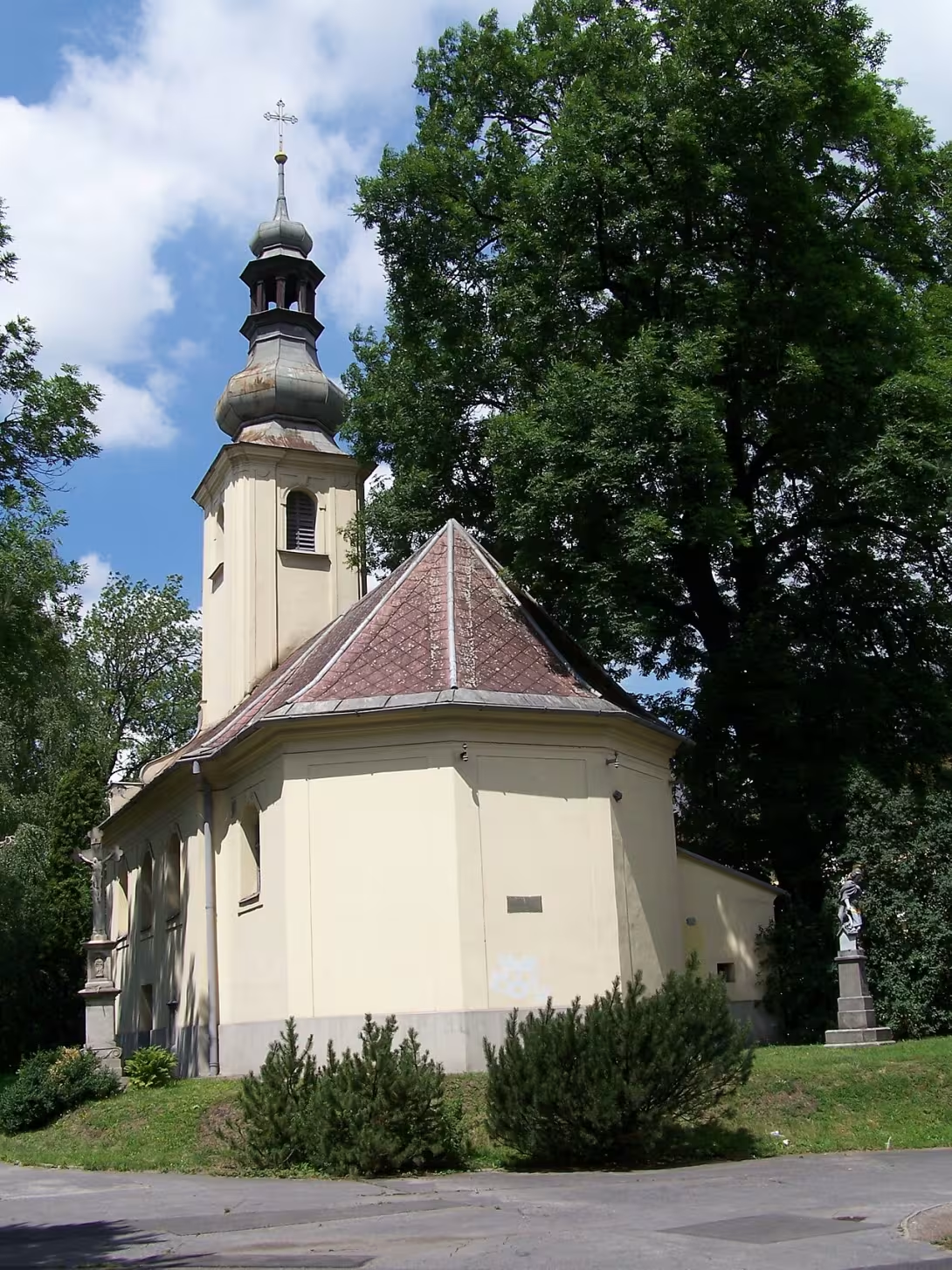
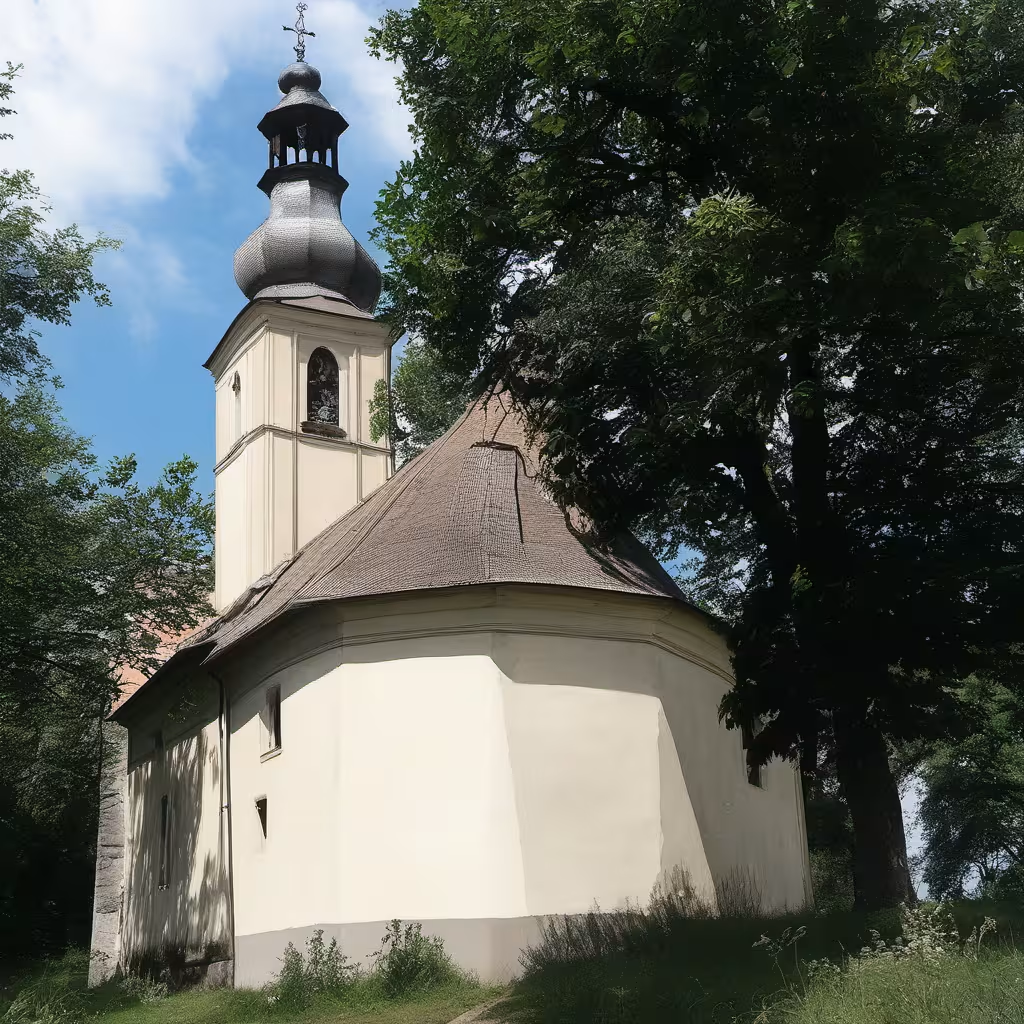
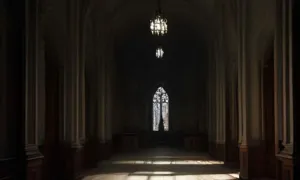
The historical appearance on the left is an AI-generated visualisation and serves as inspiration only.
Historical milestones
- 1569
- Construction of the original wooden Protestant church.
- 1774
- Replacement with a brick neoclassical church.
- 1823
- Reconstruction after a fire.
- 1996
- Restoration work completed in 1997.
Architectural development
The Church of Saint Mark was originally a wooden Protestant structure built in 1569. It was replaced by a brick neoclassical building in 1774, which underwent significant reconstruction after fires in 1781 and 1823, and an earthquake in 1786. The current form, completed in 1826, features a distinctive onion dome on its tower.
Historical events
Construction of original wooden church in 1568
Replacement with brick church in 1774
Reconstruction after fire and earthquake between 1823-1826
Owners
Initially Protestant community (1569-1627)
Catholic Church (post-1654)
Points of interest
- The Church of Saint Mark was originally a wooden Protestant church constructed in 1569, reflecting the spread of Protestantism under Těšínský kníže Fridrich Kazimír's influence.
- After being confiscated by Catholics following the Thirty Years' War, the church underwent significant changes and reconstructions due to fires and an earthquake before reaching its current neoclassical form in 1826.
- The church's onion dome, a distinctive feature added during reconstruction between 1823 and 1826, was designed by stonemason Vavřinec Müller, who also raised the building’s height as part of the restoration efforts.
- Mikuláš Taafe z Calingfordu, an Irish nobleman and owner of Fryštát at the time, played a significant role in funding the construction of the brick church after the original wooden structure was demolished in 1773.
- Despite its turbulent history with multiple reconstructions, the Church of Saint Mark has remained a cultural monument in the Czech Republic since it was officially protected as such.
Guide
This guide is narrated by a synthetic voice generated by artificial intelligence.
Show guide text
This text was created by artificial intelligence and has not been editorially reviewed. It may contain inaccuracies.
Welcome to the Church of Saint Mark in Fryštát, a remarkable testament to architectural evolution and historical depth nestled within Moravskoslezský kraj. As you stand before this neoclassical monument, take a moment to absorb its serene presence, which has witnessed centuries unfold.
The story of this church begins in 1569 when it was first constructed as a wooden Protestant structure. This period marked the spread of Protestantism under the influence of Těšínský kníže Fridrich Kazimír, reflecting a significant shift in religious and cultural landscapes. However, following the tumultuous Thirty Years' War, the church changed hands, becoming Catholic property. In 1774, it was replaced by a brick neoclassical structure, marking a new chapter in its existence.
As you look upon the Church of Saint Mark today, notice how its architecture speaks to resilience and transformation. The neoclassical style, characterized by symmetry and grandeur, invites you to explore its details further. Although specific architects remain unknown, the church's design echoes the broader architectural movements of its time.
This site is intertwined with stories of notable historical figures such as Jakub Preisse, Augustin Fojcik, Mikuláš Taafe z Calingfordu, Vavřinec Müller, and Jindřich Larisch-Mönnich. Each played a role in the church's storied past, contributing to its legacy.
One intriguing aspect of this church is its survival through adversity. After being reconstructed following fires and an earthquake, it reached its current form by 1826. The restoration work completed in 1997 further ensured that this historical gem would continue to inspire future generations.
As you conclude your visit here at the Church of Saint Mark, we invite you to reflect on its rich history and architectural beauty. This monument stands not just as a place of worship but as a witness to centuries of change and resilience. We hope it has inspired you to explore further and discover more about Fryštát's captivating past. Thank you for joining us on this journey through time.
Businesses nearby
Do you run a restaurant, accommodation, shop, museum, rental, wellness or other visitor service near this monument? Show yourself directly to the people heading to it — this is how they will see you in the app and on the web:
Nearby
Located in Fryštát, part of Karviná, Moravskoslezský kraj, the church is surrounded by historical buildings and natural landscapes typical of the region.
Accommodation nearby
Themed route
Thematic Walking Tour: Fryštát and the Church of Saint Mark
1. Church of Saint Mark (Fryštát)
Type: Historical Landmark
Why Visit: The Church of Saint Mark is a stunning example of Baroque architecture, featuring intricate designs and historical significance in Fryštát. Its rich history and beautiful interior make it a must-see for anyone interested in religious art and architecture.
2. Historical Buildings Surrounding the Church
Type: Architectural Ensemble
Why Visit: The area around the Church of Saint Mark is dotted with charming historical buildings that reflect the architectural evolution of Fryštát over centuries. These structures provide a glimpse into the town's past, showcasing traditional Silesian architecture and offering picturesque views.
3. Local Market Square (Náměstí)
Type: Cultural Hub
Why Visit: Just a short walk from the Church of Saint Mark, the local market square is the heart of Fryštát’s community life. It's an ideal spot to observe daily activities and immerse yourself in the local culture, with its vibrant atmosphere and historical significance as a traditional gathering place.
4. Fryštát Town Hall
Type: Historical Building
Why Visit: Located near the market square, the Fryštát Town Hall is an architectural gem that offers insights into the town's administrative history. Its elegant design and historical importance make it a fascinating stop for those interested in local governance and architecture.
5. Church of Saint Mark’s Surrounding Gardens
Type: Natural Landscape
Why Visit: The gardens surrounding the Church of Saint Mark provide a serene escape with beautifully maintained landscapes typical of the region. They offer a peaceful setting to reflect on the historical journey you've experienced, surrounded by nature and history.
This tour offers a comprehensive exploration of Fryštát's cultural and historical treasures, all within walking distance from each other, providing an enriching experience for visitors.
Seasonal recommendations
Spring: Visiting the Church of Saint Mark (Fryštát) during spring offers a unique experience as nature begins to awaken, with blooming flowers and fresh greenery framing the historic architecture. The soft, natural light enhances the church's intricate details, creating a serene atmosphere perfect for photography enthusiasts. This season typically sees fewer visitors than summer, providing a more tranquil environment. It is advisable to wear layers, as temperatures can fluctuate between cool mornings and warmer afternoons. Arriving early in the day allows you to enjoy the site with minimal crowds.
Summer: Summer at the Church of Saint Mark (Fryštát) is characterized by vibrant colors both from nature and the lively atmosphere brought on by increased tourism. The long daylight hours provide ample time for exploration, but also mean that the church can become quite busy, especially during peak afternoon hours. To avoid crowds, consider visiting early in the morning or later in the evening when the light casts a golden hue over the surroundings. Comfortable walking shoes and lightweight clothing are recommended due to warmer temperatures, along with sunscreen and water for hydration.
Autumn: Autumn transforms Fryštát into a picturesque setting as the leaves change color, offering a stunning backdrop to the Church of Saint Mark. The cooler weather makes it an ideal time for leisurely walks around the town and church without the summer heat. While there are still visitors during this season, they are generally fewer than in summer, allowing for a more peaceful experience. Layered clothing is recommended to accommodate the varying temperatures throughout the day, and bringing along a light jacket can be beneficial as the evenings become cooler.
Winter: Winter at the Church of Saint Mark (Fryštát) provides a magical atmosphere with snow-covered landscapes that enhance its architectural beauty. The shorter days mean visiting hours are reduced, so it's best to check opening times in advance. While winter brings fewer tourists, which allows for a more intimate experience, the cold weather necessitates warm clothing, including coats, hats, gloves, and boots. If planning an extended stay, consider bringing hot beverages or snacks to enjoy during your visit as you take in the serene winter scenery.
Visualizations and artistic views


The visualisations are generated by artificial intelligence and serve as inspiration.
Photos from the area
Real photos taken near the monument


Zdroj a licence jsou uvedeny u každého snímku.
Tips from visitors
No tips yet. Be the first!
Log in and add your tip.
Sources and literature
Photos: Darwinek / CC BY-SA 3.0, rozlišení zvýšeno umělou inteligencí — Wikimedia Commons. The author and licence also appear when you hover over the image.
Location on the map
More monuments – Fryštát
Show all in the municipality
Příběhy a pověsti
Legendy, pověsti a příběhy spjaté s touto památkou
Fotografie návštěvníků
Zatím žádné fotografie. Buďte první, kdo přidá fotografii z návštěvy!
Log in a přidejte svou fotografii nebo hodnoťte.
Za ověřenou návštěvu v aplikaci získáte víc bodů — poznáme podle GPS, že jste na místě.
Reviews and comments