






Kostel svatého Michala (Praha) Church
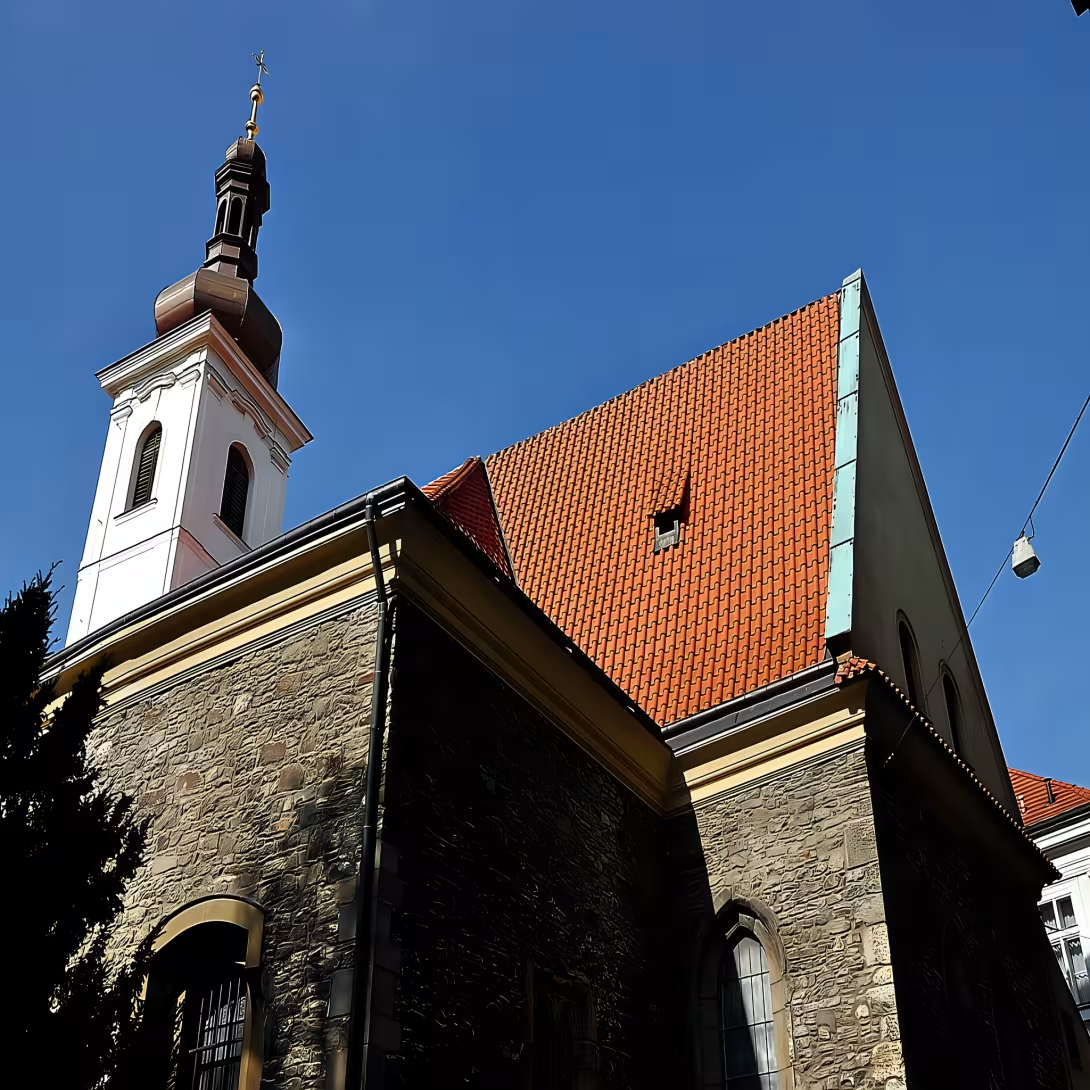
Objekt se nedochoval — na místě dnes nestojí. Následující text popisuje jeho historii, ne současnou návštěvu.
The church of St. Michael, once standing on Prague's Malá Strana, is a historical monument with a rich past, although it no longer exists in its original form. It was located in the Jesuit garden, which was donated in 1600 by Marie Manrique de Lara y Mendoza, married to Pernštejn. The building was part of a complex including a summer house with a chapel of St. Ignatius. In 1786 the church was demolished and, later on, Strak's Academy was established, which contains the chapel of St. Wenceslas.
The history of this place dates back to the 17th century, when confessional wars and the development of baroque art influenced Europe. Donating the Jesuit Garden to Marie Manrique de Lara y Mendoza in 1600 contributed to the flourishing of religious and cultural institutions in this location. At the time of the gift he ruled in the Czech Republic Rudolf II, whose reign was characterized by openness to new spiritual and artistic currents.
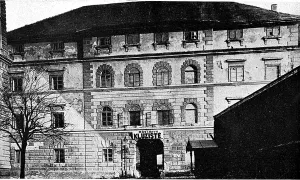
Although St. Michael's church did not preserve its original form, it left a trail in Prague's history. His existence was closely linked to the activities of Jesuit institutions on the Lesser Side. After his demolition in 1786, a dance hall founded by Bertoni, the buyer of the building in 1785, was set up here. This transition from religious to social cultural use reflects social changes and their impact on urban architecture.
Only traces of the former church can be found during today's visit to the Strak Academy. The chapel of St. Wenceslas in this complex resembles the spiritual tradition of the place. Despite the loss of the original building, the historical context and the changes here remain fascinating for everyone interested in Prague history.
Visiting the Strak Academy is an opportunity not only to explore contemporary architecture, but also to immerse itself in history. Although the church of St. Michael no longer exists, its heritage lives in the memory of the city and in preserved monuments. This building is reminiscent of the changes to which even the most permanent structures were subject and their role in society.
The church of St. Michael shows us how history changes all the time and why it's important to remember it. The trip to the past through Strak's Academy offers a unique view of the transformations that shaped Prague as we know it today.
Then and now
Drag the slider to compare how the landmark may have looked when it was built with the view today.
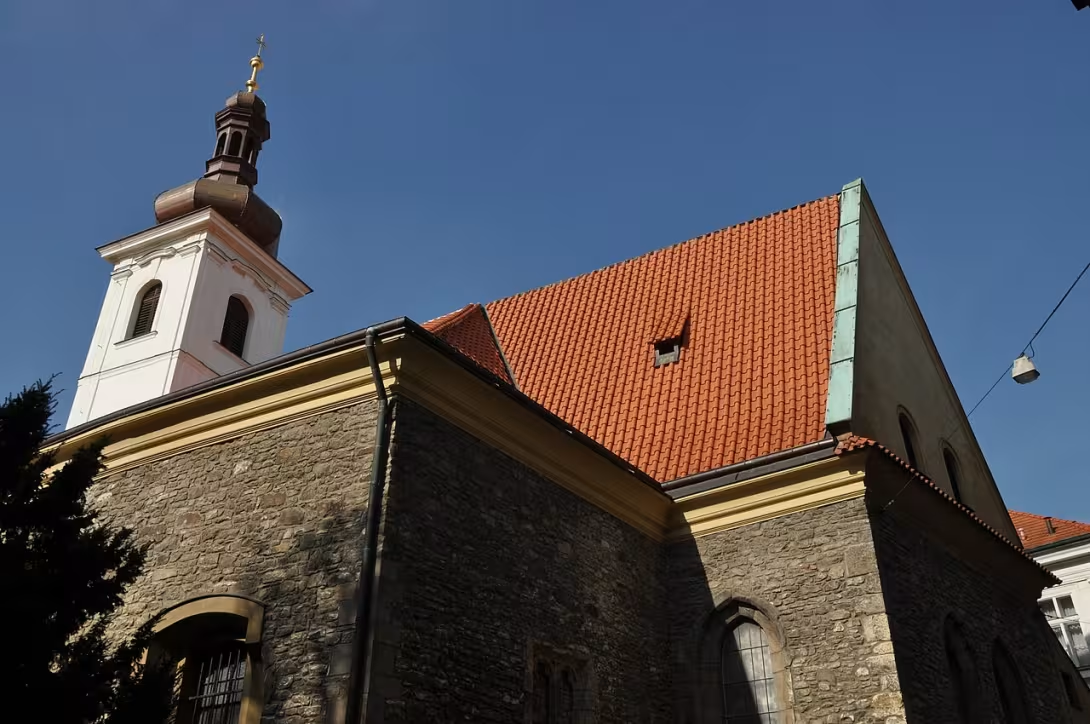
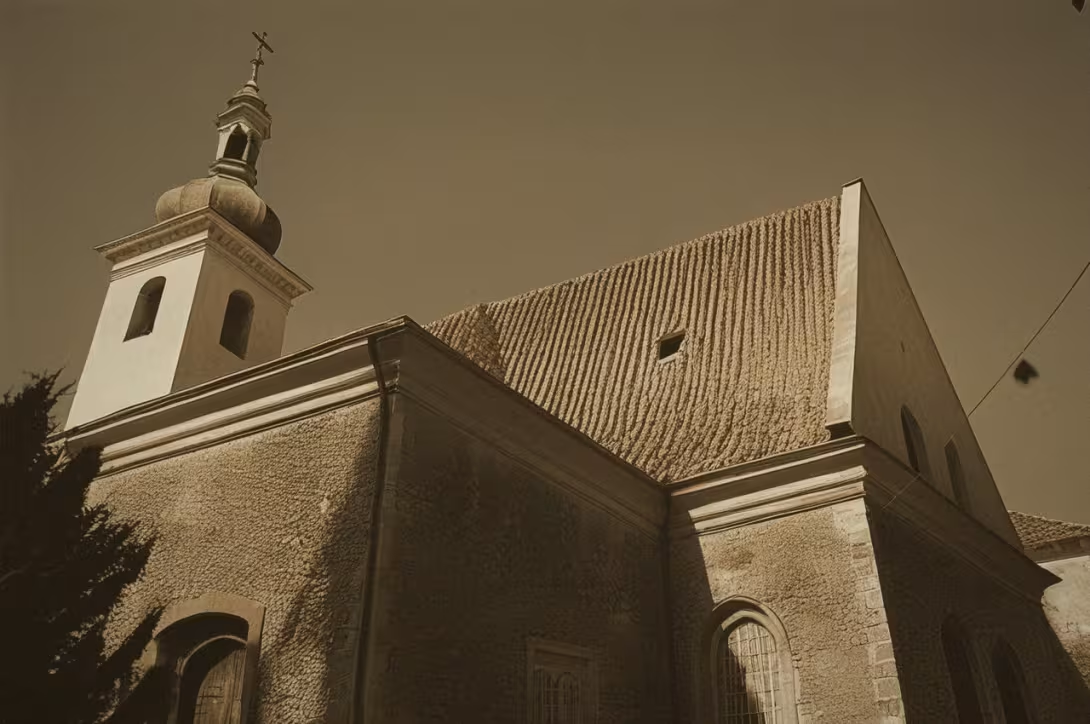
The historical appearance on the left is an AI-generated visualisation and serves as inspiration only.
Historical milestones
- 1600
- Donating the Jesuit Garden to Maria Manrique de Lara y Mendoza
- 1785
- Purchase of the Bertonim object
- 1786
- Demolition of the church and establishment of the dance hall
- po 1786
- The creation of Strak's Academy at the site of the former church
Architectural development
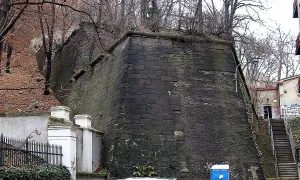
The church was torn down and the Strak Academy was built in its place.
Historical events
- 1600
- Donating Jesuit Garden Marie Manrique de Lara y Mendoza.
- 1786
- The destruction of St. Michael's church.
Owners
- 1600
- 1785
Points of interest
- The church of St. Michael once stood on Prague's Little Side and was part of a Jesuit garden donated by Maria Manrique de Lara y Mendoza, married to Pernštejn, in 1600. - The building was part of a complex including a summer house with a chapel of St. Ignatius. - In 1786, the church was demolished and the Strak Academy was later established in its place, which contains the chapel of St. Wenceslas. - After the demolition of the church in 1786, there was a dance hall founded by Bertoni, a buyer of the building in 1785. - The existence of the church was closely linked to the activities of Jesuit institutions on the Lesser Side.
Guide
This guide is narrated by a synthetic voice generated by artificial intelligence.
Show guide text
This text was created by artificial intelligence and has not been editorially reviewed. It may contain inaccuracies.
Welcome to the heart of Prague's Little Party. You are standing in a place that is today connected with calm and historical elegance, but if you had returned here several centuries ago, your view would have been quite different. Maybe right now you're feeling a strange atmosphere in this place as the air floats between the old buildings, and you might wonder why you won't find a monumental temple here at this particular point that dominates the surrounding horizons. It is because right here, under your feet and in the space now filled by another architecture, once stood the church of St. Michael. Although the building has long since disappeared, its legacy and the story that took place in these gardens are still deeply imprinted into the very soil of this neighborhood.
Let us return together to the time when Praha was changing and when power and faith intertwined in every stone detail. Imagine 1600. Praha is a city full of new religious influences and Jesuits are an extremely strong figure at that time. This year, there was a crucial moment that defined this space for centuries. Marie Manrique de Lara y Mendoza, married to Pernštejn, decided to donate her garden to the Jesuits. With this one act, this corner of the Little Party has become part of the sacred space. This created a Jesuit garden, a place of peace and spiritual work, which was a rare treasure in a busy city.
Now pay attention to how this space was organised. The church of St. Michael was not only a separate building, but the heart of the wider complex. It was not just a place of Sunday Mass, but part of the lifestyle of the speakers. The summer house, which served to rest and meditate, was part of the whole, and which carried the chapel of St. Ignatius, the founder of the Jesuit Order. Imagine the harmony between the nature of the garden and the sacral character of the buildings. It was a place where prayer mixed with the silence of the green and where history formed through the presence of prominent personalities, such as Marie Manrique de Lara y Mendoza just mentioned. Her gift wasn't just about land, it was about space for faith and education.
Now feel the dramatic twist that came much later when the world around it began to change at a faster pace. We go to the end of the eighteenth century, to a time when the old orders were losing their power and pragmatism began to prevail over tradition. In 1785 there was an event that changed the face of this place forever. An object that once belonged to the Jesuits was purchased by a man named Bertoni. What followed may be one of the most surprising moments in the history of this neighborhood. It was no longer about preserving the sacred place, but about its complete transformation. In 1786, the church of St. Michael was torn down. The place where the chorals used to sound and where people were looking for spiritual relief became a place of a completely different kind. A dance hall was set up at the site of the former church.
Consider the incredible contrast change. Imagine the sudden transition from the silence of the church ships and the sacred peace of the Jesuit Garden to the rhythmic sounds of music, laughter and folk entertainment. The place that was reserved for God became a place of human joy and social life. This transformation is seen as a symbol of the wider development of society that has diverted from the religious centre to the world. It's fascinating, though perhaps a little sad, a testimony about how quickly the character can change even the strongest places.
But after this dance hall period, history moved on again and the place regained its weight, albeit in a different spirit. In a place where the church once stood, Strak's Academy began to be built. This building, which is still an important part of Prague architecture, is a direct successor to the transformation. Thus, the history of this place became a circle - from a gift to a religious order, to a demolition and a dance hall, to the creation of an important institution.
Are you interested in perhaps the hidden mystery of this place? It's the invisible layer of history you're feeling here. You are standing in a place that is like palimpsest - an old parchment on which the original fonts were wiped out so that new words can be written on them. The church of St. Michael is not physically here, but its shadow still follows every building in the vicinity. The question that might accompany you on your next tour is, how many other worlds and how many other lives have been suppressed in these streets under a new layer of stone and bricks? What other shadows are hiding in gardens that once belonged to completely different people?
But now we will not keep you in the nostalgia of the past. You have a beautiful Little Party in front of you, full of other stories waiting to be discovered. I suggest you continue along these historic alleys. Look at the surrounding facades, feel the rhythm of the city and try to find traces of those who lived here before us in every corner. Every stone here can witness something great. Thank you for joining us on this short journey through time. We wish you a beautiful rest of your research and may Praha still surprise you with its hidden secrets. Goodbye.
For kids
Good morning! Today we're going on a time-traveling adventure to the beautiful city of Prague, where we'll display a fascinating historical monument - the Church of Saint Michael!
Imagine yourself standing in the heart of medieval Prague, surprised by Cobblestone streets and Gothic architecture. That's exactly what it was like when this church was first built in the 17th century. It stood tall in a beautiful Jesuit garden, where students from the near Strak Academy would strong along the paths, lost in thought.
Businesses nearby
Do you run a restaurant, accommodation, shop, museum, rental, wellness or other visitor service near this monument? Show yourself directly to the people heading to it — this is how they will see you in the app and on the web:
Events nearby

Zdroj akcí: otevřená data měst a obcí ČR (Národní katalog otevřených dat) a kalendář akcí Národního památkového ústavu.
Nearby
Ambient landscape: Small Page, Praha.
Visualizations and artistic views


The visualisations are generated by artificial intelligence and serve as inspiration.
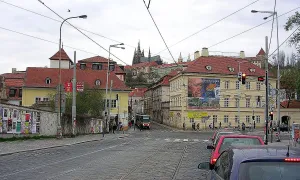
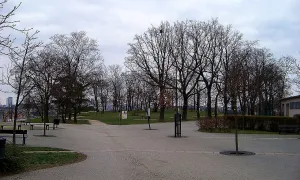
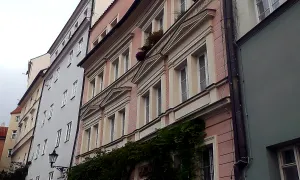
Photos from the area
Real photos taken near the monument


Zdroj a licence jsou uvedeny u každého snímku.
Tips from visitors
No tips yet. Be the first!
Log in and add your tip.
Sources and literature
Faktickým podkladem tohoto textu byl článek na Wikipedii, jehož autory jsou přispěvatelé Wikipedie. Článek je dostupný pod licencí CC BY-SA 4.0.
Location on the map
Příběhy a pověsti
Legendy, pověsti a příběhy spjaté s touto památkou
Fotografie návštěvníků
Zatím žádné fotografie. Buďte první, kdo přidá fotografii z návštěvy!
Log in a přidejte svou fotografii nebo hodnoťte.
Za ověřenou návštěvu v aplikaci získáte víc bodů — poznáme podle GPS, že jste na místě.
Reviews and comments