



Kostel svatého Mikuláše (Ševětín) Church
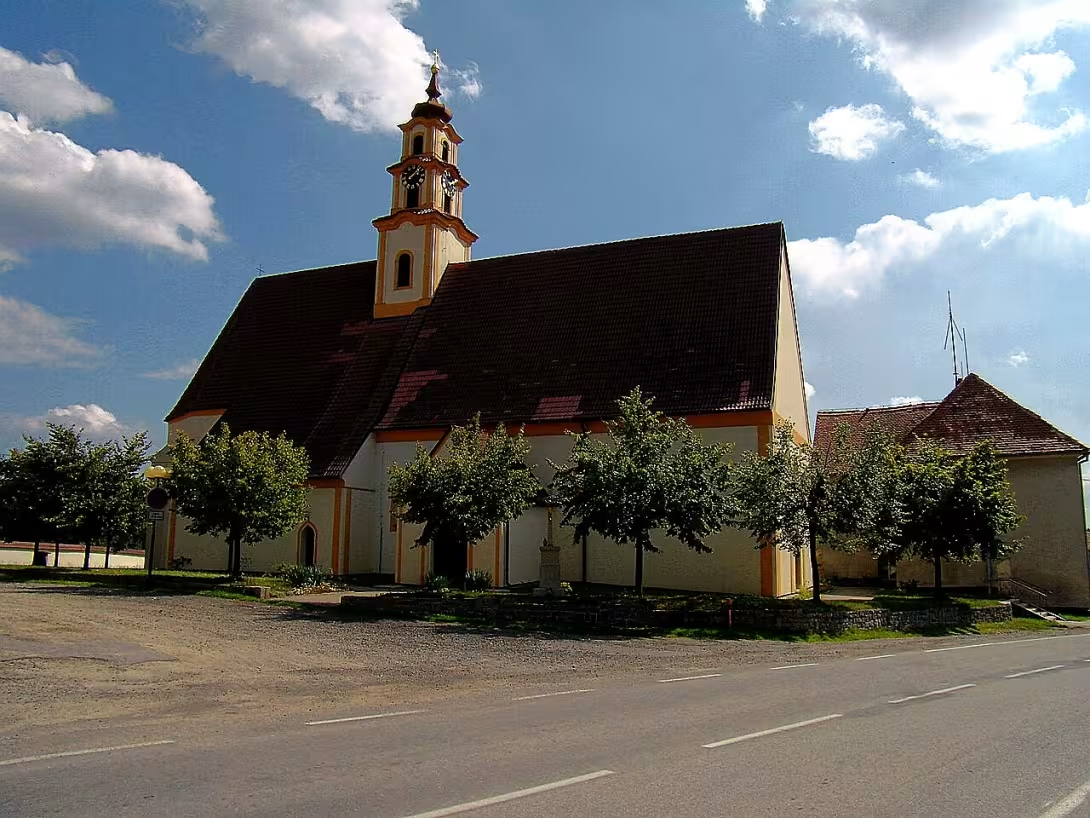
The Church of Saint Nicholas in Ševětín is a cultural monument and serves as the parish church for the Roman Catholic community in this quaint village located in Jihočeský kraj. Initially constructed in the early Gothic style, it has undergone several significant renovations over the centuries that have contributed to its current architectural form. The church is notable not only for its historical significance but also for its artistic elements, including preserved Gothic wall paintings and Baroque features.
The origins of the Church of Saint Nicholas trace back to a period when Bohemia was under the Přemyslid dynasty, experiencing considerable political and cultural growth. During this time, Gothic architecture began spreading across Europe, influencing religious structures like this church. The initial construction is believed to have occurred in the early Gothic style, with significant additions made over time, such as a presbytery added at the end of the 13th century. Its first documented mention dates back to 1356, marking its presence and importance within the community.
Architecturally, the Church of Saint Nicholas began as a simple structure but evolved into a more complex edifice with various renovations. It features a single-nave design, a five-sided presbytery, and an oblong sacristy on the north side. An atypical three-story bell tower (zvonička) sits above the junction of the nave and presbytery. Both the presbytery and sacristy are adorned with net vaults. The church's interior showcases Baroque elements, including a main altar from 1708 and a pulpit, reflecting stylistic changes over time.
The church has experienced several key events throughout its history. In 1695, lightning struck the tower, necessitating repairs that resulted in its current Baroque appearance. This event marked a significant transformation for the structure. Later, in 1993, Gothic wall paintings were uncovered and restored by renowned artists including Alois Martan and his son Martin, along with Roman Ševčík. These restorations have preserved important artistic elements that contribute to the church's historical value.
Today, the Church of Saint Nicholas remains a vital part of Ševětín’s cultural heritage. It continues to serve as an active parish church while also attracting visitors interested in its architectural and historical significance. The Baroque-style bell tower has become emblematic of the town, even featuring on the local coat of arms. Visitors can appreciate not only the church's architectural evolution but also its role within the community over centuries.
The Church of Saint Nicholas is a testament to the enduring legacy of Gothic and Baroque architecture in Bohemia. Its historical layers and artistic treasures make it a compelling destination for those interested in exploring the rich cultural tapestry of the region. A visit to this monument offers an opportunity to connect with the past while appreciating its continued relevance today.
Then and now
Drag the slider to compare how the landmark may have looked when it was built with the view today.
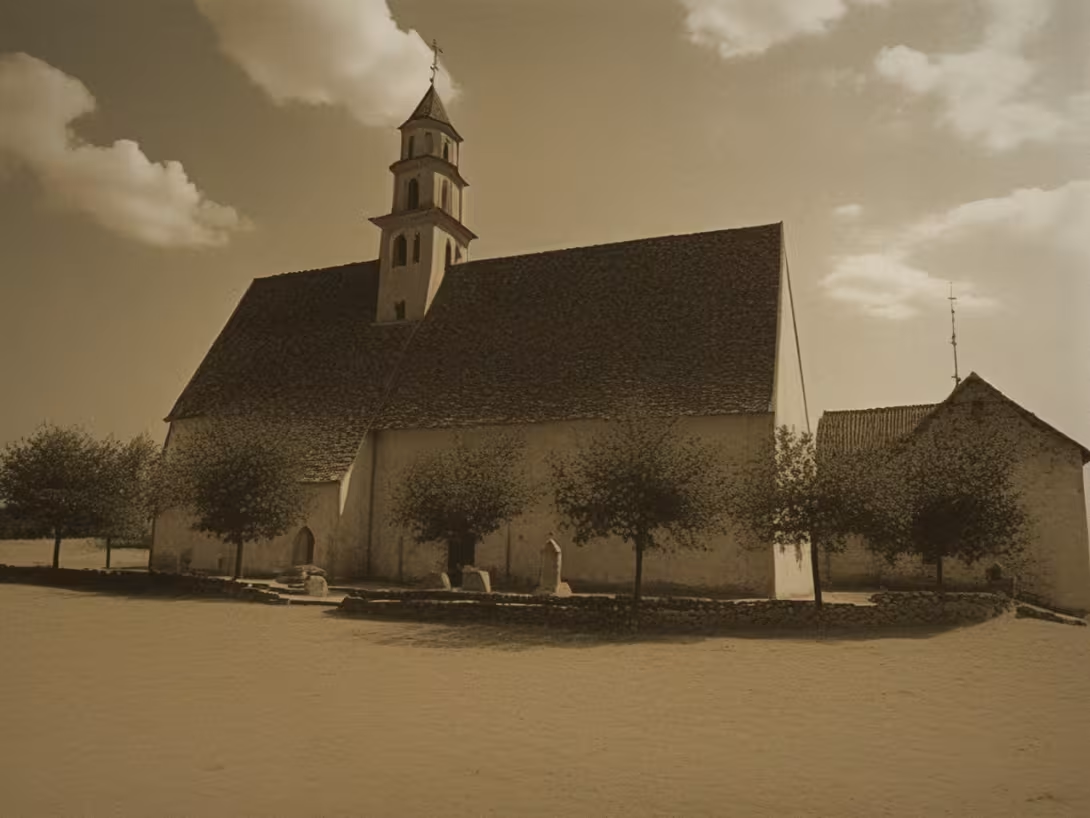
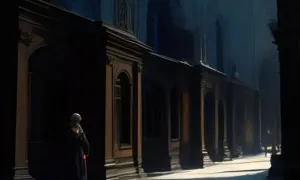
The historical appearance on the left is an AI-generated visualisation and serves as inspiration only.
Historical milestones
- around the 13th century
- Addition of the presbytery at the end of the 13th century.
- 1356
- First documented mention of the church.
- 1695
- A lightning strike damages the tower, leading to Baroque repairs.
- 1708
- Installation of a main altar in Baroque style.
- 1993
- Restoration of Gothic frescoes by artists Alois Martan and his son Martin, along with Roman Ševčík.
Architectural development
The Church of Saint Nicholas began as a simple early Gothic structure, with significant additions such as the presbytery at the end of the 13th century. Over time, it underwent several renovations, including changes to its tower after lightning damage in 1695 and updates to the choir loft in the 18th century. The church's interior features Baroque elements like the main altar from 1708 and a pulpit.
Historical events
First documented mention of the church in 1356.
Gothic wall paintings uncovered and restored in 1993.
Guide
This guide is narrated by a synthetic voice generated by artificial intelligence.
Show guide text
This text was created by artificial intelligence and has not been editorially reviewed. It may contain inaccuracies.
The Church of Saint Nicholas in Ševětín is the parish church of the Roman Catholic parish of Ševětín and is listed as a cultural monument. Its origins date back to the early Gothic period.
Initially, there was only a simple church nave. At the end of the thirteenth century, a choir was added to it. The first written mention of the Ševětín church comes from the year 1356. About a hundred years later, in the middle of the fifteenth century, a sacristy was added and wall paintings also came into being.
In the following centuries, the church was repaired and modified several times, for example in the years 1568 and 1635. In the year 1695, lightning struck the tower. During the subsequent repairs, the tower received its present Baroque appearance. In the eighteenth century, the gallery, which is a raised walkway in the nave, acquired its current look. The church was formerly surrounded by a cemetery and a brick wall.
A significant discovery came in the year 1993. In the presbytery, it was then possible to uncover Gothic wall paintings. Academic painter Alois Martan restored them together with his son Martin and with Roman Ševčík.
The building has a single nave and a presbytery ending in five sides. From the north side, a rectangular sacristy is attached to it. The presbytery and sacristy are covered with ribbed vaults. The placement of the tower is unusual. The three-storey small tower, also called a bell tower, does not stand in the front, but directly above the place where the nave connects with the presbytery. Its stylized appearance was also included in the municipal coat of arms of Ševětín.
From the interior furnishings, there is a Baroque main altar from the year 1708 and a pulpit. The organ comes from the turn of the nineteenth and twentieth centuries and was built by organ builders Mölzer and Skopek.
Frequently asked questions
Can the monument be visited?
Religious buildings are usually open mainly during services; at other times a visit is normally arranged with the parish or the operator. We have not verified specific times.
Where is the monument?
Location: Ševětín, Jihočeský kraj. The map on this page shows the exact spot.
Why is the monument protected?
It is listed in the Central List of Cultural Monuments of the Czech Republic as a cultural monument (register no. 31658/3-447).
Businesses nearby
Do you run a restaurant, accommodation, shop, museum, rental, wellness or other visitor service near this monument? Show yourself directly to the people heading to it — this is how they will see you in the app and on the web:
Events nearby
Zdroj akcí: otevřená data měst a obcí ČR (Národní katalog otevřených dat) a kalendář akcí Národního památkového ústavu.
Accommodation nearby
Trips and activities nearby
Guided tours, tickets and activities nearby from GetYourGuide
Affiliate link: if you buy from the partner, we may receive a commission. The price for you does not change.
Search tours and activities →Themed route
Thematic Walking Tour: Ševětín
1. Kostel svatého Mikuláše (Ševětín) - Church Begin your journey at the heart of Ševětín with the iconic Kostel svatého Mikuláše. This church is a remarkable example of Gothic architecture, featuring intricate stone carvings and a rich history that dates back several centuries. It stands as a testament to the region's cultural heritage and offers visitors an opportunity to explore its beautifully preserved interior.
2. Ševětínský náves - Village Square Just outside the church, take a leisurely stroll through the charming Ševětínský náves. This village square is surrounded by traditional houses that reflect the architectural style of the region. It's an ideal spot to appreciate the serene atmosphere and perhaps engage with locals who can share stories about Ševětín's history and culture.
3. Staré vinice (Old Vineyards) - Cultural Landmark A short walk from the village square, explore the Staré vinice. These old vineyards are a nod to the agricultural traditions of the Jihočeský kraj region. They offer picturesque views and an insight into the viticulture practices that have been part of Ševětín's landscape for generations.
4. Místní tržiště (Local Market) - Cultural Experience Conclude your tour at the bustling Místní tržiště. This local market is a vibrant hub where you can experience the daily life of Ševětín. It's an excellent place to sample regional delicacies, purchase handmade crafts, and interact with vendors who are proud representatives of their community.
This thematic walking tour provides a comprehensive glimpse into the cultural and historical essence of Ševětín, allowing visitors to immerse themselves in its unique charm.
Seasonal recommendations
Spring: The Church of St. Nicholas in Ševětín welcomes visitors with the gentle warmth and vibrant colors of spring. As nature awakens, the surrounding landscape is adorned with blooming flowers and fresh greenery, creating a picturesque setting that enhances the church's historical charm. During this time, mornings may still be cool, so wearing layers is advisable. The light in the early afternoon can beautifully illuminate the church’s architecture, making it an ideal time for photography.
Summer: Summer offers long daylight hours, perfect for exploring the Church of St. Nicholas during its extended opening times. The lush greenery and warm sunshine create a lively atmosphere around the site, inviting visitors to enjoy outdoor activities nearby before or after their visit. It's advisable to arrive early in the morning to avoid larger crowds that gather later in the day. Comfortable walking shoes and light clothing are recommended due to the warmer temperatures.
Autumn: Autumn transforms the Church of St. Nicholas with its rich palette of reds, oranges, and yellows, as the leaves change color around Ševětín. The cooler weather makes for a pleasant visit without the summer crowds, allowing visitors to appreciate the church in a serene setting. Early mornings or late afternoons are ideal times to capture the soft, golden light that enhances the historical architecture. Wearing layers is recommended as temperatures can vary.
Winter: During winter, the Church of St. Nicholas exudes a unique charm under a blanket of snow, with its spires and details highlighted against the white landscape. The shorter days mean fewer visitors, offering a peaceful experience to explore this historic site. However, it's important to dress warmly in layers and wear sturdy shoes for walking on potentially icy paths.
Visualizations and artistic views


The visualisations are generated by artificial intelligence and serve as inspiration.
Photos from the area
Real photos taken near the monument


Zdroj a licence jsou uvedeny u každého snímku.
Tips from visitors
No tips yet. Be the first!
Log in and add your tip.
Sources and literature
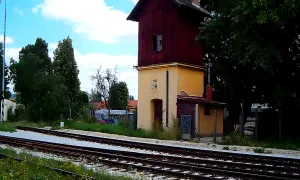
Photos: Krabat77 / CC BY-SA 3.0 — Wikimedia Commons. The author and licence also appear when you hover over the image.
Faktickým podkladem tohoto textu byl článek na Wikipedii, jehož autory jsou přispěvatelé Wikipedie. Článek je dostupný pod licencí CC BY-SA 4.0.
Location on the map





Příběhy a pověsti
Legendy, pověsti a příběhy spjaté s touto památkou
Fotografie návštěvníků
Zatím žádné fotografie. Buďte první, kdo přidá fotografii z návštěvy!
Log in a přidejte svou fotografii nebo hodnoťte.
Za ověřenou návštěvu v aplikaci získáte víc bodů — poznáme podle GPS, že jste na místě.
Reviews and comments