






Kostel svatého Mikuláše (Zbiroh) Church
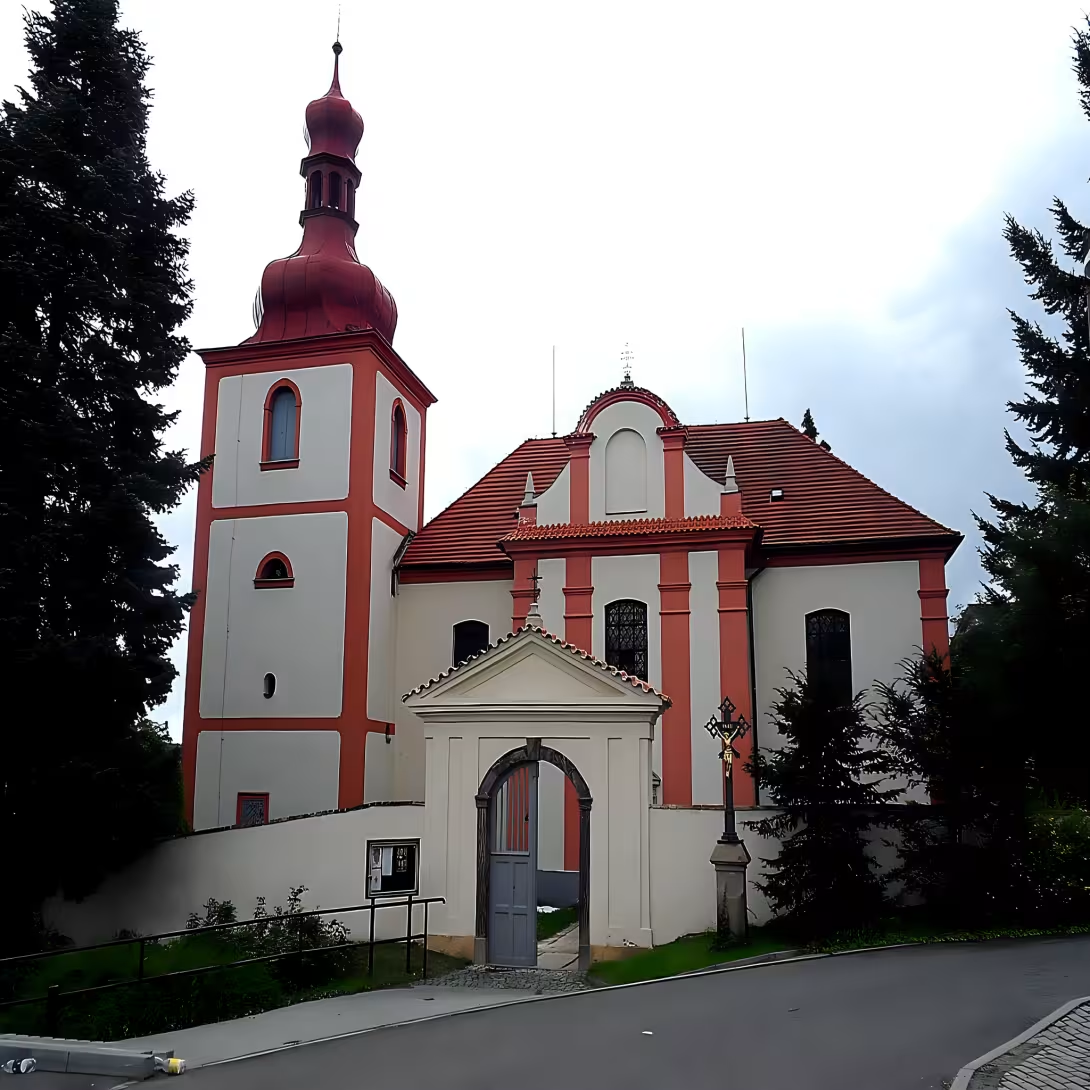
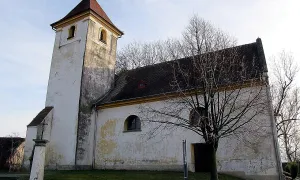
The Church of Saint Nicholas in Zbiroh is a notable Baroque church located at the upper southwest corner of Masaryk Square, serving as the parish church for the local community. It stands on the site of an abolished cemetery and is recognized as a cultural monument of the Czech Republic, along with its surrounding wall, gate, and well. The church's current form results from a Baroque reconstruction between 1719-1720, designed by Prague architect Filip Spannbrucker and executed by builder Václav Pokorný z Mýta.
First mentioned in historical records as a parish church in 1330, the Church of Saint Nicholas underwent significant transformation into the Baroque style during the early 18th century. This period coincided with Bohemia's inclusion in the Habsburg Monarchy, marked by cultural and architectural development influenced by European Baroque trends. The reconstruction utilized only the perimeter walls of the chancel from the original structure, with further modifications occurring in 1883 and 1921.
Architecturally, it is a single-nave, oriented Baroque building characterized by its distinctive facade featuring three gable fronts. These are adorned with blind niches painted by Prague artist Jan Kašpar Schmidt, depicting Saint Nicholas, Saint Wenceslas with angels, and Saint John Nepomucene. The facade's design includes dually positioned high pilasters and segmentally finished pediments with finials on the side wings. The church's shallow foundations, approximately 30 centimeters deep, may lead to structural issues over time.
The Church of Saint Nicholas is surrounded by an irregularly high stone wall topped with tiles and bricks, enclosing what was once a cemetery closed in 1897 and abolished in 1924. This historical context adds layers to the site's significance as it reflects changes in community practices and urban development.
Inside, the church features cross vaults spanning its nave, while side annexes have barrel-vaulted ceilings with lunette recesses, similar to the sacristy. The western vestibule is covered by a flat ceiling, and the interior walls are smooth, segmented only by pilasters with pronounced capitals. Notably, it houses new Gothic altars and pulpit from 1883, crafted by Prague sculptor František Josef Heidelberg, alongside older Baroque elements such as an image of Saint Nicholas on the main altar painted in 1732.
Today, the Church of Saint Nicholas stands as a testament to the architectural evolution and cultural heritage of Zbiroh. Its historical significance, combined with its artistic features, makes it a compelling site for visitors interested in exploring the rich tapestry of Czech history and Baroque artistry. The church's preservation as a cultural monument ensures that future generations can appreciate its unique contributions to the region's architectural landscape.
Then and now
Drag the slider to compare how the landmark may have looked when it was built with the view today.
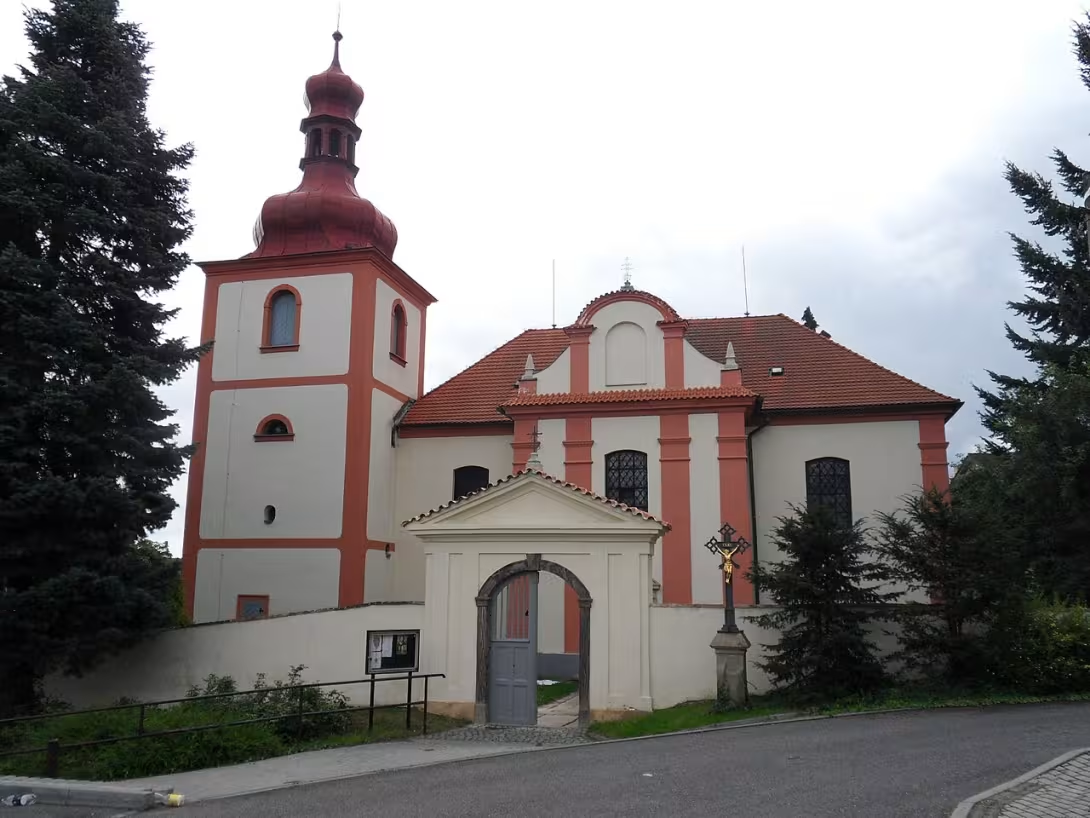
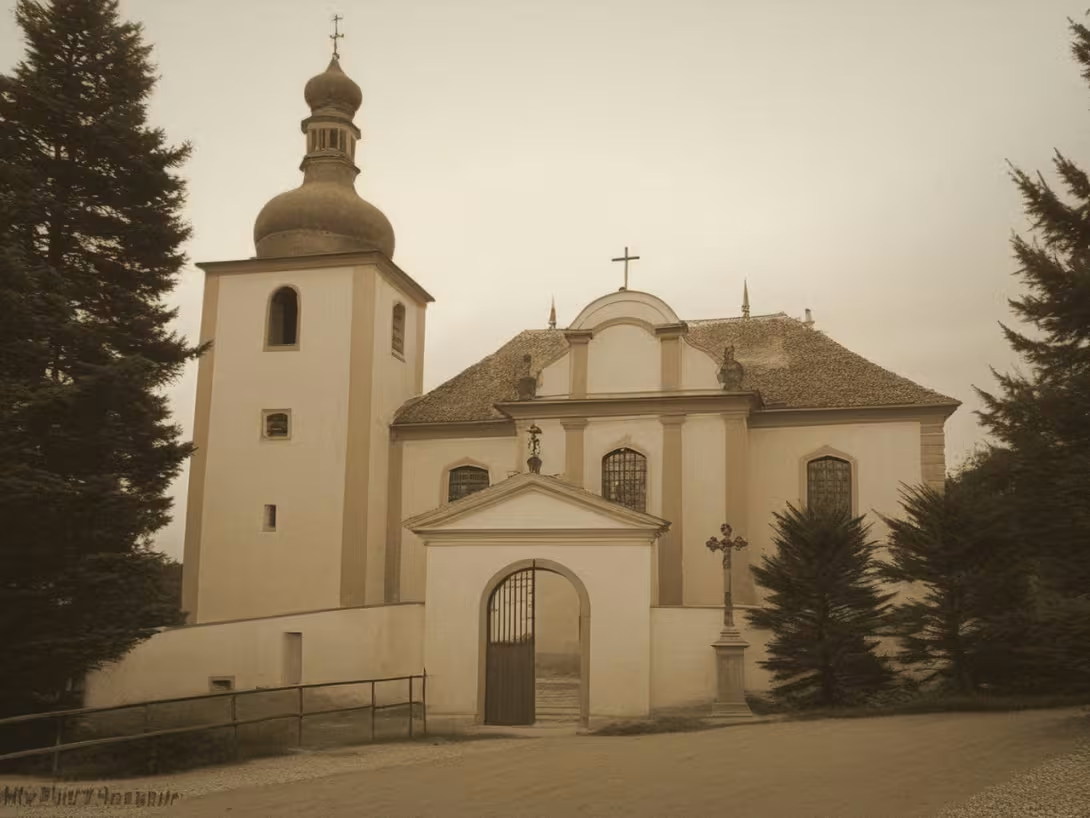
The historical appearance on the left is an AI-generated visualisation and serves as inspiration only.
Historical milestones
- 1719
- Baroque reconstruction of the church begins.
- 1720
- Completion of the baroque reconstruction.
Architectural development
Originally documented in 1330, the church underwent significant baroque transformation between 1719-1720 under architect Filip Spannbrucker and builder Václav Pokorný z Mýta. The reconstruction utilized only the perimeter walls of the chancel from the original structure. Further modifications occurred in 1883 and 1921.
Historical events
- 1330
- The church is first mentioned as a parish church.
- 1719
- Baroque reconstruction of the church begins, completed in 1720.
Points of interest
- The Church of Saint Nicholas in Zbiroh was built on the site of an abolished cemetery, reflecting a significant shift in community practices and urban development over time.
- Despite its Baroque reconstruction between 1719-1720, only the perimeter walls of the chancel from the original structure were retained, showcasing a blend of architectural eras within the building.
- The facade features paintings by Prague artist Jan Kašpar Schmidt, depicting Saint Nicholas, Saint Wenceslas with angels, and Saint John Nepomucene, adding artistic value to its Baroque architecture.
- Architect Filip Spannbrucker designed the church during a time when Bohemia was part of the Habsburg Monarchy, indicating that its architectural style was influenced by broader European trends in the region.
- The shallow foundations of approximately 30 centimeters may lead to structural issues over time, highlighting challenges in preserving historical buildings with original construction methods.
Guide
This guide is narrated by a synthetic voice generated by artificial intelligence.
Show guide text
This text was created by artificial intelligence and has not been editorially reviewed. It may contain inaccuracies.
Welcome to the Church of Saint Nicholas in Zbiroh, a remarkable testament to baroque architecture nestled on Masaryk Square's upper southwest corner. As you stand here, imagine the serene atmosphere enveloping this single-nave church, its presence commanding yet harmonious within the urban landscape.
The history of this site is as intriguing as its architecture. Originally built on the grounds of an abolished cemetery, the Church of Saint Nicholas reflects a significant transformation in community practices and urban development over time. This transition from burial ground to sacred space marks a fascinating chapter in Zbiroh's past.
In 1719, a pivotal moment unfolded with the commencement of the church’s baroque reconstruction, a project completed by 1720. The masterminds behind this architectural transformation were Filip Spannbrucker and Václav Pokorný z Mýta. Their vision reshaped the original structure into what stands before you today—a testament to their skill in marrying function with aesthetic elegance.
As you gaze upon the church, take a moment to appreciate its baroque features. The perimeter walls of the chancel, remnants from the original construction, stand as silent witnesses to the site's rich history. These elements blend seamlessly with the newer additions, creating a cohesive whole that speaks volumes about the era’s architectural sensibilities.
While specific historical figures associated with this church may remain unknown, its story is interwoven with the broader tapestry of Zbiroh's community life and spiritual heritage. It has served as the parish church for generations, continuing to be a focal point for worship and reflection.
One intriguing aspect of this site is how it encapsulates change—both in terms of architectural styles and societal practices. The transition from a cemetery to a place of worship underscores evolving attitudes towards death and community spaces over centuries.
As you conclude your visit here at the Church of Saint Nicholas, I invite you to carry forward the sense of wonder and curiosity that this place inspires. Explore further the cultural treasures Zbiroh has to offer, each with its own story waiting to be discovered. Thank you for joining me on this journey through history and architecture.
Tips for visitors
The best time to visit the Church of Saint Nicholas in Zbiroh is during late spring or early autumn when the weather is mild, making it pleasant for a stroll around Masaryk Square and exploring the church's surroundings. These seasons offer good lighting conditions for photography and fewer crowds compared to summer months. Additionally, visiting on weekdays can provide a more peaceful experience.
Parking near Zbiroh is limited; therefore, visitors are encouraged to use public transportation or park in nearby towns and walk from there. The town center of Zbiroh is accessible by bus, with routes connecting it to larger cities like Plzeň. For those driving, checking local maps for the nearest parking areas before your visit is advisable.
When visiting the Church of Saint Nicholas, consider bringing comfortable walking shoes as you may want to explore beyond the church grounds. A camera or smartphone is recommended for capturing the unique architecture and serene atmosphere. Also, carrying a light jacket or sweater can be useful due to variable weather conditions in the area.
For photography enthusiasts, the best spots around the Church of Saint Nicholas are from the southwest corner of Masaryk Square where you can capture its baroque facade against the sky. The morning light provides soft illumination ideal for highlighting architectural details. Inside the church, consider photographing during services or events when natural light filters through stained glass windows.
Nearby attractions within a 30-minute drive include the Zbiroh Castle, which is renowned for its beautiful gardens and historical significance. Families with children may also enjoy visiting the nearby nature trails that offer scenic walks suitable for all ages. These locations provide additional opportunities to explore the rich cultural heritage of the region.
Businesses nearby
Do you run a restaurant, accommodation, shop, museum, rental, wellness or other visitor service near this monument? Show yourself directly to the people heading to it — this is how they will see you in the app and on the web:
Nearby
The church is situated in the center of a former cemetery, enclosed by an irregularly high stone wall topped with tiles and bricks. The area was closed in 1897 and abolished in 1924.
Accommodation nearby
Themed route
Tematická Výletní Trasa: Kostel svatého Mikuláše v Zbirohu
1. Kostel svatého Mikuláše (Zbiroh) - *Typ:* Historický kostel - *Proč stojí za návštěvu:* Tento barokní kostel, postavený v 18. století, je nejvýraznějším architektonickým dílem v Zbirohu a sloužil jako centrální místo pro místní komunitu. Jeho bohatá historie a umělecké prvky z něj činí nezbytnou vizitku pro každého, kdo se zajímá o dědictví regionu.
2. Bývalá hřbitovní zahrada - *Typ:* Historická lokalita - *Proč stojí za návštěvu:* Kostel je umístěn uprostřed bývalého hřbitova, který byl uzavřen v roce 1897 a zrušen v roce 1924. Tato oblast je ohraničena neregulárními kamenitými zdmi s cihlovými a děrovými střechami, které dodávají místu jedinečnou atmosféru a historický kontext. Procházka kolem těchto zdí nabízí pohled na minulost komunity a její tradice.
3. Kamenná ohrada - *Typ:* Architektonický prvek - *Proč stojí za návštěvu:* Kamenná ohrada, která obklopuje bývalou hřbitovní zahradu, je významným architektonickým prvkem s nepravidelnými zdmi a střechami z cihel a děr. Její unikátní konstrukce poskytuje vhled do historických stavbových technik a dodává místu autentickou starobylou podobu.
4. Vnitřek kostela - *Typ:* Religiozně-historický areál - *Proč stojí za návštěvu:* Vnější krása kostela svatého Mikuláše je doplněna jeho bohatou interiérovou výzdobou. Interiér nabízí pohled na barokní umělecké prvky, jako jsou sochy a malby, které vyprávějí o duchovním životě obyvatel Zbirohu po staletí.
5. Nádvoří kostela - *Typ:* Historický prostor - *Proč stojí za návštěvu:* Nádvoří před kostelem sloužilo jako centrální místo pro mnoho komunitních akcí a je dnes klidným útočištěm, kde si navštěvníci mohou užít pohled na kostel a jeho okolí. Tento prostor nabízí možnost prohlédnout se do historie Zbirohu z pohodlí venku před kostelem.
Tato trasa vás provede skrze klíčové prvky historického a kulturního dědictví Zbirohu, zaměřená na Kostel svatého Mikuláše a jeho okolí.
Seasonal recommendations
Spring: Visiting the Church of Saint Nicholas during spring offers a unique experience as nature comes to life around Zbiroh. The surrounding landscape is adorned with blooming flowers and lush greenery, creating a picturesque backdrop for your visit. The gentle warmth of the season enhances the serene atmosphere, making it an ideal time to appreciate both the natural beauty and historical architecture. For practical advice, spring can attract moderate crowds as people enjoy outdoor activities after winter. It's advisable to wear comfortable layers that can be adjusted with changing temperatures throughout the day. Early mornings or late afternoons are often quieter times for a more peaceful visit.
Summer: Summer is an excellent time to explore the Church of Saint Nicholas due to its extended daylight hours and pleasant weather, which enhances the vibrant natural surroundings. The lush greenery around Zbiroh adds to the charm, making it perfect for leisurely walks or picnics in nearby areas after your visit. However, this season also sees higher visitor numbers as tourists flock to enjoy outdoor attractions. To avoid crowds, consider visiting early in the morning or later in the afternoon. Light and breathable clothing is recommended, along with sun protection such as hats and sunscreen.
Autumn: Autumn at the Church of Saint Nicholas offers a magical experience with its warm hues and crisp air. The changing leaves create a stunning visual effect that complements the historical architecture, providing an enchanting atmosphere for photography or quiet reflection. This season typically sees fewer visitors compared to summer, allowing for a more relaxed exploration of the site. It's advisable to wear layers, as temperatures can vary significantly throughout the day. A visit during this time offers a balance between pleasant weather and manageable crowds.
Winter: Winter transforms the Church of Saint Nicholas into a serene and tranquil destination, often blanketed in snow that enhances its historical charm. The cool air and shorter days create an intimate atmosphere, perfect for those seeking a peaceful escape from the bustling holiday season. However, be prepared for potential closures or reduced hours due to weather conditions. Visitors should dress warmly with layers, including hats, gloves, and insulated footwear, to comfortably enjoy their time at the site. Early visits are recommended as daylight is limited, ensuring you make the most of your experience before dusk.
Visualizations and artistic views


The visualisations are generated by artificial intelligence and serve as inspiration.
Photos from the area
Real photos taken near the monument


Zdroj a licence jsou uvedeny u každého snímku.
Tips from visitors
No tips yet. Be the first!
Log in and add your tip.
Sources and literature
Fotografie: Jik jik / CC BY-SA 3.0, rozlišení zvýšeno umělou inteligencí — Wikimedia Commons. The author and licence also appear when you hover over the image.
Faktickým podkladem tohoto textu byl článek na Wikipedii, jehož autory jsou přispěvatelé Wikipedie. Článek je dostupný pod licencí CC BY-SA 4.0.
Location on the map

Příběhy a pověsti
Legendy, pověsti a příběhy spjaté s touto památkou
Příběh: Kostel svatého Mikuláše (Zbiroh)
Bylo to v pondělí ráno, kdy Martin zjistil, že jeho život se rozpadá na konci svého dlouhého žebříku. Jeho ruce byly stále chladné od předchozí noci strachu,…
Číst příběh
Pověst: Kostel svatého Mikuláše (Zbiroh)
Podle místní pověsti, kterou si staří zbirožští obyvatelé šeptávají od nepaměti, nestojí kostel svatého Mikuláše na svém místě náhodou. Dávno před tím, než p…
Číst příběhFotografie návštěvníků
Zatím žádné fotografie. Buďte první, kdo přidá fotografii z návštěvy!
Přihlaste se a přidejte svou fotografii nebo hodnoťte.
Za ověřenou návštěvu v aplikaci získáte víc bodů — poznáme podle GPS, že jste na místě.
Reviews and comments