






Kostel svatého Prokopa (Libušín) Church
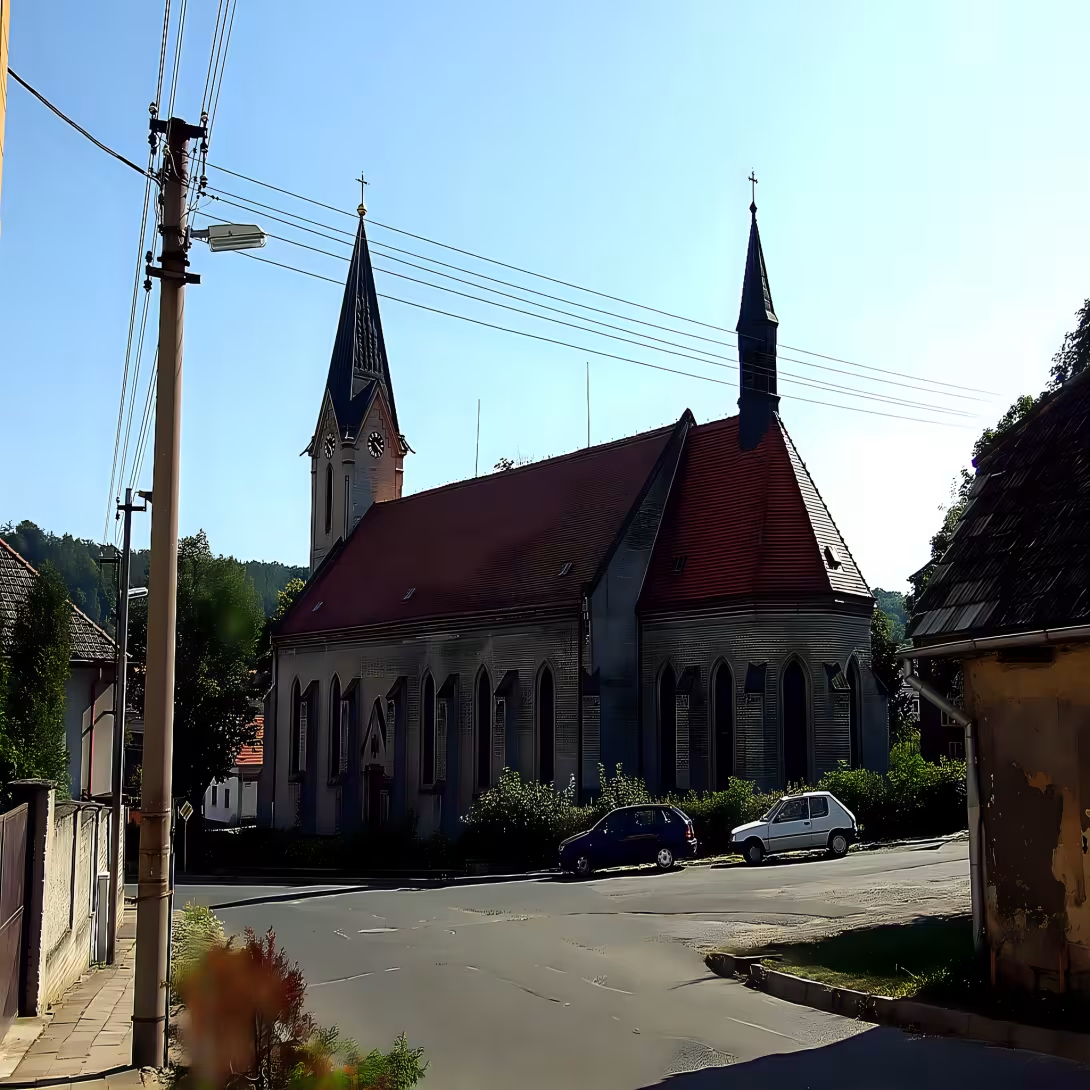
Kostel svatého Prokopa in Libušín is a significant neo-Gothic church built in 1908. Located in the town of Libušín within the Středočeský kraj region, this church serves as an important spiritual and cultural center for the community. It reflects its historical connection to coal mining through its dedication to Saint Procopius, the patron of miners. The church is part of the Roman Catholic parish of St. Wenceslas in Kladno-Rozdělov and is recognized as a notable cultural monument in Libušín.
The origins of Kostel svatého Prokopa are deeply intertwined with the industrial growth experienced by the Kladno region at the turn of the 20th century, particularly due to coal mining. This period saw rapid population expansion from approximately 500 residents to over 4,000 in Libušín, necessitating the development of public infrastructure such as schools and places of worship. Initially constructed as a school chapel due to the absence of an independent parish, the church was designed by architect Möcker between 1907 and 1908. The decision to build this new church arose from practical needs; it served not only the local farní community but also catered to over 1,000 students attending two general schools and one měšťanská school in Libušín.
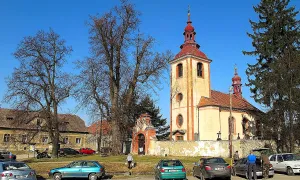
Architecturally, Kostel svatého Prokopa is a neo-Gothic structure measuring 40 meters in length, 14 meters in width, and reaching a height of 16 meters at its tallest point. The design accommodates frequent tremors from nearby mining activities by limiting the building's overall height. A prominent feature of the church is its four-sided tower, which stands at 32 meters tall and houses clocks manufactured in 1896 by V. Kreč.
Throughout its history, Kostel svatého Prokopa has witnessed several key events that have shaped its existence. In 1908, it was consecrated by Cardinal Leo Skrbenský z Hříště, marking the completion of its construction and dedication to Saint Procopius. The church's bells faced requisition during both World Wars; they were first taken for war efforts in World War I (1914-1918) and again confiscated by German occupation forces during World War II (1939-1945). Following these tumultuous periods, the church experienced further challenges, including state confiscation of all církevní property in 1949. By the late 20th century, due to důlní activities causing structural damage and vandalism, the church was closed in 1986.
Efforts to restore Kostel svatého Prokopa began after the political changes of 1989, with reconstruction initiated in 1991. Thanks to the generosity of donors and local enthusiasm, restoration efforts successfully restored all vitrážová windows to their original designs by 2001. In 1999, a new bell named Libuše was installed on the tower, followed by another bell dedicated to Nejsvětějšímu Srdci Páně in 2005.
Today, Kostel svatého Prokopa stands as a testament to both historical resilience and community spirit. Visitors can explore its neo-Gothic architecture and appreciate its restored features, including the historically significant stained glass windows. The church remains an active place of worship within the Roman Catholic parish, continuing to serve as a cultural and spiritual hub for Libušín. Its rich history and architectural beauty make it a worthwhile destination for those interested in exploring the region's industrial past and religious heritage.
Then and now
Drag the slider to compare how the landmark may have looked when it was built with the view today.
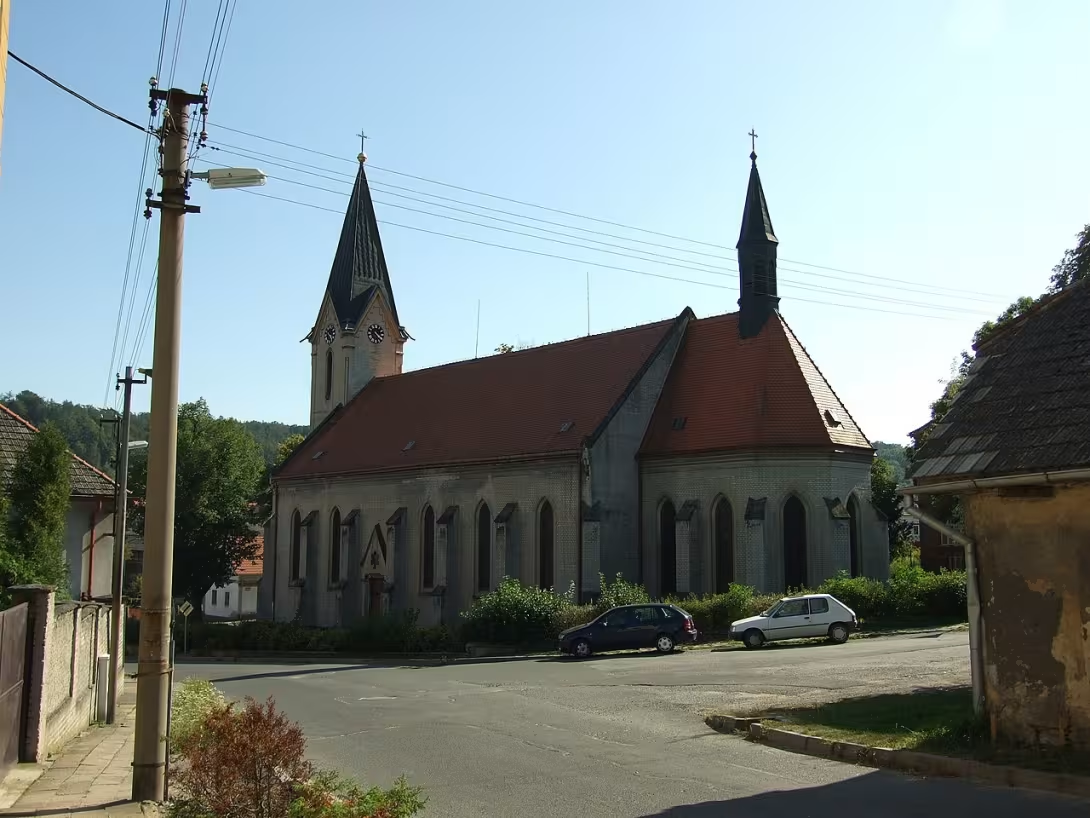
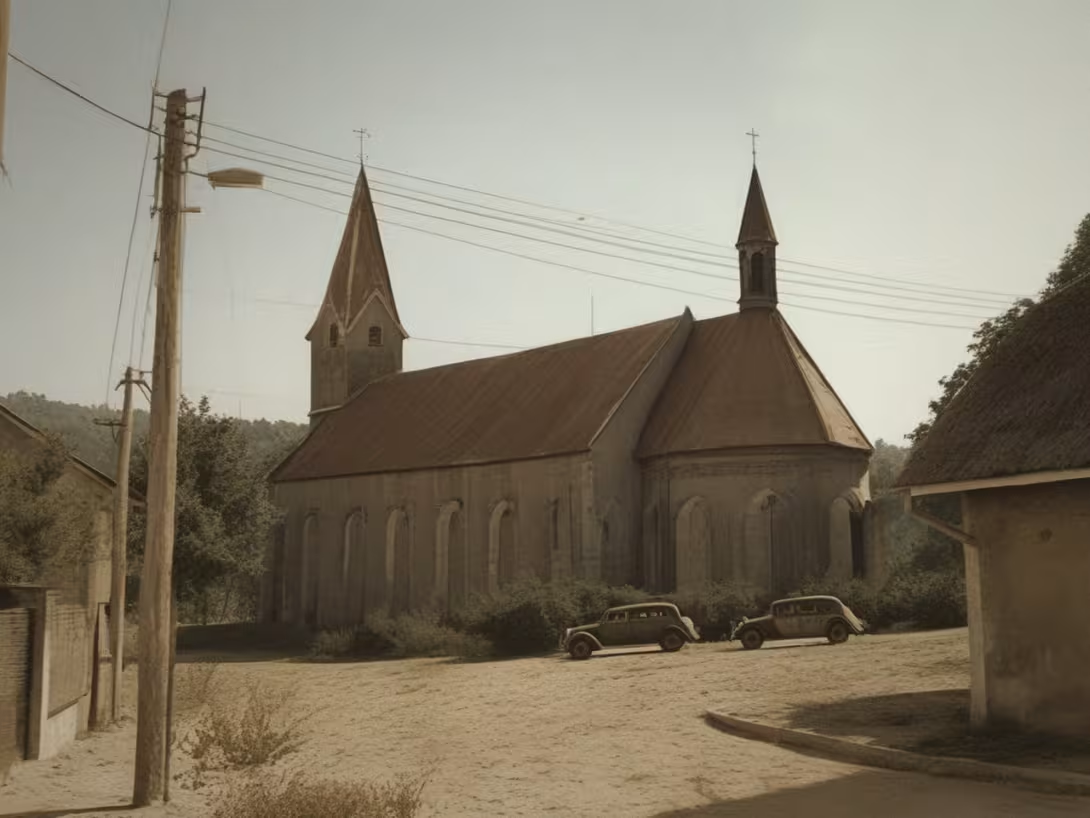
The historical appearance on the left is an AI-generated visualisation and serves as inspiration only.
Historical milestones
- 1908
- The church was consecrated by Cardinal Leo Skrbenský z Hříště.
- 1914
- The church's bells were requisitioned during World War I.
- 1942
- Interwar bells were confiscated during World War II.
Architectural development
The church was designed by architect Möcker and constructed between 1907 and 1908. It features a neo-Gothic style with dimensions of 40 meters in length, 14 meters in width, and a height of 16 meters at its tallest point. The structure's design accommodates the frequent tremors from nearby mining activities.
Historical events
1908: The church was consecrated by Cardinal Leo Skrbenský z Hříště, marking its completion and dedication to Saint Procopius.
1914-1918: During World War I, the church's bells were requisitioned for war efforts.
1939-1945: In World War II, the newly acquired interwar bells were again confiscated by German occupation forces.
Points of interest
- The church's architectural design includes a four-sided tower that houses clocks from 1896 by V. Kreč, showcasing an interesting blend of historical craftsmanship and functionality.
- Despite its neo-Gothic style, the church was constructed with specific considerations for stability due to frequent tremors caused by nearby coal mining activities, limiting its overall height.
- During both World Wars, the church's bells were requisitioned—first for war efforts in World War I and again by German occupation forces during World War II, highlighting their strategic importance beyond religious use.
- The church was closed in 1986 due to structural damage from mining activities and vandalism but saw a successful restoration beginning in 1991, demonstrating the community's commitment to preserving its cultural heritage.
- In 2005, a new bell dedicated to Nejsvětějšímu Srdci Páně (Most Holy Heart of Jesus) was installed, symbolizing renewed spiritual life and hope for the future of the church.
Guide
This guide is narrated by a synthetic voice generated by artificial intelligence.
Show guide text
This text was created by artificial intelligence and has not been editorially reviewed. It may contain inaccuracies.
Welcome to the historic site of Kostel svatého Prokopa in Libušín, a remarkable neo-Gothic church standing as a testament to both spiritual devotion and cultural heritage. As you stand here, take a moment to absorb the grandeur of its architecture against the backdrop of this serene landscape.
The origins of this church date back to 1908, constructed during a time when coal mining was booming in the Kladno region. This period saw rapid population growth, necessitating a spiritual center for the burgeoning community. The dedication of the church to Saint Procopius, patron of miners, underscores its deep historical ties to the local industry that shaped this area.
The design of the church reflects the architectural style and considerations of its time. Notice the four-sided tower, an impressive feature housing clocks from 1896 crafted by V. Kreč. This blend of historical craftsmanship with functionality offers a fascinating glimpse into the era's engineering prowess.
As you explore further, consider the stories that have unfolded here over the years. In 1908, Cardinal Leo Skrbenský z Hříště consecrated this sacred space, marking its official opening to serve the community. However, history has seen its share of challenges for this church. During World War I in 1914, and again in World War II in 1942, the church's bells were requisitioned, reflecting broader historical upheavals.
Now, take a moment to appreciate the architectural finesse that architect Möcker brought to life in this structure. The neo-Gothic elements are evident, yet they were thoughtfully integrated with considerations for stability—a nod to the unique demands of its location and purpose.
An intriguing aspect of Kostel svatého Prokopa is its resilience through turbulent times. Despite being requisitioned during both World Wars, it stands today as a symbol of endurance and continuity in Libušín.
As we conclude this audio tour, I invite you to continue exploring the church's surroundings or delve deeper into its history. Each corner holds stories waiting to be discovered. Thank you for joining us on this journey through time and architecture at Kostel svatého Prokopa. Safe travels as you continue your exploration of Středočeský kraj.
Tips for visitors
The best time to visit Kostel svatého Prokopa in Libušín is during late spring or early autumn when the weather is pleasant, and the surrounding Central Bohemian landscape is particularly beautiful. This period offers comfortable temperatures for exploring both the church and nearby historical sites. Additionally, visiting outside of peak summer months can provide a more tranquil experience with fewer crowds.
Parking and transportation to Kostel svatého Prokopa are convenient. The area around Libušín has parking facilities that should accommodate most visitors' needs. Public transport options are available, including buses that connect the region; however, it's advisable to check current routes and schedules in advance through a reliable travel or public transportation website.
When visiting Kostel svatého Prokopa, consider bringing comfortable walking shoes as you may want to explore not only the church but also the nearby historical mining sites. A camera is recommended for capturing the neo-Gothic architecture of the church and the scenic landscapes. Since there are no specific restrictions on photography within the church, it's a great opportunity to take pictures during the golden hours—early morning or late afternoon—for optimal lighting.
Within 30 minutes from Kostel svatého Prokopa, visitors can explore other cultural landmarks related to the region’s coal mining heritage. These sites offer insight into the historical significance of the area and provide a broader context for understanding the local culture and history. For families with children, these nearby attractions can be both educational and entertaining, making them ideal for a day trip.
For families visiting Kostel svatého Prokopa, there are several tips to enhance your experience. The church itself is child-friendly, offering an opportunity to teach younger visitors about architectural styles and local history in an engaging way. Nearby historical mining sites can be fascinating for children interested in how people lived and worked in the past. It's also a good idea to bring snacks or a packed lunch if planning to spend several hours exploring the area.
Businesses nearby
Do you run a restaurant, accommodation, shop, museum, rental, wellness or other visitor service near this monument? Show yourself directly to the people heading to it — this is how they will see you in the app and on the web:
Nearby
Libušín is located near historical mining sites and features typical Central Bohemian landscape. The area includes other cultural landmarks related to the region's coal mining heritage.
Accommodation nearby
Trips and activities nearby
Guided tours, tickets and activities nearby from GetYourGuide
Affiliate link: if you buy from the partner, we may receive a commission. The price for you does not change.
Search tours and activities →Themed route
Tematická výletní trasa: Historické a kulturní dědictví Libušína
1. Kostel svatého Prokopa (Libušín) - *Typ:* Kostel - *Proč stojí za návštěvu:* Tento barokní kostel je nejen duchovním centrem obce Libušín, ale také architektonickou perli zasazenou do idylického prostředí Středočeského kraje. Jeho historie a umělecká výzdoba přitahují návštěvníky, kteří chtějí prozkoumat bohatství místního duchovního života.
2. Historické doly Libušín - *Typ:* Historický místo - *Proč stojí za návštěvu:* Tato lokalita je svědkem bohaté minulosti oblasti, kde bylo těžení uhlí hlavním průmyslem. Návštěvníci mohou získat vhled do života horníků a technických aspektů těžby v dobách minulých, což je neocenitelné pro pochopení regionální historie.
3. Muzeum uhlí Libušín - *Typ:* Muzeum - *Proč stojí za návštěvu:* Toto muzeum poskytuje podrobný pohled na vývoj a dopad těžby uhlí v regionu. Exponáty a interaktivní výstavy nabízejí cenné informace o technickém pokroku, ekonomice a sociálním životě spojeném s hornictvím.
4. Památník horníků - *Typ:* Památník - *Proč stojí za návštěvu:* Tento památník je věnován památce horníků, kteří pracovali ve dnech minulých. Je to místo pro úctu a vzpomínku na životy těch, kdož byli klíčovými postavami v historii oblasti, a připomíná návštěvníkům důležitost hornictví pro místní komunitu.
Tato trasa nabízí cestujícím možnost nejen objevit kulturní památky Libušína, ale také hluboce pochopit historický význam a dědictví regionálního hornictví.
Seasonal recommendations
Spring: Visiting the Church of Saint Procopius in Libušín during spring offers a unique experience with nature's revival surrounding the historic site. The landscape is painted with vibrant colors as wildflowers bloom and trees regain their foliage, creating a picturesque setting that enhances the church’s architectural beauty. This season often brings mild weather, making it ideal for leisurely exploration without the extremes of summer heat or winter cold. However, spring can also be unpredictable; occasional rain showers are possible, so visitors should consider bringing an umbrella or waterproof jacket to fully enjoy their visit. Early mornings tend to be less crowded, providing a serene atmosphere to appreciate both the church and its natural surroundings.
Summer: Summer is the peak season for visiting the Church of Saint Procopius in Libušín, characterized by long daylight hours that illuminate the historic architecture beautifully. The warm weather invites visitors to enjoy outdoor activities around the site, such as picnicking or hiking nearby trails. However, this popularity means larger crowds and potentially longer wait times, so arriving early is advisable for a more relaxed experience. Comfortable walking shoes and light clothing are recommended due to the heat, along with sun protection like hats and sunscreen. Despite the bustle, summer offers the best opportunity to see the church in full splendor under clear skies.
Autumn: Autumn brings a magical transformation to Libušín as the surrounding landscape turns into a tapestry of reds, oranges, and yellows, providing a stunning backdrop for the Church of Saint Procopius. The cooler temperatures make it an ideal time for those who prefer milder weather, allowing visitors to stroll comfortably around the site without the summer heat. This season can also offer fewer crowds compared to summer, granting more intimate access to explore the church’s details and enjoy its serene atmosphere. Layered clothing is recommended to accommodate fluctuating temperatures throughout the day.
Winter: The Church of Saint Procopius in Libušín takes on a quiet, almost mystical charm during winter, with snow often blanketing the landscape and casting a soft glow over the historic structure. While some parts of the church may have limited access due to shorter opening hours or maintenance closures, the reduced number of visitors allows for a peaceful exploration. Winter conditions require practical attire; warm clothing, including coats, hats, gloves, and sturdy boots are essential to stay comfortable during your visit. The early morning light can create a particularly enchanting view, making it worth braving the cold for a unique experience of this historic site in winter’s embrace.
Visualizations and artistic views


The visualisations are generated by artificial intelligence and serve as inspiration.
Photos from the area
Real photos taken near the monument


Zdroj a licence jsou uvedeny u každého snímku.
Tips from visitors
No tips yet. Be the first!
Log in and add your tip.
Sources and literature
Fotografie: I would appreciate being notified if you use my work outside Wikimedia. More of my work can be found in my personal gall / CC BY-SA 3.0, rozlišení zvýšeno umělou inteligencí — Wikimedia Commons. The author and licence also appear when you hover over the image.
Faktickým podkladem tohoto textu byl článek na Wikipedii, jehož autory jsou přispěvatelé Wikipedie. Článek je dostupný pod licencí CC BY-SA 4.0.
Location on the map

Příběhy a pověsti
Legendy, pověsti a příběhy spjaté s touto památkou
Příběh: Kostel svatého Prokopa (Libušín)
Bylo to v pondělí ráno, kdy Vít zjistil, že cesta do Kladna byla nemožná kvůli bouřlivému povětrnosti, která pohroužila okolní krajinu v tajemnou mlhu. Zavol…
Číst příběh
Pověst: Kostel svatého Prokopa (Libušín)
Podle místní pověsti, která se v Libušíně šeptá od dob první světové války, zvony kostela sv. Prokopa nebyly jen kusem kovu. Staří horníci říkávali, že v jej…
Číst příběhFotografie návštěvníků
Zatím žádné fotografie. Buďte první, kdo přidá fotografii z návštěvy!
Přihlaste se a přidejte svou fotografii nebo hodnoťte.
Za ověřenou návštěvu v aplikaci získáte víc bodů — poznáme podle GPS, že jste na místě.
Reviews and comments