



Kostel Zjevení Páně (Velehrad) Church
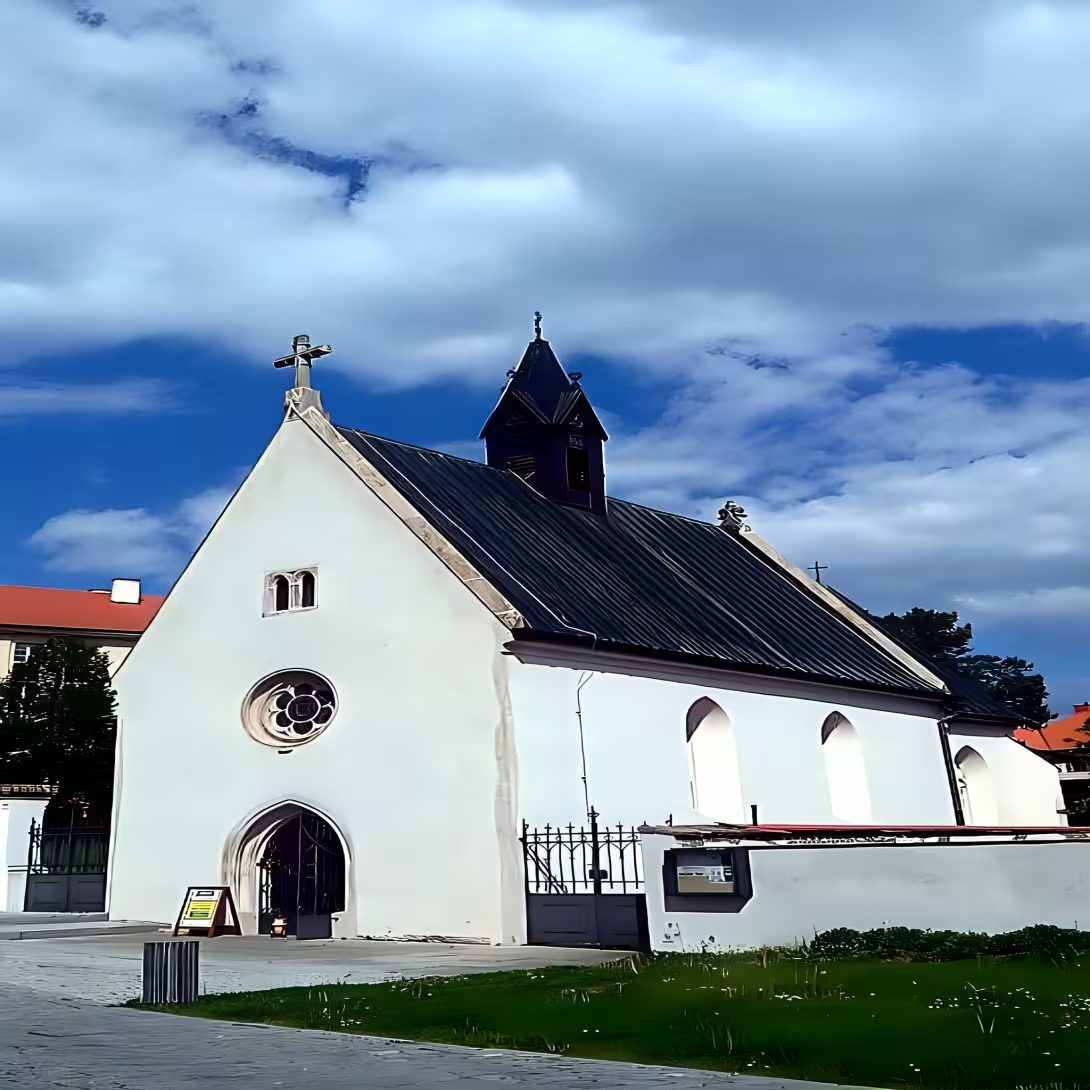
Kostel Zjevení Páně, also known as Kaple Cyrilka, is a medieval chapel near Velehrad Basilica in the Czech Republic. Originally dedicated to the Feast of Corpus Christi, it was rededicated to the Revelation of the Lord in 1863. This chapel holds historical significance due to its association with Saints Cyril and Methodius, who are believed to have celebrated Mass there.
Kaple Cyrilka is part of a heritage-protected area that includes a Cistercian monastery, making it an integral monument within the Zlín Region. The chapel dates back to the late 13th century when it was built for monks and later opened to pilgrims and locals. Initially thought to be one of the oldest structures from Great Moravia's era, this misconception helped preserve it from destruction.
In 1421, a Hussite invasion damaged the chapel, but repairs allowed it to continue serving visitors who couldn't access the monastery grounds. Ownership changed over time, notably after the Cistercian monastery dissolved in 1784 when Kaple Cyrilka served as a cemetery chapel until a new cemetery was established in 1832. Count Jiří Sina later acquired it for storage purposes. In 1863, Archbishop Bedřich Fürstenberg purchased and restored its religious function.
Architecturally, the chapel underwent significant changes during a mid-19th-century renovation led by Ervin Lippert. The neo-Gothic style introduced elements like a sacristy tower, enhancing its aesthetic appeal. Constructed primarily from stone with brick inserts, it features horizontal lines indicative of uniform construction.
The chapel is steeped in local legend and historical anecdotes. One tale recounts King Svatopluk entering the chapel on horseback during mass to punish Methodius for not waiting until his return from hunting. Another notable feature is a bell named after the Immaculate Conception of Mary, which has remained silent since before the communist era but is maintained by local bell ringers.
Today, Kaple Cyrilka stands as a cultural and historical landmark near Velehrad Basilica, part of a heritage site that attracts visitors interested in its rich past. Its architectural beauty and storied history make it a worthwhile destination for those exploring the Zlín Region. Visitors are invited to experience this unique chapel, where history and legend converge, offering insights into medieval Bohemia's spiritual and cultural life.
Then and now
Drag the slider to compare how the landmark may have looked when it was built with the view today.
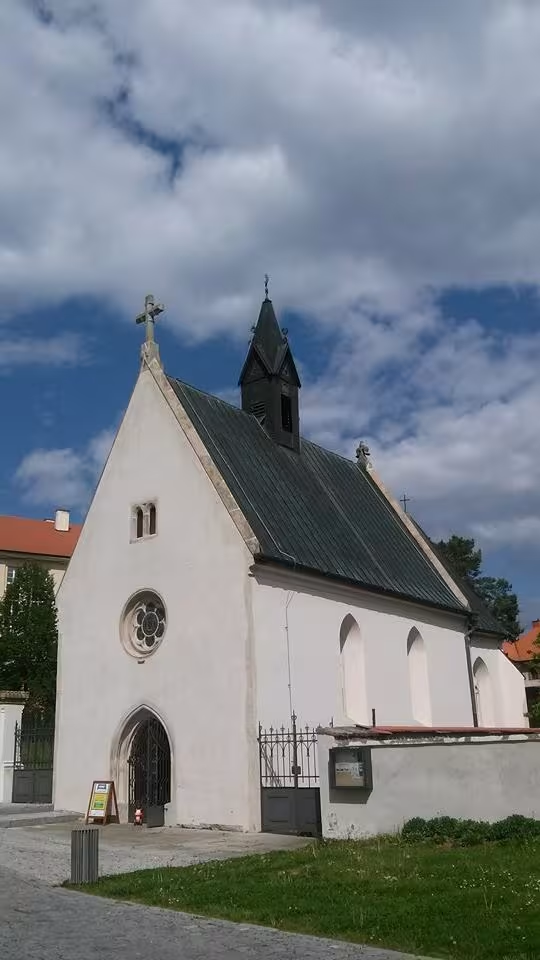
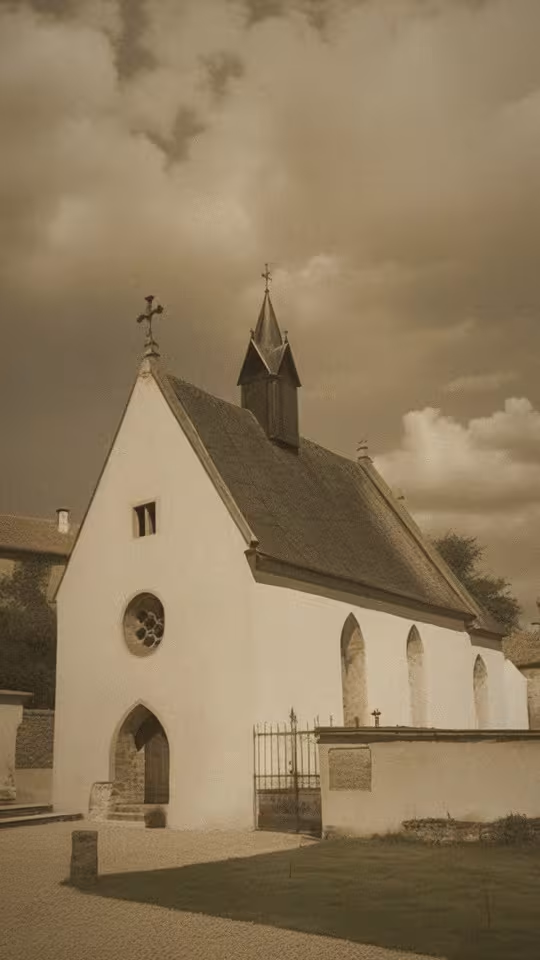
The historical appearance on the left is an AI-generated visualisation and serves as inspiration only.
Historical milestones
- konec 13. století
- Kaple postavena pro mnichy.
- 1421
- Kaple poškozena husitskou invazí.
- 1784
- Cisterciácké opatství zrušeno, kaple sloužila jako hřbitovní kaple.
- 1832
- Nový hřbitov vytvořen, kaple přestala být používána pro pohřby.
- 1863
- Kaple znovu zasvěcena a obnovena jako náboženský objekt.
- střed 19. století
- Renovace vedená Ervinem Lippertem, přidání neo-gotických prvků.
Architectural development
The chapel's construction dates back to the late 13th century. It underwent significant renovation in the mid-19th century under architect Ervin Lippert, who introduced neo-Gothic elements such as a sacristy tower and updated its interior. The building is primarily constructed from stone with brick inserts, featuring horizontal lines indicative of uniform construction.
Historical events
In 1421, the chapel was damaged during a Hussite invasion but was later repaired to serve visitors unable to access the monastery grounds.
After the dissolution of the monastery in 1784, it served as a cemetery chapel until a new cemetery was built in 1832.
In 1863, Archbishop Bedřich Fürstenberg restored the chapel and rededicated it to the Revelation of the Lord.
Owners
The chapel was initially part of the Cistercian monastery until its dissolution in 1784. It later came into possession of Count Jiří Sina, who used it as a hayloft or gunpowder storage. In 1863, Archbishop Bedřich Fürstenberg acquired and restored it for religious use.
Points of interest
- One intriguing legend tells of King Svatopluk riding into Kaple Cyrilka on horseback during a Mass to reprimand Methodius for not waiting until his return from hunting. This tale highlights the chapel's connection to historical figures and events.
- The bell in the chapel, named after the Immaculate Conception of Mary, has remained silent since before the communist era. Despite its silence, it is still maintained by local bell ringers, preserving a piece of the chapel’s auditory history.
- Initially believed to be one of the oldest structures from Great Moravia's era, this misconception played a crucial role in saving Kaple Cyrilka from destruction. The belief added historical value and urgency to its preservation efforts.
- After the Cistercian monastery dissolved in 1784, Kaple Cyrilka served as a cemetery chapel until a new cemetery was established in 1832. This period of use highlights the chapel's adaptability and continued importance to local communities.
- Architecturally, the chapel underwent significant changes during a mid-19th-century renovation led by Ervin Lippert, introducing neo-Gothic elements like a sacristy tower. These renovations enhanced its aesthetic appeal while preserving its historical essence.
Guide
This guide is narrated by a synthetic voice generated by artificial intelligence.
Show guide text
This text was created by artificial intelligence and has not been editorially reviewed. It may contain inaccuracies.
The Church of the Revelation of Our Lord in Velehrad, which has long been called the Cyrilka, stands not far from the Velehrad Basilica. It belongs to the heritage-protected area of the Cistercian monastery and has been a national cultural monument since 2008. Originally it was dedicated to the Body and Blood of Our Lord, and it has borne its current dedication since 1863.
The chapel was created at the end of the 13th century, initially for monks, and later also for pilgrims and residents of the pre-monastery settlement. For a long time it was mistakenly considered to be the oldest surviving structure from the time of Great Moravia. People believed that Cyril and Methodius celebrated Mass in it. It was also told that the angry King Sviatopluk rode into it on horseback. He wanted to punish Methodius because he did not wait for the King to return from hunting before beginning Mass. It was precisely this belief that ultimately saved the chapel from destruction.
In 1421 a Hussite raid destroyed the entire monastery. After repairs, the chapel served visitors who were not allowed in the monastery because they were not members of the order. As the population of Velehrad grew, it became a parish church. After the monastery was abolished in 1784, it became a cemetery chapel. When a new cemetery was established in 1832, it was left abandoned. Count Jiří Sina, who inherited it, according to available accounts used it as a hay barn or gunpowder store.
In 1863 Archbishop Bedřich Fürstenberg purchased the chapel from Sina and restored its original purpose. At his expense it was completely renovated in the Neo-Gothic style. The design comes from the Viennese architect Ervin Lippert. Experts highly appreciate his reconstruction from 1859 to 1863. Lippert added a small sanctus bell tower to the roof. Hanging in it is a bell dedicated to the Immaculate Conception of the Virgin Mary with a bottom diameter of 41 centimeters. It rang for the last time before the onset of communism. It did not ring even during the visit of Pope John Paul the Second.
In the first half of the 20th century, the idea of unifying the divided Church was growing stronger. For this reason, a liturgical space for priests of the Eastern rite was supposed to be created in Velehrad. This did not succeed in the basilica, so in 1929 the Cyrilka was chosen. An iconostasis, a wooden wall with painted images following the pattern of the Novgorod painting school from the 14th century, separated the presbytery from the nave.
The structure has a rectangular nave and a shorter, narrower presbytery. The presbytery is ended by five sides of an octagon and vaulted with a fan vault. Its ribs are connected by a boss with the initials IHS. The west facade has a simple portal with a pointed arch. Above it is a round window with tracery, a coupled window, and at the top a stone cross.
Tips for visitors
The best time to visit the Church of the Annunciation, also known as Kaple Cyrilka, is during late spring or early autumn. During these seasons, the weather is typically pleasant, and the natural beauty surrounding Velehrad is at its peak with vibrant foliage in spring and colorful landscapes in autumn. Additionally, visiting outside of peak summer months can help avoid larger crowds, allowing for a more serene experience.
The chapel is accessible by both car and public transport. For those using public transport, it's advisable to check current connections via a travel planner or local transit website to find the best route from nearby towns or cities.
When planning your visit, consider bringing comfortable walking shoes as exploring the site and its surroundings involves some walking. A hat and sunscreen are recommended if you're visiting during sunny days in spring or autumn. Additionally, carrying a water bottle will help keep you hydrated while enjoying the natural scenery around Velehrad.
For photography enthusiasts, early morning or late afternoon offers the best light for capturing the chapel's medieval architecture against the backdrop of the Zlín Region’s landscapes. The soft lighting during these times enhances the textures and colors of the site. The area near the basilica provides excellent vantage points for both close-up shots of the chapel and wider landscape views.
This basilica is an impressive monument in its own right, offering stunning views and rich history. For families with children, these sites provide a mix of cultural education and outdoor exploration opportunities.
Frequently asked questions
Can the monument be visited?
Religious buildings are usually open mainly during services; at other times a visit is normally arranged with the parish or the operator. We have not verified specific times.
Where is the monument?
Location: Velehrad, Zlínský kraj. The map on this page shows the exact spot.
Businesses nearby
Do you run a restaurant, accommodation, shop, museum, rental, wellness or other visitor service near this monument? Show yourself directly to the people heading to it — this is how they will see you in the app and on the web:
Events nearby


Zdroj akcí: otevřená data měst a obcí ČR (Národní katalog otevřených dat) a kalendář akcí Národního památkového ústavu.
Nearby
Located near the Velehrad Basilica, the chapel is part of a heritage site that includes other significant monuments. The surrounding landscape features natural beauty typical of the Zlín Region.
Accommodation nearby
Trips and activities nearby
Guided tours, tickets and activities nearby from GetYourGuide
Affiliate link: if you buy from the partner, we may receive a commission. The price for you does not change.
Search tours and activities →Themed route
Tematická výletní trasa: Kostel Zjevení Páně (Velehrad) a okolí
1. Kaple Zjevení Páně
- Typ: Kaple
- Proč stojí za návštěvu: Tato kaple je klíčovou součástí duchovního komplexu na Velehradě, který přitahuje nábožensky zainteresované i historicky zaujaté návštěvníky. Je známá svou architektonickou krásou a duchovním významem.
2. Bazilika Zesnulých
- Typ: Bazilika
- Proč stojí za návštěvu: Nachází se blízko kaple a je největší dřevěnou bazilikou v Evropě. Je to hlavní místo pouti pro katolíky z celého světa, což ji činí fascinujícím místem pro návštěvu.
3. Nádvoří Velehradského kláštera
- Typ: Nádvoří
- Proč stojí za návštěvu: Toto místo nabízí klidné okolí, kde můžete užít přírodní krásy a architektonického prostředí. Je to ideální místo pro odpočinek a reflexi po návštěvě kaple a baziliky.
4. Park Velehrad
- Typ: Park
- Proč stojí za návštěvu: Park nabízí krásné výhledy na okolní krajinu Zlínského kraje a je ideálním místem pro relaxaci. Jeho přírodní prostředí doplňuje duchovní zážitek, který nabízejí památky Velehradu.
5. Velehradské náměstí
- Typ: Náměstí
- Proč stojí za návštěvu: Toto místo je centrem místního duchovního a kulturního života. Zde se nachází různé památky a sochy, které připomínají historický význam Velehradu.
Tato trasa nabízí komplexní zážitek od duchovních po přírodní krásy regionu.
Seasonal recommendations
Jaro: Velehrad offers a uniquely refreshing atmosphere in the spring, when newly bloomed leaves and flowers form the basis for vibrant nature around the Church of the Revelation of the Lord. Sunny days are ideal for strolls through the surrounding landscape, which grows more beautiful with each passing day. The best time to visit this site is in the early afternoon, when you can avoid crowds and enjoy a peaceful walk. Arriving earlier also ensures better photographic conditions, as the light is most beautiful.
Léto: In summer, Velehrad becomes a popular destination for visitors seeking an escape from city life. The warm sun fills the surrounding landscape with its dazzling light, creating ideal conditions for photographing the church and its surroundings. Although it's the busiest time of year, it is recommended to visit the site early in the day or in the evening shade when crowds are fewer, allowing you to enjoy a more tranquil visit. Don't forget sun protection and plenty of drinking water.
Podzim: In autumn, Velehrad offers an inviting atmosphere as leaves become a vibrant tapestry around the Church of the Revelation of the Lord. Sunny and crisp weather enhances the beauty of this place, making it ideal for nature lovers and photographers. Visit the site in the early afternoon or evening shade to enjoy a quieter visit with fewer people. Don't forget warmer clothing and protection against dampness.
Zima: Winter Velehrad offers a calm and quiet atmosphere, with the Church of the Revelation of the Lord surrounded by a snowy mist. Short days require an earlier visit to make the most of the daylight while maintaining comfort. Warm clothing is essential for braving the cold, and it may be wise to bring a cable as some parts of the site may not be open during winter hours. This season offers a unique opportunity for a peaceful and reflective stroll.
Visualizations and artistic views


The visualisations are generated by artificial intelligence and serve as inspiration.
Photos from the area
Real photos taken near the monument


Zdroj a licence jsou uvedeny u každého snímku.
Atmosphere of the place
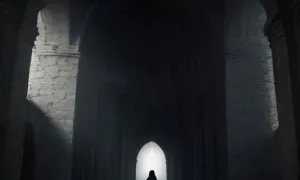
This atmospheric visualisation of the place and period was generated by artificial intelligence. It is not real footage of the location.
Tips from visitors
No tips yet. Be the first!
Log in and add your tip.
Sources and literature
Photos: Končáková Klára / CC BY-SA 4.0, rozlišení zvýšeno umělou inteligencí — Wikimedia Commons. The author and licence also appear when you hover over the image.
Faktickým podkladem tohoto textu byl článek na Wikipedii, jehož autory jsou přispěvatelé Wikipedie. Článek je dostupný pod licencí CC BY-SA 4.0.
Location on the map

Příběhy a pověsti
Legendy, pověsti a příběhy spjaté s touto památkou
Fotografie návštěvníků
Zatím žádné fotografie. Buďte první, kdo přidá fotografii z návštěvy!
Log in a přidejte svou fotografii nebo hodnoťte.
Za ověřenou návštěvu v aplikaci získáte víc bodů — poznáme podle GPS, že jste na místě.
Reviews and comments