






Královská kaple (Plasy) Chapel
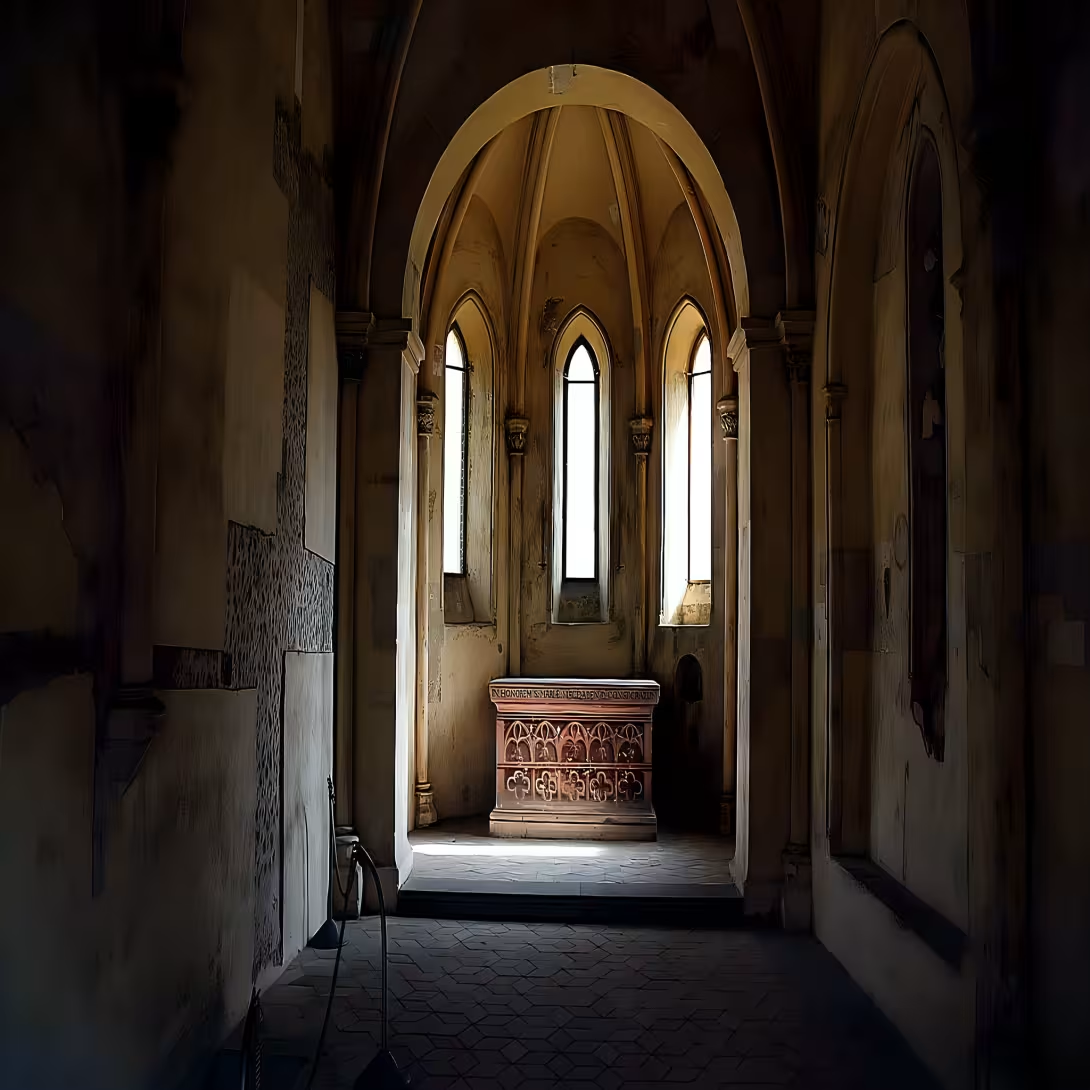
There is an interesting two-storey building just outside the monastery in Plas, which carries a secular concept of the upper floor and sobriety of the lower floor. It's a royal chapel, which he had built for sure, knowing the importance of his patrons. The chapel dates from the second half of the 13th century and was apparently consecrated around 1265 under the rule of Přemysl Otakar II and for the leadership of the abbots Gerard in the period 1265-1286, as stated by the monastery chronicle of 1744.
The chapel was established at a time when the monastery in Plasi had long settled in Western Bohemia. Prince Vladislav II's will to build it was reflected in the construction of this special storey building, which was connected to the chapel and the mansion for occasional visits to the king. The fact that the chapel grew up storey was not common in the 13th century. It shows how seriously her future functions were meant to be and who she was supposed to serve. The lower space was dedicated to St. Wenceslas, patron of the Czech lands and important ancestors of the Přemyslovský family, while the upper floor belonged to St. Mary Magdalene. In the 17th century, the chapel became part of an extended monastery granary and lost its beautiful distinctive name.
The building occupies its architectural solution. It is built in an early Gothic style, but retains many elements of Romanesque architecture, especially in the weight and strength of masonry. From sandstone blocks, which are artistically machined and perfectly formed together, a building lasting until today was born. The lower floor is squatted in space, has a low ceiling and narrow small windows with nuggets that resemble older, romantic time. The upper floor varies significantly: it is almost twice the height and much lighter thanks to five high windows in the presbytery.
Inside the chapel, we find architectural details that tell about its importance. The lower space is bridged by a simple vault; Before the presbytery, the ship surpasses a massive victory arch on heavy pillars. The presbytery itself has the shape of a fiver with a radiant arch with played nails. The consoles to which arches are supported are decorated with natural motifs. But one of them is decorated with a royal crown - it is not just an ornament, it is a declaration of the royal patronage over the monastery. In the north wall leads a staircase to the top floor where the atmosphere is lighter and more noble. The south wall keeps tracks of two walled windows that match the windows in the presbytery.
The architectural details and the character of the interior remained essentially intact, at least on the lower floor. In the Baroque, the vault of the lower chapel was restored after it was damaged. Only in 1993 did archaeological research help discover the remains of the original royal residence and illuminate the past of these places. Visiting the chapel promises a view of the time when the kings were really interested in the Czech Church and when their possessions were part of the monastery buildings.
Then and now
Drag the slider to compare how the landmark may have looked when it was built with the view today.
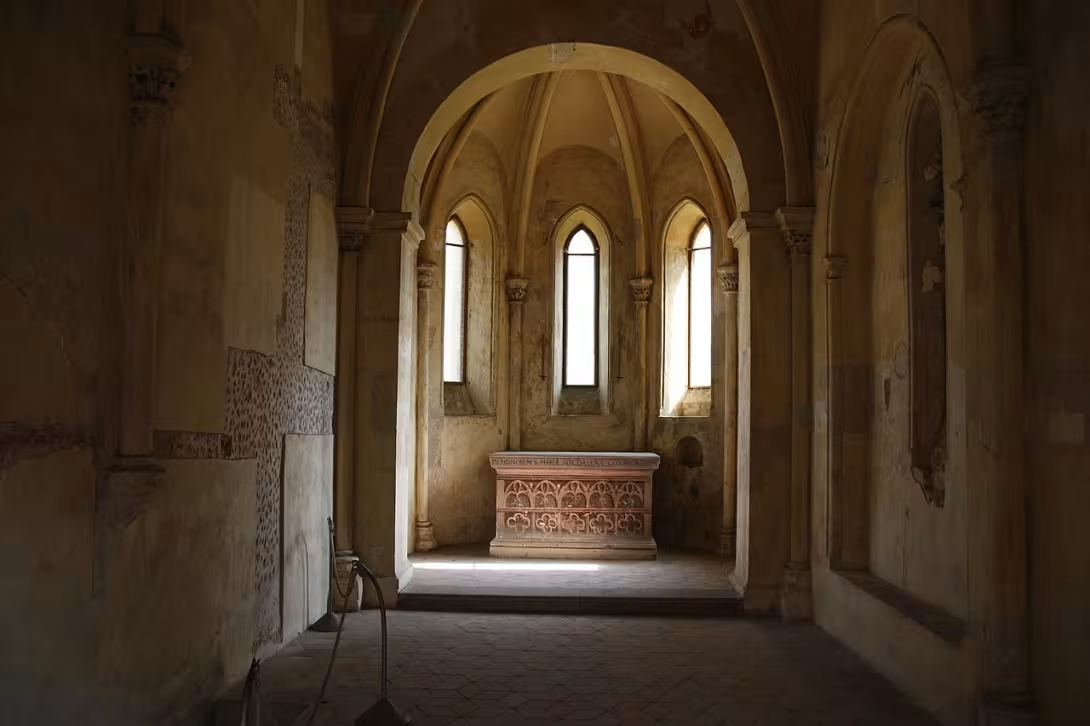
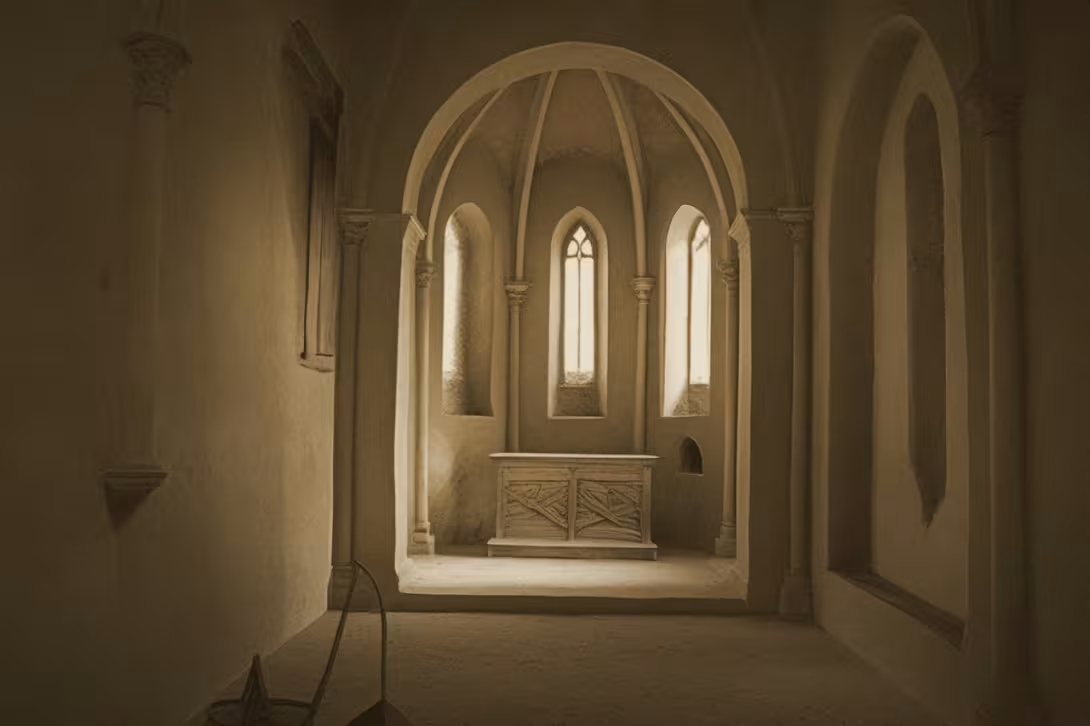
The historical appearance on the left is an AI-generated visualisation and serves as inspiration only.
Historical milestones
- 1260
- The beginning of the construction of the royal chapel as part of the royal residence in the monastery in Plasi.
- 1265
- The consecration of the chapel for Abbot Gerard, associated with her function as a royal prayer house.
- 1600-1650
- The installation of the chapel into the granary, thus losing its original meaning and function.
- 1993
- Archaeological research confirmed the existence of a royal residence following the chapel.
Architectural development
The chapel was built in an early Gothic style with strong Romanesque elements, especially in the construction of walls and vaults. The lower floor is simple, with a low ceiling and a cross vault, while the upper floor is lighter and more decorative with a radiant presbytery vault. The windows are narrow and sharp, with a romantic effect. In the 17th century the chapel underwent adaptation to the granary, but the interior retained its original character. In the early Baroque, the vault of the lower floor was restored after damage.
Historical events
- 1144
- The establishment of a Cistercian monastery in the Plasians by order of Prince Vladislav II.
- 1265
- The consecration of the chapel for Abbot Gerard, probably under the rule of the Remysl Otakar II.
- 1600-1650
- The installation of the chapel into the monastery granary, the loss of the original function and the home 'royal'
- 1993
- Archaeological research revealed the remains of the royal residence following the chapel
Points of interest
- The chapel dates from the second half of the 13th century and was probably consecrated around 1265 under the rule of Přemysl Otakar II.
- It was built knowing the importance of the monastery's patrons because the upper floor was intended for royal visits.
- The lower space of the chapel is dedicated to St. Wenceslas, while the upper floor of St. Mary Magdalene.
- The chapel is a two-story building, which was not common in the 13th century and proves its importance.
- In the north wall of the chapel leads the staircase to the upper floor, which is significantly higher and lighter than the lower space.
Guide
This guide is narrated by a synthetic voice generated by artificial intelligence.
Show guide text
This text was created by artificial intelligence and has not been editorially reviewed. It may contain inaccuracies.
Welcome to the Plasas. You have just stopped in front of one of the most important and yet most mysterious buildings in this region. You are standing right in front of the Royal Chapel, which itself carries the echo of ancient glory and nobility. While you look at her walls, try to forget for a moment the noise of the outside world and let yourself be carried away by the idea that you are in the heart of the medieval monastery, where the power of kings and the spiritual power of abbots met. This building is not just an ordinary sacral space, it is a silent witness to the events that shaped our country's history.
Let's go back deep into the past together until the second half of the 13th century. Imagine the year 1260, the period when a new political and religious centre was built in these neighborhoods. It was at that time that this chapel began to emerge, not as a separate object, but as a key part of a wider royal residence in the monastery of Pláska. At that time, this region was strategically important and the need to have a dignified place for sovereign prayers was absolutely clear. The chapel was built with the knowledge that its guests would not be ordinary people, but the rulers themselves who sought spiritual support and peace.
Now pay attention to the architecture itself, which is right before your eyes. Although time has left a mark on the construction, you can still perceive the features of early Gothic. It is a storey building, which is a very specific and challenging element in the context of the time. This vertical breakdown was not random and had deep symbolic and practical significance. Note that the chapel is divided into two levels. The lower floor, which is dedicated to St. Wenceslas, represents a connection with Czech crown traditions and a national cult. The upper floor is then dedicated to Saint Mary Magdalene. It was this top floor that was designed for royal visits. It was a place reserved for the highest representatives of the state, a place where the most noble divine and political communications could take place, separated from the world.
To understand the true meaning of this place, we need to remember the people who took care of it. Two characters play a crucial role in the history of the chapel. The first is Abbot Gerard, who inaugurated the chapel in 1265. Under his guidance, the chapel became a full-fledged royal prayer house. Gerard was a man of faith and political reason who could link the interests of the monastery to the needs of the sovereign. The second key figure is Přemysl Otakar II., also known as the Iron King. During his reign the chapel reached its peak and became a symbol of the power and stability of the royal family. When you look at this building, you can try to imagine the moment when the bells and prayers first rang here in 1265.
History, however, is unpredictable and the fate of this chapel has been very stormy over the centuries. After a period of royal glory, there came a time when its meaning began to disappear. Between 1600 and 1650, there was something that probably seemed like nonsense to the then builders. The chapel was built and its original sacral function was completely suppressed. She stopped being a place of prayer for kings and became a simple utility object - a granary. Imagine the contrast: instead of noble rituals and royal processions, there were stored grain supplies. This era of gradual oblivion and loss of the original meaning lasted long until the chapel became a mere monument to something that people could no longer fully understand.
And this is where we come to one of the most interesting mysteries of this place. After centuries, when the chapel stood alone, it seemed to be the last remnant of something that had long passed away. But something unexpected happened in 1993. Thanks to modern archaeological research, the truth has been revealed, which has been hidden under clay and time for centuries. The archaeologists confirmed that this chapel was not just a random bouquet, but that it was directly linked to a large royal residence. This discovered truth tells us that we are facing a fragment of a much larger and more complex entity that has long been lost. Where exactly were all the other buildings located? What did the whole residence look like at the time of its greatest bloom? This question remains open and gives this place a constant boost.
Look at the chapel one more time, but this time, knowing everything that was hidden in it. It is a building that survived the rise and fall of powerful dynasties, survived the transition from sacred to profane, and was eventually rediscovered through science. It has the strength of early Gothic, the dignity of the royal prayers and the silent sadness of years when it served only as a warehouse.
I hope that this brief insight into the past has helped you better perceive the beauty and weight of this place. The Royal Chapel in the Plasas is living proof that even if buildings disappear or change their shape, their souls and stories remain carved into history. Please continue to search the area and do not get tired of the beauty of this place. Every stone and every shadow here can tell another piece of story waiting to be discovered. We thank you for the journey through time and wish you a pleasant continuation in discovering the secrets of the Plas.
Frequently asked questions
Is Královská kaple (Plasy) open to the public?
Yes, the chapel is open to the public. The opening hours are 9:00 to 5:00.
How do I get to the place by car / public transport?
The Royal Chapel is located in the heart of Plas, so it is available by car or public transport from Prague. The nearest public transport stop is about 10 minutes' walk from the chapel.
How much is the entrance fee and is it paid on the spot?
Payment is made directly at the chapel entrance.
Is the tour suitable for children and seniors?
Yes, a tour of the Royal Chapel is also suitable for families with children. The chapel also has special programs for children during school holidays.
How long does the tour take?
The tour of the Royal Chapel takes about 30-45 minutes, but you can spend more time if you decide to explore the area or take a few photos.
What are the opening times and booking is required?
The Royal Chapel is open from 9:00 to 5:00. Reservation is not necessary, but if you want to visit the chapel with a guide, we recommend booking it in advance.
What's interesting in the immediate vicinity?
In the immediate vicinity of the Royal Chapel is located the historical centre of Plas, where you can visit other monuments such as the Church of St. James or the Museum of Regional Culture.
For kids
Imagine coming back 766 years, until King Přemysl Otakar II. built the Royal Chapel in the Plas on his manor. It was a beautiful Gothic chapel dedicated to St. Wenceslas and St. Mary Magdalene.
How did it look here? Who lived here? What happened here? This chapel was built by monks from the monastery who lived here in harmony with nature. They were people who loved God and natural beauty. The chapel was their place of prayer and respect.
Businesses nearby
Do you run a restaurant, accommodation, shop, museum, rental, wellness or other visitor service near this monument? Show yourself directly to the people heading to it — this is how they will see you in the app and on the web:
Events nearby
Zdroj akcí: otevřená data měst a obcí ČR (Národní katalog otevřených dat) a kalendář akcí Národního památkového ústavu.
Accommodation nearby
Trips and activities nearby
Guided tours, tickets and activities nearby from GetYourGuide
Affiliate link: if you buy from the partner, we may receive a commission. The price for you does not change.
Search tours and activities →Themed route
Thematic cruise route: The Royal Chapel in Plasky and its spiritual and historical surroundings
1.Královská kaple (Plasy) * Chapel * is a unique Gothic monument with rich decoration, which served as a funeral hall of Czech kings. Its gem is fresco painting and tombstones of monarchs like Václav IV or Zikmund of Luxembourg. It is an unforgettable experience for lovers of medieval architecture and history.
2. Cistercian monastery Plasy * The complex * in the area of the chapel is one of the most important Cisteriac monasteries in Bohemia. The Church of the Assumption of the Virgin Mary with its Gothic-Renaissance elements and monastery library with valuable manuscripts are an excellent addition to the chapel. A tour of the monastery reveals the rich history of the order and its influence on Czech history.
3. Romanes- Gothic granary This historic granary, originally Romanesque, later baroque, is an example of medieval architecture used to preserve monastery supplies. Its interior and exterior offer a view of the development of building technology and economic background of the monastery. For visitors who are interested in the practical aspects of monastic life, this is an interesting detail.
The route is designed to gradually explore the most important parts of the complex, from the royal chapel to the monastery to the historical granary. All goals are interconnected and form a coherent story about the medieval Plasy spiritual and economic centre.
Seasonal recommendations
Spring The Royal Chapel in the Plas is awakening to life in the spring months after winter peace. The sun rays penetrate the high windows of the chapel and illuminate gold decorations and frescoes, which are once again revealed in their full glory after a long winter. The area around the chapel is blooming with the primordial - snowmobiles, rubbers and spring crocuses that create contrast with stone architecture. The atmosphere is light, almost meditative, as if time stood still. The air is clean, but sometimes rain showers appear that add mysterious beauty to the scene. The best time to visit is in the morning when the chapel is still lit by the sun and the crowds of tourists are not as numerous yet. I recommend taking light but warmer clothes because the morning cold can be present, and leave enough time for a tour because spring light creates unique shadows and games of light on the interior.
Summer In the main summer season the Royal Chapel becomes one of the most visited places in the Pilsen region. The sun rays intensify the stone elements of the chapel that appear to be made of yellow marble. The surrounding area is green and lush, with tall trees that provide shade and refreshment. The atmosphere is lively and full of energy, but also sometimes busy because the chapel attracts many visitors. The best time to visit is early morning, even before opening, or in late afternoon hours, when the sun starts to set and the chapel turns into a golden box. I recommend you take light but comfortable clothes and plenty of water because temperatures can be high. Also remember the sunglasses and the hat, because the sun can be very strong.
Autumn Autumn Plasy offers an amazing atmosphere where the chapel turns into a place where colours and light meet. Leaves on trees turn into golden, orange and red shades that are reflected in the chapel windows and create a magical atmosphere. The sun is no longer so intense, but its rays penetrate the chapel and illuminate its interior quite differently than in summer. The air is clean and refreshing, but sometimes cold winds appear that bring a sense of peace and quiet to the chapel. The best time to visit is in the morning, when the chapel is still lit by the sun and the crowds are not as numerous. I recommend taking warmer clothes because temperatures are starting to drop, and keeping enough time for a tour because autumn light creates unique shadows and colors.
Winter Winter Plasy offers a unique atmosphere where the chapel becomes a place of peace and quiet. The sun is weaker and its rays penetrate the chapel and create fine shadows on walls and frescoes. The surroundings of the chapel are covered with snow, which gives the whole place mysterious beauty. The atmosphere is calm and quiet, as if time stood still. The best time to visit is in the morning, when the chapel is still lit by the sun and the crowds are not as numerous. I recommend you take warm clothes because temperatures can be very low, and leave enough time for a tour because winter light creates unique shadows and contrasts. In Advent Time, the chapel can be lit by Christmas candlesticks that add even more magic to the atmosphere.
Visualizations and artistic views


The visualisations are generated by artificial intelligence and serve as inspiration.
Photos from the area
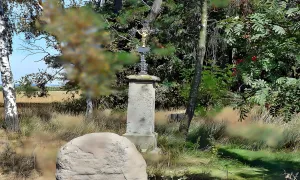
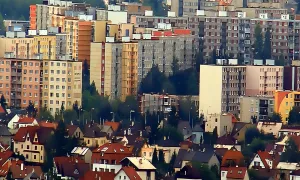
Real photos taken near the monument


Zdroj a licence jsou uvedeny u každého snímku.
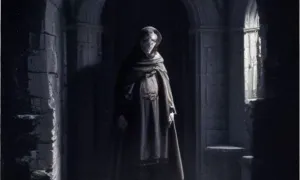
Atmosphere of the place
This atmospheric visualisation of the place and period was generated by artificial intelligence. It is not real footage of the location.
Tips from visitors
No tips yet. Be the first!
Log in and add your tip.
Sources and literature
Photos: Filip.vyska / CC BY-SA 3.0, rozlišení zvýšeno umělou inteligencí — Wikimedia Commons. The author and licence also appear when you hover over the image.
Faktickým podkladem tohoto textu byl článek na Wikipedii, jehož autory jsou přispěvatelé Wikipedie. Článek je dostupný pod licencí CC BY-SA 4.0.
Location on the map

Příběhy a pověsti
Legendy, pověsti a příběhy spjaté s touto památkou
Fotografie návštěvníků
Zatím žádné fotografie. Buďte první, kdo přidá fotografii z návštěvy!
Log in a přidejte svou fotografii nebo hodnoťte.
Za ověřenou návštěvu v aplikaci získáte víc bodů — poznáme podle GPS, že jste na místě.
Reviews and comments