



Lihovar Other
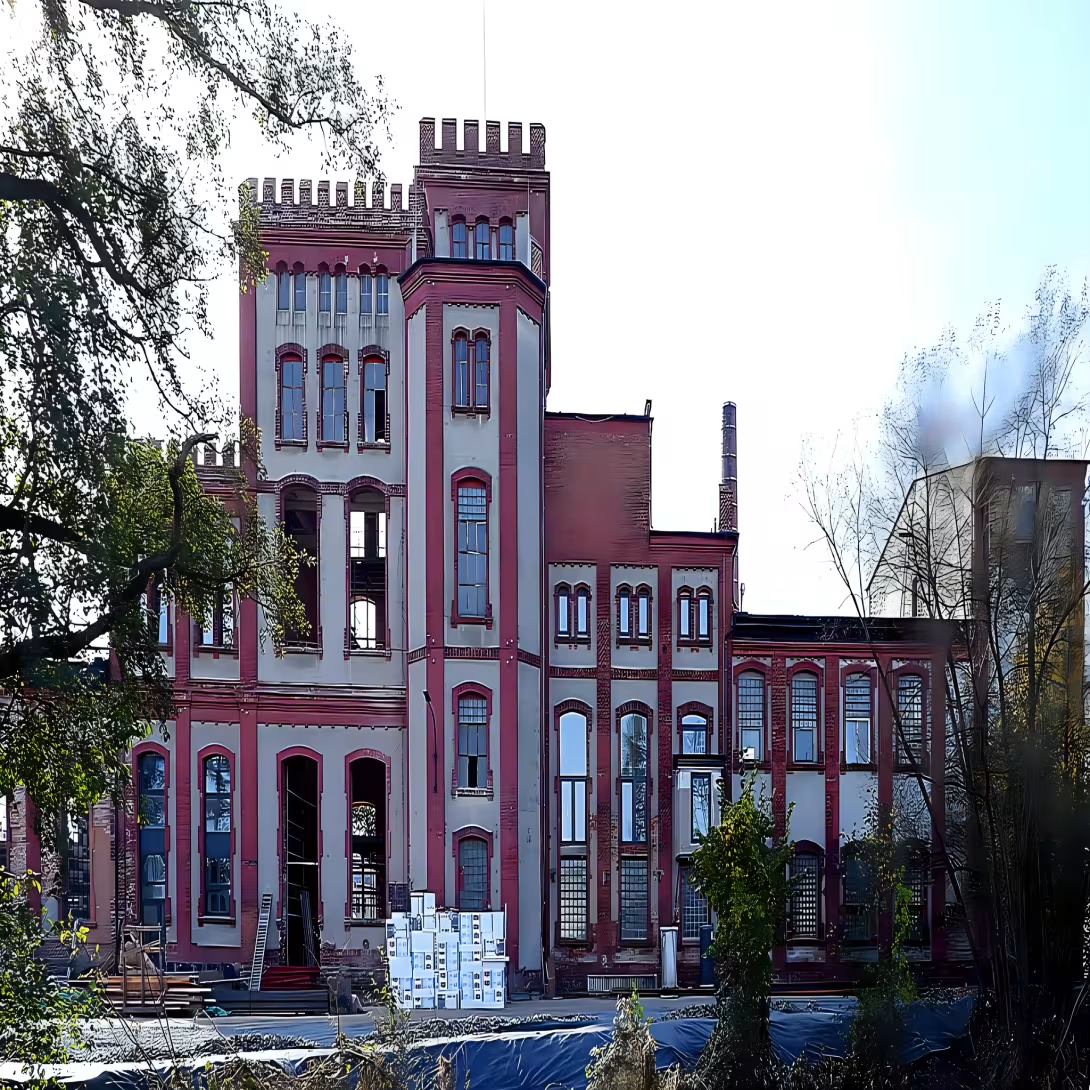
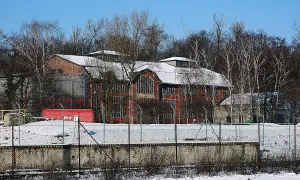
Lihovar in Dubai in the district of Ostrava-town is a set of industrial buildings and residential buildings from 1899. It was used for the production and refining of molasses alcohol. The object is remarkable by its performance in the style of romantic historism. Since 2008 it has been declared a cultural monument of the Czech Republic.
It was founded in 1899 by Vilém Grauer from Opava. The construction was probably designed by the Javan builder Julius Lundwall. The establishment of the distillery fell into the period of intense industrialization of Silesia and Moravia. At that time, in industrial architecture, history culminated, combining modern technology with romantic elements. The operation was gradually extended until 1915.
Architectural dominates the premises of the main production building with stock and offices. It is a height-grafted brick structure on a rectangular plan with a saddle roof. The facade combines plastered surfaces and rust masonry with plastic elements such as lizenas, moldings, shambrans and rising corners. The building uses the fortification elements in the form of a tower with cimburia and bastion. Thanks to them it was a significant dominant position, visible on arrival by train to Svinov station.
The area also includes a locksmith's workshop with a boiler room and chimney. The workshop is a ground floor construction in the L floor plan with a metal saddle roof and a facade made of brisolite plaster with brick details. The boiler room is a two-story rectangular object with triangular tiered shields. It is accompanied by a 44-metre-high cylindrical chimney made of unwashed bricks with a cubic base.
Part of the historical ensemble is the official house No. 172. A storey brick building with a half-wall roof shows romanticizing details in the form of brick lizens, corners and segmented end of the shampoo. The building has a shallow bay in the longitudinal and shield side and a wing on the ground floor with a roof. A residential colony for employees was also built near the distillery, including townhouses and the said official house.
In 1908 the company Lihovar Vilém Grauer and the son were merged with the company Spiritusindustria A.G. Vienna. Thanks to this the traffic became one of the most modern in the area. In addition to pure alcohol, they produced ether and amyl acetate. After World War II, the distillery was nationalized and placed in the national enterprise Seliko. In 1950 a new yeast plant was added to the premises according to the design of architect Emil Žitný.
The Lihovar activity was definitively terminated in 1990. In the years 2005- 2006, in connection with the construction of the D47 motorway, the gate was demolished and the railway train was cancelled, which originally led to the drainpipe side of the main building.
Today Lihovar in Dubai stands as an important witness to the industrial architecture of the end of the 19th century. The combination of production halls with elements of walls and towers makes it a unique technical monument. It is appropriate to visit it from the point of view of studying the historical industrial development of the Ostrava region.
Then and now
Drag the slider to compare how the landmark may have looked when it was built with the view today.
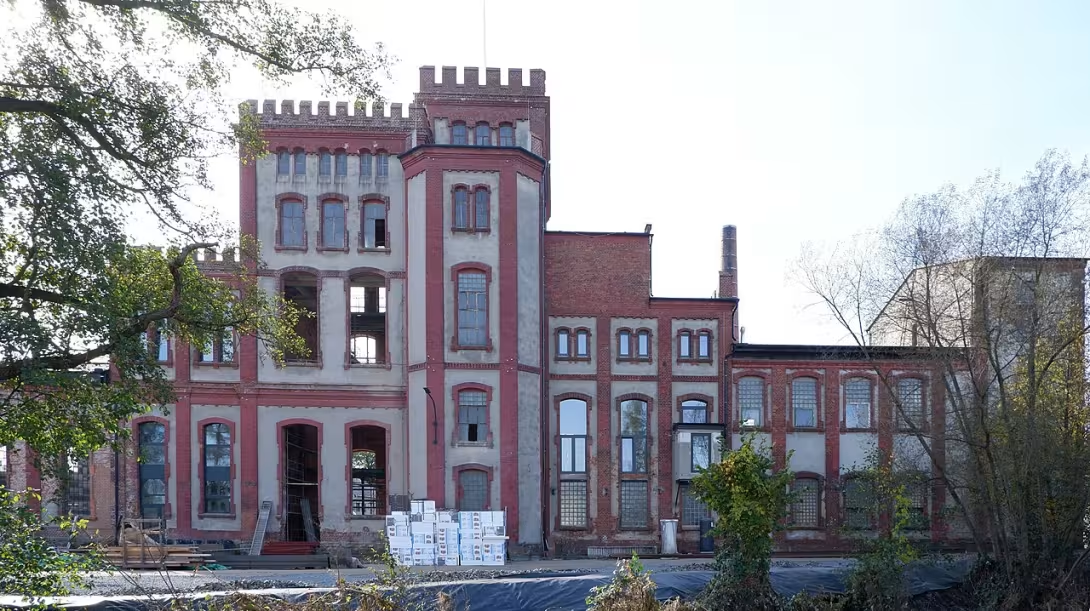
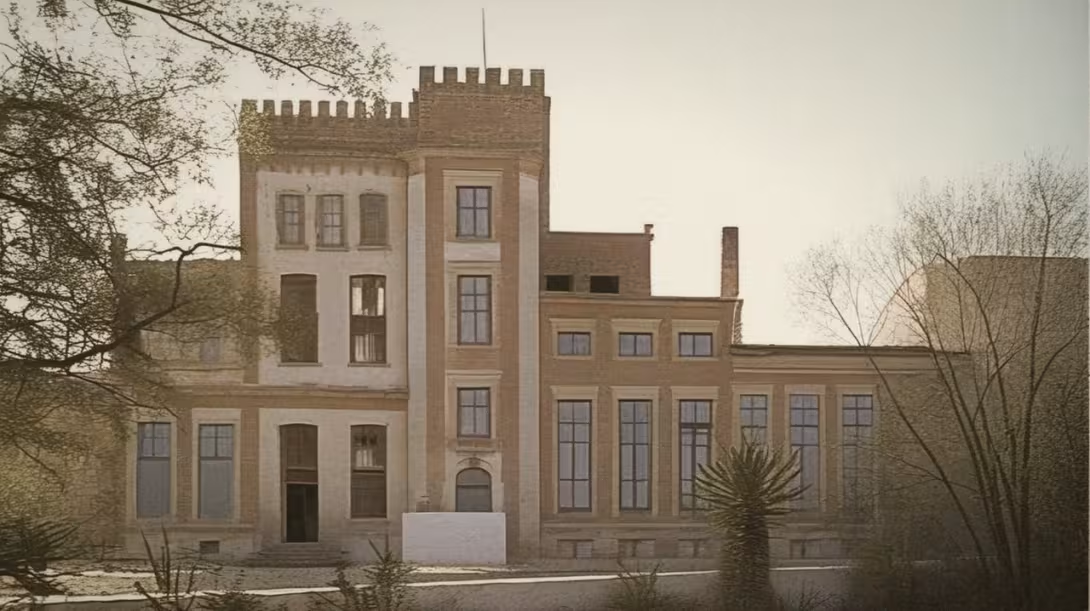
The historical appearance on the left is an AI-generated visualisation and serves as inspiration only.
Historical milestones
- 1899
- Vilém Grauer built a distillery for the production and refining of molasses alcohol.
- 1950
- Modernization of the distillery by building a yeast plant according to the project by Emil Žitný.
- 2008
- Declaration of a set of buildings cultural monument of the Czech Republic.
Architectural development
The construction was built in 1899 in the style of romantic historism and was extended until 1915. A new yeast mill was built in 1950. Architecturally dominated by a tower with battlements, bastions and a 44-metre-high cylindrical chimney made of unwashed bricks.
Historical events
1899 establishment of distillery, 1908 merger with Vienna company Spiritusindustria A.G., 1990 cessation of distillery activities
Owners
Vilém Grauer (1899), Spiritusindustria A.G. Vienna (since 1908), State / National Company Seliko (after World War II)
Points of interest
- A set of buildings from 1899 was used for the production and refining of molasses alcohol. - The main building uses elements of fortifications in the form of a tower with battlements and bastion. The area includes a cylindrical chimney made of unwashed bricks, which measures 44 meters. - Apart from pure alcohol, it produced ether and amyl acetate. - Since 2008 the building has been declared a cultural monument of the Czech Republic.
Guide
Show guide text
This text was created by artificial intelligence and has not been editorially reviewed. It may contain inaccuracies.
Welcome to Ostrea's. You are standing in front of a unique set of industrial buildings that carry echoes of ancient times when this region began to grow sharply and change its face. In front of you is the site of the former distillery, which will impress you with its size and appearance at first glance. It is a place where the functionality of industrial production meets with aesthetic care for appearance, which creates a very special and fascinating atmosphere. Feel this space as an open book that tells about ambition, technical progress and human work from the late nineteenth century.
Now, let's stop at how people got to this place and why they were created here. It's the year of eight hundred and ninety-nine. At this time Vilém Grauer built a distillery whose main purpose was the production and refining of molasses alcohol. Melase, which is a thick syrup produced from sugar processing, served as a basic raw material. At the time it was a very modern company, which was one of the best in the field with technology and organization. Vilém Grauer was not only an entrepreneur, but a person with a vision who knew that an industrial object might not just be a grey place of work, but may also have its dignity.
Now pay attention to the architecture itself before you. Note that the buildings are performed in the spirit of romantic historicism. This means that architecture deliberately builds on older styles to give buildings a certain character and meaning. Please take a look at the main production facility. It's a fascinating view because the building doesn't just use industrial shapes. Notice the elements that resemble ancient fortifications. You see the tower with the battlements and the bastion. It is very unusual for elements of the castle or fortress to appear on the distillery. It acts as if the production of alcohol should be protected as if it were in a non-edible citadel.
In addition to the main building there are other important parts. Take a look at the surrounding warehouses and offices that complement the entire complex. Note also the official house where the entire operation was probably managed and where the people responsible for running the business lived. The whole set of buildings is a harmonious whole, which today shows us how large plants have been built in the past.
Now I beg you to point your eyes above. Notice the high cylindrical chimney. It is built from unwashed bricks and its height is 44 meters. This chimney was the heart of the boiler room and is now one of the most distinctive visual symbols of the entire complex. Imagine the smoke rising from it, which was a sign of prosperity and constant movement at that time.
Speaking of people who have left a trail, we must mention the founder of Grauer and the architect. The first was Julius Lundwall, which gave the buildings their original form. Later, in a thousand and nine hundred and fifty, the Emil Žitný came. He took care of the modernization of the distillery and proposed the construction of a yeast plant. It is thanks to its project that the company has adapted to the new times and technological demands of the mid-twentieth century. It is interesting to see how production needs have changed over the decades and how it has been reflected in the construction of new parts of the complex.
Now, let's do something that might surprise you. Most of us can only imagine making alcohol under the word distillery. However, this place was much more complex. In addition to pure alcohol, other chemicals were produced, namely ether and amyl acetate. This shows that this was not just about simple distillation, but about actual chemical operation, which used the most modern knowledge of science. Imagine the specific odour that must have surrounded the site when these substances were being processed here. It was a place full of dynamism, noisy machines and intense smells.
For many years there has been heavy industrial operation, but time has gradually changed the role of this place. In the year two thousand eight, the whole building was officially declared a cultural monument of the Czech Republic. This is an important moment, because this recognition confirmed by the state that this distillery is not just an old group of buildings, but a valuable testament to our industrial history, which is essential for future generations.
When you look at these walls today, think about how many thousands of people have worked here in decades. How much sweat has been taught here, how much trade and technology have been discussed. This area in Dubai is a silent witness to the changes of the entire Ostrava region, from the flourishing industry to the state management period to today's conservation status.
I suggest you now quietly wrap the entire area and from different angles observe the game of light and shadows on brick surfaces. Take a look at the details in the brick rock and look again at the unusual tower with the battlements, which makes this place such a unique monument. Try to imagine what this space looked like in a thousand eight hundred ninety-ninth, when everything was new and modern.
Thank you for walking together through the history of this fascinating place. I hope you enjoyed the view of this architectural jewel in Dubai. It is now up to you whether you continue to discover other corners of the area, or say goodbye to this monument in silence. I wish you a pleasant rest of the day and many other wonderful experiences in discovering our historical treasures. Goodbye.
Tips for visitors
The best time to visit is late spring or autumn, when the surrounding green does not cover the details of the romantic historism of industrial buildings.
When walking we recommend shoes suitable for the industrial area and plenty of water. Since it is a set of old buildings, we recommend to be careful when moving around objects.
For the best photos look for soft light shortly before sunset, which will highlight the facades of the production halls and the residential house. Focus on detail on decorating buildings from the late nineteenth century.
In the vicinity, focus on a tour of the residential colony for former employees, which complements the overall picture of the distillery.
With children, focus on searching for architectural elements and observing the size of former production areas, which may be an interesting experience for children from industrial history.
Frequently asked questions
Can the monument be visited?
We have not verified whether this monument is accessible. Please ask the owner or operator, or the local municipal office.
Where is the monument?
Location: Ostrava. The map on this page shows the exact spot.
Why is the monument protected?
It is listed in the Central List of Cultural Monuments of the Czech Republic as a cultural monument (register no. 1525091914).
Businesses nearby
Do you run a restaurant, accommodation, shop, museum, rental, wellness or other visitor service near this monument? Show yourself directly to the people heading to it — this is how they will see you in the app and on the web:
Events nearby


Zdroj akcí: otevřená data měst a obcí ČR (Národní katalog otevřených dat) a kalendář akcí Národního památkového ústavu.
Nearby
Železniční nádraží Svinov, obytná kolonie pro zaměstnance lihovaru.
Accommodation nearby
Themed route
Here is the design of the thematic route:
1. Svinov Railway Station (Transport Node) - The entry point of the road, where you can easily reach the center of the area. 2. Living colony for distillery employees (architectural whole) - Walk between houses that were once built for people working in local traffic. 3. Lihovar (industrial monument) - The main objective of the visit, where you can admire the technical equipment and production history.
Seasonal recommendations
Spring season brings with it freshness and the first signs of green in the surrounding buildings. The light is soft and scattered at this time, allowing detailed observation of the textures of historical materials without sharp shadows. It is advisable to prepare your clothes in several layers because the weather can be variable. The best time for a walk is in the morning when the air is the cleanest.
During the summer days, the atmosphere is warm and the sun lights up every corner of the historical area. The days are very long, which offers a rich possibility of observing shadows throughout the day. We recommend having sun protection and plenty of water. For the best experiences, choose a late afternoon, when the heat intensity decreases and the color is more pleasant.
Autumn turns the surroundings into a landscape full of orange and brown shades that perfectly match historical architecture. Frequent fog creates a mysterious and slightly sad atmosphere around buildings. It is important to wear fixed shoes because the soil can be wet and slippery. The best is to come early in the morning when fog moves the most in space.
In winter, the place is rough and monumental, especially in cold days. The light is weak and the sky is often grey, which underlines the historical character. It is necessary to dress thoroughly in warm layers, including caps and gloves. The best place to visit is around noon, when daylight is the most intense.
Visualizations and artistic views


The visualisations are generated by artificial intelligence and serve as inspiration.
Photos from the area
Real photos taken near the monument


Zdroj a licence jsou uvedeny u každého snímku.
Tips from visitors
No tips yet. Be the first!
Log in and add your tip.
Sources and literature
Photos: Kamil Czaiński / CC BY-SA 4.0, rozlišení zvýšeno umělou inteligencí — Wikimedia Commons. The author and licence also appear when you hover over the image.
Faktickým podkladem tohoto textu byl článek na Wikipedii, jehož autory jsou přispěvatelé Wikipedie. Článek je dostupný pod licencí CC BY-SA 4.0.
Location on the map


Příběhy a pověsti
Legendy, pověsti a příběhy spjaté s touto památkou
Fotografie návštěvníků
Zatím žádné fotografie. Buďte první, kdo přidá fotografii z návštěvy!
Log in a přidejte svou fotografii nebo hodnoťte.
Za ověřenou návštěvu v aplikaci získáte víc bodů — poznáme podle GPS, že jste na místě.
Reviews and comments