






důl Jan Maria Mine
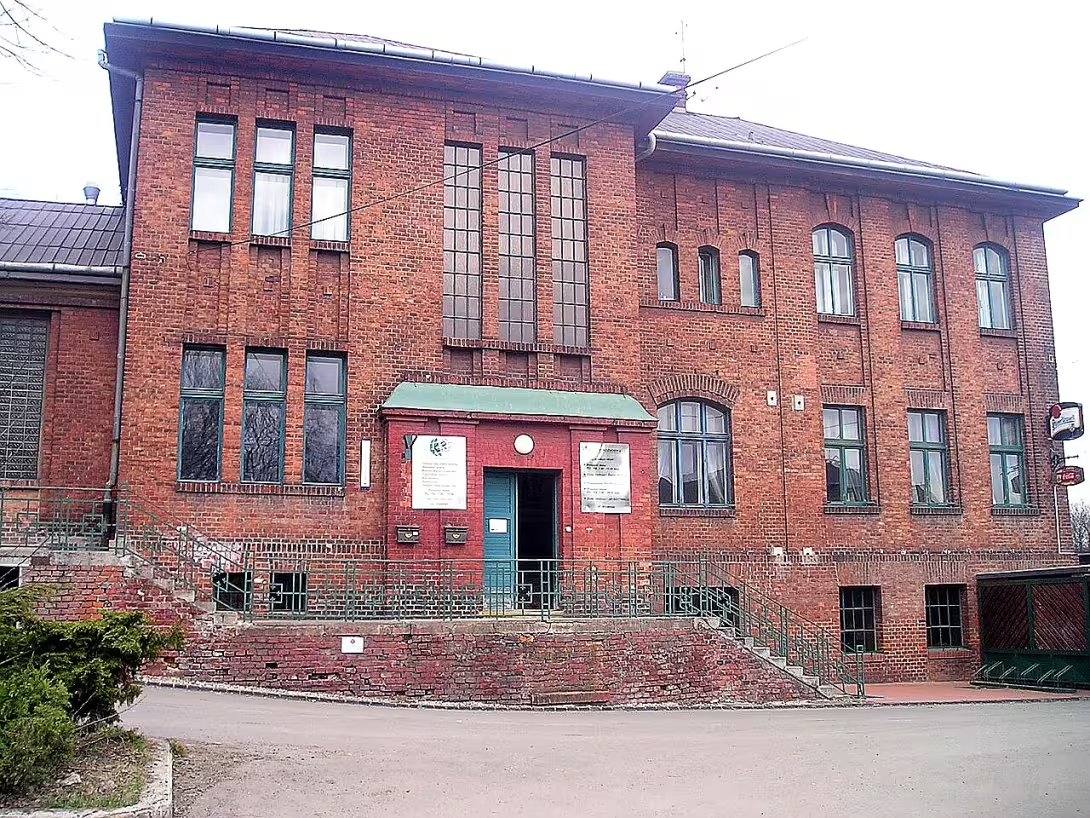
The Jan Maria coal mine is a significant industrial site in the Ostrava region, operating from 1852 to 1963. It played a crucial role in the local economy and employed many miners during its operational years. The mine's history is marked by technological advancements, modernization efforts, and changes in ownership.
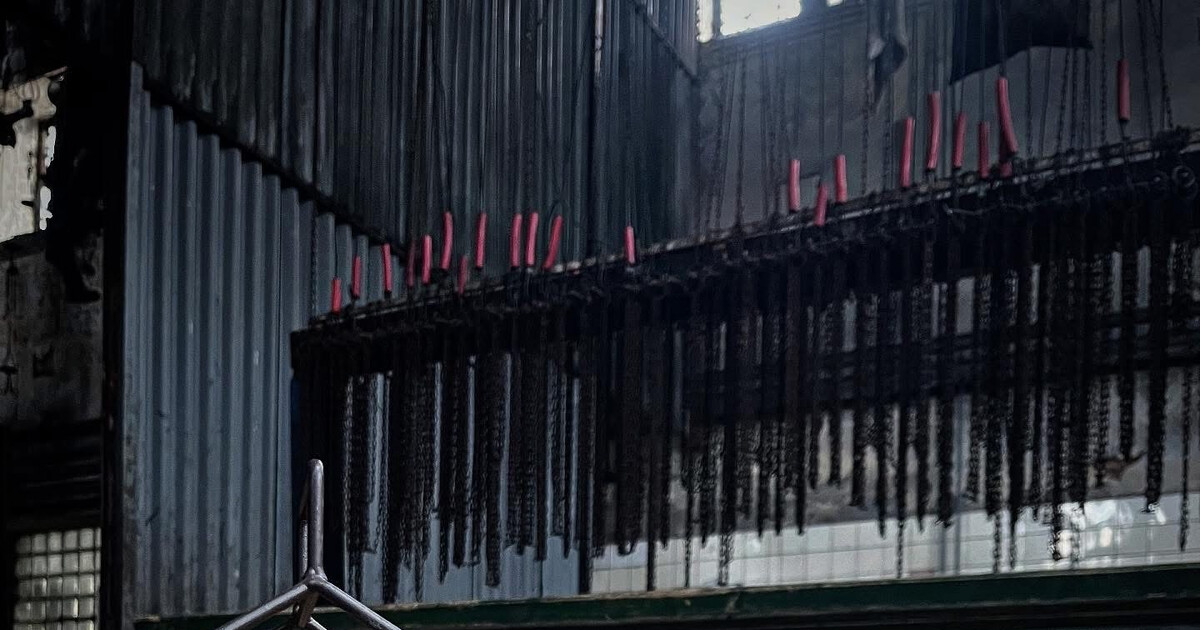
Founded by Johann Maria Wilczek in 1852, the mine initially operated as a small operation that gradually grew with improved technology. By the late 1800s, it had become a significant coal producer, with the installation of a parabolic steam engine and construction of a 32-meter-high steel mining tower in 1904.
Between 1899 and 1909, the mine underwent modernization efforts, including shaft expansion and new machinery installation. This period also saw the construction of a 50-meter-high chimney for the kotelna (boiler house). The main shaft reached a depth of 453 meters by 1928.
The mine played a significant role in the local economy and employed many miners during its operational years, but struggled with low profitability due to high extraction costs. Despite this, it remained an important part of the region's industrial development until its closure in 1963.
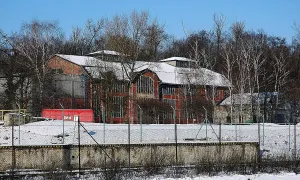
Today, the Jan Maria coal mine is a relic of Ostrava's industrial past. The site has been redeveloped into a hotel and conference center, preserving original mine buildings as a testament to the region's rich history. Visitors can explore former workings and learn about the mine's significance in regional development.
The Jan Maria coal mine is an important part of Ostrava's industrial heritage, offering a glimpse into the past and the lives of those who worked there. Its unique features, including methane gas presence, make it a fascinating site to explore.
Then and now
Drag the slider to compare how the landmark may have looked when it was built with the view today.
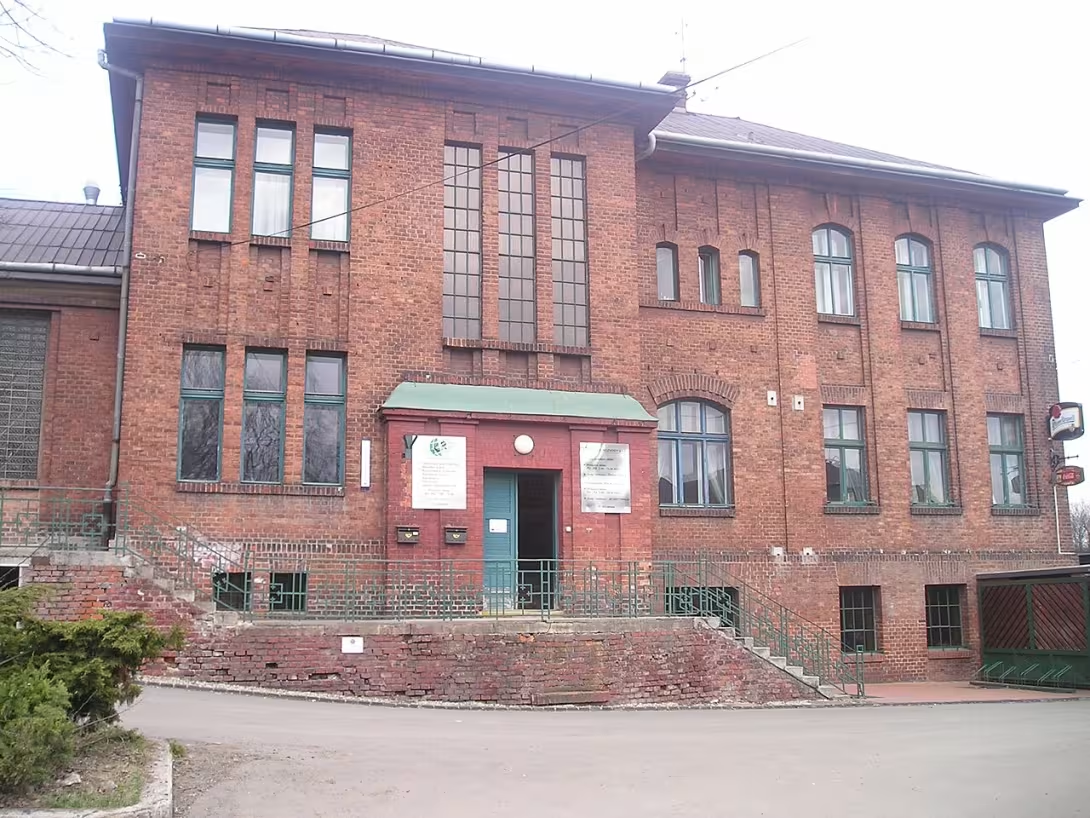
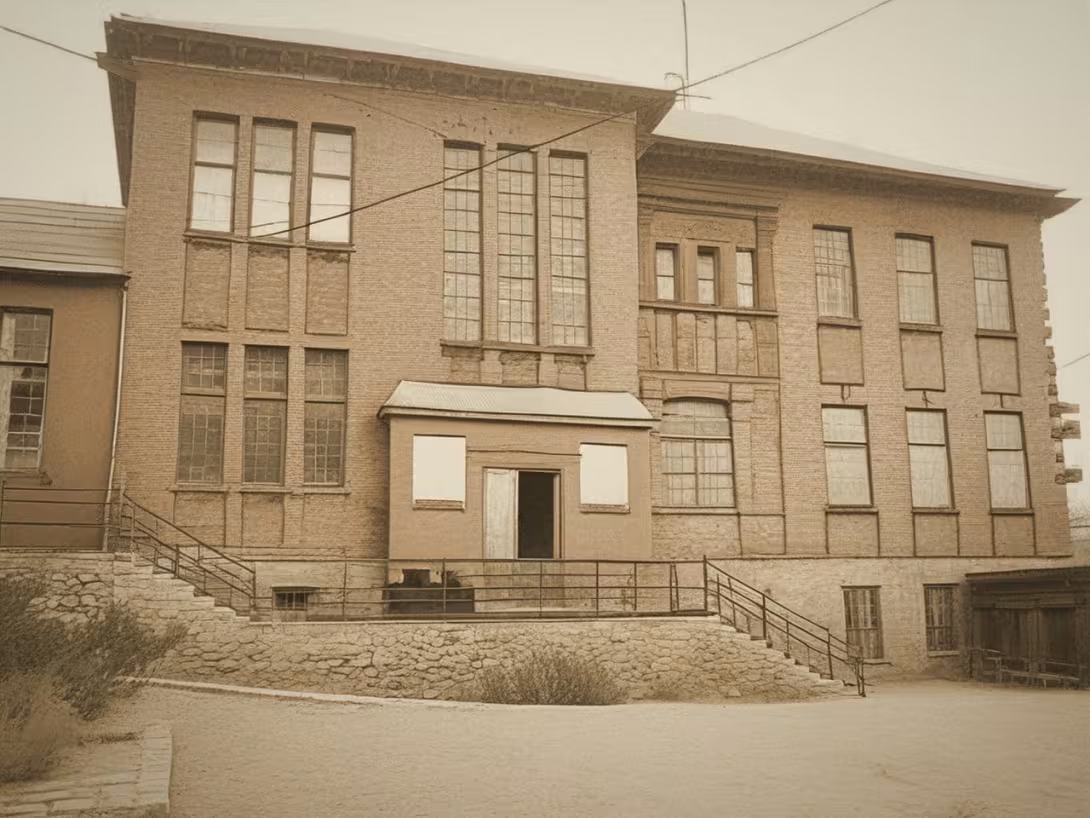
The historical appearance on the left is an AI-generated visualisation and serves as inspiration only.
Historical milestones
- 1852
- The mine was founded.
- 1875
- The third shaft was dug to a depth of 222 meters.
- 1899
- Modernization efforts began.
Architectural development
The mine's architecture evolved over time, with the installation of a parabolic steam engine and the construction of a 32-meter-high steel mining tower in 1904.
Historical events
- 1852
- The mine was founded by Johann Maria Wilczek.
- 1875
- The third and final shaft was dug to a depth of 222 meters.
- 1899
- The mine underwent significant modernization efforts.
- 1914
- Reconstruction work was interrupted by World War I.
Owners
Johann Maria Wilczek
Hans Wilczek
Points of interest
– Founded in 1852 by Johann Maria Wilczek, the Jan Maria coal mine played a crucial role in the local economy and employed many miners during its operational years.
– The mine underwent modernization efforts between 1899 and 1909, including shaft expansion and new machinery installation, which saw the construction of a 50-meter-high chimney for the boiler house.
– By 1928, the main shaft had reached a depth of 453 meters, making it an important part of Ostrava's industrial development until its closure in 1963.
Guide
Show guide text
This text was created by artificial intelligence and has not been editorially reviewed. It may contain inaccuracies.
Welcome to the Jan Maria coal mine in Ostrava! As you stand before this historic landmark, take a moment to absorb the atmosphere of what once was a thriving industrial site.
Founded in 1852 by Johann Maria Wilczek, the Jan Maria coal mine played a crucial role in the local economy and employed many miners during its operational years. The mine's history is marked by technological advancements, modernization efforts, and changes in ownership.
As you look around, notice the rugged landscape that once housed the mine's shafts and tunnels. Although the mine itself has long been closed, the remnants of its industrial past still linger. Take a moment to appreciate the sheer scale of the site, which was once home to a bustling community of miners and their families.
Johann Maria Wilczek, the founder of the Jan Maria coal mine, was a key figure in the region's economic development. His vision for the mine's modernization efforts led to significant improvements in mining technology and practices.
As you explore this historic site, keep an eye out for interesting details like the unique architecture of the old mine buildings or the remnants of the original infrastructure. You might even stumble upon some fascinating stories about the people who once worked here – the miners, engineers, and administrators who called this place home.
One intriguing aspect of the Jan Maria coal mine is its role in shaping the local economy. For over a century, the mine was a driving force behind Ostrava's growth and development. Today, it serves as a reminder of the region's industrial heritage and the people who worked tirelessly to build it.
As you stand here, take a moment to appreciate the rich history that surrounds you. The Jan Maria coal mine may no longer be in operation, but its legacy lives on in the stories and memories of those who once called this place home.
Tips for visitors
The best time to visit the Jan Maria coal mine is during spring or autumn when the weather is mild and sunny, making it ideal for photography.
Parking is available near the site, but be prepared for limited spaces. You can also use public transportation, with buses and trams stopping nearby.
Don't forget to bring comfortable shoes and clothing suitable for outdoor exploration. A camera or smartphone with a good camera is also essential for capturing the mine's unique features.
The best spots for photography are around the mine's entrance and the surrounding hills, where you can capture stunning views of the landscape. Be mindful of the light, as it changes rapidly during the day.
If you're looking to explore nearby attractions within a 30-minute radius, consider visiting the Hranečník settlement or taking a walk through the rolling hills and forests.
Businesses nearby
Do you run a restaurant, accommodation, shop, museum, rental, wellness or other visitor service near this monument? Show yourself directly to the people heading to it — this is how they will see you in the app and on the web:
Events nearby
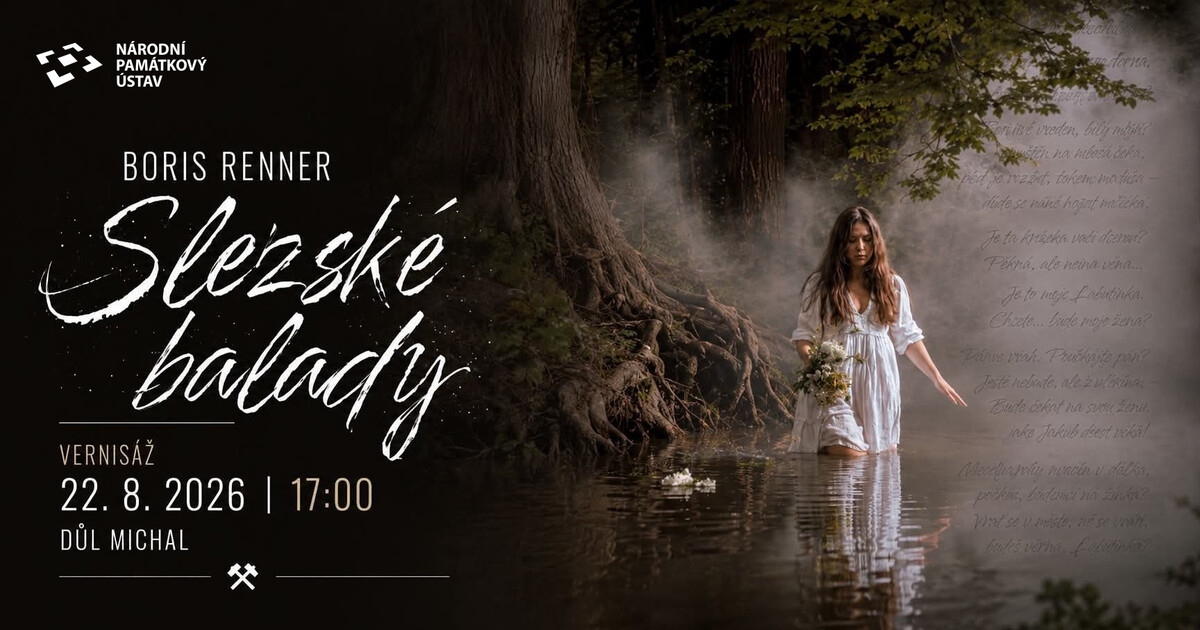
Zdroj akcí: otevřená data měst a obcí ČR (Národní katalog otevřených dat) a kalendář akcí Národního památkového ústavu.
Nearby
The mine was located near the Hranečník settlement, which grew to accommodate the mine's workers. The surrounding landscape features rolling hills and forests.
Accommodation nearby
Themed route
Tour Route
1. Jan Maria Mine (Důl Jan Maria): This former coal mine is the main attraction of our tour. Explore the remnants of this industrial heritage and learn about its history. 2. Hranečník Settlement: Visit the settlement that grew up around the mine, providing homes for the workers who toiled beneath the earth. Take in the rustic charm of this once-thriving community. 3. Rolling Hills and Forests: Escape into the surrounding landscape, characterized by rolling hills and dense forests. Enjoy a peaceful stroll through nature's beauty.
Note: The distances between stops are approximate and based on available information.
Seasonal recommendations
Spring
As you visit the Jan Maria Mine in Ostrava during spring, you'll be greeted by a gentle atmosphere and a burst of greenery. The surrounding nature awakens from its winter slumber, with blooming flowers and lush trees creating a picturesque backdrop. In terms of practical advice, it's best to avoid peak hours as tourists flock to the site. Wear comfortable shoes and clothing suitable for mild weather. Early morning or late afternoon visits are recommended to beat the crowds.
Summer
During the summer months, the Jan Maria Mine takes on a lively atmosphere. The warm sunshine casts long shadows across the landscape, making it an ideal time for outdoor activities. As you explore the site, take in the vibrant colors of the surrounding flora and fauna. To make the most of your visit, consider arriving early to beat the crowds and heat. Wear light, breathable clothing and don't forget to bring sunscreen.
Autumn
As autumn arrives, the Jan Maria Mine transforms into a kaleidoscope of warm hues. The air is crisp and cool, carrying the scent of ripe fruits and leaves. Take in the breathtaking views as the sun casts its golden rays across the landscape. In terms of practical advice, consider visiting during the week to avoid weekend crowds. Dress warmly and wear comfortable shoes for exploring the site.
Winter
During the winter months, the Jan Maria Mine takes on a serene quality. The cold air is crisp and clean, with a dusting of snow adding a touch of magic to the atmosphere. As you explore the site, take in the quiet contemplation of the season. In terms of practical advice, consider visiting during weekdays when the crowds are smaller. Wear warm, layered clothing and bring gloves for added comfort. The mine's interior spaces may have limited hours or be closed due to weather conditions.
Visualizations and artistic views


The visualisations are generated by artificial intelligence and serve as inspiration.
Photos from the area
Real photos taken near the monument


Zdroj a licence jsou uvedeny u každého snímku.
Tips from visitors
No tips yet. Be the first!
Log in and add your tip.
Sources and literature
Fotografie: Josef Novák3 / Public domain — Wikimedia Commons. The author and licence also appear when you hover over the image.
Faktickým podkladem tohoto textu byl článek na Wikipedii, jehož autory jsou přispěvatelé Wikipedie. Článek je dostupný pod licencí CC BY-SA 4.0.
Location on the map


Příběhy a pověsti
Legendy, pověsti a příběhy spjaté s touto památkou
Fotografie návštěvníků
Zatím žádné fotografie. Buďte první, kdo přidá fotografii z návštěvy!
Přihlaste se a přidejte svou fotografii nebo hodnoťte.
Za ověřenou návštěvu v aplikaci získáte víc bodů — poznáme podle GPS, že jste na místě.
Reviews and comments