






Socha svatého Floriána (Martinov) Statue
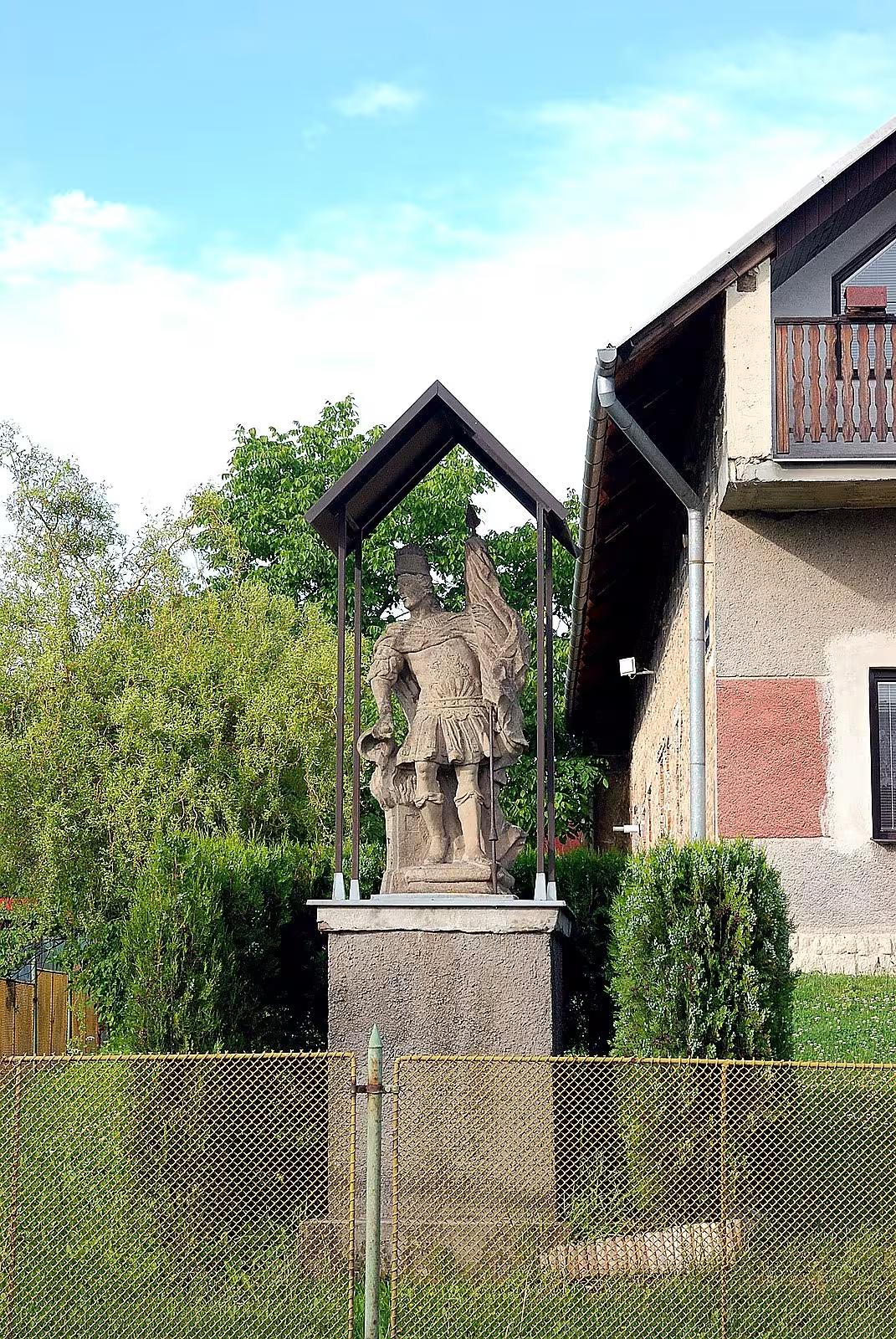
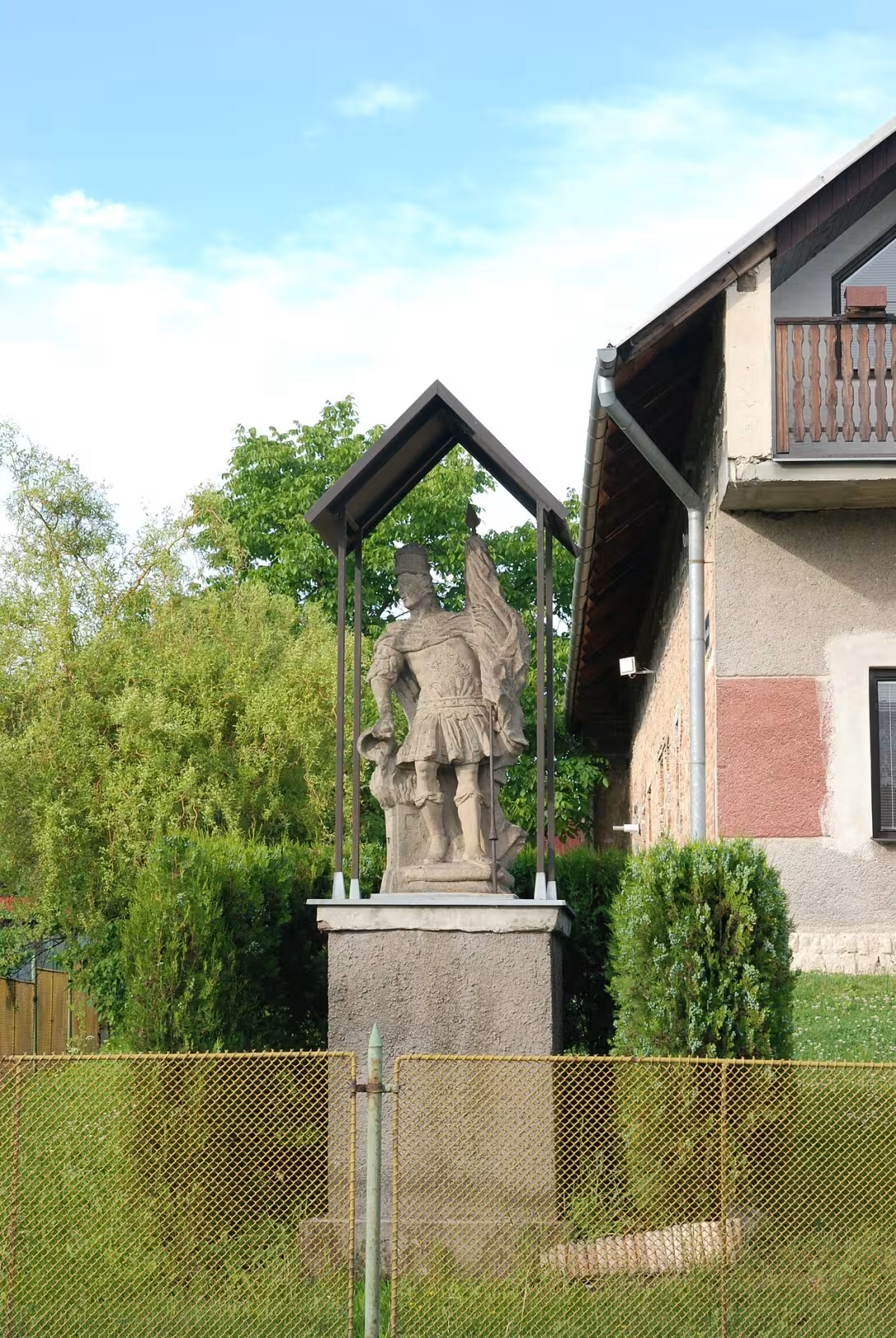
Socha svatého Floriána is a notable Czech Baroque monument situated in Martinov district, Ostrava. This sandstone sculpture, created by Antonín Weissmann in 1764, depicts Saint Florian as a Roman soldier pouring water onto a fire. The monument sits atop a block pedestal and features a traditional iconographic representation of the saint.
The origin of this monument dates back to 1764, when it was crafted by Antonín Weissmann. Although little is recorded about its earliest history, it is clear that the sculpture was created during a period of significant artistic production in religious iconography. The Baroque style continued to shape the cultural and religious landscape of Czech lands during this time.
The monument's architecture and artistic form are characterized by its use of sandstone and Baroque style. It sits atop a block pedestal, adding to its grandeur. A roof was installed specifically to protect the sandstone from weathering.
There is no recorded information about the ownership or administrative history of this monument. It has been designated as a protected heritage site since 2002.
The key events and curiosities surrounding this monument are centered around its creation in 1764 and its designation as a protected heritage site in 2002. The sculpture's traditional iconographic representation of Saint Florian is also noteworthy.
Today, the Socha svatého Floriána remains an important cultural landmark in Ostrava. Visitors can access the monument behind a fence near the intersection of Martinovská and Na Pastvisko streets. While it may not be as well-known as some other monuments in the region, its historical significance and artistic value make it a worthwhile visit for anyone interested in Czech history and culture.
In conclusion, Socha svatého Floriána is a remarkable example of Czech Baroque art that offers a glimpse into the country's rich cultural heritage. Its unique blend of history, architecture, and art makes it an essential stop for anyone exploring Ostrava.
Then and now
Drag the slider to compare how the landmark may have looked when it was built with the view today.
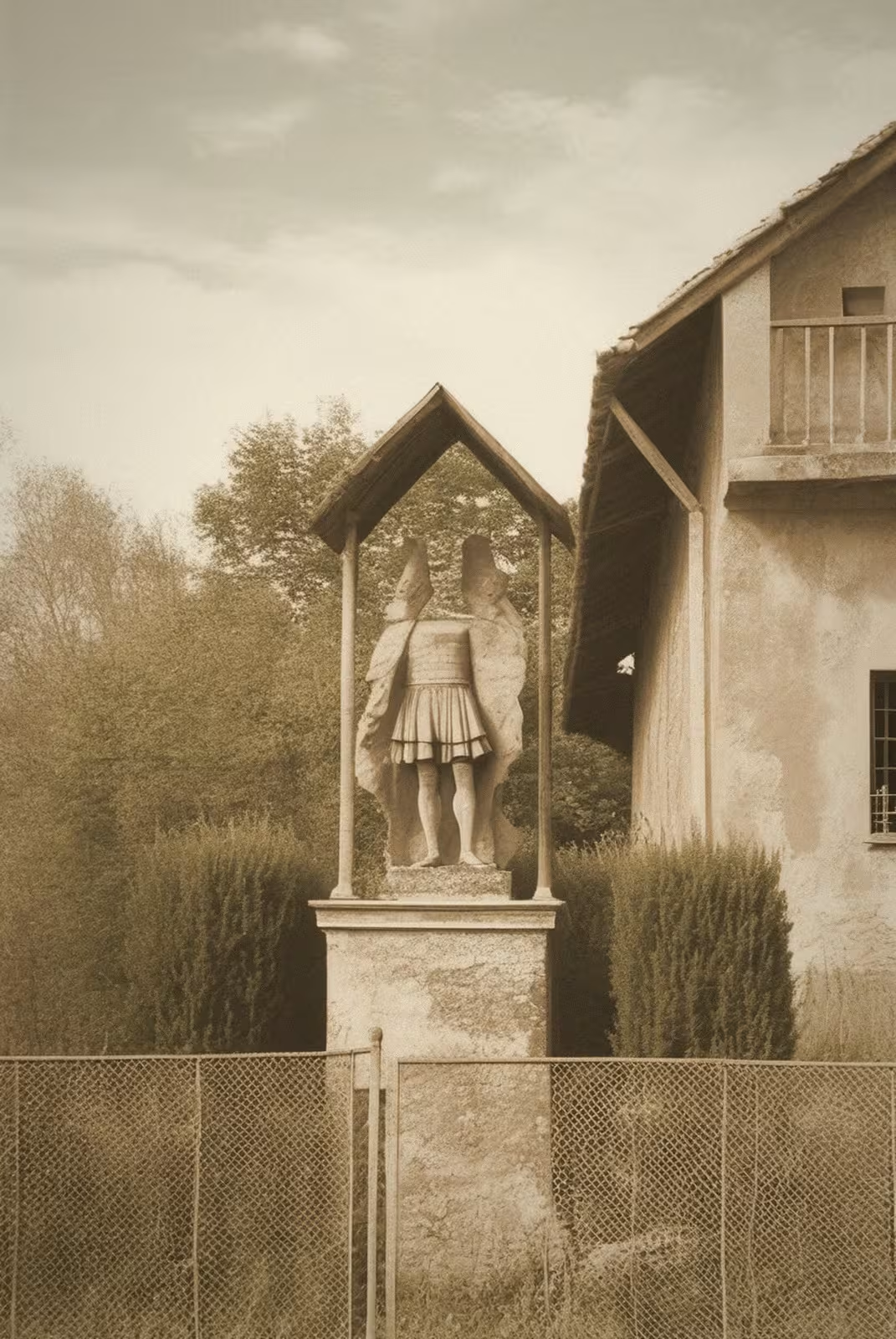
The historical appearance on the left is an AI-generated visualisation and serves as inspiration only.
Historical milestones
- 1764
- Creation of the Socha svatého Floriána by Antonín Weissmann
- 2002
- Designation as a protected heritage site
Architectural development
The sculpture is crafted from sandstone in the Baroque style. It is mounted on a block pedestal. A roof has been added to the structure to protect the stone from the elements.
Historical events
The sculpture was created in 1764, and it was designated as a protected heritage monument in 2002.
Points of interest
– The sandstone sculpture was created by Antonín Weissmann in 1764. – It depicts Saint Florian as a Roman soldier pouring water onto a fire. – A roof was installed specifically to protect the sandstone from weathering. – The monument has been designated as a protected heritage site since 2002. – It is located behind a fence near the intersection of Martinovská and Na Pastvisko streets.
Guide
Show guide text
This text was created by artificial intelligence and has not been editorially reviewed. It may contain inaccuracies.
Welcome! You're standing in front of a remarkable historical monument - the Socha svatého Floriána in Ostrava's Martinov district. As you look around, take in the sight of this stunning sandstone sculpture.
This magnificent work of Czech Baroque art was created in 1764 by Antonín Weissmann. It depicts Saint Florian as a Roman soldier pouring water onto a fire, a traditional iconographic style. The statue sits atop a block pedestal, and its intricate details are truly breathtaking.
As you gaze upon the monument, notice the way the light catches the texture of the sandstone, bringing out the subtle nuances in its surface. Take a moment to appreciate the craftsmanship that went into creating this masterpiece.
Saint Florian is an important figure in Czech history, and this sculpture is a testament to his legacy. Antonín Weissmann's creation has been designated as a protected heritage site since 2002, ensuring its preservation for future generations.
As you stand here, imagine the story behind this statue. Envision the Roman soldier, Saint Florian, pouring water onto the flames, symbolizing his bravery and selflessness. It's a powerful reminder of the importance of courage and compassion in our lives.
Now, take a closer look at the details that make this sculpture so unique. Notice the way the sandstone has weathered over time, giving it a patina that adds to its charm. The roof above was installed specifically to protect the statue from the elements, ensuring its beauty will endure for years to come.
As you continue your exploration of Ostrava's rich history, remember this Socha svatého Floriána as a symbol of resilience and determination. And who knows? Perhaps the secrets hidden within these ancient stones will reveal themselves to you as you wander through the city's winding streets.
Tips for visitors
The best time to visit Socha svatého Floriána is during the spring or autumn when the weather is mild and sunny, making it ideal for outdoor photography.
Visitors can park their vehicles near the monument or use public transportation, which stops nearby. For those arriving by car, parking spaces are available along the surrounding streets.
When visiting Socha svatého Floriána, be sure to bring comfortable walking shoes and a camera to capture the stunning views of Ostrava's cityscape.
For photography enthusiasts, the best spots to capture Socha svatého Floriána include the nearby park benches or the street corners offering unique perspectives. As for lighting, the golden hour just before sunset is particularly flattering.
If you're looking to explore more of Ostrava within a 30-minute radius, consider visiting the nearby Museum of Modern Art or taking a stroll through the picturesque Petřín Hill.
Businesses nearby
Do you run a restaurant, accommodation, shop, museum, rental, wellness or other visitor service near this monument? Show yourself directly to the people heading to it — this is how they will see you in the app and on the web:
Accommodation nearby
Themed route
St. Florian's Statue Tour
Stop 1: Ostrava City Centre Type: Urban area Why visit: Explore the vibrant city centre, filled with shops, restaurants, and cafes. Get a feel for local life in Ostrava.
Stop 2: Dolní Vítkovice Type: Former industrial site turned cultural hub Why visit: Discover the unique blend of industrial heritage and modern art at this former coal mine turned cultural complex.
Stop 3: Socha svatého Floriána (Martinov) Type: Statue Why visit: The main attraction! Admire the beautiful statue of St. Florian, a symbol of Ostrava's rich history and culture.
This route takes you through the heart of Ostrava, showcasing its urban charm and industrial heritage, before culminating at the iconic Socha svatého Floriána (Martinov).
Seasonal recommendations
Spring
The Socha svatého Floriána (Martinov) in Ostrava is particularly charming during spring. The surrounding nature awakens from its winter slumber, with blooming flowers and lush greenery creating a picturesque atmosphere. As the sun shines brightly, the statue's details become more defined, making it an ideal spot for photography.
Practical tips: Arrive early to avoid crowds, and dress comfortably in layers as the weather can be unpredictable. The best time to visit is during the morning or late afternoon when the sunlight is soft and gentle.
Summer
Summer brings warm days and long hours of sunlight to Ostrava's Socha svatého Floriána (Martinov). Visitors flock to this historic landmark, making it a popular spot for family outings and picnics. The statue's intricate details are accentuated by the bright summer light, creating a striking visual effect.
Practical tips: Be prepared for larger crowds and arrive early to secure parking. Wear comfortable shoes and clothing suitable for outdoor activities. The best time to visit is during the late morning or early afternoon when the sun is high in the sky.
Autumn
As autumn sets in, Ostrava's Socha svatého Floriána (Martinov) takes on a cozy atmosphere. The leaves turn golden, creating a warm glow that complements the statue's classical beauty. Visitors can enjoy the crisp air and scenic views while taking in the historic significance of this landmark.
Practical tips: Dress warmly as the temperature cools down, and consider visiting during the week to avoid weekend crowds. The best time to visit is during the late morning or early afternoon when the sunlight is soft and golden.
Winter
During winter, Ostrava's Socha svatého Floriána (Martinov) takes on a serene quality. The snow-covered landscape creates a peaceful atmosphere, while the statue's details are highlighted by the cold light. Visitors can enjoy the tranquility of this historic landmark without the crowds that come during warmer months.
Practical tips: Dress warmly and consider visiting early in the day when the sun is low in the sky. The best time to visit is during the morning or late afternoon when the sunlight is soft and gentle, but be prepared for shorter opening hours due to the cold weather.
Visualizations and artistic views


The visualisations are generated by artificial intelligence and serve as inspiration.
Photos from the area
Real photos taken near the monument


Zdroj a licence jsou uvedeny u každého snímku.
Tips from visitors
No tips yet. Be the first!
Log in and add your tip.
Sources and literature
Fotografie: Magdon / CC BY-SA 4.0 — Wikimedia Commons. The author and licence also appear when you hover over the image.
Faktickým podkladem tohoto textu byl článek na Wikipedii, jehož autory jsou přispěvatelé Wikipedie. Článek je dostupný pod licencí CC BY-SA 4.0.
Location on the map



Příběhy a pověsti
Legendy, pověsti a příběhy spjaté s touto památkou
Fotografie návštěvníků
Zatím žádné fotografie. Buďte první, kdo přidá fotografii z návštěvy!
Přihlaste se a přidejte svou fotografii nebo hodnoťte.
Za ověřenou návštěvu v aplikaci získáte víc bodů — poznáme podle GPS, že jste na místě.
Reviews and comments