



Mariánské Hory Settlement
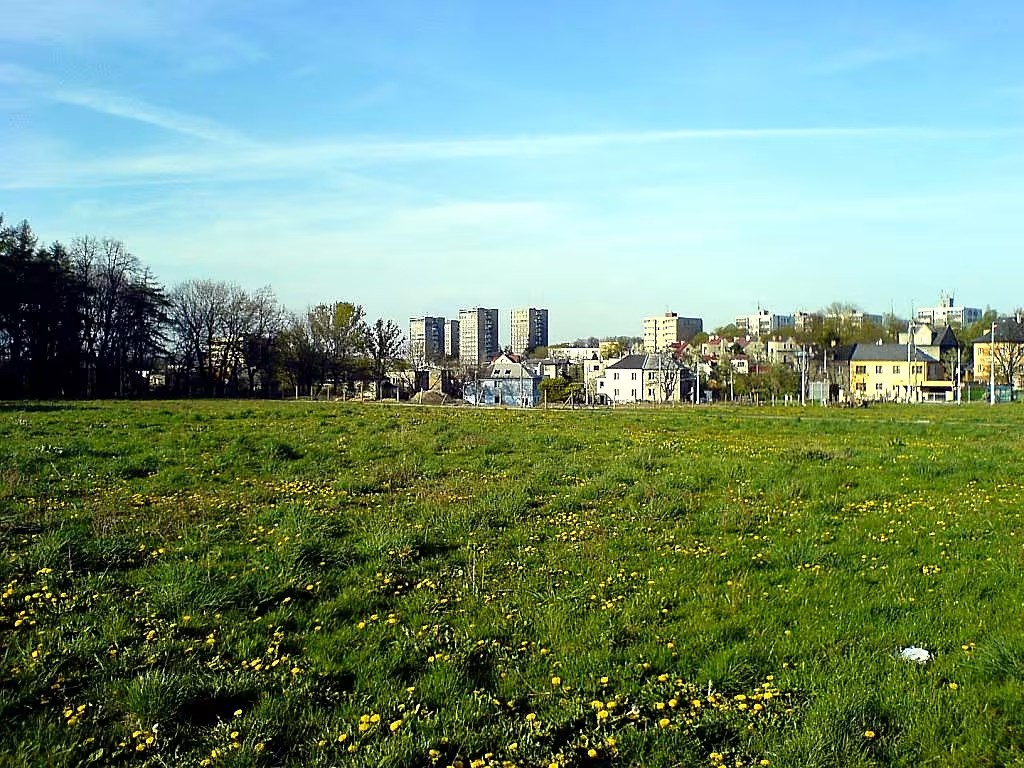
Mariánské Hory is a notable residential area within Ostrava in the Moravian-Silesian Region of the Czech Republic. Originally founded as Čertova Lhota at the end of the 13th century, it became an independent municipality by 1848 before merging with Ostrava on January 1, 1924. Historically significant for its shift from agriculture to industrial prominence in the late 19th and early 20th centuries, Mariánské Hory mirrors broader European industrialization trends.
The village's origins date back when Bohemia was part of the Holy Roman Empire, experiencing notable political and religious changes. Initially named Čertova Lhota, meaning "Devil's Clearing," it was considered pejorative. In 1901, Jan Grmela renamed it Mariánské Hory to reflect its cultural and religious significance, marking a pivotal moment in aligning the area with Marian devotion.
Throughout its early history, ownership shifted among various nobles, including Hereš z Čertovy Lhotky in 1367, Mikuláš z Brandýsa in 1396, and Jan Čapek ze Sán after 1426. By 1539, Mariánské Hory became part of Ostrava, remaining under its possession until gaining independence as a municipality in 1848. These transitions highlight the area's integration into larger political entities over time.
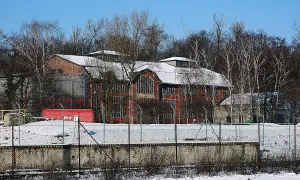
Architecturally, Mariánské Hory evolved from an agricultural village to an industrial hub by the late 19th century. This period saw significant facilities like a coke plant and spirit refinery emerge, alongside smaller enterprises. These developments were emblematic of Europe’s broader industrialization during this era.
Despite its industrial growth, Mariánské Hory maintained a stable Czech population, underscoring cultural continuity amidst economic transformation. The area's historical boundaries also extend into Silesia, reflecting its geographical and political significance in the region.
Today, Mariánské Hory is part of Ostrava’s borough system, merged with Hulváky to form Mariánské Hory a Hulváky on November 24, 1990. Visitors can explore remnants of its industrial past alongside natural landscapes, offering insights into the area's rich history and cultural heritage. Its significance as an industrial site intertwined with Czech identity makes it compelling for those interested in historical and contemporary narratives.
Mariánské Hory invites visitors to delve into its layered history, from Čertova Lhota origins to its current status within Ostrava. The area's transformation over centuries reflects broader socio-economic trends while preserving its unique cultural identity. Exploring Mariánské Hory offers a glimpse into Central Europe’s industrial evolution and the enduring spirit of its people, making it worthwhile for history enthusiasts and curious travelers alike.
Historical milestones
- end of the 13th century
- Founding of Čertova Lhota as a village.
- 1367
- Ownership by Hereš z Čertovy Lhotky.
- 1396
- Ownership by Mikuláš z Brandýsa.
- after 1426
- Ownership by Jan Čapek ze Sán.
- 1539
- Incorporation into Ostrava.
- 1848
- Becoming an independent municipality.
- 1901
- Renaming to Mariánské Hory by Jan Grmela.
- 1924
- Merging with Ostrava.
- end of the 19th century
- Transition from agriculture to industry.
- 1990-11-24
- Merging with Hulváky into Mariánské Hory a Hulvák.
Architectural development
Initially a village with agricultural roots, Mariánské Hory developed industrially in the late 19th and early 20th centuries. This included the establishment of a coke plant, a spirit refinery, and other smaller industrial facilities.
Historical events
The village was founded at the end of the 13th century as Čertova Lhota.
In 1901, the name was changed to Mariánské Hory by Jan Grmela.
Owners
The village was initially under the ownership of various nobles including Hereš z Čertovy Lhotky (1367), Mikuláš z Brandýsa (1396), Jan Čapek ze Sán (post-1426), and later became part of Ostrava in 1539. It remained a possession of the city until its independence in 1848.
Points of interest
- Originally named Čertova Lhota or "Devil's Clearing," the name was changed to Mariánské Hory in 1901 by Jan Grmela as a reflection of Marian devotion, marking a significant cultural and religious shift for the area.
- Despite its industrial growth during the late 19th century, Mariánské Hory maintained a stable Czech population, highlighting an intriguing balance between economic transformation and cultural continuity within the region.
- The village's history includes ownership by various nobles such as Hereš z Čertovy Lhotky in 1367, Mikuláš z Brandýsa in 1396, and Jan Čapek ze Sán after 1426, illustrating its integration into larger political entities over time.
- Mariánské Hory became part of Ostrava in 1539 but gained independence as a municipality by 1848 before merging back with Ostrava on January 1, 1924, showcasing a complex history of administrative changes and autonomy.
- The area's historical boundaries extend into Silesia, reflecting its geographical and political significance within the region and offering insights into the shifting territorial dynamics over centuries.
Guide
This guide is narrated by a synthetic voice generated by artificial intelligence.
Show guide text
This text was created by artificial intelligence and has not been editorially reviewed. It may contain inaccuracies.
Mariánské Hory is a former town, today a cadastral territory and part of the Ostrava city district of Mariánské Hory and Hulváky. Almost entirely it lies on the Moravian side of the historic border between Moravia and Silesia. Only its western edges extend into the Silesian Hlučínsko region.
The village emerged at the end of the thirteenth century and for centuries was called Čertova Lhota or Čertova Lhotka. The word lhota recalls lhůty, periods during which new settlers did not have to pay certain taxes, levies and dues. When these periods expired, they became ordinary subjects. The epithet Čertova distinguished this village from another Lhota beyond the Odra River, which was called Závodní.
The first written record dates from 1367 and mentions a bishop's vassal named Hereš from Čertova Lhotka. The Czech name first appears in 1380. The fief then passed through numerous owners. After the Battle of Lipan, it was acquired by the Hussite commander Jan Čapek ze Sán, lord of the Hukvaldy estate and the city of Ostrava. In 1444 he sold it to Jan Studénka from Studénka. In January 1539 the bishop of Olomouc Stanislav Turzo transferred the village to Ostrava. The people of Ostrava paid the bishops every autumn at first a catch of pike and carp, later three measures of groschen. In 1642 Swedish troops settled in Ostrava. Their stay cost the city 15,000 guilders and Čertova Lhotka had to pay 14 percent of this sum.
It remained a subject village of Ostrava until the abolition of serfdom in 1848, when it became independent. It soon began to prosper in industry. A coking plant, a spirits refinery, a foundry, an engineering works and a steam brick works were built there. The population grew rapidly, from 472 in 1880 to 7571 in 1900. Unlike neighbouring communities, Czechs consistently dominated here. In 1921 they made up over 95 percent of the population.
From January 1900 an active secretary Jan Grmela worked for the municipality. The old name was perceived as derogatory and from the seventeenth century it was called Lhotka u Moravské Ostravy instead. At Grmela's suggestion the municipal committee approved renaming it to Ostravská Lhotka. He also supported his other proposals: Czech as the only official language, streets named after important Czech personalities, and a municipal coat of arms and colours. Already on 22 August 1901 Grmela pushed through the new name Mariánské Hory. The first part refers to its dedication to the Virgin Mary, the second part among other things to the village's location on a hillock.
Frequently asked questions
Can the monument be visited?
This is a structure in a public space that can usually be seen from outside free of charge. We have not verified that this particular one is freely accessible.
Where is the monument?
Location: Ostrava, Moravskoslezský kraj. The map on this page shows the exact spot.
Businesses nearby
Do you run a restaurant, accommodation, shop, museum, rental, wellness or other visitor service near this monument? Show yourself directly to the people heading to it — this is how they will see you in the app and on the web:
Events nearby
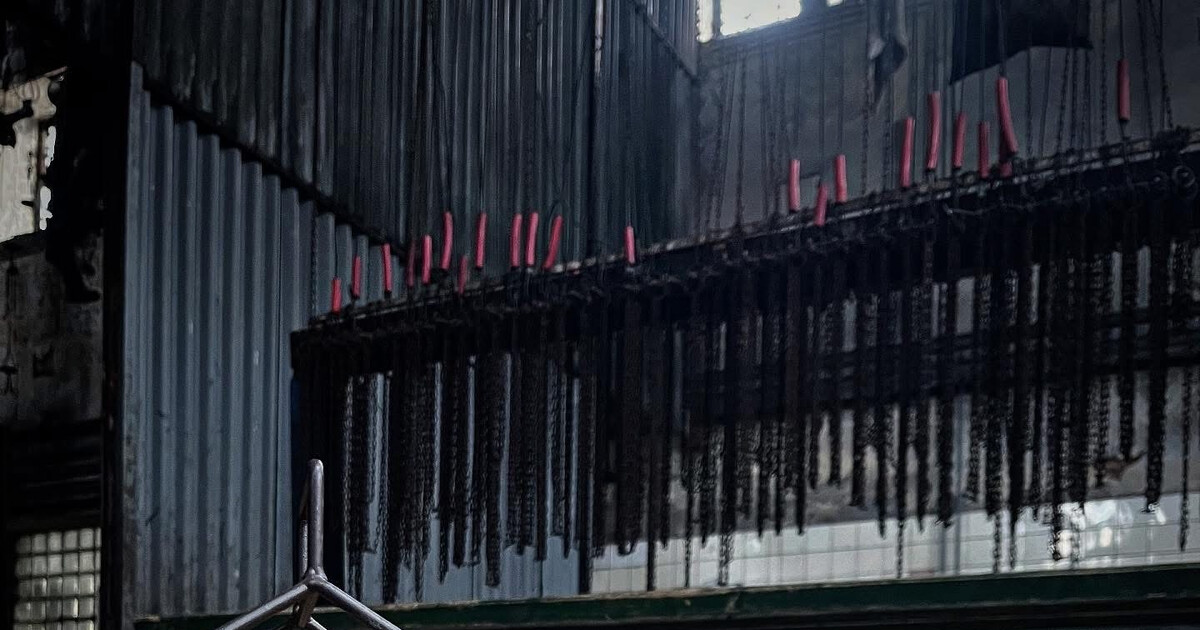
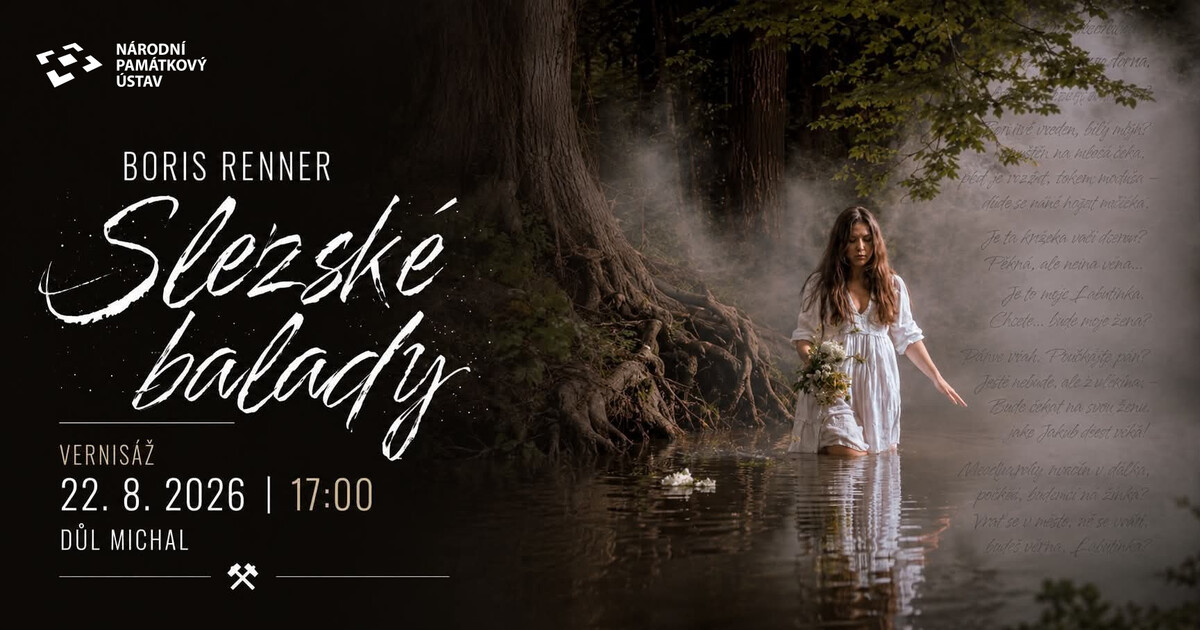
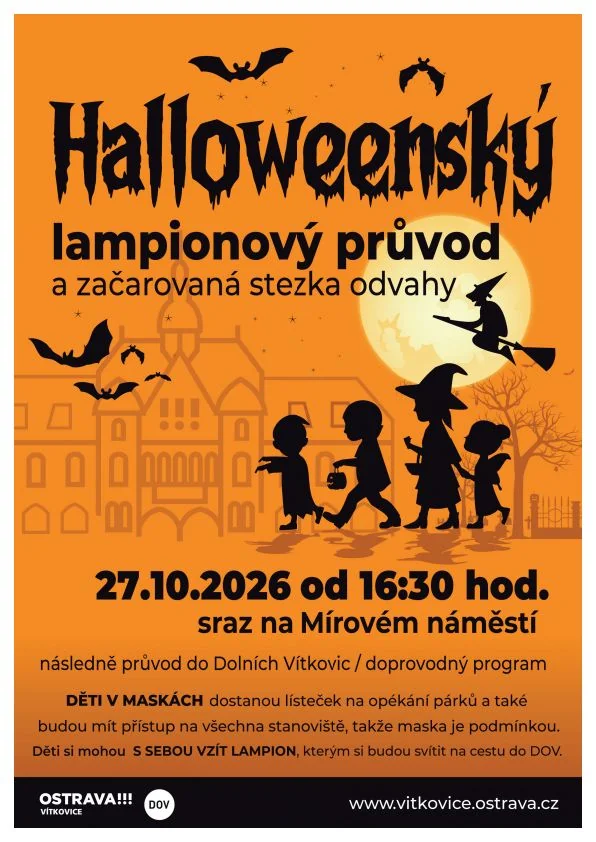
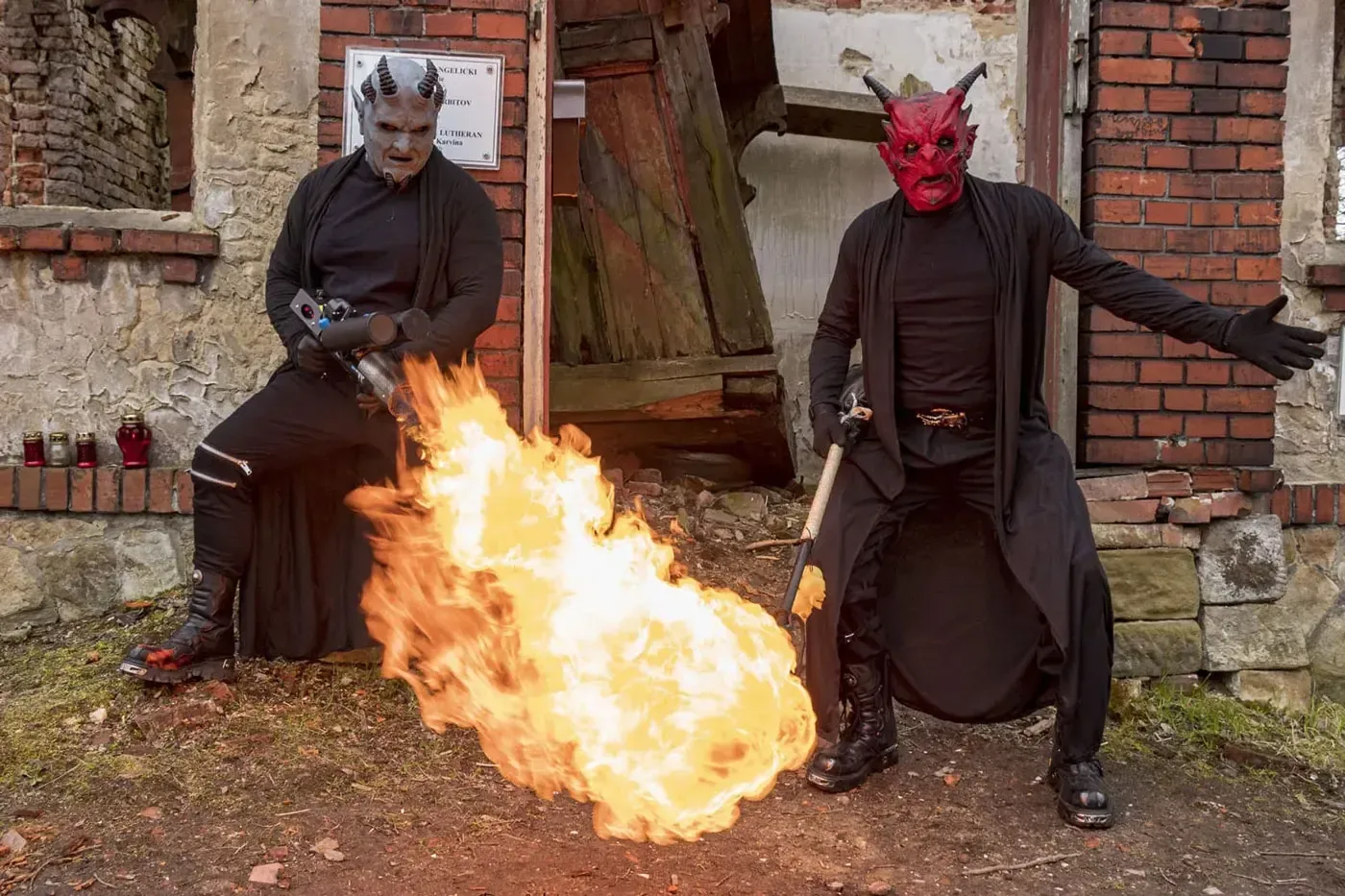
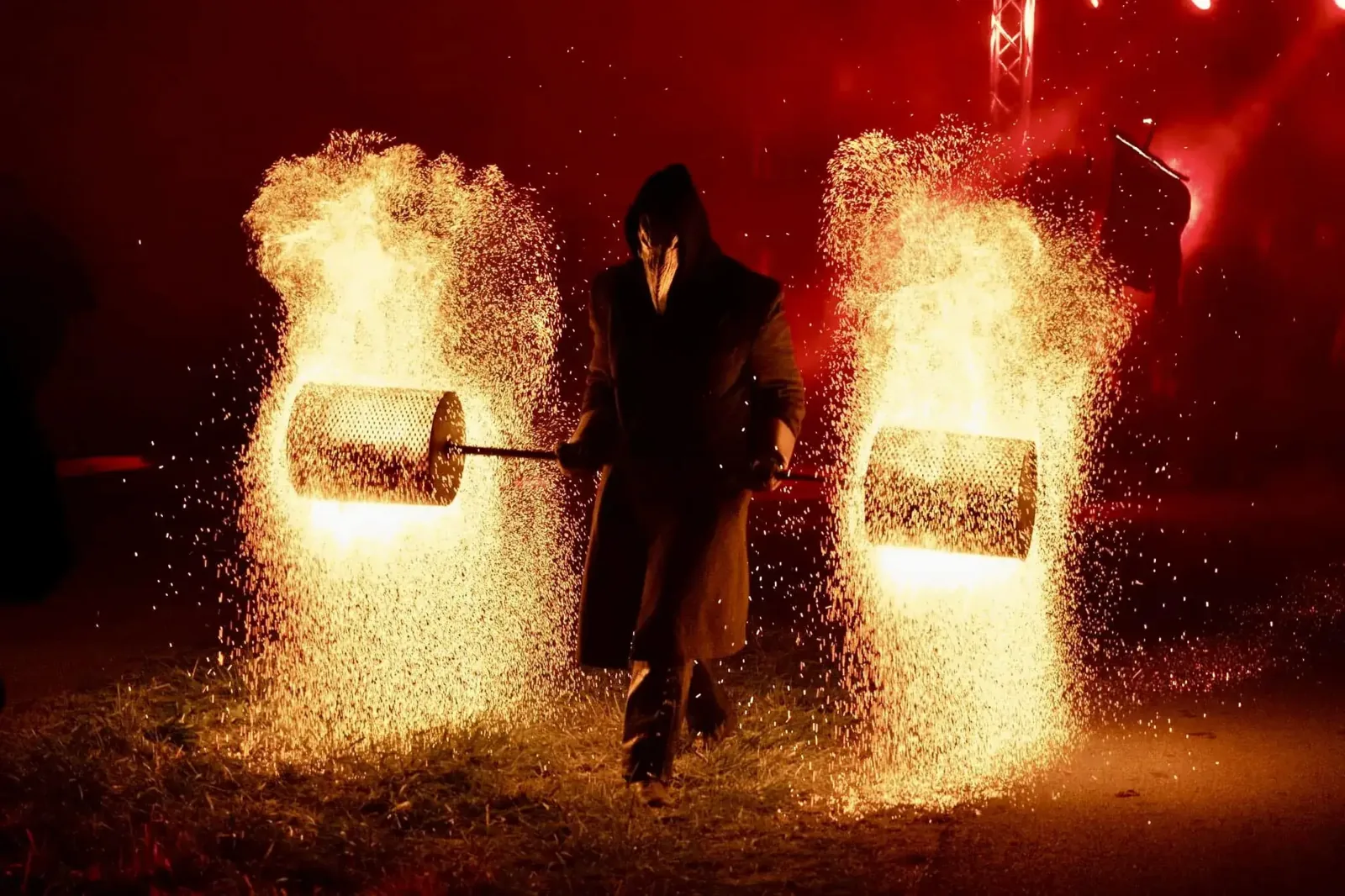
Zdroj akcí: otevřená data měst a obcí ČR (Národní katalog otevřených dat) a kalendář akcí Národního památkového ústavu.
Nearby
Mariánské Hory is located near Ostrava with historical boundaries crossing into Silesia. The area features remnants of its industrial past alongside natural landscapes.
Accommodation nearby
Themed route
Thematic Tour Plan: Mariánské Hory and Surroundings
1. Mariánské Hory Sídelní Útvar - Type: Historical Site - Why Visit: This site offers a glimpse into the region's industrial past, showcasing architectural elements that reflect its historical significance. Visitors can explore the unique blend of cultural and industrial heritage that defines this area.
2. Historical Industrial Ruins in Ostrava - Type: Heritage Site - Why Visit: Located near Mariánské Hory, these remnants provide insight into the region's rich industrial history. The ruins serve as a testament to the area’s development and transformation over time.
3. Natural Landscapes Near Ostrava - Type: Natural Area - Why Visit: This area offers visitors an opportunity to experience the natural beauty that surrounds Mariánské Hory. It's perfect for those interested in exploring the contrast between industrial heritage and serene landscapes.
4. Ostrava Historical Boundary Markers - Type: Cultural Landmark - Why Visit: These markers highlight the historical boundaries that once crossed into Silesia, offering a fascinating look at the region’s geopolitical history. They provide context to the area's cultural evolution over centuries.
5. Local Heritage Walk in Ostrava - Type: Walking Tour - Why Visit: This walk allows visitors to immerse themselves in the local culture and history of Ostrava, providing a deeper understanding of how Mariánské Hory fits into the broader regional narrative. It's an engaging way to connect with the area’s past and present.
This thematic tour offers a comprehensive exploration of Mariánské Hory and its surrounding historical and natural attractions within Ostrava, ensuring a rich cultural experience.
Seasonal recommendations
Spring: Visiting Mariánské Hory during spring offers a unique blend of blooming nature and gentle warmth, creating an enchanting atmosphere around the historical site. The landscape is adorned with vibrant flowers and fresh greenery, making it ideal for photography enthusiasts and those who appreciate natural beauty. As daylight extends, visitors can enjoy longer hours exploring the area without feeling rushed. However, spring weather can be unpredictable, so wearing layers is advisable to adapt to changing conditions throughout the day.
Summer: Summer at Mariánské Hory is characterized by its lush greenery and extended daylight, providing ample time for exploration under clear skies. This period often sees an influx of visitors drawn by the pleasant weather, making it a lively season with bustling activity around the site. To avoid crowds, consider visiting early in the morning or later in the afternoon. Comfortable walking shoes and light clothing are recommended to stay cool during your visit.
Autumn: Autumn at Mariánské Hory is marked by stunning foliage as trees turn vibrant shades of red, orange, and gold, offering a picturesque backdrop for visitors. The cooler temperatures make it an ideal time for leisurely walks through the site without the summer heat. As days begin to shorten, planning your visit in the morning can ensure you experience the full beauty of the autumnal landscape before dusk.
Winter: Winter transforms Mariánské Hory into a serene and mystical setting with snow-covered landscapes that add a touch of magic to the historical site. The shorter daylight hours mean visiting earlier is essential to make the most of your time, while also enjoying the peaceful atmosphere away from summer crowds. Dress warmly in layers, including hats and gloves, to stay comfortable during your visit, as temperatures can be quite chilly.
Visualizations and artistic views


The visualisations are generated by artificial intelligence and serve as inspiration.
Photos from the area
Real photos taken near the monument


Zdroj a licence jsou uvedeny u každého snímku.
Tips from visitors
No tips yet. Be the first!
Log in and add your tip.
Sources and literature
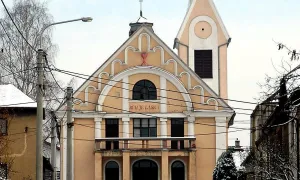
Photos: Lukáš Mižoch / CC BY-SA 2.5 — Wikimedia Commons. The author and licence also appear when you hover over the image.
Faktickým podkladem tohoto textu byl článek na Wikipedii, jehož autory jsou přispěvatelé Wikipedie. Článek je dostupný pod licencí CC BY-SA 4.0.
Location on the map


Příběhy a pověsti
Legendy, pověsti a příběhy spjaté s touto památkou
Fotografie návštěvníků
Zatím žádné fotografie. Buďte první, kdo přidá fotografii z návštěvy!
Log in a přidejte svou fotografii nebo hodnoťte.
Za ověřenou návštěvu v aplikaci získáte víc bodů — poznáme podle GPS, že jste na místě.
Reviews and comments