






Palác Thurn-Taxisů Palace
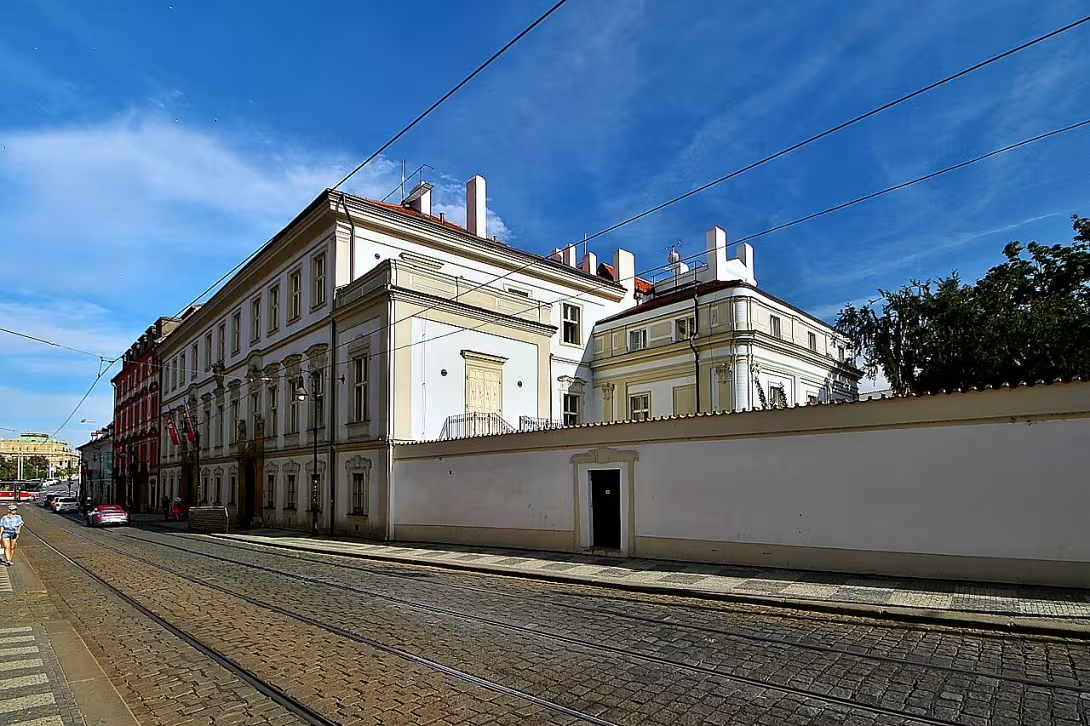
Palác Thurn-Taxisů, also known as Vrtbovský palác, stands majestically on Malá Strana in Prague 1 at Letenská 120/5 and 7. This neoclassical palace was originally constructed from two early Baroque houses in the late 17th century and significantly expanded around 1726. Designated a cultural monument since 1964, it now serves as the home of the Anglo-American University while retaining much of its architectural grandeur.
The origins trace back to the late 17th century when Vilém Antonín hrabě Daun acquired two early Baroque houses in 1695 and 1696. After his death, these properties were purchased by the Lichtenštejnové family before being sold to František Václav z Vrtby. Around 1726, under František Václav's ownership, the palace underwent significant expansion and redesign, possibly influenced by architects such as František Maxmilián Kaňka or Giovanni Battista Alliprandi. This period marked a transformation from its Baroque roots to a more expansive architectural form.
Architecturally, Palác Thurn-Taxisů is characterized by its neoclassical style, further refined in 1871 under Jan Bělský for Hugo Maxmilián Thurn-Taxis. The palace features four wings surrounding a square courtyard, with the main northern wing facing Letenská ulice and adorned with two-story facades and intricate reliefs. Baroque elements such as staircases and decorative details have been preserved alongside neoclassical renovations, creating a harmonious blend of styles.
Ownership has seen several notable figures over its history. After František Václav z Vrtby's enhancements, Maxmilián Josef Thurn-Taxis acquired it in 1814. Hugo Maxmilián Thurn-Taxis later commissioned the neoclassical redesign by Jan Bělský. During the First Republic, the palace was sold to the state and served various administrative purposes during occupation periods. In recent history, it housed offices of the Senate of Parliament of the Czech Republic before being redeveloped in 2014 for educational use.
Throughout its history, Palác Thurn-Taxisů has witnessed several key events. During World War II, it functioned as a financial administration building and later as part of the Ministry of Finance. The palace endured damage during the floods of 2002 but was restored through comprehensive reconstruction efforts in 2014 by Prague 1 municipality. Today, it accommodates a kindergarten and is primarily leased to Anglo-American University.
Currently, Palác Thurn-Taxisů stands as a testament to its rich historical tapestry and architectural evolution. Visitors can appreciate its intricate façade, Baroque staircases, and neoclassical elements that reflect the cultural shifts of its time. The palace's proximity to Letenské sady and Vojanovy sady adds to its allure, making it a worthwhile destination for those interested in Prague’s architectural heritage.
Palác Thurn-Taxisů is not just an architectural marvel but also a living piece of history that continues to serve educational purposes while preserving its historical essence. Its blend of styles and storied past make it a compelling site for visitors seeking to explore the depths of Prague's cultural landscape.
Then and now
Drag the slider to compare how the landmark may have looked when it was built with the view today.
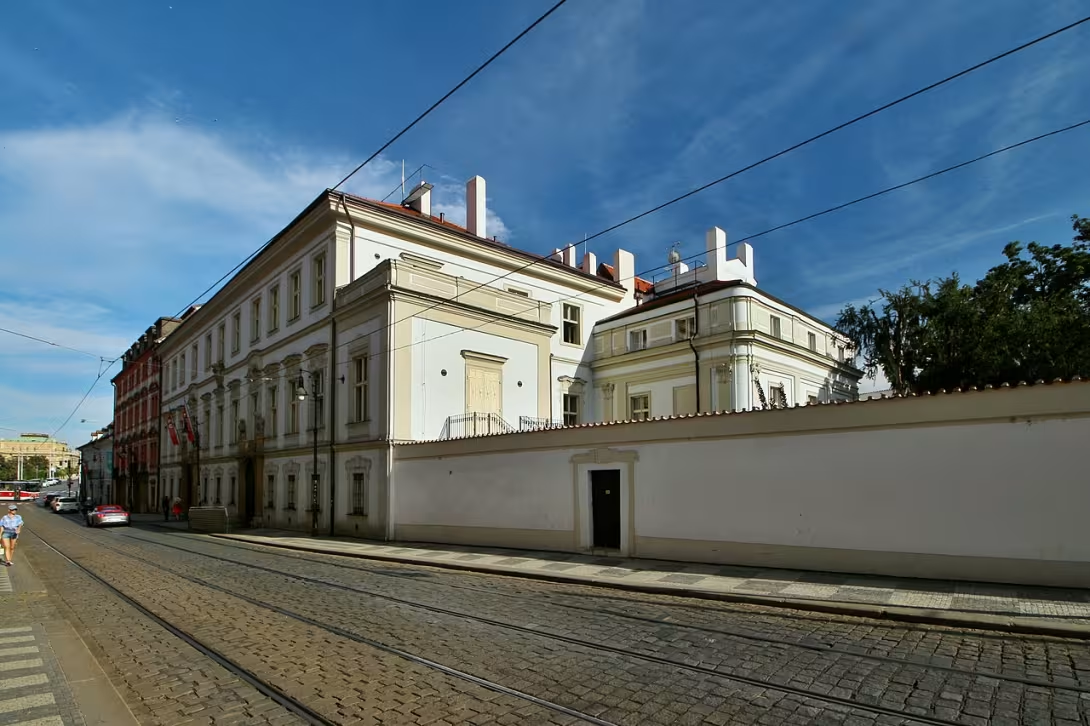

The historical appearance on the left is an AI-generated visualisation and serves as inspiration only.
Historical milestones
- 1695
- Vilém Antonín hrabě Daun acquired two early Baroque houses.
- 1696
- Daun acquired another early Baroque house, completing his initial acquisitions.
- 1726
- Significant expansion and redesign of the palace under František Václav z Vrtby.
- 1814
- Maxmilián Josef Thurn-Taxis acquired the palace.
- 1871
- Neoclassical redesign of the palace by Jan Bělský for Hugo Maxmilián Thurn-Taxis.
Architectural development
The palace began as two early Baroque houses, which were expanded and redesigned into a neoclassical structure around 1726. Later, in 1871, it underwent significant neoclassical renovations under Jan Bělský's plans. The building retains several baroque elements such as staircases and decorative details.
Historical events
Reconstruction and expansion around 1726 under František Václav z Vrtby.
Neoclassical redesign in 1871 by Jan Bělský for Hugo Maxmilián Thurn-Taxis.
Owners
Vilém Antonín hrabě Daun (1695-1706)
Lichtenštejnové
František Václav z Vrtby (post-1696)
Maxmilián Josef Thurn-Taxis (1814)
Hugo Maxmilián Thurn-Taxis (1871)
Points of interest
- The palace's transformation from Baroque to neoclassical style around 1726 might have been influenced by architects like František Maxmilián Kaňka or Giovanni Battista Alliprandi, showcasing a unique blend of architectural styles that reflect the cultural shifts of its time.
- In 1814, the palace was acquired by Maxmilián Josef Thurn-Taxis, marking the beginning of an era where it would become associated with one of Europe's most renowned noble families, known for their postal services and influence across the continent.
- During World War II, Palác Thurn-Taxisů served as a financial administration building, playing a crucial role in the economic management during a tumultuous period in history, highlighting its strategic importance beyond just an architectural landmark.
- The palace withstood damage during the 2002 floods but was meticulously restored through comprehensive reconstruction efforts by Prague 1 municipality in 2014, demonstrating resilience and the commitment to preserving cultural heritage amidst natural disasters.
- Currently housing Anglo-American University, Palác Thurn-Taxisů serves as a living piece of history that continues to educate while preserving its rich architectural legacy, blending its historical significance with modern educational purposes.
Guide
This guide is narrated by a synthetic voice generated by artificial intelligence.
Show guide text
This text was created by artificial intelligence and has not been editorially reviewed. It may contain inaccuracies.
Welcome to the historic Palác Thurn-Taxisů, also known as Vrtbovský palác, nestled in the heart of Prague's Malá Strana district. As you stand before this magnificent structure, take a moment to soak in its grandeur and rich history that has unfolded over centuries.
The story of this palace begins in the late 17th century when Vilém Antonín hrabě Daun acquired two early Baroque houses. By 1696, he had completed his initial acquisitions with another house, setting the stage for what would become a significant architectural transformation. In 1726, František Václav z Vrtby undertook an ambitious expansion and redesign of these structures, marking a pivotal moment in the palace's history where it began to take on its grand neoclassical form.
As you gaze upon the complex façade, notice the intricate reliefs that adorn it. These elements are complemented by Baroque staircases, showcasing a unique blend of styles that reflect the cultural shifts of its time. The transformation from Baroque to neoclassical style around 1726 might have been influenced by architects like František Maxmilián Kaňka or Giovanni Battista Alliprandi, whose visionary designs contributed significantly to the palace's architectural evolution.
Throughout its history, Palác Thurn-Taxisů has been home to several key figures and families. In 1814, it was acquired by Maxmilián Josef Thurn-Taxis, marking a new chapter in its storied past. Later, in 1871, Hugo Maxmilián Thurn-Taxis commissioned Jan Bělský for a neoclassical redesign of the palace, further cementing its architectural significance.
As you explore this historic site, let your imagination wander to the lives and stories that have unfolded within these walls. The palace has witnessed countless events, from grand balls to quiet moments of contemplation by those who called it home.
Before you move on, take a moment to appreciate the seamless blend of architectural styles that define Palác Thurn-Taxisů. It stands as a testament to the artistic and cultural movements that have shaped Prague over the centuries.
We invite you to continue your journey through this historic palace, discovering more about its past and the remarkable individuals who have been part of its legacy. Thank you for joining us on this exploration of Palác Thurn-Taxisů, where history comes alive with every step.
Tips for visitors
The best time to visit Palác Thurn-Taxisů is during the late spring or early fall when the weather is pleasant, allowing you to comfortably explore both the palace's interiors and its surrounding gardens. During these seasons, the nearby Letenské sady offers a beautiful setting with vibrant greenery and blooming flowers, enhancing your experience of the area’s historic charm.
For transportation, Palác Thurn-Taxisů is conveniently accessible by public transport, including trams and buses that serve Malá Strana. Public transport can provide a more stress-free experience, allowing you to navigate the city with ease.
When planning your visit, consider bringing comfortable walking shoes as you'll likely explore both the palace and surrounding areas like Letenské sady and Vojanovy sady. A camera is recommended for capturing the neoclassical architecture of the palace and the picturesque landscapes of the nearby gardens. Don’t forget to bring a light jacket or sweater, especially if visiting in the cooler months.
For photography enthusiasts, some of the best spots include the front facade of Palác Thurn-Taxisů, which is beautifully lit during the golden hours of early morning or late afternoon. The surrounding green spaces offer excellent opportunities for capturing serene landscapes and architectural details against natural backdrops.
Nearby attractions within a 30-minute walk include Letenské sady, offering expansive gardens perfect for leisurely strolls, and Vojanovy sady, which provide additional scenic views of Prague. These areas are ideal for relaxing after exploring the palace or as part of an extended cultural tour.
For families with children, Palác Thurn-Taxisů offers a rich historical experience that can be both educational and entertaining. The nearby gardens in Letenské sady are perfect for kids to run around and explore nature. Consider bringing along some snacks or a picnic blanket to enjoy a family outing amidst the historic setting.
Frequently asked questions
Can the monument be visited?
Some buildings of this kind are open for guided tours, others serve another purpose or are privately owned. We have not verified whether and when this monument is open – please ask the operator.
What are the opening hours and admission?
We have not verified the opening hours or admission. Current information is published by the operator.
Where is the monument?
Location: Letenská 120/5, Malá Strana, Praha, Hlavní město Praha. The map on this page shows the exact spot.
Why is the monument protected?
It is listed in the Central List of Cultural Monuments of the Czech Republic as a cultural monument (register no. 39099/1-596).
Businesses nearby
Do you run a restaurant, accommodation, shop, museum, rental, wellness or other visitor service near this monument? Show yourself directly to the people heading to it — this is how they will see you in the app and on the web:
Events nearby

Zdroj akcí: otevřená data měst a obcí ČR (Národní katalog otevřených dat) a kalendář akcí Národního památkového ústavu.
Nearby
Located on Malá Strana in Prague, the palace is near Letenské sady and Vojanovy sady. The area features historic architecture and green spaces.
Accommodation nearby
Trips and activities nearby
Guided tours, tickets and activities nearby from GetYourGuide
Affiliate link: if you buy from the partner, we may receive a commission. The price for you does not change.
Search tours and activities →Themed route
Thematic Walking Tour: The Thurn and Taxis Palace and Its Environs
1. Palác Thurn-Taxisů (Palace) - Type: Historic Building - Why Visit: Begin your journey at the Palác Thurn-Taxisů, a stunning example of Baroque architecture located on Malá Strana in Prague. This palace was once the residence of the influential Thurn and Taxis family, known for their role in establishing Europe's postal system. Its elegant facade and rich history make it an essential stop to appreciate the cultural heritage of Prague.
2. Letenské sady (Letná Park) - Type: Public Park - Why Visit: A short walk from the palace, Letenské sady offers a serene escape with lush greenery and beautiful views over the Vltava River to Prague Castle. This park is perfect for relaxing after exploring the architectural wonders of Malá Strana. It's also home to various sculptures and monuments that reflect the city's artistic legacy.
3. Vojanovy sady (Vojanova Park) - Type: Public Garden - Why Visit: Adjacent to Letenské sady, Vojanovy sady is a charming garden area featuring well-maintained lawns and flower beds. This smaller park provides an intimate setting for enjoying nature amidst the historic backdrop of Prague. It's ideal for a leisurely stroll or simply sitting back to soak in the tranquil atmosphere.
4. Malá Strana (Lesser Town) - Type: Historic District - Why Visit: Conclude your tour by wandering through the picturesque streets of Malá Strana, known for its colorful houses and cobblestone alleys. This area offers a glimpse into Prague's past with its charming architecture and vibrant atmosphere. Explore local shops and cafes to experience the lively spirit of this historic district.
This thematic walking tour provides an enriching exploration of the Palác Thurn-Taxisů and its immediate surroundings, highlighting the blend of history, culture, and natural beauty that defines this part of Prague.
Seasonal recommendations
Spring: The arrival of spring at Palác Thurn-Taxisů brings a gentle awakening to the historic site, with blooming flowers and lush greenery framing its elegant architecture. This season offers a unique atmosphere as natural light softens the façade, creating picturesque views perfect for photography. Visitors can enjoy the moderate weather without the summer crowds, making it an ideal time for leisurely exploration.
Summer: Summer at Palác Thurn-Taxisů is characterized by vibrant energy as Prague comes alive with tourists and locals alike. The long daylight hours provide ample time for sightseeing, but it's advisable to arrive early in the morning or later in the afternoon to avoid peak crowds. The lush gardens surrounding the palace are particularly beautiful during this season, offering a refreshing escape from the bustling city. Visitors should dress comfortably in light clothing and consider bringing hats and sunscreen for protection against the sun.
Autumn: Autumn transforms Palác Thurn-Taxisů into a canvas of warm colors, with golden leaves creating a stunning backdrop to its historic architecture. The cooler temperatures make it an ideal time for exploring without the summer heat, while the shorter days mean visitors should plan their visit accordingly. This season often sees fewer tourists, providing a more tranquil experience. Layered clothing is recommended to stay comfortable as the weather can vary significantly from day to day.
Winter: Winter at Palác Thurn-Taxisů offers a magical atmosphere with its historic architecture adorned in a blanket of snow, creating a picturesque setting that feels straight out of a fairy tale. Visitors should dress warmly in coats, hats, gloves, and scarves to enjoy their visit comfortably. Despite the chill, the winter season offers a unique charm that makes exploring the site especially enchanting during this time of year.
Visualizations and artistic views


The visualisations are generated by artificial intelligence and serve as inspiration.
Photos from the area
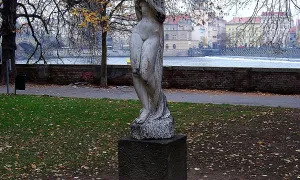
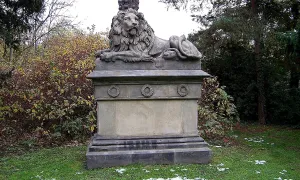
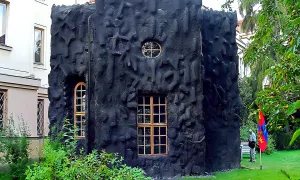
Real photos taken near the monument

Zdroj a licence jsou uvedeny u každého snímku.
Tips from visitors
No tips yet. Be the first!
Log in and add your tip.
Sources and literature
Photos: VitVit / CC BY-SA 4.0 — Wikimedia Commons. The author and licence also appear when you hover over the image.
Faktickým podkladem tohoto textu byl článek na Wikipedii, jehož autory jsou přispěvatelé Wikipedie. Článek je dostupný pod licencí CC BY-SA 4.0.
Location on the map

Příběhy a pověsti
Legendy, pověsti a příběhy spjaté s touto památkou
Fotografie návštěvníků
Zatím žádné fotografie. Buďte první, kdo přidá fotografii z návštěvy!
Log in a přidejte svou fotografii nebo hodnoťte.
Za ověřenou návštěvu v aplikaci získáte víc bodů — poznáme podle GPS, že jste na místě.
Reviews and comments