






Pinkasův palác Palace
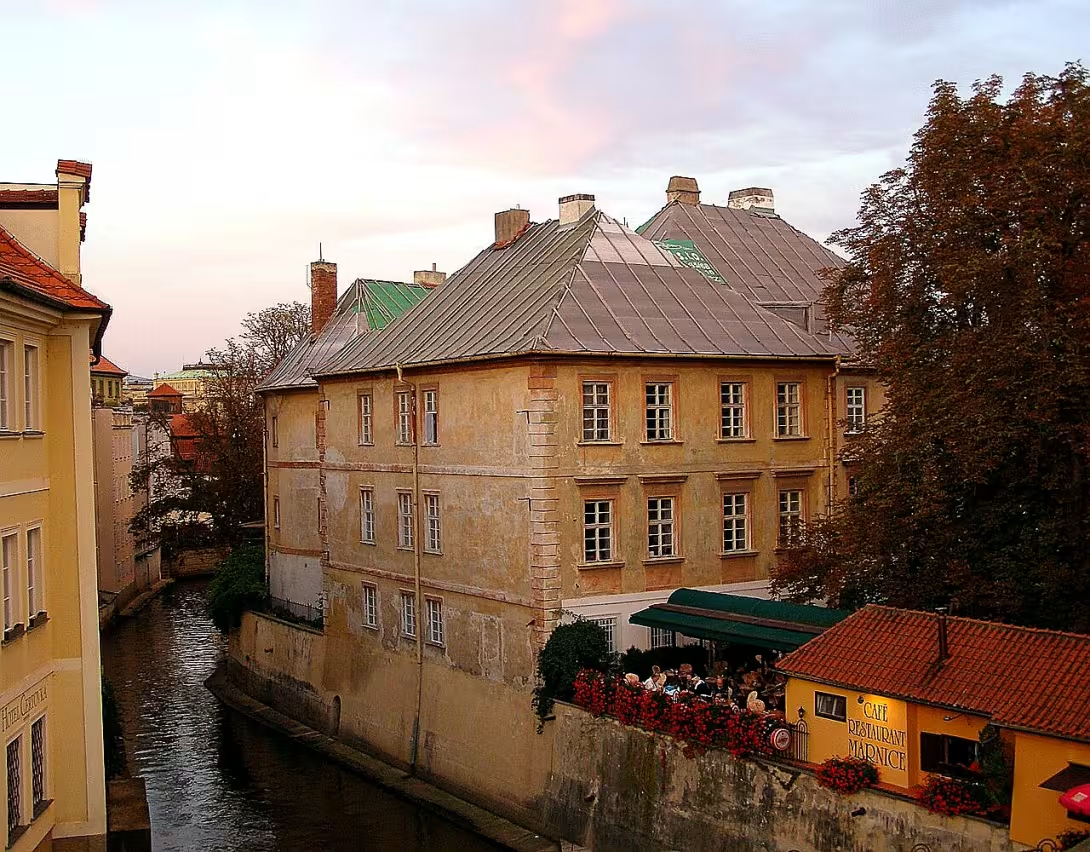
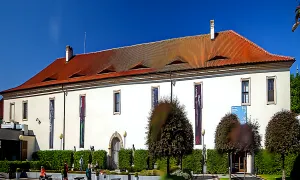
Pinkasův Palác, also known as Prachovna or Prašný Dvůr, is a historically significant townhouse located at the northern tip of Prague's Kampa Island. This Baroque-style building has served various purposes over the centuries and stands today as a cultural monument recognized for its architectural evolution and historical significance. Originally built in 1652, it underwent substantial expansion in the early 19th century, transforming into an irregular three-winged structure that reflects the dynamic history of Prague.
The origins of Pinkasův Palác date back to 1557 when Mikuláš Prachař acquired the property. Initially used for gunpowder production, its name 'Prachovna' or 'Prašný Dvůr' is derived from this historical use. The building's transformation began in 1652 with the construction of a new structure on the site, marking the start of its development into a significant townhouse. During the mid-17th century, Bohemia was part of the Habsburg Monarchy and experienced considerable political and religious changes following the Thirty Years' War. This period saw a shift towards Baroque architecture across Europe, influencing the design elements seen in Pinkasův Palác.
Architecturally, Pinkasův Palác underwent several phases of construction and expansion. Initially constructed in 1652, it was later expanded at the beginning of the 19th century by adding two floors and connecting previously separate structures with an eastern wing. This resulted in a unique irregular three-winged layout that characterizes its current form. The building's historical layers are further enriched by remnants of two pillars from the former Judith Bridge found in its basement, hinting at the site's earlier significance.
Ownership of Pinkasův Palác has seen dramatic changes over the centuries. After Mikuláš Prachař's acquisition in 1557, it became a property of the Pinkas family in 1815 when they purchased it for 50,000 zl. of Viennese currency. The Pinkas family owned and expanded the property until 1906, significantly influencing its architectural development during this period. Following their ownership, the building was sold to the city of Prague and used as a storage facility. In December 2018, the property changed hands once more when it was sold by Artemis Property to PPF Reality in what became the largest involuntary auction for 480 million Kč.
Throughout its history, Pinkasův Palác has witnessed various key events that have shaped its legacy. Its transformation from a site of gunpowder production to a significant architectural landmark reflects broader historical shifts within Prague and Bohemia. The building's evolution is marked by periods of construction, expansion, and adaptation, mirroring the changing needs and fortunes of its owners.
Today, Pinkasův Palác stands as a testament to Prague's rich cultural heritage. Located on Kampa Island, it offers visitors picturesque views along the Vltava River and proximity to other notable cultural and architectural landmarks. Its historical significance and unique architectural features make it a worthwhile destination for those interested in exploring Prague's past.
Pinkasův Palác invites visitors to delve into its storied history and appreciate its role within the broader tapestry of Prague's development. As a monument that has witnessed centuries of change, it offers a tangible connection to the city's vibrant cultural legacy. Whether drawn by architectural curiosity or historical interest, Pinkasův Palác is a must-visit landmark in Prague.
Then and now
Drag the slider to compare how the landmark may have looked when it was built with the view today.
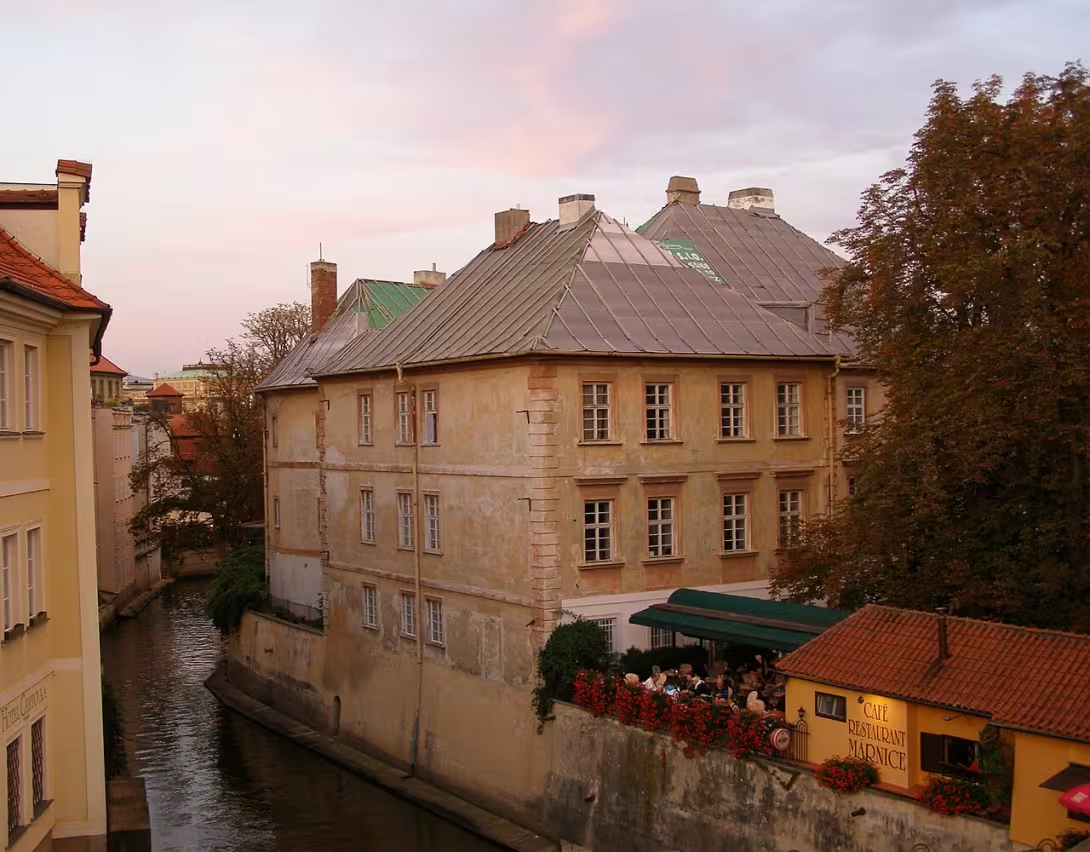
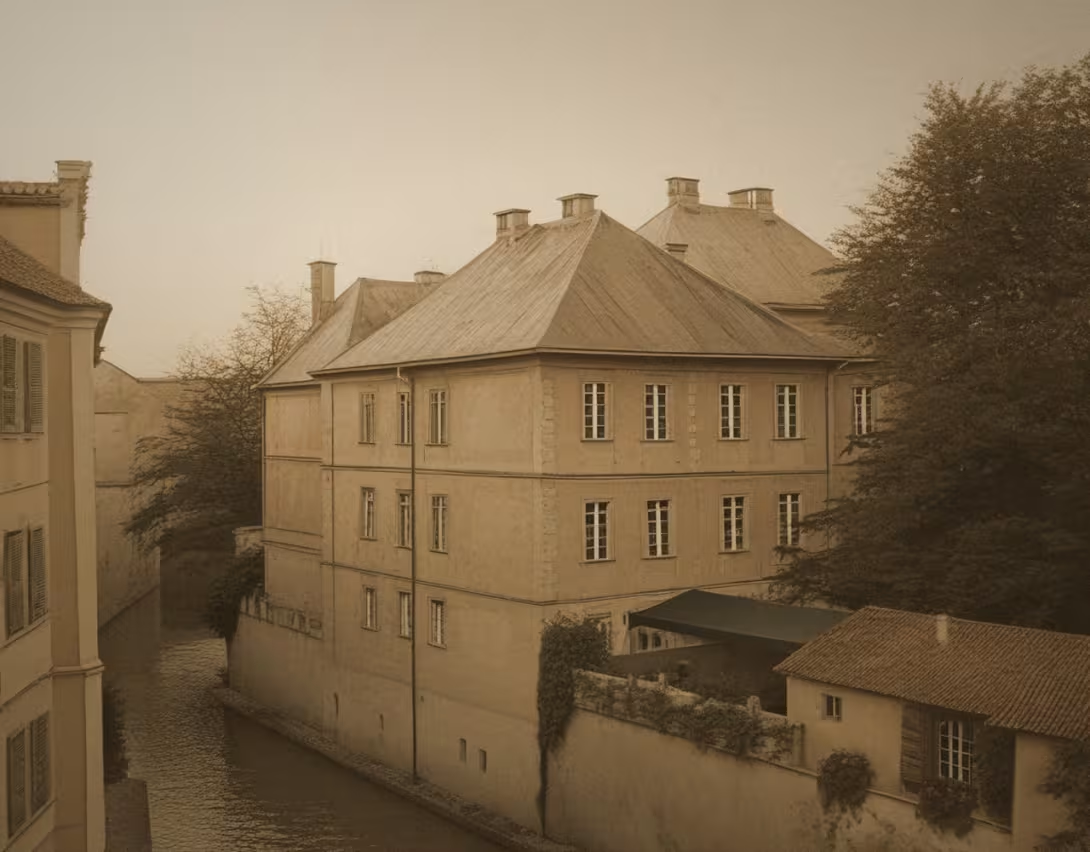
The historical appearance on the left is an AI-generated visualisation and serves as inspiration only.
Historical milestones
- 1557
- Mikuláš prachař acquired the building, marking its first recorded ownership.
- 1652
- A new structure was built on the site, initiating its transformation into a significant townhouse.
Architectural development
The building underwent several phases of construction and expansion. Initially constructed in 1652, it was later expanded at the beginning of the 19th century by adding two floors and connecting previously separate structures with an eastern wing. This resulted in a unique irregular three-winged layout.
Historical events
1557: Mikuláš prachař acquired the building, marking its first recorded ownership.
1652: A new structure was built on the site, initiating its transformation into a significant townhouse.
1815-1906: The Pinkas family owned and expanded the property, significantly influencing its architectural development.
Owners
The first recorded owner was Mikuláš prachař in 1557. In 1815, the Pinkas family acquired the building for 50,000 zl. of Viennese currency. It remained with the Pinkas family until 1906 when it was sold to the city of Prague and used as a storage facility. The property was last sold in December 2018 by Artemis Property to PPF Reality.
Guide
This guide is narrated by a synthetic voice generated by artificial intelligence.
Show guide text
This text was created by artificial intelligence and has not been editorially reviewed. It may contain inaccuracies.
Welcome to Pinkasův palác, a gem nestled on the northern tip of Prague's enchanting Kampa Island. As you stand here, take a moment to soak in the sight before you—a historic townhouse with an air of quiet elegance. Its facade whispers tales from centuries past, inviting you into its storied history.
Let’s embark on a journey through time, beginning in 1557 when Mikuláš prachař first acquired this site. Over the years, it transformed significantly, particularly in 1652 when a new structure rose here, marking the start of its evolution into an important townhouse. This building has seen many roles, initially linked to gunpowder production, which is reflected in its original name 'Prachovna' or 'Prašný Dvůr.'
As we delve deeper, notice how time has shaped this structure. While the architects remain unknown, their vision endures through the building's enduring presence. The Pinkas family took ownership in 1815, and it was under their care that the palác acquired its current name. Their influence is a testament to the many hands that have molded its history.
Now, let’s turn our attention to some intriguing stories tied to this place. Beneath the elegant surface of Pinkasův Palác lies a historical secret: remnants of twelfth-century structures hint at an even older past than we see today. This hidden layer adds depth to your understanding of how places evolve over time.
As you explore further, consider the lives that have passed through these halls—the artisans, families, and workers who contributed to its legacy. Each step echoes with their stories, making this more than just a building; it's a living narrative woven into Prague’s rich tapestry.
Before we part ways, I invite you to linger a little longer, perhaps wandering around the area or revisiting any details that caught your eye. There is always something new to discover in such historic places.
Thank you for joining me on this journey through Pinkasův palác. May it inspire your curiosity and leave you with lasting memories of Prague's vibrant history. Safe travels as you continue exploring!
Tips for visitors
The best time to visit Pinkasův palác is during the spring or early fall when the weather is pleasant, enhancing your experience of the picturesque views along the Vltava River. These seasons offer a comfortable climate for exploring both the palace and its surroundings without the summer crowds or winter chill. Additionally, visiting outside peak tourist seasons can provide a more intimate experience with fewer visitors.
Transportation to Pinkasův palác is convenient via public transport, including buses and trams that service the Malá Strana area. For those driving, parking options are available nearby, though it's advisable to check for availability in advance as spaces can be limited due to the popularity of the area. Walking or cycling along the scenic paths around Kampa Island also offers a delightful way to reach the palace and enjoy its surroundings.
When visiting Pinkasův palác, consider bringing comfortable walking shoes, especially if you plan to explore the surrounding areas on foot. A camera is recommended for capturing the architectural beauty of the palace and the stunning views along the river. Since photography inside may be restricted in certain areas, it's best to check ahead or focus on external shots from designated spots where lighting enhances the historical ambiance.
Nearby attractions within a 30-minute walk include several historic buildings and cultural landmarks that enrich your visit. The area offers opportunities for leisurely strolls along the riverbank, providing additional picturesque views and insights into Prague's rich history. For families with children, the proximity to these sites makes it easier to plan an enjoyable day out, combining educational experiences with relaxation by the water.
For families visiting Pinkasův palác, consider bringing snacks or a packed lunch as there are limited dining options immediately around the palace. The area is child-friendly, offering plenty of space for children to explore safely. Engaging kids with stories about the history and architecture can make the visit more interactive and memorable.
Businesses nearby
Do you run a restaurant, accommodation, shop, museum, rental, wellness or other visitor service near this monument? Show yourself directly to the people heading to it — this is how they will see you in the app and on the web:
Events nearby

Zdroj akcí: otevřená data měst a obcí ČR (Národní katalog otevřených dat) a kalendář akcí Národního památkového ústavu.
Nearby
Located on Kampa Island in Prague, Pinkasův palác is surrounded by other notable cultural and architectural landmarks. The area offers picturesque views along the Vltava River and features several historic buildings.
Accommodation nearby
Trips and activities nearby
Guided tours, tickets and activities nearby from GetYourGuide
Affiliate link: if you buy from the partner, we may receive a commission. The price for you does not change.
Search tours and activities →Themed route
Thematic Walking Tour: Kampa Island and Pinkasův Palác
1. Pinkasův palác (Palace) - Type: Cultural Landmark - Why Visit: Located on the picturesque Kampa Island, Pinkasův palác is renowned for its unique blend of Baroque architecture and modern art installations. The palace serves as a cultural hub with exhibitions that explore themes of memory and identity, making it an essential stop for those interested in contemporary art within historical settings.
2. Kampa Park - Type: Public Park - Why Visit: Adjacent to Pinkasův palác, Kampa Park offers serene views along the Vltava River with its lush greenery and charming pathways. The park is an ideal spot for relaxation and reflection after exploring the artistic exhibits of the palace, providing a tranquil setting that complements the cultural richness of the area.
3. Church of St. Francis of Assisi - Type: Architectural Landmark - Why Visit: Just a short walk from Pinkasův palác, this church is celebrated for its stunning Baroque architecture and vibrant frescoes by Jan Hiebl. Its historical significance and artistic beauty make it a must-see for those interested in the architectural evolution of Prague’s Kampa Island.
4. Kampa Museum - Type: Art Gallery - Why Visit: Situated near Pinkasův palác, the Kampa Museum is housed in a former granary and showcases modern art from renowned Czech artists such as František Kupka and Emil Filla. The museum’s collection highlights pivotal movements in 20th-century art, offering visitors an insightful look into Czech artistic heritage.
5. Kampa Island Promenade - Type: Scenic Walk - Why Visit: Conclude your tour with a leisurely stroll along the promenade of Kampa Island. This path offers breathtaking views of Prague’s skyline and the Vltava River, providing a perfect backdrop for capturing memories of your visit to this culturally rich area.
This thematic tour encapsulates the artistic and architectural splendor of Kampa Island, centered around Pinkasův palác, offering visitors an immersive experience into Prague's vibrant cultural landscape.
Seasonal recommendations
Spring: Pinkasův palác offers a unique charm in the spring season when blooming gardens and surrounding parks attract attention with their diverse floral development. This time of year is ideal for those seeking a quieter visit, as crowds are usually less intense than during the main summer season. The atmosphere is full of life and new beginnings, embodying the very character of this historic landmark. We recommend visiting in the morning or mid-week when crowds are typically lower, and remember to bring warm clothing for the cooler spring weather. Due to less illuminated conditions, it's advisable to bring your own camera to capture the beauty of the palace and its surrounding greenery.
Summer: During the summer season, Pinkasův palác becomes a popular destination for visitors who want to enjoy both sunshine and history. Summer brings long days full of light, meaning the palace is an exhibition space with bright lighting that highlights its architectural details. However, due to the popularity of the summer months, crowds increase, especially on Saturdays and in the evenings, so it's best to visit early or mid-week. Dress in lightweight but warm clothing, as afternoon hours can be very hot, and don't forget sun protection to enjoy your visit without discomfort.
Autumn: The autumn season is ideal for those who want to visit Pinkasův palác in a more relaxed atmosphere. The colors of the foliage and cooler weather offer a new perspective on this historic landmark while crowds are usually smaller than during summer months. This time of year is also perfect for photography, as sunny light and vibrant leaf colors provide a beautiful backdrop for pictures. It's recommended to visit early or mid-week when the palace is less crowded with visitors. Dress in layered clothing, as the weather can be quite variable, and bring along a guidebook or camera for full experiences.
Winter: A winter visit to Pinkasův palác offers a unique experience with a calm atmosphere and fewer people. The colder weather leads to shorter opening hours, so it's important to check in advance about planned closing times. However, this period provides a unique opportunity for a peaceful exploration of the palace without the pressure of crowds, ideal for those seeking an intimate experience. We recommend visiting early or mid-week and not forgetting warm clothing, including long-sleeved sweaters and quality footwear. Despite the cold weather, daylight illumination can still be attractive, ensuring that the historic beauty of the palace is fully lit.
Visualizations and artistic views


The visualisations are generated by artificial intelligence and serve as inspiration.
Photos from the area
Real photos taken near the monument


Zdroj a licence jsou uvedeny u každého snímku.
Tips from visitors
No tips yet. Be the first!
Log in and add your tip.
Sources and literature
Photos: Michal Kmínek / CC BY-SA 3.0 — Wikimedia Commons. The author and licence also appear when you hover over the image.
Faktickým podkladem tohoto textu byl článek na Wikipedii, jehož autory jsou přispěvatelé Wikipedie. Článek je dostupný pod licencí CC BY-SA 4.0.
Location on the map

Příběhy a pověsti
Legendy, pověsti a příběhy spjaté s touto památkou

Fotografie návštěvníků
Zatím žádné fotografie. Buďte první, kdo přidá fotografii z návštěvy!
Log in a přidejte svou fotografii nebo hodnoťte.
Za ověřenou návštěvu v aplikaci získáte víc bodů — poznáme podle GPS, že jste na místě.
Reviews and comments