



Plátenický dům Building
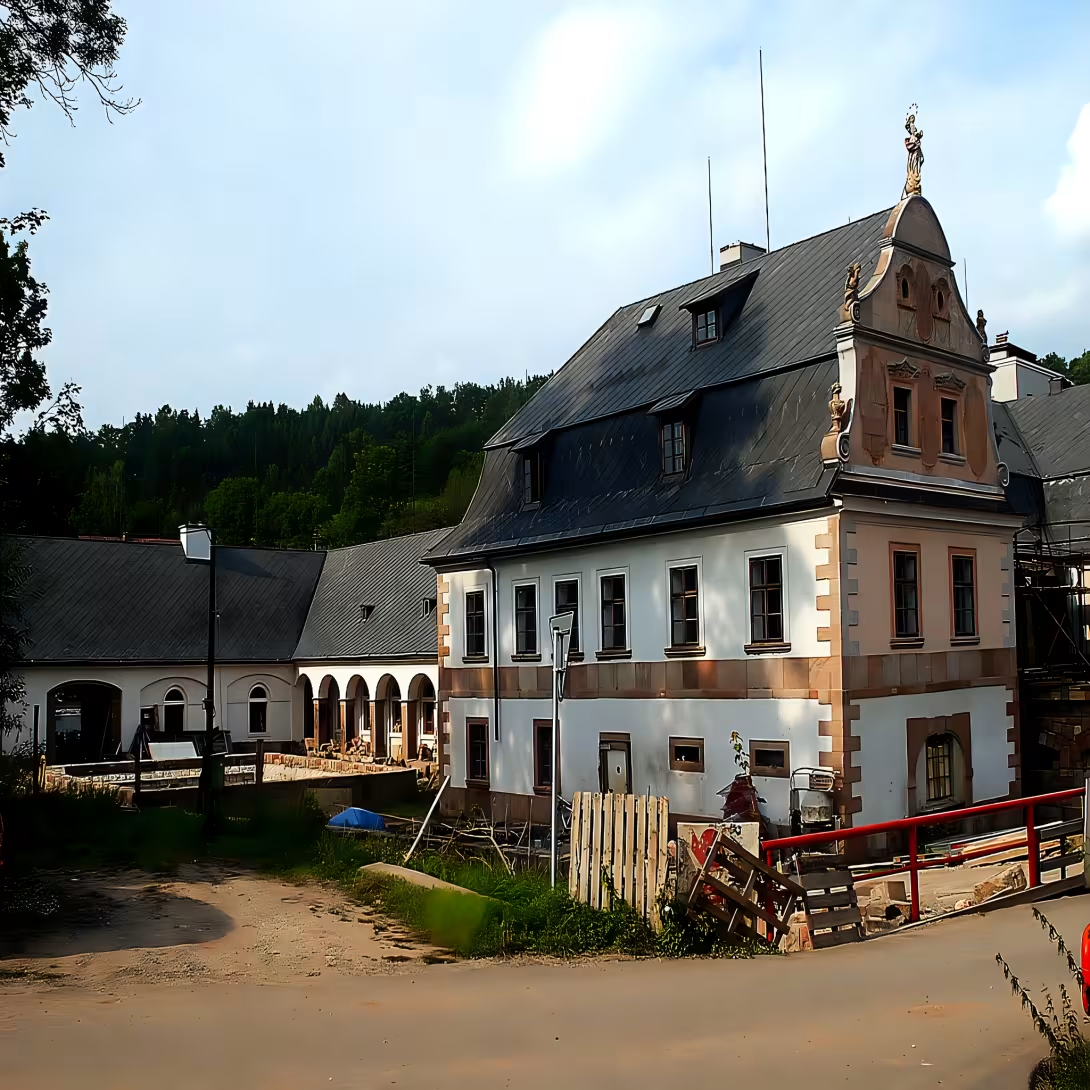
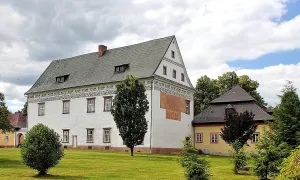
Plátenický dům, also known as the Střížek house, is a Baroque building located in the village of Horní Branná in the Liberec Region. This monument is remarkable by its history and architecture, which range from the 16th century to the present. Originally built as a Renaissance structure in 1587 by family of weavers Šížky, the house underwent significant changes and reconstructions, especially during the time of František Antonín Sřížek. Today it serves as a cultural space with exhibitions and galleries.
The foundation of the houses connects to the Renaissance era when the Czechs were part of the Habsburg monarchy. In 1587 the family Šížky built the original Renaissance building, which served as the seat of the weaving family. The most important owner was František Antonín Střížek, a merchant and a dealer of canvas, who in 1774 rebuilt the house into a baroque style. This reconstruction was not merely an aesthetic change; The cutting plant was founded here by the first Czech linen factory, which was an important step for local economy and industrial development.
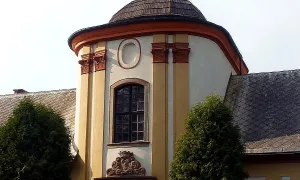
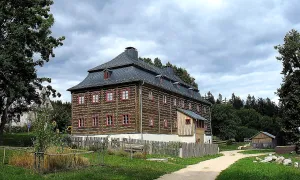
Architecturally, Plátenický dům is a three-story, three-story, triple-wing building with Mansard ports. There is a five-arc arcade in the middle, from which three doors decorated by 1587, 1777, 1850 and 1907 lead. The facades of both wings of the house decorate rich sculptures, including vases and angels, while the statue of the Virgin Mary at the top of the shield dominates the left wing. Inside the building there are a number of rare frescoes and cartouche with motifs such as Saint Apolena, patron saint of canvas.
The history of ownership of houses is rich in change. After the family Šížky the property was handed over to JZD Horní Branná and later to Reopa, which however did not raise money for renovation and offered the house for sale. In 2003, the state of the building was listed as completely accidental. The situation changed when Ivo Kaderka purchased the building and immediately began its reconstruction. In the summer of 2010, a permanent exhibition on canvas and gallery was opened in the house, which contributed to the cultural use of this historic building.
The key event in the history of the house was the entry of the building into the list of cultural monuments in 1958. This event highlighted its historical and architectural importance, although it was already referred to as desolate. Another important event was the opening of a permanent exhibition on canvas and gallery underground after reconstruction, which brought new life to the historic building.
Today Plátenický dům is available for visitors who can discover its rich history and architecture. Although he has met controversy in the past about renovation and financing, today he serves as a cultural centre that brings a new perspective on the history of canvas in Central Europe. The visit to this building offers a unique opportunity to learn about important aspects of Czech cultural and industrial history.
Plátenický dům is a reminder not only of architectural changes, but also of the economic development of the region. Its history reflects changes in the lives of local people and their industrial efforts. For visitors, the house is not only a monument but also an inspiration to explore the rich history of canvas and its importance in Czech countries.
Then and now
Drag the slider to compare how the landmark may have looked when it was built with the view today.
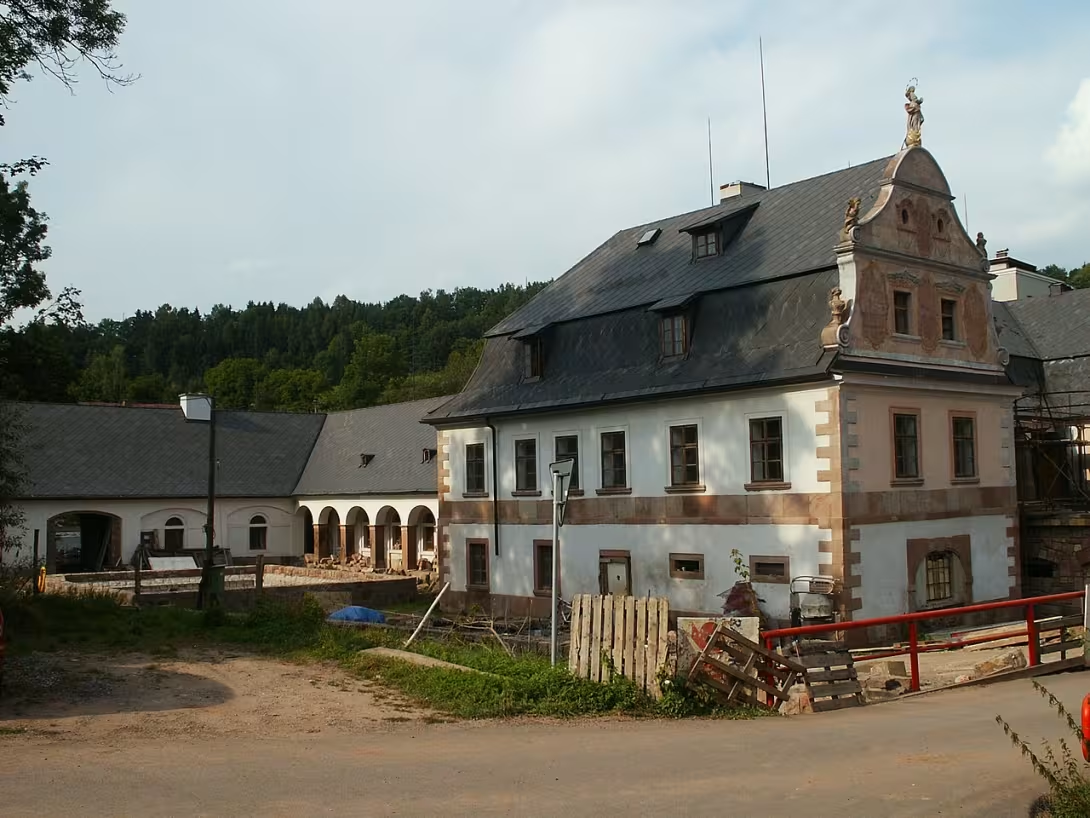
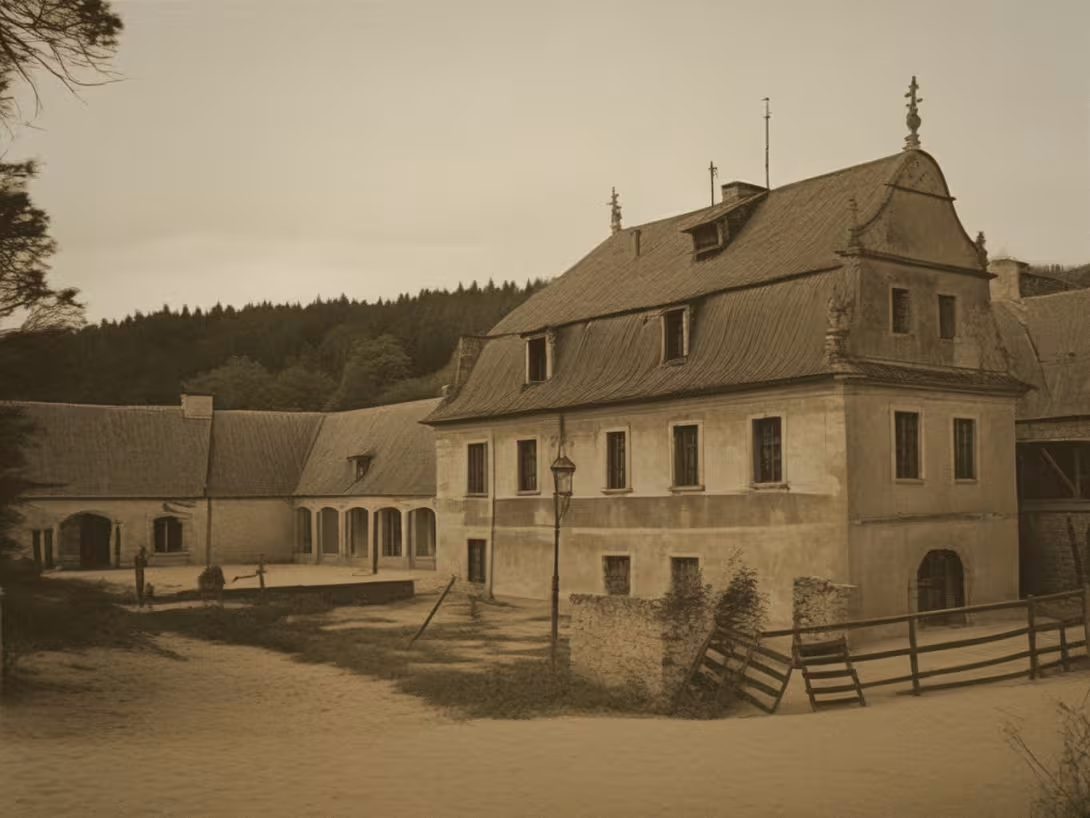
The historical appearance on the left is an AI-generated visualisation and serves as inspiration only.
Historical milestones
- 1587
- Construction of the original Renaissance house by the Střížek family.
- 1774
- Baroque reconstruction and establishment of the first Czech linen factory.
- 1958
- Registration of the building as a cultural monument.
- 2010
- Opening of the permanent linen weaving exhibition and gallery.
Architectural development
The building originated as a Renaissance structure in 1587 and was later transformed into a Baroque residence in 1774. It is a three-wing building with mansard additions and a central arcade. The facades are decorated with various sculptures, and the interior contains rare frescoes.
Historical events
- 1587
- The original Renaissance house was built by the Střížek weaving family.
- 1774
- František Antonín Střížek rebuilt the house in Baroque style and established a linen factory.
- 1958
- The building was officially entered into the list of cultural monuments.
- 2010
- A permanent exhibition on linen weaving and a basement gallery were opened to the public.
Owners
The Střížek family (from 1587), JZD Horní Branná (after 1958), Reopa (2002), and Ivo Kaderka (from 2005).
Points of interest
– The Plátenický dům is a Baroque building that houses the first Czech linen factory.
– The building was originally constructed in 1587 as a Renaissance house by the Střížek family, who were weavers.
– In 1774, the building underwent a Baroque reconstruction commissioned by linen merchant František Antonín Střížek, which added an adjacent workshop and created the first Czech linen factory.
– The monument features sculptures of angels and vases on its wing facades and a statue of the Virgin Mary crowning the left wing's gable.
Guide
Show guide text
This text was created by artificial intelligence and has not been editorially reviewed. It may contain inaccuracies.
Welcome to Horní Branná and this incredible historical monument, the Plátenický dům. As you stand before it, put on your headphones and let me take you on a journey through time.
As you gaze upon the building, you might notice its striking Baroque architecture. But did you know that this structure has a rich history dating back to 1587? That's when the Střížek family, weavers themselves, constructed it as a Renaissance house.
Fast forward to 1774, and the building underwent a significant transformation. Merchant František Antonín Střížek had it rebuilt in the Baroque style, transforming it into the first Czech linen factory. You can almost imagine the bustling activity within these walls as the linen industry took off.
Now, take a closer look at the structure itself. Notice the central arcade with five arches, a unique feature that adds to its charm. The building's one-story, three-wing design creates a sense of harmony and balance.
As you explore this piece of history, let me introduce you to some key figures connected to it. There's František Antonín Střížek, who played a crucial role in the building's reconstruction. And then there's Ivo Kaderka, whose expertise helped bring this monument back to its former glory.
Now, let's delve into some fascinating facts about the Plátenický dům. Did you know that it was registered as a cultural monument in 1958? Or that in 2010, it opened its doors to a permanent linen weaving exhibition and gallery?
As you continue your exploration of this historic site, take a moment to appreciate the atmosphere. Imagine the stories these walls could tell – of weavers, merchants, and artisans who once called this place home.
And finally, as you prepare to leave, remember that there's always more to discover about this incredible monument. Take a closer look at the intricate details, listen to the whispers of the past, and let your imagination run wild.
That's all for now. Thank you for joining me on this journey through time. I hope you've enjoyed exploring the Plátenický dům as much as I have. Until next time, farewell!
Tips for visitors
The best time to visit Plátenický dům is during the spring or autumn when the weather is mild and sunny, making it ideal for outdoor exploration. The building's Baroque architecture and picturesque surroundings are particularly stunning during these seasons.
Visitors can park their vehicles near the entrance of Horní Branná village. Alternatively, public transportation options are available, including buses that stop in nearby towns.
When visiting Plátenický dům, be sure to bring comfortable walking shoes, as you'll want to explore the surrounding area and take in the views. Don't forget your camera and a water bottle to stay hydrated.
For photography enthusiasts, the best spots to capture stunning images are around the building's facade and nearby courtyards. The golden hour, just before sunset, is particularly magical for capturing warm and cozy shots.
If you're looking to explore more of the surrounding area, consider visiting the nearby town of [insert nearby town name here], which is approximately a 30-minute walk or drive away.
Frequently asked questions
Can the monument be visited?
The building is in use (offices, a school, shops and the like). The interior is generally accessible only during operating hours and tours are not usually offered; we have not verified the details. You can see the exterior from the street.
Where is the monument?
Location: Horní Branná, Liberecký kraj. The map on this page shows the exact spot.
Why is the monument protected?
It is listed in the Central List of Cultural Monuments of the Czech Republic as a cultural monument (register no. 1000139097).
Businesses nearby
Do you run a restaurant, accommodation, shop, museum, rental, wellness or other visitor service near this monument? Show yourself directly to the people heading to it — this is how they will see you in the app and on the web:
Accommodation nearby
Themed route
Upper Branná Thematic Tour
Stop 1: Platenický dům (Main Attraction) This historic wooden house is a must-visit due to its unique architecture and cultural significance.
Stop 2: Horní Branná Village Center Explore the charming town square, surrounded by traditional houses and shops. Take in the local atmosphere and grab a bite to eat at one of the many cafes or restaurants.
Stop 3: Křížová hora Viewpoint Take a short walk up to this scenic viewpoint for panoramic views of the surrounding countryside. On a clear day, you can see for miles.
Note: The tour focuses on the main attraction and nearby points of interest in Upper Branná, without including any additional locations or attractions that are not mentioned in the original text.
Seasonal recommendations
In spring, the area surrounding Plátenický dům comes alive with fresh greenery and the first blooms of the season. The light is soft and gentle, making it an ideal time for nature lovers to explore the landscape of Horní Branná. Because the weather can still be quite unpredictable, it is wise to dress in layers. You will likely find fewer visitors during this period, allowing for a peaceful experience, especially if you visit during the quiet morning hours.
During the peak summer months, the landscape is lush and the days are long, providing ample time to admire the architecture under bright, direct sunlight. This is the busiest period for tourism in the region, so arriving early in the day is recommended to avoid the largest crowds. Be sure to wear comfortable walking shoes and bring sun protection, as you may spend significant time outdoors exploring the surroundings.
Autumn brings a dramatic change to the atmosphere, as the foliage turns to shades of gold and amber, creating a nostalgic setting for the historic Plátenický dům. Misty mornings can add a sense of mystery to the site, though the air becomes noticeably cooler. It is best to wear warm, windproof clothing and perhaps bring an umbrella. Visiting in the late afternoon can yield stunning lighting as the sun sits lower in the sky.
In winter, the scenery around Horní Branná is often transformed by a blanket of snow, creating a quiet and serene environment. The atmosphere is calm and contemplative, though the daylight hours are much shorter. Visitors should prepare for the cold with heavy thermal clothing and sturdy boots suitable for potentially slippery paths. Since weather conditions can impact accessibility, it is a good idea to plan your visit during the brightest part of the day.
Visualizations and artistic views


The visualisations are generated by artificial intelligence and serve as inspiration.
Photos from the area
Real photos taken near the monument


Zdroj a licence jsou uvedeny u každého snímku.
Tips from visitors
No tips yet. Be the first!
Log in and add your tip.
Sources and literature
Photos: JiriMatejicek / CC BY-SA 3.0, rozlišení zvýšeno umělou inteligencí — Wikimedia Commons. The author and licence also appear when you hover over the image.
Faktickým podkladem tohoto textu byl článek na Wikipedii, jehož autory jsou přispěvatelé Wikipedie. Článek je dostupný pod licencí CC BY-SA 4.0.
Location on the map
Příběhy a pověsti
Legendy, pověsti a příběhy spjaté s touto památkou
Fotografie návštěvníků
Zatím žádné fotografie. Buďte první, kdo přidá fotografii z návštěvy!
Log in a přidejte svou fotografii nebo hodnoťte.
Za ověřenou návštěvu v aplikaci získáte víc bodů — poznáme podle GPS, že jste na místě.
Reviews and comments