






Slezskoostravský hrad Hrad
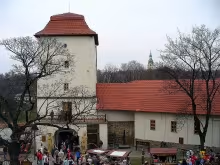
Slezskoostravský hrad is located in Slezská Ostrava within the Moravian-Silesian Region of the Czech Republic. It stands as a testament to medieval architecture and history, constructed initially in 1290 by Duke Mieszko I of Cieszyn. This Gothic castle was strategically placed on the border between the Duchy of Cieszyn and Moravia near the confluence of the Lučina and Ostravice rivers. Its historical significance is highlighted by its architectural evolution and role in regional politics and culture over several centuries.
The origin of Slezskoostravský hrad dates back to a period when Bohemia was under the Přemyslid dynasty, marked by political consolidation and territorial conflicts. Built as a border fortress, it protected vital trade routes during this era of expansion. The castle's initial purpose was defensive, reflecting the geopolitical tensions of late 13th-century Europe.
Architecturally, Slezskoostravský hrad underwent significant transformations over time. Originally constructed with high defensive walls typical of a medieval fortress, it transitioned into a Renaissance residence in 1534. This period saw the addition of ornate elements and conversion for residential use. The main gatehouse tower remains as a prominent feature from this era, symbolizing the castle's architectural evolution.
Ownership and administration of the castle have seen dramatic shifts throughout history. Initially under Silesian princes until 1508, it later came into the possession of Jan Sedlnický z Choltic in that year. The castle remained with his lineage until 1714 when it was acquired by the Wilczků family, who held it until 1945. These transitions reflect broader historical currents and shifts in power within the region.
Several key events have marked the history of Slezskoostravský hrad. In 1543, Archduchess Elisabeth of Austria passed through the castle en route to Kraków for her wedding, highlighting its significance as a noble residence. The castle also hosted a regional assembly in 1590, which affirmed Czech as the official language in Těšín Duchy, underscoring its political importance. However, it suffered damage from Neapolitan troops led by Karel Spinelli in 1621, reflecting turbulent military conflicts.
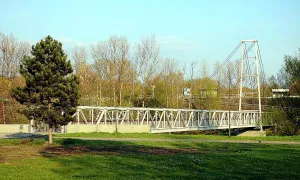
Today, Slezskoostravský hrad stands amidst an industrial landscape shaped by coal mining activities that have affected its structural integrity over time. Despite these challenges, it was repaired in 2004 after years of neglect and continues to be a cultural monument. The castle's surroundings include natural features like Černá louka (Black Meadow) and Lávka Unie (Union Bridge), offering visitors a glimpse into the region's industrial past juxtaposed with its natural beauty.
The site also holds intriguing curiosities, such as legends of hidden treasures visible only on Good Friday and tales of a ghostly white lady appearing upon the death of a family member. These stories add an element of mystique to the castle's historical narrative.
Slezskoostravský hrad remains a valuable cultural asset, offering insights into medieval architecture, regional history, and folklore. Its resilience through centuries of change makes it a compelling destination for those interested in exploring Czech heritage. Visitors are invited to experience this remarkable monument, where history and legend intertwine amidst the backdrop of Silesian Ostrava's unique landscape.
Historical milestones
- 1327
- The castle ceased being a border fortress when Silesian duchies became part of Czech lands.
- 1543
- Archduchess Elisabeth Habsburg passed through the castle on her way to Kraków for her wedding.
- 1590
- A regional assembly was held at the castle, affirming Czech as the official language in Těšín Duchy.
Architectural development
Originally built as a fortress with high defensive walls, Slezskoostravský hrad was transformed into a chateau between 1534 and 1548. The main gatehouse tower is the most prominent surviving structure from this period. Over time, the castle experienced various phases of destruction and neglect, particularly due to mining activities in the area.
Historical events
In 1543, Archduchess Elisabeth of Austria passed through the castle en route to Kraków for her wedding.
In 1590, a regional assembly was held at the castle, affirming Czech as the official language in Těšín Duchy.
The castle suffered damage from Neapolitan troops led by Karel Spinelli in 1621.
Owners
Silesian princes (until 1508)
Jan Sedlnický z Choltic (from 1508)
Rod Wilczků (from 1714 until 1945)
Points of interest
- Slezskoostravský hrad was initially constructed in 1290 by Duke Mieszko I of Cieszyn, a lesser-known figure compared to more prominent Bohemian rulers. His role in establishing this border fortress highlights the strategic importance of controlling trade routes and territorial borders during his reign.
Guide
Show guide text
Welcome to the historic Slezskoostravský hrad, a remarkable testament to centuries of history nestled in the heart of Silesian Ostrava, Moravia-Silesia. As you stand before this majestic structure, take a moment to absorb its grandeur and imagine the stories it holds within its walls.
The origins of Slezskoostravský hrad trace back to 1290 when Duke Mieszko I of Cieszyn envisioned it as a strategic border fortress. Its primary role was to safeguard vital trade routes and mark territorial boundaries, reflecting the era's geopolitical dynamics. In 1327, a pivotal moment in its history occurred when Silesian duchies were integrated into Czech lands, transforming the castle from a military stronghold into a noble residence.
As you gaze upon the hrad today, notice how it has gracefully transitioned over time to become more than just a fortress; it is now a chateau that bears witness to numerous historical transformations. While specific architectural details are not extensively documented, its evolution speaks volumes about the changing hands and purposes it served throughout history.
Several key figures have left their mark on this site. In 1543, Archduchess Elisabeth Habsburg passed through these halls en route to Kraków for her wedding, a testament to the castle's prominence in regional affairs. By 1590, Slezskoostravský hrad hosted a significant event—a regional assembly that affirmed Czech as the official language in Těšín Duchy.
Among the intriguing personalities associated with this place are Jan Sedlnický z Choltic and Karel Spinelli, who played roles in its storied past. The castle also has connections to Cecílie Renata and was impacted by the Swedish forces during their campaigns, adding layers of intrigue and drama to its history.
A fascinating tidbit about Slezskoostravský hrad is its initial construction under Duke Mieszko I of Cieszyn. Unlike more renowned Bohemian rulers, his efforts in establishing this fortress underscored the strategic importance of controlling key trade routes and borders during that period.
As you continue your exploration, let yourself be drawn into the atmosphere of Slezskoostravský hrad. Each corner holds echoes of the past, inviting you to delve deeper into its rich tapestry of history. We encourage you to explore further and uncover more about this captivating site. Thank you for joining us on this journey through time, and we hope your visit leaves a lasting impression.
---
This audio guide is designed to enrich your experience as you immerse yourself in the historical ambiance of Slezskoostravský hrad. Enjoy your exploration!
Tips for visitors
The best time to visit Slezskoostravský hrad is during the late spring or early autumn months. During this period, you can enjoy mild weather that enhances your experience of exploring the castle ruins and surrounding natural landscapes like Černá louka (Black Meadow). Additionally, these seasons offer pleasant lighting conditions for photography, capturing the historic ambiance without the harsh midday sun.
Parking is available near Slezskoostravský hrad, but it's advisable to check local resources or maps in advance as spaces can be limited due to its proximity to industrial areas. Public transportation options are also accessible; visitors should verify current routes and schedules through a local transit search tool to ensure convenient travel to the site.
When visiting Slezskoostravský hrad, it's recommended to bring comfortable walking shoes, as there may be uneven terrain around the castle ruins. A camera is advisable for capturing the scenic views of the Lučina and Ostravice rivers' confluence and the industrial backdrop. Don't forget a hat or sunscreen if visiting during warmer months.
For photography enthusiasts, some of the best spots include the elevated areas offering panoramic views of the surrounding landscape and the castle's remnants themselves. The morning light provides soft shadows that highlight the textures of the ruins, while late afternoon light can create dramatic contrasts with the industrial skyline in the background.
Nearby attractions within a 30-minute drive or walk include Lávka Unie (Union Bridge), which offers picturesque views and is ideal for leisurely walks. Families with children might also enjoy exploring Černá louka, where they can experience nature amidst the urban-industrial setting of Slezská Ostrava.
Businesses nearby
Nearby
Surrounded by industrial landscapes due to coal mining, Slezskoostravský hrad offers views of the confluence of the Lučina and Ostravice rivers. The area includes natural features like Černá louka (Black Meadow) and Lávka Unie (Union Bridge).
Accommodation nearby
Themed route
Tematická výletní trasa Slezskoostravský hrad a okolí
1. Slezskoostravský hrad (Hrad) Začněte svou cestu na samotné Slezskoostravském hradě, který je ikonickým symbolem regionální historie a architektury. Tento hrad vyniká svými výhledy na průmyslové krajině a ústupiště řek Lučiny a Ostravic, což poskytuje jedinečnou perspektivu na historii a přírodu tohoto regionu. Hrad je ideálním místem pro pochopení významu oblasti ve středověku.
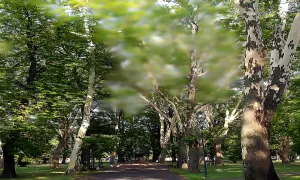
2. Černá louka (Black Meadow) Přibližně 10 minut chůze od hradu se dostanete do Černé louky, přírodního úkrytu známého svou klidnou atmosférou a biodiverzitou. Tato oblast je perfektním místem pro relaxaci a pozorování divoké flóry a fauny, která prosperuje v těchto podmínkách. Černá louka nabízí únik od průmyslových krajin a připomíná historickou přirozenost oblasti.
3. Lávka Unie (Union Bridge) Následující cíl je Lávka Unie, která se nachází nedaleko Černé louky. Tato lávka je nejen technickým dílem, ale také historickou památkou, která spojuje různé části města a symbolizuje propojení minulosti s moderním životem oblasti. Je to ideální místo pro pohled na řeky a jejich průmyslový vliv na krajinu.
4. Výhled z hradního nádvoří Po navštívění Lávky Unie se vraťte k Slezskoostravskému hradu a prozkoumejte jeho nádvoří. Toto místo nabízí výhledy na celý region, které jsou zvláště působivé při slunečném počasí. Nádvoří je také vhodné pro krátké odpočinkové chvíle a poskytuje možnost si užít klidného okamžiku, zatímco se obdivujete historický kontext hradu.
5. Hradní věže Zavřete svou cestu prohlídkou jedné ze středověkých věží Slezskoostravského hradu. Tyto struktury poskytují nejen historický vhled do obranných mechanismů minulosti, ale také impozantní panoramatické výhledy na okolní krajinu a průmyslová území. Věže jsou ideálním místem pro zamyšlení nad historickým významem hradu a jeho roli ve vývoji oblasti.
Tato trasa nabízí kombinaci historie, přírody a kultury, což umožňuje hluboké pochopení Slezskoostravského hradu a jeho okolí.
```Seasonal recommendations
Jaro: In the springtime, Slezskoostravský hrad comes to life as flowers and trees bloom in the valleys surrounding it. Sunlight illuminates its ancient architecture, enhancing its beauty and providing ideal conditions for photography. Due to the rejuvenating nature, the castle may be somewhat overgrown with foliage, creating an escape from everyday life. It is recommended to visit in the morning or evening to avoid midday heat and potential crowds during this renewing season. Visitors should wear comfortable shoes and clothing suitable for mild weather to enjoy their visit without worries.
Léto: Summer brings long sunny days that bathe Slezskoostravský hrad, creating ideal conditions for a visit. As it is the most popular time for tourists, an increase in visitor numbers can be expected, especially during peak summer months. Visiting in the morning or evening is recommended to avoid heat and crowds during the day. Additionally, better photographic opportunities are available due to the long sunny rays. When visiting, it's advisable to wear sun-protective clothing such as scarves and hats, along with plenty of water for drinking.
Podzim: Autumn offers a unique atmosphere for visiting Slezskoostravský hrad, with clear colored leaves and mild weather. This season is ideal for nature lovers who will enjoy the beautifully colored forests around the castle. Sunny days are still frequent, allowing excellent photography of both architecture and nature. Visitors are encouraged to visit at the beginning of autumn when there are fewer visitors but it's still advantageous to make use of sunny days. It is recommended to wear warmer clothing and appropriate footwear as temperatures begin to drop.
Zima: In winter, Slezskoostravský hrad takes on a mysterious atmosphere, especially during frosty days when its ancient architecture is reflected in the snow. Sunlight creates stunning contrasts on the snow-covered terrain, making the visit photogenic. However, visitors should be prepared for shorter opening hours and potentially fewer available activities due to winter weather. Visitors are advised to come in early afternoon to enjoy sunny days and wear warm clothing, including long-sleeved sweaters and quality footwear.
Visualizations and artistic views

Vizualizace jsou generovány umělou inteligencí a slouží jako inspirace.

Tips from visitors
No tips yet. Be the first!
Log in and add your tip.
Location on the map
Příběhy a pověsti
Legendy, pověsti a příběhy spjaté s touto památkou
Za ověřenou návštěvu v aplikaci získáte víc bodů — poznáme podle GPS, že jste na místě.
Reviews and comments