






Stará radnice v Táboře Town hall
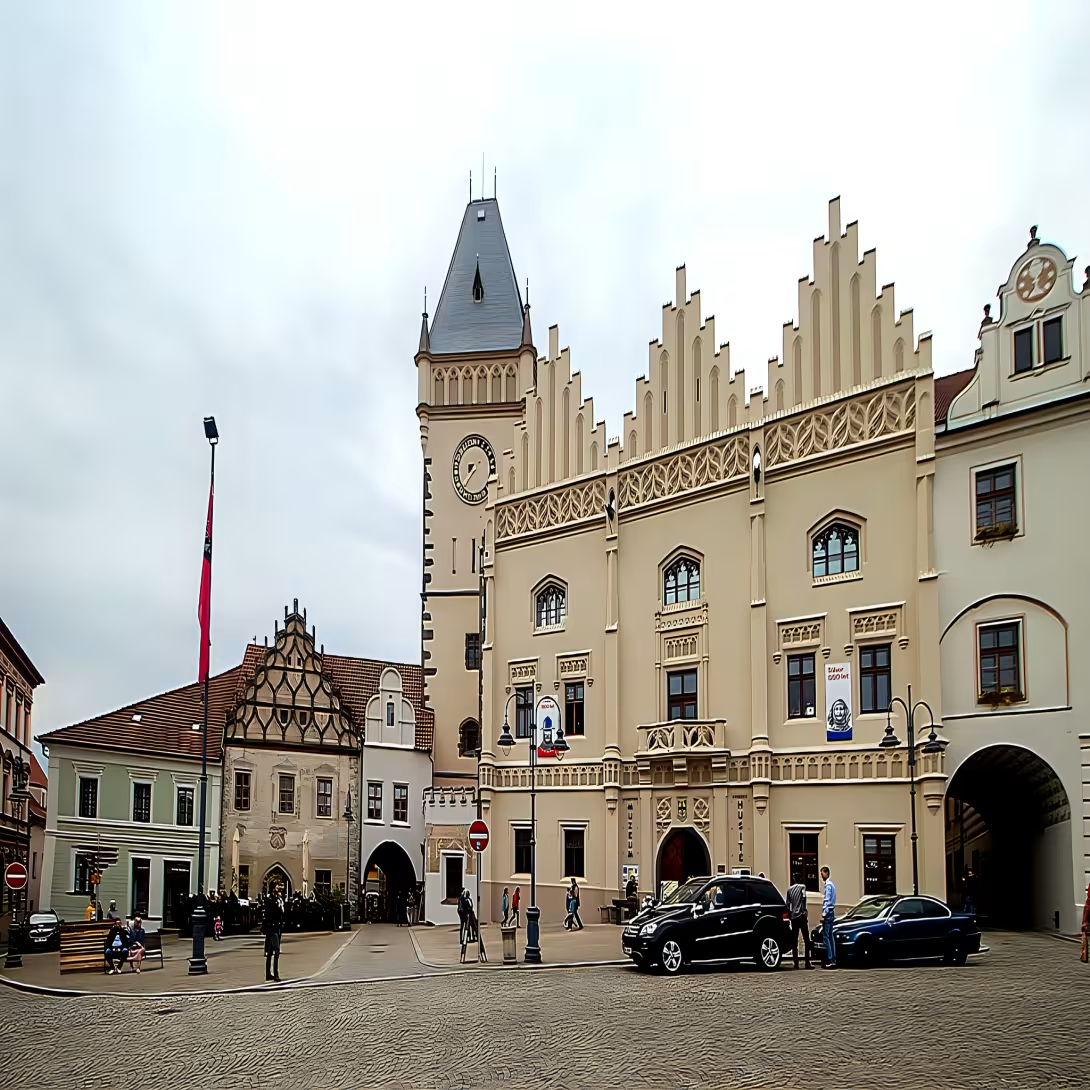
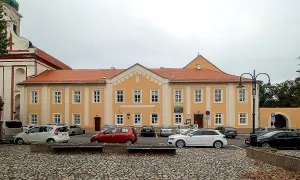
Stará radnice in Tábor is a historically significant building located at Žižkové náměstí, the city's heart. Originally constructed in the late Gothic style, it stands as one of the largest Gothic halls with net vaulting in the Czech Republic, second only to the Vladislav Hall. Over centuries, the structure has undergone several architectural transformations and now houses the Museum of the Hussite Revolutionary Movement.
The origins of Stará radnice date back to the end of the 15th century when Tábor was elevated to a royal city. This elevation marked the start of its construction, completed in 1521 as indicated by an inscription near the Gothic hall staircase. The building's history is closely linked with the Hussite movement, reflecting significant religious and political changes during that era.
Architecturally, Stará radnice began as a late Gothic structure but has seen several modifications over time. Around 1679, Antonio de Alfieri conducted Baroque renovations altering its original appearance. In 1839, the facade underwent Empire-style modifications, further changing its look. Between 1874 and 1878, Josef Niklas implemented Neo-Gothic changes, giving the building its current aesthetic. The original late Gothic elements are primarily visible on the building's rear side.
Throughout its history, Stará radnice has been a focal point of Tábor’s urban landscape. It is situated in the central square, surrounded by other historical buildings and characterized by irregularly planned streets typical of medieval development. One notable feature is the town hall tower, which houses a unique clock known as the Tábor orloj. This clock features twenty-four numerals and a single hour hand, making it a distinctive rarity.
Today, Stará radnice serves not only as a historical monument but also as a cultural hub with its museum dedicated to the Hussite revolutionary movement. The building is accessible to visitors who wish to explore its rich history and architectural evolution. Its significance lies in its representation of Tábor's past and its role in the broader context of Czech history, making it a must-visit for anyone interested in exploring the region’s heritage.
Stará radnice in Tábor offers a unique glimpse into the past, blending historical architecture with cultural narratives that continue to resonate today. Its preservation as a museum ensures that visitors can appreciate its architectural beauty and historical importance, inviting exploration and reflection on its enduring legacy.
Then and now
Drag the slider to compare how the landmark may have looked when it was built with the view today.
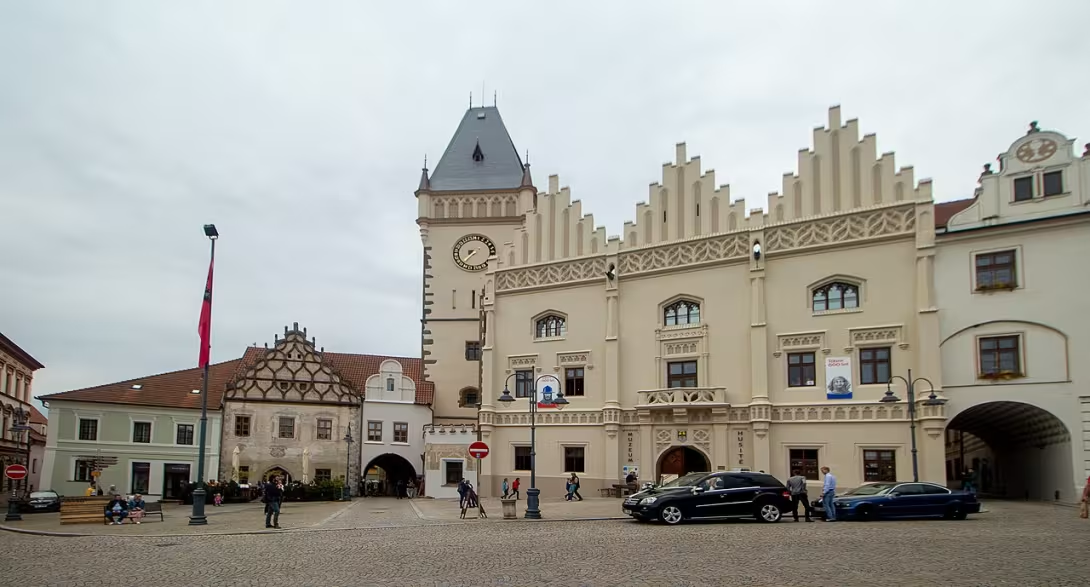
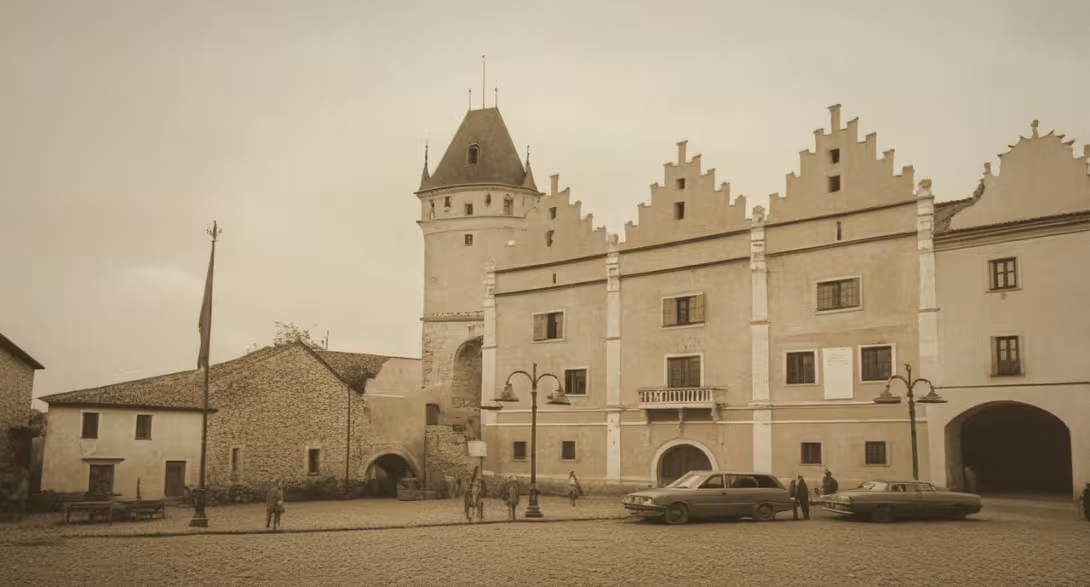
The historical appearance on the left is an AI-generated visualisation and serves as inspiration only.
Historical milestones
- end of the 15th century
- Tábor was elevated to a royal city, which initiated the construction of Stará radnice.
- 1521
- The completion of the construction of Stará radnice, as indicated by an inscription at the Gothic staircase.
- 1679
- A Baroque renovation carried out by Antonio de Alfieri.
- 1839
- Empire-style modifications to the façade of Stará radnice.
- 1874–1878
- Neogothic changes made by Josef Niklas.
Architectural development
Stará radnice's construction began at the end of the 15th century and was completed in 1521. The building initially featured late Gothic architecture but underwent Baroque renovations by Antonio de Alfieri around 1679, which altered its original appearance. In 1839, it received Empire-style modifications to its facade. Further Neo-Gothic changes were made between 1874 and 1878 by Josef Niklas.
Historical events
Construction began at the end of the 15th century after Tábor was elevated to a royal city.
The building was completed in 1521, as indicated by an inscription near the Gothic hall staircase.
In 1839, the facade underwent Empire-style modifications.
Points of interest
- One of the lesser-known aspects of Stará radnice is its unique clock, known as the Tábor orloj. Unlike typical clocks with separate hour and minute hands, this one features just a single hand that completes a full rotation every 24 hours, marking it as an unusual timepiece.
Guide
This guide is narrated by a synthetic voice generated by artificial intelligence.
Show guide text
This text was created by artificial intelligence and has not been editorially reviewed. It may contain inaccuracies.
Welcome to the historic heart of Tábor at Žižkové náměstí, where you stand before a remarkable testament to architectural evolution and cultural heritage—the Stará radnice. This iconic structure captures your attention with its grandeur, inviting you into a story that stretches back centuries.
The origins of this majestic building date to the late 15th century when Tábor was elevated to a royal city status. This significant development marked the beginning of the construction of what would become one of the most important civic buildings in the region. By 1521, the Stará radnice reached completion, as indicated by an inscription near its Gothic staircase—a testament to the craftsmanship and ambition of that era.
As you gaze upon the building's facade, take a moment to appreciate its architectural journey. Originally crafted in the late Gothic style, it boasts one of the largest Gothic halls with net vaulting in the Czech Republic. This grand hall is only surpassed by the famed Vladislav Hall in Prague. Over time, the Stará radnice has embraced various stylistic transformations. In 1679, Antonio de Alfieri introduced Baroque modifications, adding layers of elegance and complexity to its structure. The facade underwent further changes with Empirical adjustments in 1839 and Neogothic renovations between 1874 and 1888 by Josef Niklas.
While the architect Staněk kameník played a pivotal role in its initial construction, many historical figures associated with this site remain unnamed, adding an air of mystery to its past. As you explore, imagine the countless decisions made within these walls that shaped Tábor's history.
One unique feature of the Stará radnice is its clock tower, known as the Tábor orloj. Unlike typical clocks, it features a single hand completing one full rotation every 24 hours—an unusual and intriguing timepiece that captures both the imagination and curiosity of visitors.
As you continue to explore this historic site, let your senses be guided by the layers of history embedded in its walls. Each architectural detail tells a story of transformation and resilience, inviting you to delve deeper into Tábor's rich past.
We encourage you to wander around Žižkové náměstí, absorbing the atmosphere and uncovering more secrets that this charming city holds. Thank you for joining us on this journey through time at Stará radnice in Tábor. Safe travels as you continue your exploration of this enchanting region.
Tips for visitors
The best time to visit Stará radnice v Táboře is during the late spring or early fall when the weather is pleasant, allowing you to comfortably explore both the indoor and outdoor areas of this historical site. These seasons offer mild temperatures and fewer crowds, enhancing your experience as you admire the architectural details in good light. Additionally, visiting during local festivals can provide a unique cultural context that enriches your understanding of Tábor's history.
Parking around Stará radnice is limited due to its central location, so it is advisable to use public transportation or park in designated areas outside the city center and walk to the site. The area is well-served by bus routes, making it convenient for visitors traveling from nearby towns. For those driving, checking a local map or GPS service before your visit can help identify available parking options.
When visiting Stará radnice, consider bringing comfortable walking shoes as you'll likely explore both the interior and surrounding streets of Tábor's historical center. A camera is recommended to capture the stunning Gothic architecture and the picturesque surroundings of Žižkové náměstí. Additionally, carrying a light jacket or umbrella can be useful due to the variable weather conditions typical in this region.
For photography enthusiasts, the best spots around Stará radnice include the central square where you can capture the building's facade with its Gothic portal against the backdrop of surrounding historical structures. Early morning or late afternoon provides the most favorable lighting for photographs, casting soft shadows that highlight architectural details. Exploring nearby streets and squares will also offer unique angles and perspectives.
Nearby attractions within a 30-minute drive include České Budějovice, known for its beautiful castle and vibrant cultural scene, and Hluboká Castle, which offers stunning views and well-preserved Renaissance architecture. For families with children, the Tábor Zoo is an enjoyable outing, providing educational experiences about wildlife in a natural setting.
Businesses nearby
Do you run a restaurant, accommodation, shop, museum, rental, wellness or other visitor service near this monument? Show yourself directly to the people heading to it — this is how they will see you in the app and on the web:
Nearby
Stará radnice is situated in the central square of Tábor, surrounded by other historical buildings including a significant house with a Gothic portal. The area features irregularly planned streets and squares typical of medieval urban development.
Accommodation nearby
Themed route
Tábor Historical Walking Tour
1. Stará radnice (Old Town Hall) - Type: Historic Building - Why Visit: The Stará radnice is a central feature of Tábor's historic core, showcasing Gothic architecture with its distinctive tower and intricate details. It offers insight into the town's medieval past and serves as an emblematic symbol of civic pride.
2. House with Gothic Portal - Type: Historical Building - Why Visit: Located near the Stará radnice, this building is renowned for its impressive Gothic portal, a testament to the architectural prowess of the Middle Ages. The structure provides a glimpse into the stylistic elements that were prevalent during Tábor's development.
3. Central Square - Type: Historic Urban Area - Why Visit: The central square in Tábor is an irregularly planned area typical of medieval towns, surrounded by historical buildings and narrow streets. It offers a unique atmosphere where visitors can immerse themselves in the town's rich history while enjoying its charming ambiance.
4. Surrounding Medieval Streets - Type: Historic Urban Landscape - Why Visit: The irregularly planned streets around the central square are perfect for exploring Tábor’s medieval urban fabric. Walking these paths allows visitors to experience the authentic feel of a historic town, with its unique layout and architectural harmony.
5. Nearby Historical Buildings - Type: Collection of Historic Structures - Why Visit: The area surrounding the Stará radnice is dotted with other historical buildings that contribute to Tábor's cultural heritage. Each structure tells a part of the town’s story, offering insights into its architectural evolution and historical significance.
This walking tour provides an engaging exploration of Tábor's historic heart, focusing on key sites within the immediate vicinity of the Stará radnice.
Seasonal recommendations
Spring: Visiting the Old Town Hall in Tábor during spring offers a refreshing experience as nature begins to awaken. The surrounding gardens and pathways are adorned with vibrant wildflowers, creating a picturesque backdrop for exploring the historic architecture. The mild weather allows visitors to comfortably stroll around at their leisure without the burden of heavy clothing. However, it's advisable to check opening times as some areas might still be adjusting from winter schedules. Early mornings can provide a serene atmosphere before crowds gather, making it an ideal time to appreciate the site’s beauty.
Summer: Summer is the peak season for visiting Tábor's Old Town Hall, with long daylight hours and warm temperatures enhancing the experience. The lush greenery surrounding the building offers inviting spots for relaxation, while the vibrant atmosphere of nearby cafes and shops adds charm to your visit. Due to increased tourist activity, it’s recommended to arrive early in the day to avoid larger crowds. Comfortable walking shoes and light clothing are essential, as you’ll likely spend several hours exploring both indoors and outdoors.
Autumn: Autumn brings a unique charm to Tábor's Old Town Hall with its warm hues of golds and reds transforming the landscape into an artist’s palette. The cooler temperatures make it comfortable for extended exploration without overheating. This season also tends to have fewer tourists, providing a more tranquil visit. Visitors should dress in layers to accommodate fluctuating temperatures throughout the day. Late afternoon visits can be particularly enchanting as the setting sun casts a golden glow over the historic architecture.
Winter: Winter offers a magical atmosphere at Tábor's Old Town Hall, with snow potentially blanketing the area and adding an ethereal quality to its historic façade. The cooler weather means fewer visitors, allowing for a more intimate experience of this cultural landmark. It’s important to dress warmly in layers, as temperatures can drop significantly, especially during evenings. Be mindful that some areas may have reduced opening hours or be closed due to the winter season, so checking ahead is advisable. Visiting on a sunny day can provide optimal lighting and warmth for enjoying both indoor exhibits and outdoor views.
Visualizations and artistic views


The visualisations are generated by artificial intelligence and serve as inspiration.
Photos from the area
Real photos taken near the monument


Zdroj a licence jsou uvedeny u každého snímku.
Tips from visitors
No tips yet. Be the first!
Log in and add your tip.
Sources and literature
Fotografie: VitVit / CC BY-SA 4.0, rozlišení zvýšeno umělou inteligencí — Wikimedia Commons. The author and licence also appear when you hover over the image.
Faktickým podkladem tohoto textu byl článek na Wikipedii, jehož autory jsou přispěvatelé Wikipedie. Článek je dostupný pod licencí CC BY-SA 4.0.
Location on the map



Příběhy a pověsti
Legendy, pověsti a příběhy spjaté s touto památkou

Fotografie návštěvníků
Zatím žádné fotografie. Buďte první, kdo přidá fotografii z návštěvy!
Přihlaste se a přidejte svou fotografii nebo hodnoťte.
Za ověřenou návštěvu v aplikaci získáte víc bodů — poznáme podle GPS, že jste na místě.
Reviews and comments