






Vojanovy sady Park
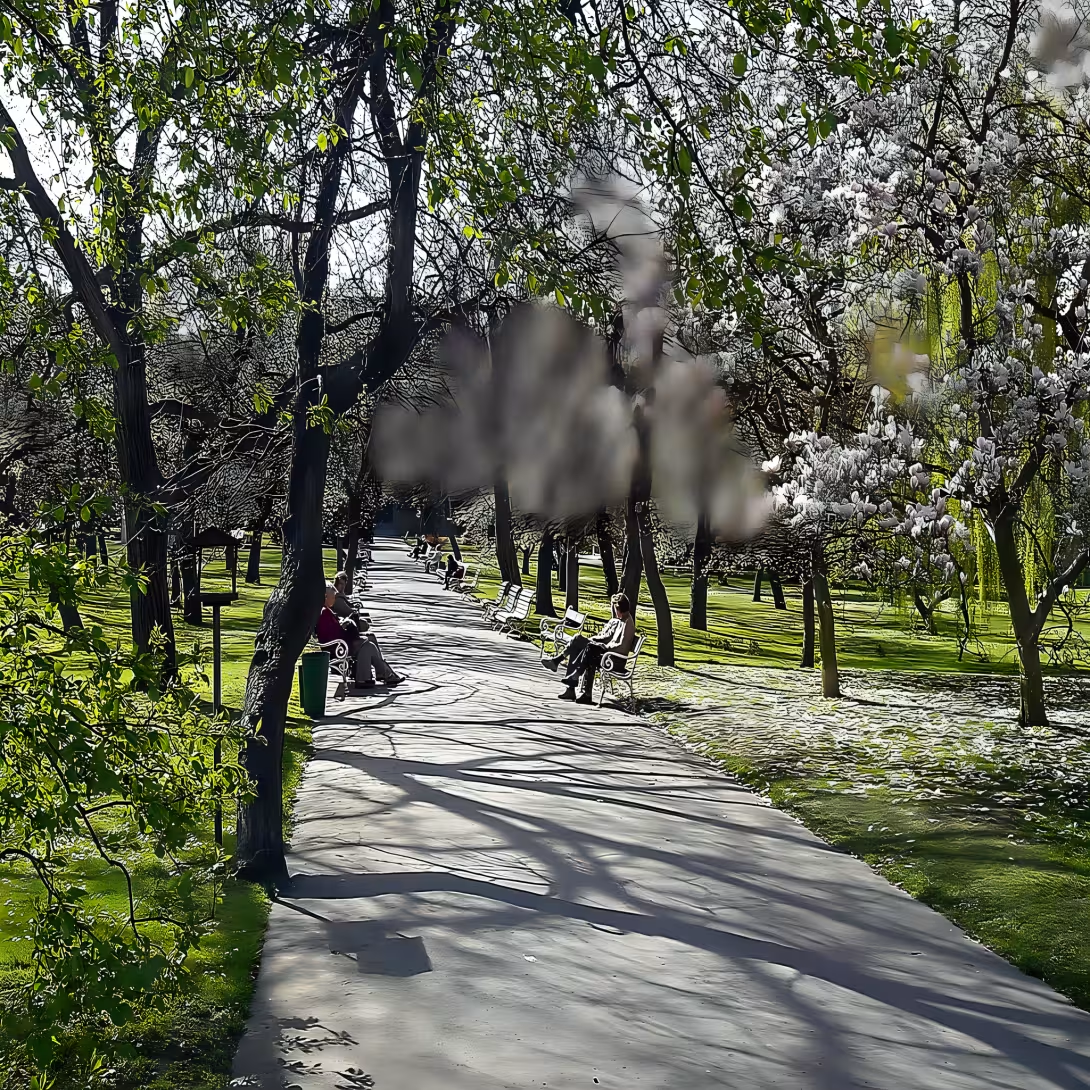
Vojanovy Sady is a public park located in Prague's Malá Strana district. It is one of the city's oldest gardens, originating in the 17th century as part of a Carmelite convent. The park features elements from various historical periods, including baroque chapels and an English-style garden layout established in the early 19th century.
The origins of Vojanovy Sady trace back to the medieval period when it was part of a bishop's court established in the 13th century. By the late 17th century, the garden became associated with a Carmelite convent, which integrated it into their grounds as an enclosed monastic garden for contemplation and practical use. The convent built chapels dedicated to Saint Teresa in 1743 and Saint John of Nepomuk in 1747, reflecting the baroque architectural style prevalent during that era.
After the dissolution of the convent in 1782, the site was repurposed by an institution for English girls who transformed it into a park with winding paths and water features typical of English garden design. Throughout its history, Vojanovy Sady has seen various changes in ownership and purpose. Following secularization in 1920, parts of the park were reduced and repurposed, including new buildings that encroached on its original space.
In 1954, significant modifications were made to open it to the public, which included removing some chapels and altering pathways. The park was managed by Jindřich Pavliš from 1979 to 2011, who oversaw not only Vojanovy Sady but also other parks in Prague's Malá Strana district.
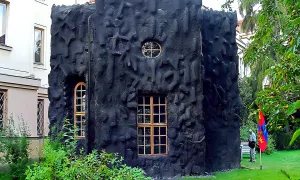
Key events include its transformation into an English-style garden in the early 19th century and the secularization process that began in 1920. Despite changes, Vojanovy Sady retains three baroque chapels: a grotto dedicated to Saint Elijah with nástropní paintings, the polygonal chapel of Saint Teresa adorned with frescoes, and a niche chapel of Saint John Nepomuk that has been altered over time.
Today, Vojanovy Sady is surrounded by significant buildings such as the Thurn-Taxis Palace and the Ministry of Finance. The park features historical architecture and modern elements, including an aviary known for its peacocks, flower beds, beehives, a small greenhouse, a pond, a children's area, public restrooms, and a tennis court.
Vojanovy Sady offers visitors a unique glimpse into the historical layers of Prague through its blend of architectural styles and garden designs. Its significance is enhanced by its location in the heart of Malá Strana, surrounded by notable buildings that contribute to the area's charm. Whether you are interested in history, architecture, or simply enjoying a peaceful stroll amidst nature, Vojanovy Sady is worth visiting for its historical depth and serene atmosphere.
Then and now
Drag the slider to compare how the landmark may have looked when it was built with the view today.
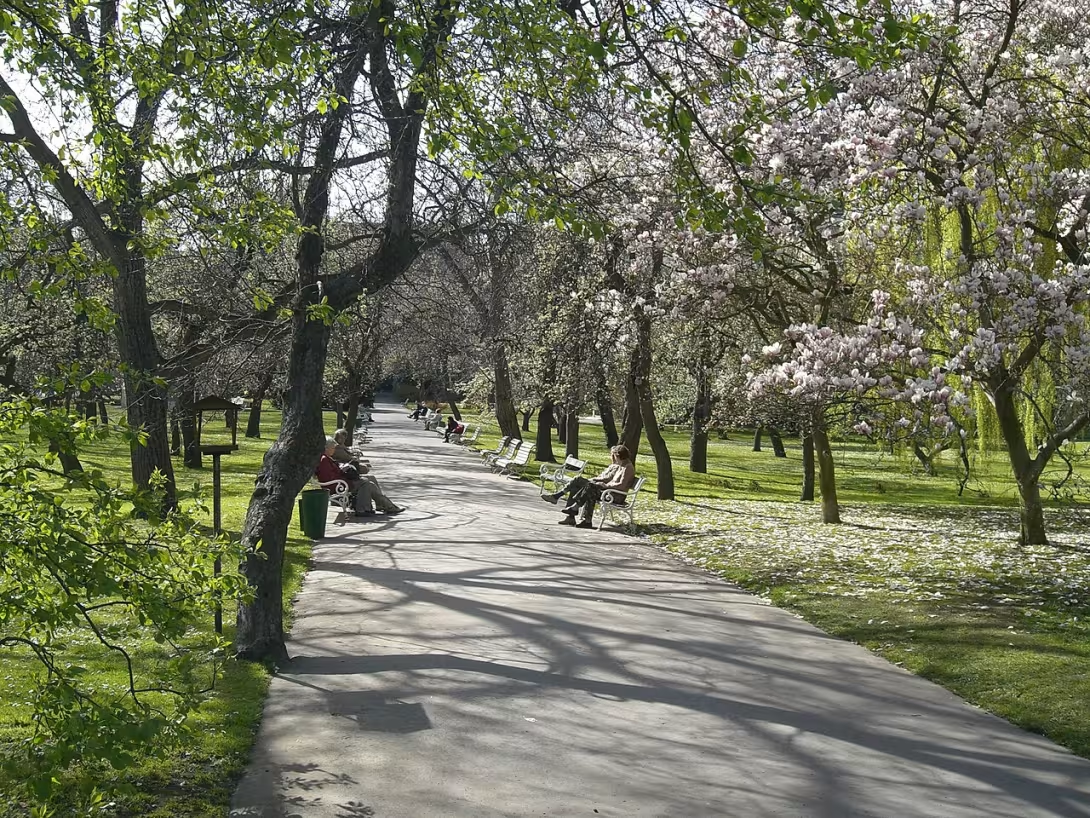

The historical appearance on the left is an AI-generated visualisation and serves as inspiration only.
Historical milestones
- 13.0
- Založení biskupského dvora.
- 17.0
- Připojení karmelitánského kláštera.
- 1743
- Postavení kaple svaté Terezie.
- 1747
- Postavení kaple sv. Jana Nepomuckého.
- 1782
- Zrušení kláštera a přeměna na park.
- 19.0
- Přestavba na anglický zahradní styl.
- 1920
- Proces sekularizace a změna využití.
- 1954
- Otevření parku veřejnosti s úpravami.
Architectural development
The park evolved from a medieval bishop's garden into a baroque convent garden in the 17th century, featuring chapels and structured plantings. In the early 19th century, it was transformed into an English-style park with winding paths and water features. The 20th century saw further changes, including secularization and modern modifications post-1954.
Historical events
17th century: The garden became part of a Carmelite convent's grounds.
1782: The convent was dissolved, leading to changes in the park's use.
1920: Secularization led to the reduction and repurposing of parts of the park.
1954: The park was opened to the public and underwent significant modifications.
Owners
Initially part of a bishop's court in the 13th century, it became associated with the Carmelite convent in the late 17th century. After the convent was dissolved in 1782, it was taken over by an institution for English girls who transformed it into an English-style park. Post-1920 secularization led to its reduction and partial repurposing. In 1954, it was opened to the public.
Points of interest
- The park's origins date back to the medieval period as part of a bishop’s court established in the 13th century, long before its association with the Carmelite convent.
- After the dissolution of the Carmelite convent in 1782, Vojanovy Sady was transformed by an institution for English girls into a park featuring winding paths and water features typical of English garden design.
- A significant change occurred in 1954 when modifications were made to open the park to the public, including the removal of some chapels and alteration of pathways.
- The park is home to three baroque chapels: a grotto dedicated to Saint Elijah with nástropní paintings, the polygonal chapel of Saint Teresa adorned with frescoes, and an altered niche chapel of Saint John Nepomuk.
- Despite various changes in ownership and purpose over centuries, Vojanovy Sady retains historical architecture alongside modern elements like an aviary known for its peacocks.
Guide
This guide is narrated by a synthetic voice generated by artificial intelligence.
Show guide text
This text was created by artificial intelligence and has not been editorially reviewed. It may contain inaccuracies.
Welcome to Vojanovy sady, a historic gem nestled in the heart of Prague's Malá Strana. As you stand here, surrounded by lush greenery and tranquil pathways, take a moment to soak in the serene atmosphere that envelops this cherished park.
The origins of Vojanovy sady stretch back to the medieval period when it was part of a bishop’s court established in the 13th century. Over time, the site evolved significantly, becoming associated with the Carmelite convent in the 17th century. This period marked the beginning of its transformation into one of Prague's oldest gardens. The park holds architectural treasures from various eras—most notably, two baroque chapels that stand as testaments to its rich history.
As you stroll through the pathways, take a moment to admire the Chapel of Saint Teresa, constructed in 1743, and the nearby Chapel of Saint John Nepomucene, built in 1747. These structures are remarkable examples of baroque architecture, with intricate details that reflect their historical significance. The park's layout was later transformed into an English-style garden at the dawn of the 19th century, offering a picturesque setting for leisurely walks.
The story of Vojanovy sady is also intertwined with notable figures such as Eduard Vojan, who played a pivotal role in its history. After the dissolution of the Carmelite convent in 1782, the park underwent significant changes. It was transformed by an institution dedicated to English girls into a more structured garden space.
One fascinating aspect of this park is its evolution from a medieval bishop’s court to a serene public garden, reflecting centuries of cultural and architectural shifts. This transformation highlights the adaptability and enduring appeal of Vojanovy sady through turbulent times.
As you continue your exploration, allow yourself to be captivated by the harmonious blend of history and nature that defines this enchanting place. Whether it's the gentle rustling of leaves or the distant echo of footsteps on cobblestones, there is much to discover here.
Thank you for joining us on this journey through Vojanovy sady. We invite you to wander further and uncover more secrets hidden within its paths. Until next time, enjoy every moment in this historic oasis.
Tips for visitors
The best time to visit Vojanovy sady is during the late spring or early autumn months when the weather is pleasant, allowing you to fully enjoy the park's natural beauty without the summer crowds or winter chill. The gardens are particularly stunning in May and September when the foliage and flowers are at their peak. Additionally, visiting on a weekday can provide a more tranquil experience compared to weekends.
It is advisable to use public transportation for convenience; tram lines and buses serve the area well, with several stops nearby. Always check current transport options online before your visit.
When visiting Vojanovy sady, it's wise to bring comfortable walking shoes as you'll likely explore the surrounding area, including nearby historical sites. A light jacket is recommended due to variable weather conditions, and don't forget a water bottle to stay hydrated while enjoying the park. For those interested in history or architecture, bringing along a guidebook or downloading an app about Prague's landmarks could enhance your visit.
For photography enthusiasts, Vojanovy sady offers several picturesque spots, especially around the Thurn-Taxis Palace and near the Ministry of Finance. The best light is typically during the golden hours—shortly after sunrise or before sunset—when the park's features are beautifully illuminated. Capturing the contrast between historical architecture and modern structures can create stunning compositions.
Nearby attractions within a 30-minute walk include the Church of St. Nicholas, known for its Baroque architecture, and the picturesque Charles Bridge, which offers excellent views of Prague Castle across the Vltava River. These sites are perfect for extending your exploration beyond the park itself. For families with children, consider visiting the nearby Petřín Lookout Tower, where a funicular ride awaits, offering panoramic views of the city.
Frequently asked questions
Can the monument be visited?
Parks and gardens are often open to the public, but some have opening hours or are part of a closed site. We have not verified the entry conditions.
What are the opening hours and admission?
We have not verified the opening hours or admission. Current information is published by the operator.
Where is the monument?
Location: Malá Strana, Hlavní město Praha. The map on this page shows the exact spot.
Businesses nearby
Do you run a restaurant, accommodation, shop, museum, rental, wellness or other visitor service near this monument? Show yourself directly to the people heading to it — this is how they will see you in the app and on the web:
Events nearby

Zdroj akcí: otevřená data měst a obcí ČR (Národní katalog otevřených dat) a kalendář akcí Národního památkového ústavu.
Nearby
Vojanovy sady is surrounded by significant buildings including the Thurn-Taxis Palace and the Ministry of Finance. The area features a mix of historical architecture and modern structures.
Accommodation nearby
Trips and activities nearby
Guided tours, tickets and activities nearby from GetYourGuide
Affiliate link: if you buy from the partner, we may receive a commission. The price for you does not change.
Search tours and activities →Themed route
Thematic Walking Tour: Vojanovy Sady and Surroundings
1. Vojanovy sady (Park) - Type: Public Park - Why Visit: Begin your tour in the charming Vojanovy sady, a serene green space nestled amidst historical architecture and modern buildings. This park offers a peaceful retreat with lush gardens and pathways perfect for leisurely strolls or picnics.
2. Thurn-Taxis Palace - Type: Historical Building - Why Visit: Just a short walk from Vojanovy sady, the Thurn-Taxis Palace is an architectural gem with its elegant Baroque style and rich history as one of Prague's oldest post offices. Explore its beautifully preserved interiors and learn about its fascinating past.
3. Ministry of Finance - Type: Government Building - Why Visit: Adjacent to the Thurn-Taxis Palace, the Ministry of Finance stands out with its striking modern design that contrasts with the historical surroundings. Its contemporary architecture and strategic location make it a must-see for those interested in urban development.
4. Palác Thun (Thun Palace) - Type: Historical Building - Why Visit: Located nearby, Palác Thun is an impressive example of Baroque architecture with its grand facade and intricate details. The palace's history as a noble residence adds to the allure, offering insights into Prague’s aristocratic past.
5. Palác Černín (Černín Palace) - Type: Historical Building - Why Visit: Conclude your tour at Palác Černín, a stunning Baroque structure known for its opulent design and historical significance as the residence of the Černín family. Its proximity to Vojanovy sady makes it an ideal endpoint to appreciate the blend of history and nature in this part of Prague.
This walking tour offers a delightful exploration of Vojanovy sady and its immediate surroundings, highlighting a mix of natural beauty and architectural splendor.
Seasonal recommendations
Spring: Vojanovy sady offer a stunning view in the spring season when the park comes alive with flowers and new foliage. The sun illuminates the green spaces for longer during the day, creating a welcoming atmosphere for strolls and relaxation on benches. This season can be somewhat challenging due to occasional morning rain or snow that rarely coincides with high temperatures. It is recommended to visit the park early in the day when there are fewer visitors and nature offers its freshness at full range.
Summer: Summer is ideal for visiting Vojanovy sady thanks to long, sunny days and warm night air. The park provides an escape from city life with its tranquil spaces perfect for snacks or picnics under the shade of old oaks. However, during peak summer season, the park may experience higher visitor frequency, so it is advisable to come early in the morning or later in the evening for a more relaxed experience. Don't forget to dress in light clothing and wear sunscreen.
Autumn: Autumn brings Vojanovy sady in stunning colors as tree leaves turn the park into various shades of yellow, orange, and red. The atmosphere is calmer than in summer, with mild temperatures ideal for long walks under sunny skies or on cool evenings. This period can also be suitable for a visit during Advent time when the park's atmosphere adds to the traditional feeling. It is recommended to wear an outer layer and possibly carry an umbrella for potential autumn showers.
Winter: Winter in Vojanovy sady offers a peaceful experience with fewer visitors and lighter crowds, ideal for quiet strolls or relaxation on a bench. The atmosphere is serene and often covered in snow, adding magic to the park. It is recommended to wear warm clothing and footwear suitable for icy surfaces.
Visualizations and artistic views


The visualisations are generated by artificial intelligence and serve as inspiration.
Photos from the area
Real photos taken near the monument


Zdroj a licence jsou uvedeny u každého snímku.
Tips from visitors
No tips yet. Be the first!
Log in and add your tip.
Sources and literature
Photos: Chmee2 / CC BY-SA 3.0, rozlišení zvýšeno umělou inteligencí — Wikimedia Commons. The author and licence also appear when you hover over the image.
Faktickým podkladem tohoto textu byl článek na Wikipedii, jehož autory jsou přispěvatelé Wikipedie. Článek je dostupný pod licencí CC BY-SA 4.0.
Location on the map

Příběhy a pověsti
Legendy, pověsti a příběhy spjaté s touto památkou

Fotografie návštěvníků
Zatím žádné fotografie. Buďte první, kdo přidá fotografii z návštěvy!
Log in a přidejte svou fotografii nebo hodnoťte.
Za ověřenou návštěvu v aplikaci získáte víc bodů — poznáme podle GPS, že jste na místě.
Reviews and comments