






Vozovna Smíchov Other
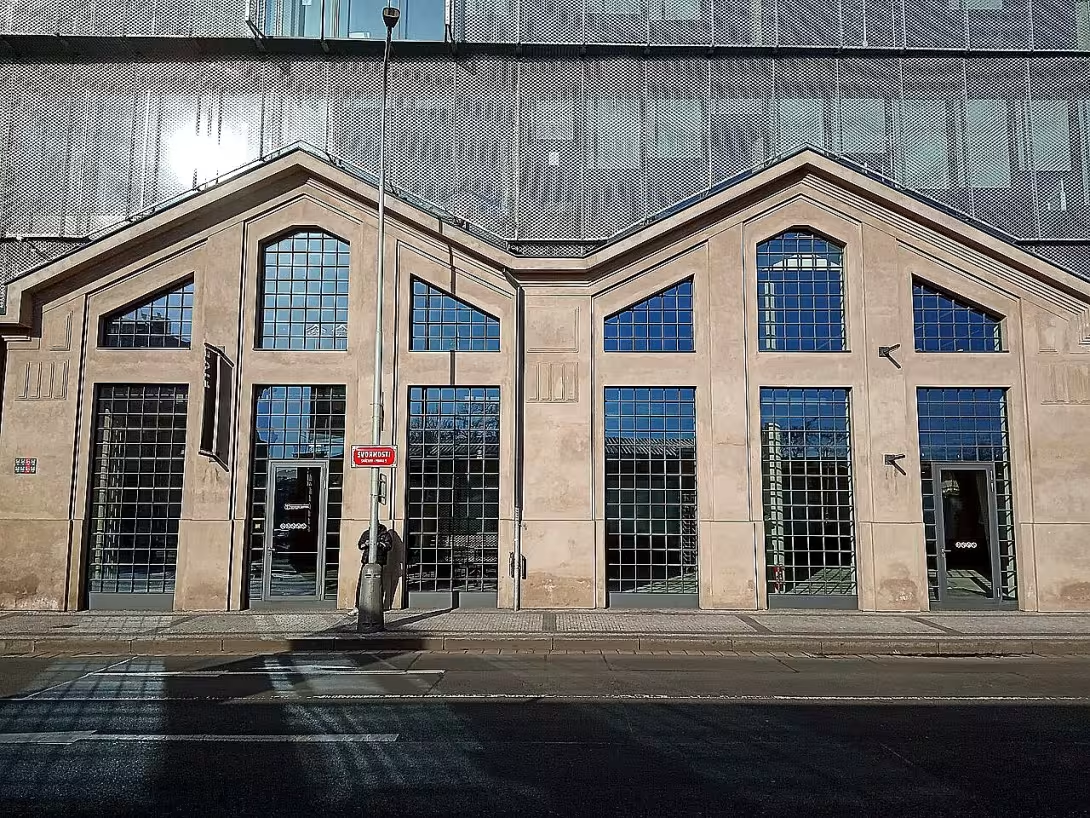
Vozovna Smíchov was a former tram and trolleybus depot in Smíchov, Prague. It served as a key component of the city's public transportation system from the late 19th century through the late 20th century. Established initially as a horse-drawn tram facility in 1883, it evolved with the electrification of Prague's transit network and eventually supported trolleybus operations before being replaced by modern development.
The site began operating on June 28, 1883, when the third horse-drawn tram depot in Prague started at Na Valentince street. Constructed by Generální ředitelství Pražské Tramwaye, it was part of the Plzeňská – Západní (Smíchovské) nádraží tram line reconstruction. The original infrastructure included a single-track branch from the station that split into two tracks at the entrance to a vehicle shed with wooden rafters and a tiled roof. It also had stables for horses and an administrative building.
In 1902, the Na Valentince track was electrified, and the depot continued serving horse-drawn trams until May 12, 1905. Despite plans in 1901 to sell the depot, Prague municipality requested cancellation due to its necessity for operations. After demolishing the original structures in 1914, a new depot by ing. Záruba-Pfeffermann opened on December 15, 1915. This building featured seven tracks arranged in two and two-thirds bays: two with three tracks each, and one integrated into existing urban development with only one track. The depot could hold 45 two-axle vehicles, leading to a new siding addition in an adjacent street in 1931.
Initially owned by Generální ředitelství Pražské Tramwaye, the depot was later managed by Elektrické podniky. Tram operations ended on December 3, 1937, after opening a new depot in Motole. However, it remained a transport hub for trolleybus line W from October 1, 1939, until October 16, 1972. After transit use ceased, the site housed Střední odborná škola a učiliště Dopravních podniků Praha starting in 1972.
In 2015, the depot was demolished for a new office building. Today, its historical presence is marked by preserved chimney and perimeter walls integrated into modern construction. These remnants connect to the area's industrial heritage and Prague's public transport evolution.
The site offers insights into urban development through these architectural elements. Visitors can find these historical markers while exploring Smíchov's contemporary cityscape.
Then and now
Drag the slider to compare how the landmark may have looked when it was built with the view today.
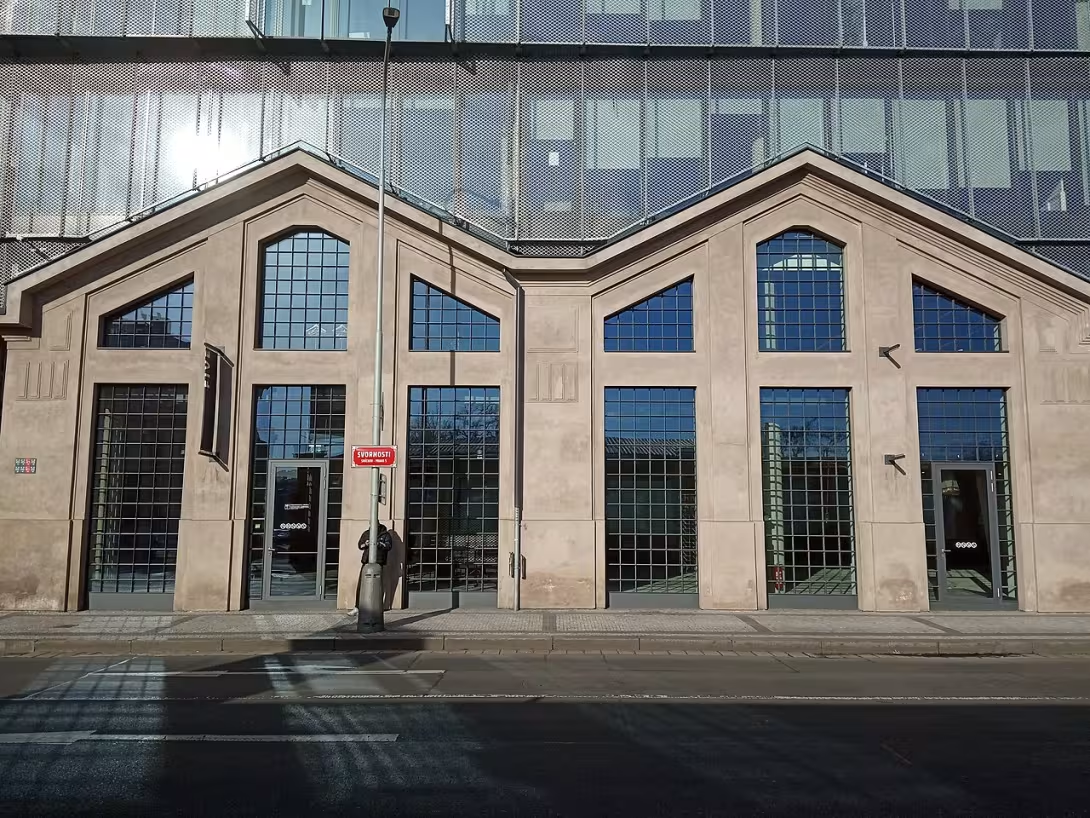
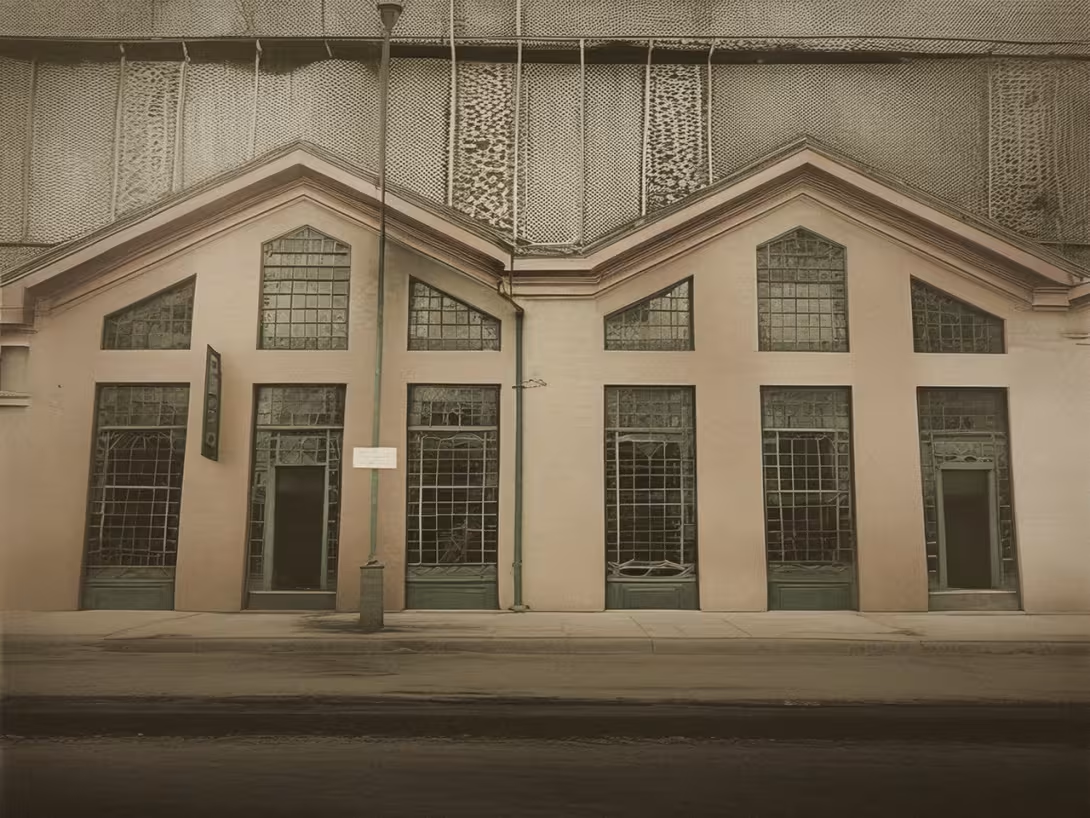
The historical appearance on the left is an AI-generated visualisation and serves as inspiration only.
Historical milestones
- 1883
- Opening of the horse-drawn tram depot at Na Valentince
- 1915
- Opening of the new depot designed by ing. Záruba-Pfeffermann
- 1937
- Termination of tram operations at the depot
- 1939
- Start of trolleybus operations for line W
- 1972
- End of transit use and conversion into a vocational school
- 2015
- Demolition of the depot for a new office building
Architectural development
Vozovna Smíchov was constructed by the architectural firm ing. Záruba-Pfeffermann in 1915, replacing an earlier tram depot. The new facility featured seven tracks and could accommodate 45 two-axle trams. Due to capacity issues, an additional siding was added in 1931.
Historical events
In 1915, the new Vozovna Smíchov was opened to replace an older tram depot.
The depot ceased tram operations in December 1937 with the opening of a new facility in Motole.
From October 1939 to October 1972, it served as a trolleybus depot.
Owners
Initially owned by Generální ředitelství Pražské Tramwaye, later managed by Elektrické podniky until its closure in 1937. Post-1972, it housed Střední odborná škola a učiliště Dopravních podniků Praha.
Points of interest
- Vozovna Smíchov was initially established as a horse-drawn tram facility in 1883 and evolved to support trolleybus operations before being replaced by modern development. - The site began operating on June 28, 1883, when the third horse-drawn tram depot in Prague started at Na Valentince street. - In 1902, the Na Valentince track was electrified, marking a transition from horse-drawn to electric trams. - After transit use ceased, the site housed Střední odborná škola a učiliště Dopravních podniků Praha starting in 1972. - The historical presence of Vozovna Smíchov is marked by preserved c
Guide
Show guide text
This text was created by artificial intelligence and has not been editorially reviewed. It may contain inaccuracies.
Welcome, dear visitor. You are standing on Na Valentince in the bustling district of Smíchov, right where the historic Vozovna Smíchov once dominated the streetscape. Before you stretches a modern office building, its glass and steel façade a clear sign of the city’s continual evolution. Yet, if you pause and let your imagination wander, you can almost hear the clatter of tram wheels and the hiss of early trolleybuses that once filled this very space with life. Take a moment to look around, feel the pulse of present‑day Prague, and let the layers of history beneath your feet begin to unfold.
The story of this site begins in the late nineteenth century, a time when Prague was still mastering the art of urban mobility. On June 28, 1883, the third horse‑drawn tram depot in the city opened its doors on Na Valentince. At that moment, the streets of Smíchov were alive with the rhythmic trot of horses pulling wooden carriages, a marvel of modernity for the era. This early depot served the growing demand for reliable public transport, linking the industrial heart of Smíchov with the rest of the capital. As the city expanded, so did its transportation needs, and the humble horse‑drawn facility soon proved insufficient for the ambitions of a rapidly modernising metropolis.
Fast forward to 1915, a pivotal year that marked the birth of the new Vozovna Smíchov. Designed by the engineering mind of ing. Záruba‑Pfeffermann, the depot replaced the aging horse‑drawn complex with a purpose‑built structure capable of handling the electric trams that were reshaping Prague’s streets. The new facility was more than just a garage; it was a hub of coordination, maintenance, and logistical planning that kept the city’s tram network running smoothly. For over two decades, the depot’s workshops buzzed with activity, its yards filled with the sleek, electric cars that whisked commuters from the historic centre to the burgeoning suburbs. In 1937, tram operations at the depot came to an end, a decision driven by the shifting patterns of urban transport and the need for newer, larger facilities elsewhere.
Yet the story did not stop there. Just two years later, in 1939, the site found a fresh purpose as the starting point for trolleybus line W. The transition from tram to trolleybus reflected a broader trend across Europe, where cities experimented with different electric propulsion systems to improve efficiency and reduce congestion. For more than three decades, the depot’s tracks and overhead wires supported the graceful glide of trolleybuses, offering residents a reliable alternative to traditional trams. This phase continued until 1972, when the depot finally ceased all transit functions and was repurposed as a vocational school, training a new generation of skilled workers for the evolving economy.
The physical form of the original depot, though now lost to demolition, was characteristic of early twentieth‑century industrial architecture. While the exact architects remain unknown, the building’s design would have featured the pragmatic, robust construction typical of utility structures of its time: sturdy walls, large arched openings for the easy movement of vehicles, and a roof that sheltered both the trams and the workers beneath. As you stand before the contemporary office block that replaced it in 2015, try to imagine the massive doors that once swung open to admit rows of tram cars, the echoing clang of metal against metal, and the rhythmic cadence of maintenance crews as they tended to the fleet. The very footprint of the current building follows the outline of the old depot, a silent homage to the industrial heritage that shaped this corner of Smíchov.
Key moments and personalities are woven into the fabric of this site, even if their names have faded from the record. The engineers and mechanics who kept the trams running were the unsung heroes of daily urban life, ensuring that workers could reach the factories along the Vltava and that shoppers could travel to the bustling markets of the city centre. The transition to trolleybuses brought a new cadre of drivers and technicians, each adapting to the nuances of overhead wiring and electric propulsion. Though we may not know their individual stories, their collective effort represents a chapter of Prague’s commitment to public service and innovation.
One particularly intriguing fact about Vozovna Smíchov is its continuous adaptation to the city’s changing transport needs. From horse‑drawn trams in 1883, to electric trams in 1915, to trolleybuses in 1939, and finally to an educational institution before giving way to modern office space, the site embodies a rare continuity of purpose: it has always been a place where movement—whether of people, vehicles, or ideas—was nurtured. This adaptability mirrors Prague’s own resilience, a city that has repeatedly reinvented itself while preserving the threads of its past.
As you take in the sleek lines of the present‑day building, consider the layers of history that lie beneath the pavement. The ground you stand on once resonated with the sounds of steam, steel, and electric currents—a testament to an era when the city’s growth was powered by ingenuity and the relentless drive to connect neighborhoods. The demolition of the depot in 2015 marked the end of a physical structure, but the memory of its contribution to Prague’s public transport network endures in the stories of those who rode its trams, worked its workshops, and watched the city evolve around it.
Before you continue your exploration of Smíchov, I invite you to reflect on how the spaces we inhabit are shaped by the needs of their time. The site of Vozovna Smíchov reminds us that even the most utilitarian buildings can become landmarks of collective experience, influencing daily life for generations. As you walk away, keep an eye out for other remnants of the city’s transport heritage—perhaps a historic tram stop, a preserved trolleybus line, or a plaque commemorating a bygone era. Each offers a glimpse into the intricate tapestry of Prague’s past.
Thank you for joining me on this brief journey through time. May the stories of the tram depot inspire you to look beyond the modern façades and discover the hidden narratives that lie beneath the streets of this remarkable city. Enjoy the rest of your visit, and let the spirit of innovation that once powered Vozovna Smíchov continue to accompany you on your own travels.
Businesses nearby
Events nearby

Zdroj akcí: otevřená data měst a obcí ČR (Národní katalog otevřených dat) a kalendář akcí Národního památkového ústavu.
Nearby
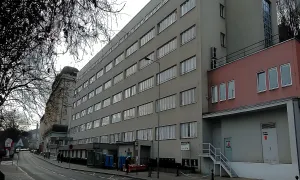
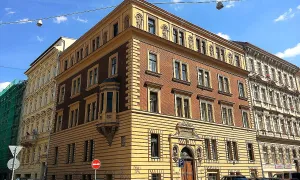
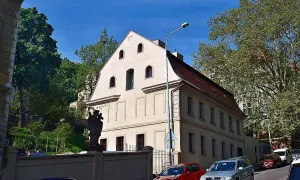
Located in Prague, Vozovna Smíchov was surrounded by urban development. Today, the area features modern office buildings and is part of a bustling cityscape.
Accommodation nearby
Trips and activities nearby
Guided tours, tickets and activities nearby from GetYourGuide
Affiliate link: if you buy from the partner, we may receive a commission. The price for you does not change.
Search tours and activities →Themed route
Thematic Walking Tour: The Industrial Heart of Smíchov
This route explores the historical and modern layers of the Smíchov district in Prague, focusing on its industrial heritage and contemporary urban transformation.
1. Vozovna Smíchov *Type:* Historical Industrial Site *Why visit:* This former tram depot serves as the primary focal point of the tour, offering a glimpse into the city’s transportation history. It stands as a testament to the engineering and operational backbone that once connected the district.
2. Modern Office Buildings *Type:* Contemporary Architecture *Why visit:* Surrounding the historic depot, these structures illustrate the dramatic shift from industrial use to a bustling business hub. They provide a striking visual contrast to the older infrastructure, highlighting the area’s rapid modernization.
3. Bustling Cityscape *Type:* Urban Environment *Why visit:* The immediate vicinity is defined by a vibrant, active atmosphere that reflects the high energy of central Prague. Walking through this area allows visitors to experience the dynamic rhythm of daily life in one of the city’s most developed zones.
4. Urban Development Zones *Type:* Mixed-Use District *Why visit:* These areas showcase how the former industrial footprint has been integrated into the broader urban fabric. They offer a perspective on how historical sites coexist with new residential and commercial spaces in a dense metropolitan setting.
5. Smíchov Local Area *Type:* Neighborhood Context *Why visit:* As the specific locality housing these landmarks, this area provides the essential context for understanding the site’s significance. It connects the specific points of interest into a cohesive narrative of local identity and change.
This itinerary is designed to be walked at a leisurely pace, allowing time to observe the architectural details and the interplay between past and present in this specific part of Prague. The proximity of these elements means the entire tour can be completed in a short walk, making it an efficient way to appreciate the district’s unique character.
Seasonal recommendations
Spring: Visiting the site of Vozovna Smíchov (ostatní) during spring offers a unique experience as nature begins to awaken. The area surrounding the former location is often adorned with budding flowers and fresh greenery, creating an inviting atmosphere for exploration. With longer daylight hours, it's an ideal time to appreciate any remaining architectural remnants or historical markers that tell the story of this site. Visitors should be prepared for unpredictable weather; thus, wearing layers is advisable. Early mornings are best for a quieter visit before crowds gather, allowing you to enjoy the serene transformation of the landscape.
Summer: Summer at Vozovna Smíchov (ostatní) brings vibrant energy and bustling activity as people flock to outdoor spaces. The warm weather enhances the appeal of nearby parks and recreational areas, making it perfect for a leisurely stroll or picnic after exploring the site's historical context. Due to increased visitor numbers during this peak season, arriving early in the day is recommended to avoid crowds. Light, breathable clothing and sun protection are essential to stay comfortable under the summer sun.
Autumn: Autumn offers a picturesque setting at Vozovna Smíchov (ostatní) with its rich tapestry of changing leaves and cooler temperatures. The site's surroundings become particularly enchanting as foliage turns into shades of orange, red, and gold, providing a stunning backdrop for photography or reflection on the area's history. This season is ideal for those who prefer fewer crowds and enjoy the crisp air that autumn brings. Layered clothing will ensure comfort during fluctuating temperatures throughout the day.
Winter: Winter transforms Vozovna Smíchov (ostatní) into a quiet, contemplative space as snow blankets the area, adding a layer of tranquility to its historical significance. The shorter days and colder weather mean fewer visitors, allowing for a more intimate exploration of any remaining structures or plaques that commemorate this site. It's important to dress warmly in thermal layers, hats, gloves, and sturdy footwear suitable for potentially icy conditions. Early visits are advisable due to limited daylight hours, ensuring you can fully appreciate the serene winter landscape.
Visualizations and artistic views


The visualisations are generated by artificial intelligence and serve as inspiration.
Photos from the area
Real photos taken near the monument


Zdroj a licence jsou uvedeny u každého snímku.
Tips from visitors
No tips yet. Be the first!
Log in and add your tip.
Sources and literature
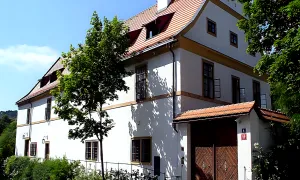
Fotografie: JiriMatejicek / CC BY-SA 4.0 — Wikimedia Commons. The author and licence also appear when you hover over the image.
Faktickým podkladem tohoto textu byl článek na Wikipedii, jehož autory jsou přispěvatelé Wikipedie. Článek je dostupný pod licencí CC BY-SA 4.0.
Location on the map
Příběhy a pověsti
Legendy, pověsti a příběhy spjaté s touto památkou
Fotografie návštěvníků
Zatím žádné fotografie. Buďte první, kdo přidá fotografii z návštěvy!
Přihlaste se a přidejte svou fotografii nebo hodnoťte.
Za ověřenou návštěvu v aplikaci získáte víc bodů — poznáme podle GPS, že jste na místě.
Reviews and comments