



zámek Borovnice Chateau
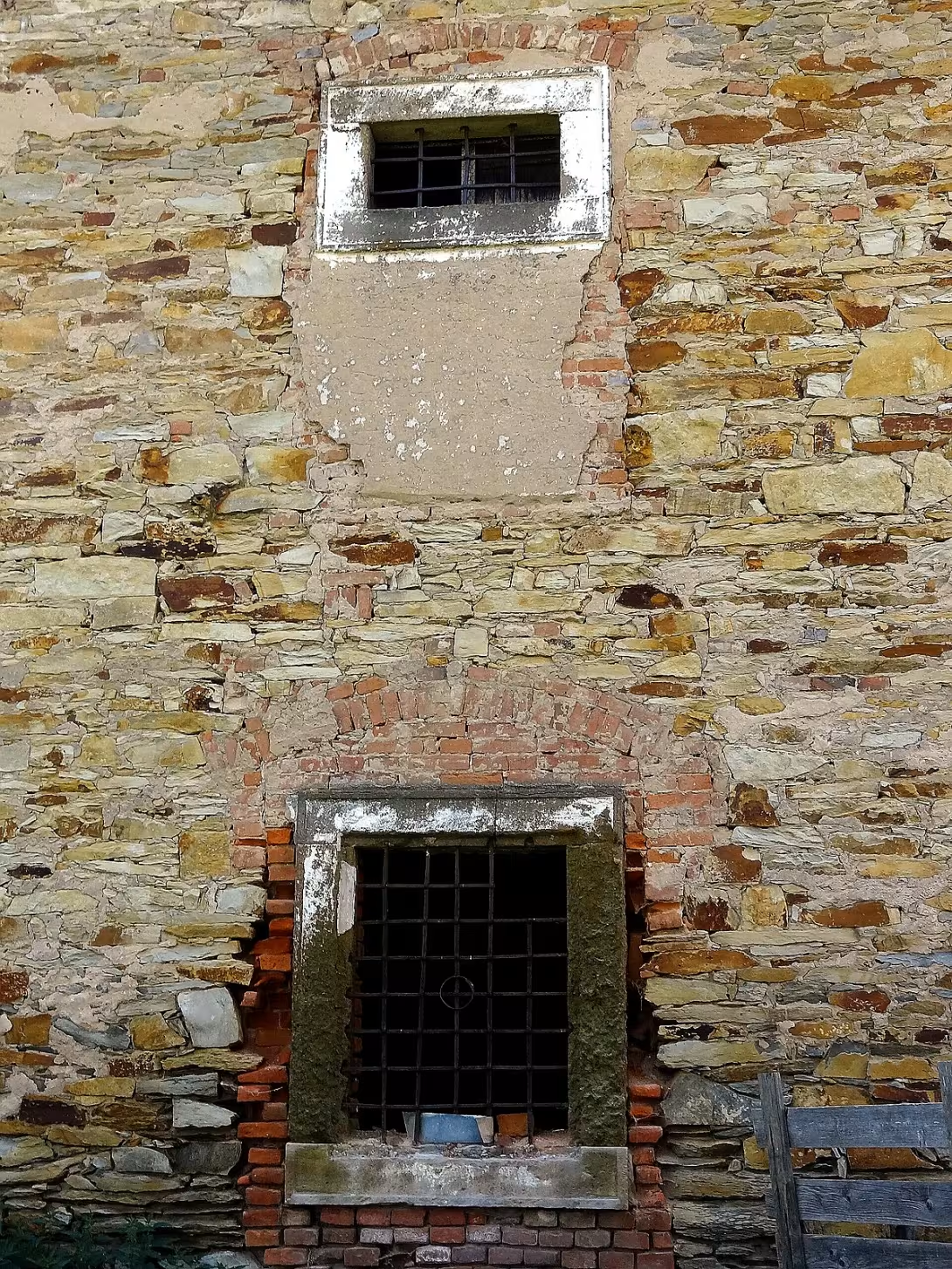
Objekt se nedochoval — na místě dnes nestojí. Následující text popisuje jeho historii, ne současnou návštěvu.
Zámek Borovnice is a notable Baroque estate in the village of Borovnice, within the Rychnov nad Kněžnou district. Built between 1653 and 1688, it replaced an earlier fortress from the late 15th century that was abandoned due to unsuitability and damage from the Thirty Years' War.
The castle's historical development is significant, particularly under Terezie Eleonora Alžběta z Ugarte, who expanded and enriched the estate with cultural and religious projects. Following the devastation of the Thirty Years' War, Bohemia underwent reconstruction. The original fortress, owned by Jan Petr Hoberk z Hennersdorfu, was deemed inadequate in the mid-17th century.
Between 1653 and 1688, a new Baroque-style castle emerged on this site, featuring typical rural estate elements such as a courtyard and garden. Its architecture reflects its functional design suitable for a smaller rural seat with necessary agricultural facilities.
Under Terezie Eleonora Alžběta z Ugarte's ownership from 1688 to 1705, the estate underwent significant development. She expanded the property by acquiring Velká Lhota u Chocně and initiated the construction of a pilgrimage site dedicated to Panna Marie Bolestná on Homole hill between 1692 and 1696.
Notable figures in Zámek Borovnice's history include Jan Petr Hoberk z Hennersdorfu, who initially owned the earlier fortress. Terezie Eleonora Alžběta z Ugarte was its most influential owner, marking a period of cultural and religious enrichment. Her efforts included establishing a large wooden school in 1692 that served children from ten villages, demonstrating her commitment to education and community welfare.
Key events include the construction of the pilgrimage site around a chapel dedicated to Panna Marie Bolestná, reflecting Terezie Eleonora Alžběta z Ugarte's piety and influence. Her legacy is preserved in local legends and stories that continue to circulate in the region.
Today, Zámek Borovnice stands as a testament to its historical significance and cultural heritage. While it may not be accessible for public tours, its rich history makes it an intriguing site worth exploring for those interested in Baroque architecture and Bohemian noble life. Visitors are invited to delve into the stories of its past owners and their contributions to the local community, offering a glimpse into the region's historical tapestry.
Then and now
Drag the slider to compare how the landmark may have looked when it was built with the view today.

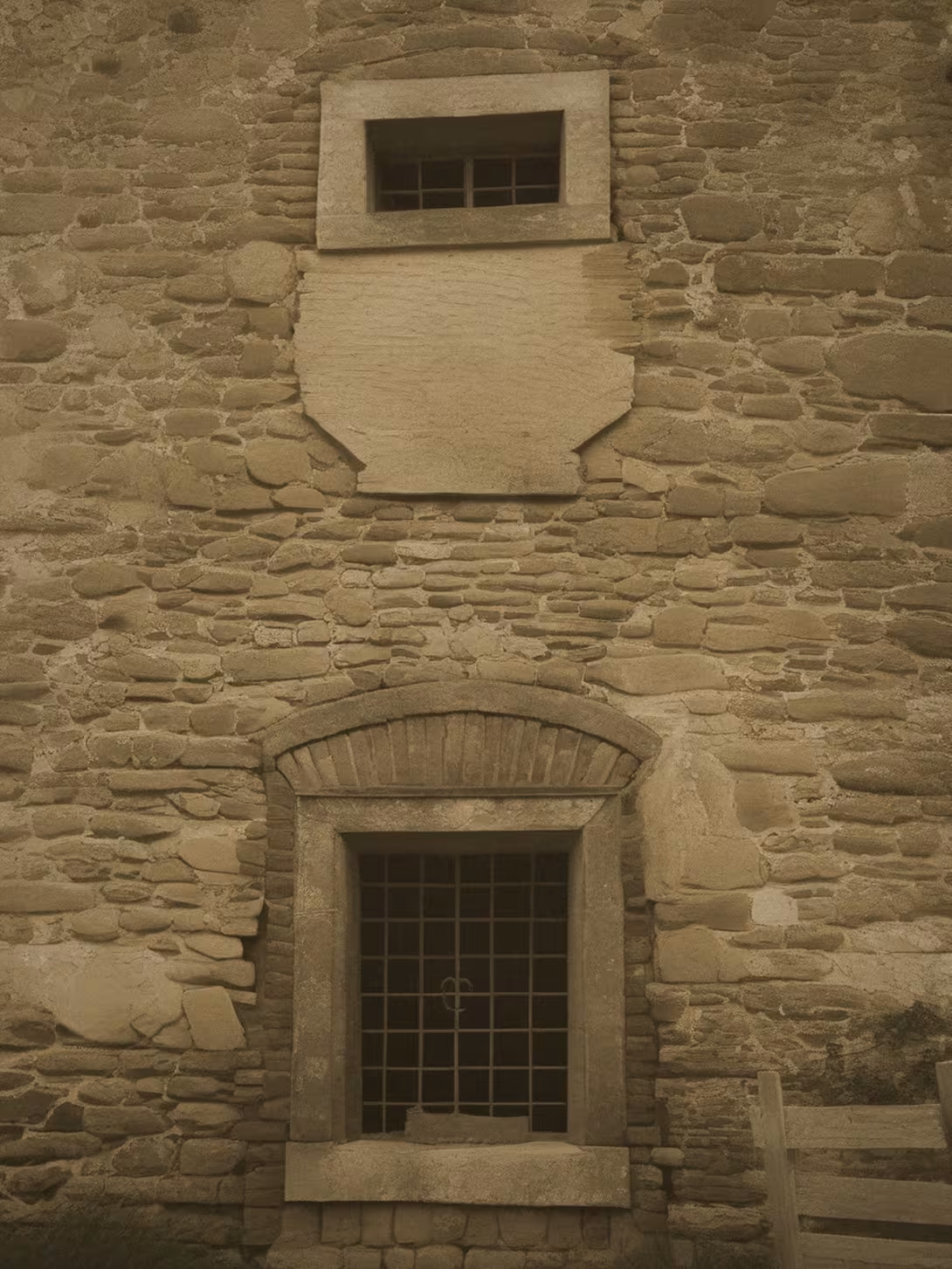
The historical appearance on the left is an AI-generated visualisation and serves as inspiration only.
Historical milestones
- 1692
- Construction began for a pilgrimage site around a chapel dedicated to Panna Marie Bolestná.
Architectural development
The castle was built in a baroque style after the original fortress was abandoned. It featured typical rural estate elements such as a courtyard and garden. Terezie Eleonora Alžběta z Ugarte further developed the site, including the construction of a pilgrimage site dedicated to Panna Marie Bolestná on Homole hill.
Historical events
- 1653-1688
- Construction of the current castle following the abandonment of an earlier fortress.
- 1688
- Purchase by Terezie Eleonora Alžběta z Ugarte, who expanded and developed the estate.
Points of interest
- The transformation of Zámek Borovnice from a fortress to a Baroque estate is a testament to the architectural evolution during post-war reconstruction in Bohemia after the Thirty Years' War. This shift reflects broader trends in European architecture, where functionality and aesthetics began to merge.
- Terezie Eleonora Alžběta z Ugarte's initiative to build a large wooden school in 1692 highlights her progressive approach towards education, which was quite advanced for that period. Her efforts ensured that children from ten surrounding villages had access to learning, showcasing an early form of community development and social responsibility.
- The pilgrimage site dedicated to Panna Marie Bolestná on Homole hill is not only a religious landmark but also a cultural one, illustrating the blend of spirituality and landscape in Baroque-era Bohemia. This site reflects how nobility used architecture to express piety while simultaneously enhancing their estates' prestige.
- Zámek Borovnice's history includes an intriguing tale about its original fortress being abandoned due to unsuitability and damage from the Thirty Years' War, a common fate for many structures of that era. The transition from military fortification to a residential estate symbolizes peace and stability returning to the region after prolonged conflict.
- Despite not being open for public tours today, Zámek Borovnice's legacy lives on through local legends and stories about its past owners, particularly Terezie Eleonora Alžběta z Ugarte. These tales often emphasize her role as a cultural patron and community leader, preserving the memory of her contributions to the region’s historical tapestry.
Guide
This guide is narrated by a synthetic voice generated by artificial intelligence.
Show guide text
This text was created by artificial intelligence and has not been editorially reviewed. It may contain inaccuracies.
Borovnice Castle stood on the edge of the village of Borovnice near Potštein, in the district of Rychnov nad Kněžnou. Until its disappearance in the twentieth century, it was a typical small rural manor with economic facilities, that is to say with a courtyard and a garden.
It was probably built between 1653 and 1688 opposite an older fortress from the end of the fifteenth century. That fortress stood on the eastern side of the noble's court and together with it was originally protected by water: ditches, a stream and a pond. The fortress was unsuitable and most likely damaged by the Thirty Years' War. In the middle of the seventeenth century, it was therefore abandoned and gradually fell into ruin. On its site today there allegedly stands a house with the address number ten.
At that time the estate was owned by a minor nobleman, Jan Petr Hoberk of Hennersdorf. On April 30th, 1688, it was purchased from him by a widow, Countess Terezie Eleonora Alžběta of Ugarte, born imperial countess of Žďár, for sixty thousand guilders. The domain allegedly consisted of six villages with three noble courts. In 1690, the countess expanded it with the village and fortress of Velká Lhota near Chocně, and the domain thus acquired a more permanent form.
The countess came from a wealthy Catholic family of counts of Žďár and through her mother from the Martinic family. She was the granddaughter of the defenestrated regent Jaroslav Bořita of Martinic. She was pious and enterprising and tried to advance the domain economically, religiously and culturally. Her husband, General Petr of Ugarte, died in 1679. After his death, she left the castle in Velké Meziříčí and the Viennese court, and chose the rural Borovnice as her main residence. She was close from here to Kostelec nad Orlicí, where her only surviving daughter Marie Maxmiliána lived, married Zárubová of Hustířan. And she came to love the local countryside.
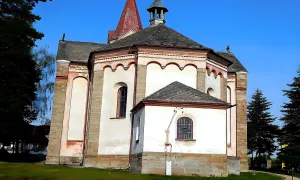
On the nearby hill of Homole, she had a pilgrimage complex built around the small Church of Our Lady of Sorrows between 1692 and 1696, and she personally supervised the construction. She was also inspired by the more famous pilgrimage site of her sister in Chlumek near Luže. Beneath Homole, she already had a large wooden school built in 1692, and she maintained it herself along with the teacher. Children from ten villages allegedly attended it.
The countess died in 1705 at her daughter's place in Kostelec and according to her wishes was buried on Homole. Several legends about her are still told in the region today.
Businesses nearby
Do you run a restaurant, accommodation, shop, museum, rental, wellness or other visitor service near this monument? Show yourself directly to the people heading to it — this is how they will see you in the app and on the web:
Events nearby
Zdroj akcí: otevřená data měst a obcí ČR (Národní katalog otevřených dat) a kalendář akcí Národního památkového ústavu.
Nearby
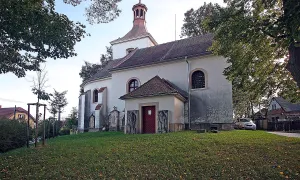
The castle is located near Kostelec nad Orlicí, with its surrounding landscape featuring hills like Homole. The area includes natural features such as ponds and streams that historically provided defense.
Visualizations and artistic views


The visualisations are generated by artificial intelligence and serve as inspiration.
Photos from the area
Real photos taken near the monument


Zdroj a licence jsou uvedeny u každého snímku.
Tips from visitors
No tips yet. Be the first!
Log in and add your tip.
Sources and literature
Faktickým podkladem tohoto textu byl článek na Wikipedii, jehož autory jsou přispěvatelé Wikipedie. Článek je dostupný pod licencí CC BY-SA 4.0.
Location on the map

Příběhy a pověsti
Legendy, pověsti a příběhy spjaté s touto památkou
Fotografie návštěvníků
Zatím žádné fotografie. Buďte první, kdo přidá fotografii z návštěvy!
Log in a přidejte svou fotografii nebo hodnoťte.
Za ověřenou návštěvu v aplikaci získáte víc bodů — poznáme podle GPS, že jste na místě.
Reviews and comments