



zámek Veleslavín Chateau
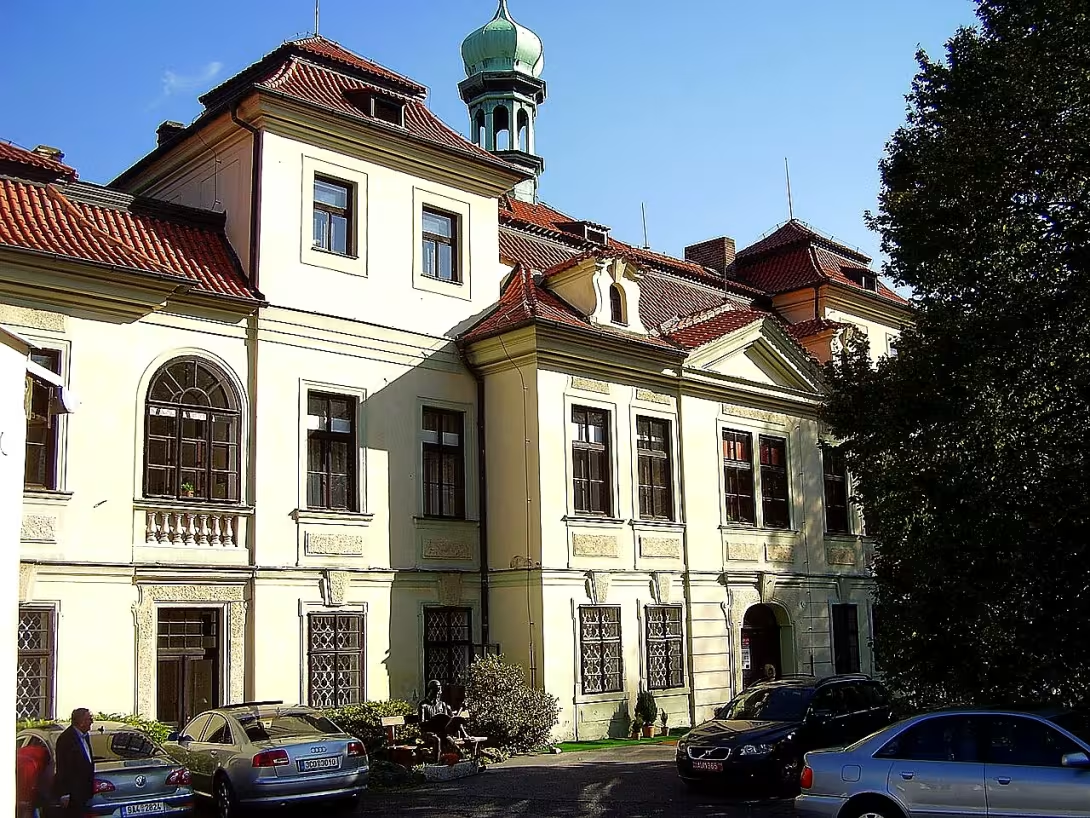
Zámek Veleslavín is a baroque building located in Prague's Veleslavín district, notable for its historical significance and architectural beauty. Constructed between 1730 and 1750, it features six masonry structures surrounded by gardens and parks. Recognized as a cultural monument since its inception, the estate has served various roles throughout history, including as a private sanatorium for nervous and pulmonary diseases.
The origins of Zámek Veleslavín trace back to the late 18th century when it was built in the baroque style, likely under Kilián Ignác Dientzenhofer's architectural guidance. The construction occurred during Bohemia's time within the Habsburg Monarchy under Empress Maria Theresa, reflecting the era's cultural and artistic preferences across Europe. Initially, the site served as a central feature in a village with lands belonging to the Břevnovský monastery. Over time, it transitioned through various ownerships, including císařovna Alžběta Kristýna Brunšvicko-Wolfenbüttelská and later MUDr. Leo Kosák and MUDr. Oskar Fischer.
Architecturally, Zámek Veleslavín is distinguished by its baroque style with possible contributions from Kilián Ignác Dientzenhofer. In the early 20th century, it was expanded with short neo-baroque wings, enhancing its historical and architectural significance. Over time, several economic buildings were demolished, leaving only the main structures that define its current appearance.
Ownership of Zámek Veleslavín has seen dramatic changes throughout history. Initially linked to the Břevnovský monastery, it later became part of císařovna Alžběta Kristýna Brunšvicko-Wolfenbüttelská's possessions in the 1730s. In 1912, MUDr. Leo Kosák and MUDr. Oskar Fischer acquired it to establish a private sanatorium. The Nazi regime seized the property in 1939, leading to significant events during World War II. Post-war, the estate was transferred to Československý stát in 1951 and has since been under the ownership of Úřad pro zastupování státu ve věcech majetkových.
Throughout its history, Zámek Veleslavín has witnessed several key events. During the Prussian siege of Prague in 1763, it is assumed that military leadership resided there. In the early 20th century, it served as a private sanatorium where notable figures such as Milena Jesenská treated her morphine addiction and Rainer Maria Rilke visited during his time.
Today, Zámek Veleslavín stands as a cultural monument in Prague, owned by Úřad pro zastupování státu ve věcech majetkových. Although currently unused and locked up, its historical significance and architectural beauty make it a site worth visiting. The estate's gardens and parks offer a glimpse into the past, inviting visitors to explore its rich history and appreciate its enduring legacy.
Zámek Veleslavín is not just an architectural marvel but also a testament to Prague's dynamic history. Its preservation as a cultural monument ensures that future generations can continue to learn from and be inspired by this remarkable site. Visitors are encouraged to explore its grounds, where the echoes of history blend with the serene beauty of its gardens and parks.
Then and now
Drag the slider to compare how the landmark may have looked when it was built with the view today.
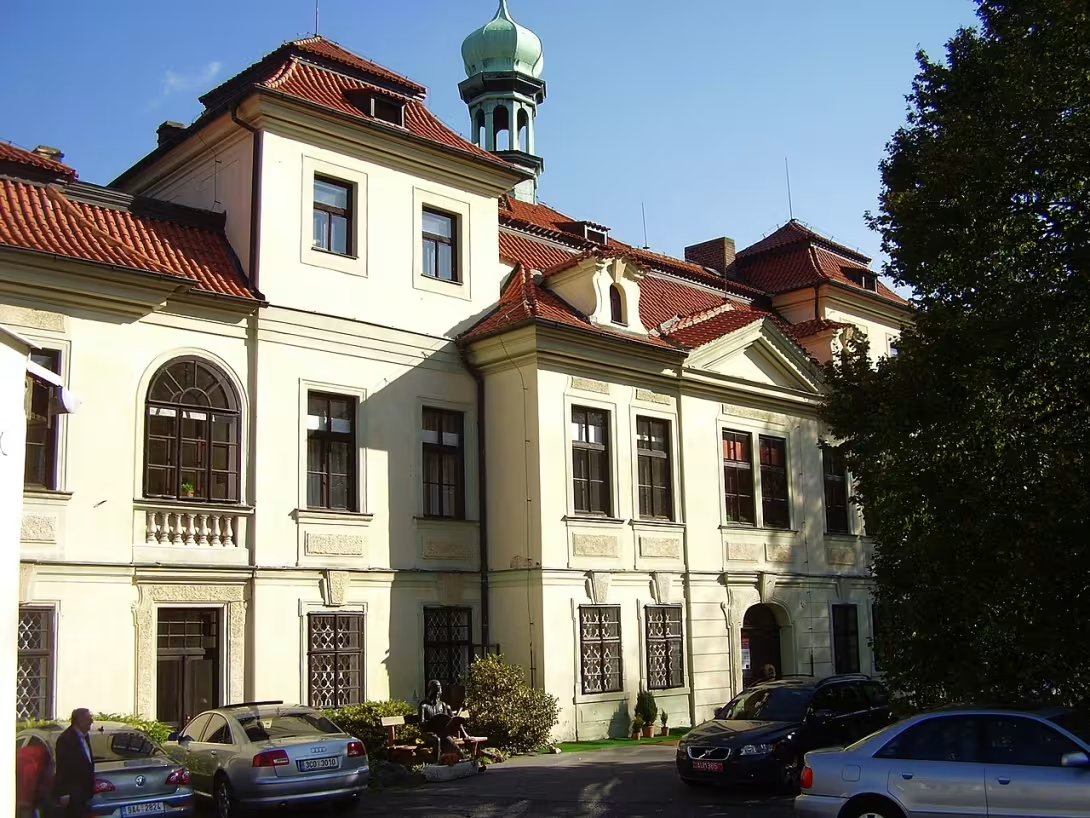
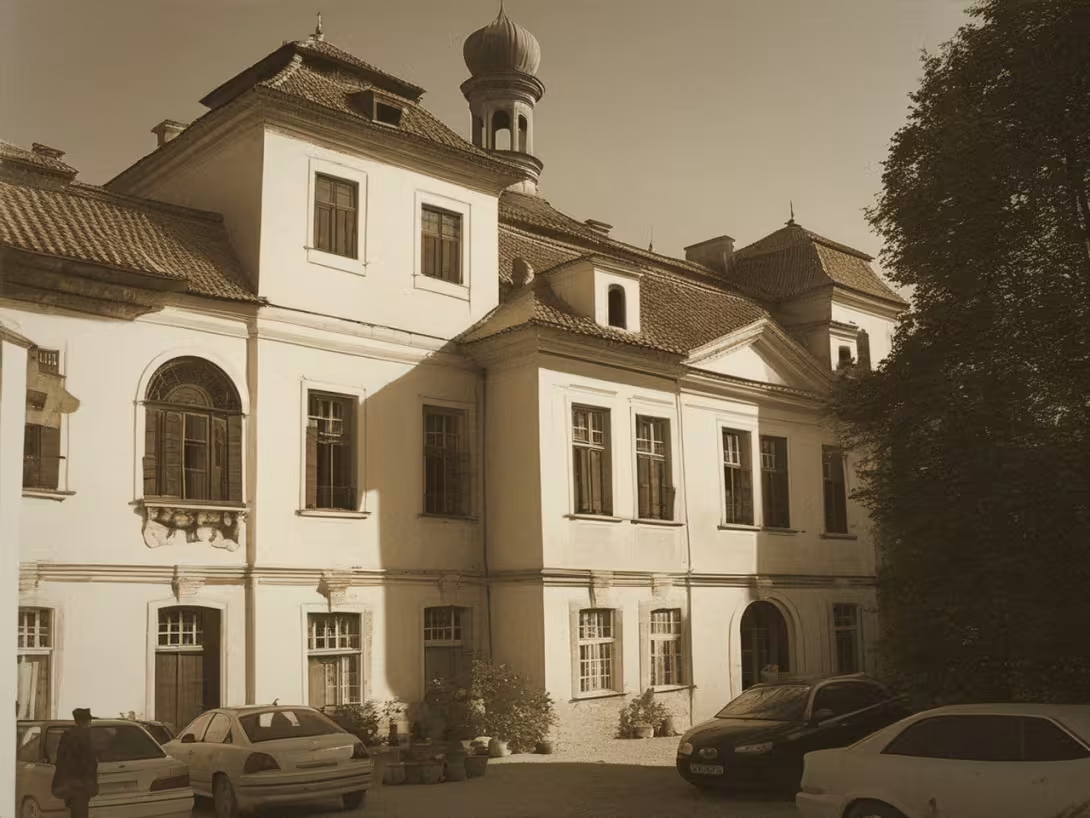
The historical appearance on the left is an AI-generated visualisation and serves as inspiration only.
Historical milestones
- 1730
- Zámek Veleslavín construction began.
- 1750
- Construction of Zámek Veleslavín completed.
- 1763
- Assumed military leadership presence during Prussian siege.
- 1912
- Acquired by MUDr. Leo Kosák and MUDr. Oskar Fischer for sanatorium.
- 1939
- Property seized by Nazi regime during WWII.
- 1951
- Transferred to Československý stát post-WWII.
Architectural development
The original baroque structure was built in the late 18th century, with possible architectural plans by Kilián Ignác Dientzenhofer. In the early 20th century, the castle was expanded with short neo-baroque wings. Over time, several economic buildings were demolished.
Historical events
Baroque construction completed between 1730 and 1750.
Served as a private sanatorium in the early 20th century.
Nazi regime seized the property in 1939.
Owners
Císařovna Alžběta Kristýna Brunšvicko-Wolfenbüttelská (1730s)
MUDr. Leo Kosák and MUDr. Oskar Fischer (1912)
Nazi regime (1939-1945)
Československý stát (1951 onwards)
Úřad pro zastupování státu ve věcech majetkových (current)
Points of interest
- Although Zámek Veleslavín is recognized for its baroque architecture, it underwent a significant transformation in the early 20th century with the addition of short neo-baroque wings, blending different architectural styles.
- During World War II, the estate was seized by the Nazi regime in 1939. This period marked a tumultuous chapter in its history, reflecting broader geopolitical upheavals impacting Prague and Bohemia.
- The zámek's gardens and parks are not only aesthetically pleasing but also historically significant. They have survived various ownership changes and architectural modifications, offering a living connection to the estate’s past.
- In 1912, MUDr. Leo Kosák and MUDr. Oskar Fischer acquired Zámek Veleslavín with the intention of establishing it as a private sanatorium for nervous and pulmonary diseases, highlighting its role in early 20th-century healthcare practices.
- The estate once hosted notable figures such as Milena Jesenská during her treatment for morphine addiction and poet Rainer Maria Rilke, underscoring its cultural significance beyond architectural beauty.
Guide
This guide is narrated by a synthetic voice generated by artificial intelligence.
Show guide text
This text was created by artificial intelligence and has not been editorially reviewed. It may contain inaccuracies.
Welcome to Zámek Veleslavín, a remarkable baroque gem nestled in the heart of Prague's Veleslavín district. As you stand here, take a moment to absorb the serene beauty that surrounds you: lush gardens and expansive parks enveloping six elegant masonry structures, each whispering tales from centuries past.
Our journey through time begins in the early 18th century. Construction of Zámek Veleslavín commenced in 1730 under the probable guidance of architect Kilián Ignác Dientzenhofer. By 1750, this architectural marvel was complete, its baroque elegance already capturing imaginations and setting a precedent for future transformations.
As you explore further, notice how the estate's architecture harmoniously blends with nature. The short neo-baroque wings added in the early 20th century seamlessly integrate with the original structures, creating an intriguing juxtaposition of styles that beckons closer inspection.
Throughout its storied history, Zámek Veleslavín has been a silent witness to significant events and notable figures. In 1763, it assumed military importance during the Prussian siege. Later, in 1912, MUDr. Leo Kosák and MUDr. Oskar Fischer acquired the estate, transforming it into a private sanatorium for those seeking respite from nervous and pulmonary ailments.
The narrative takes a darker turn with the onset of World War II. In 1939, the Nazi regime seized this cultural monument, marking a period of turmoil that would eventually lead to its post-war restitution in 1951 by Československý stát.
Among those who have graced these grounds are illustrious figures like Alžběta Kristýna Brunšvicko-Wolfenbüttelská, Marie Terezie, and the poet Rainer Maria Rilke. Their presence adds a layer of cultural richness to this historic site.
Now, let us delve into an intriguing aspect: despite its baroque roots, Zámek Veleslavín underwent significant transformations in the early 20th century with the addition of neo-baroque elements. This blending of styles not only reflects changing architectural tastes but also underscores the estate's ability to adapt and evolve over time.
As we conclude our auditory tour, I invite you to continue exploring this captivating site. Let your curiosity guide you through its gardens and structures, each corner holding a story waiting to be discovered. Thank you for joining us at Zámek Veleslavín, where history and beauty intertwine in perfect harmony.
Tips for visitors
The best time to visit Zámek Veleslavín is during the late spring or early autumn months, when the gardens are lush with flowers and the weather is pleasant for exploring both indoors and outdoors. These seasons offer optimal conditions for enjoying the baroque architecture and natural beauty of the surrounding parks without the crowds typical of summer peak tourist season.
Always verify current transport links using an online search tool.
When planning your visit, consider bringing comfortable walking shoes as you'll likely explore both the interior of the castle and its extensive gardens. A hat and sunscreen are recommended if visiting during sunny days to protect against sun exposure while enjoying outdoor areas. Additionally, carrying a water bottle can help stay hydrated throughout your exploration.
For photography enthusiasts, Zámek Veleslavín offers several picturesque spots with beautiful lighting conditions in the early morning or late afternoon when the sunlight is softer and more flattering for capturing the baroque architecture and garden landscapes. The natural features like Hradní potok provide unique backdrops for photos, especially during golden hour.
Nearby attractions within a 30-minute walk include several streets that offer charming local shops and cafes in the residential area surrounding Zámek Veleslavín. These spots are perfect for a leisurely stroll or a break after exploring the castle grounds.
Frequently asked questions
Can the monument be visited?
Some buildings of this kind are open for guided tours, others serve another purpose or are privately owned. We have not verified whether and when this monument is open – please ask the operator.
What are the opening hours and admission?
We have not verified the opening hours or admission. Current information is published by the operator.
Where is the monument?
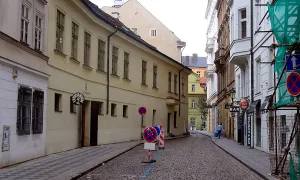
Location: Veleslavínská 1/30, Veleslavín, Praha, Hlavní město Praha. The map on this page shows the exact spot.
Why is the monument protected?
It is listed in the Central List of Cultural Monuments of the Czech Republic as a cultural monument (register no. 40548/1-1527).
Businesses nearby
Do you run a restaurant, accommodation, shop, museum, rental, wellness or other visitor service near this monument? Show yourself directly to the people heading to it — this is how they will see you in the app and on the web:
Events nearby

Zdroj akcí: otevřená data měst a obcí ČR (Národní katalog otevřených dat) a kalendář akcí Národního památkového ústavu.
Nearby
The estate is bordered by natural features like Hradní potok and includes gardens and parks. It is located in a residential area of Prague with several streets surrounding it.
Accommodation nearby
Trips and activities nearby
Guided tours, tickets and activities nearby from GetYourGuide
Affiliate link: if you buy from the partner, we may receive a commission. The price for you does not change.
Search tours and activities →Themed route
Tematická výletní trasa zámek Veleslavín
1. Zámek Veleslavín
Typ: Historický zámek
Proč stojí za návštěvu: Zámek Veleslavín je krásnou reprezentací českého baroka a klasicismu. Jeho historie sahá do 16. století, kdy byl založen jako sídlo významné rodiny. Dnes hostuje místní muzeum s expozicemi o historii obce a okolí. Je to ideální místo pro ty, kdo se zajímají o architekturu a historii.
2. Zahrady a parky zámku
Typ: Zahrada a park
Proč stojí za návštěvu: Okolo zámku se rozprostírají krásné zahrady a parky, které nabízejí klidnou procházku v přírodě. Hradní potok průběžně tekoucí skrz park poskytuje idylický pohled a je ideálním místem pro relaxaci či fotografování.
3. Hradní potok
Typ: Přirozená vodní trasa
Proč stojí za návštěvu: Hradní potok, který obklopuje zámek a jeho parky, je krásnou přírodní atrakcí. Jeho mírné průtoky a okolní vegetace vytvářejí klidné a pohodlné prostředí pro procházky či pikniky.
4. Nádvoří zámku
Typ: Historické nádvoří
Proč stojí za návštěvu: Nádvoří zámku je centrem jeho historie a architektury, nabízející pohled na barokní fasády a klasicistní prvky. Je to ideální místo pro pochopení celkového vzhledu a ducha zámku.
Tato trasa nabízí kombinaci historických, kulturních i přírodních atrakcí, což ji činí perfektní volbou pro každého návštěvníka, který chce objevit zámek Veleslavín a jeho okolí.
Seasonal recommendations
Spring: Visiting Zámek Veleslavín during spring offers a refreshing experience as nature awakens around the historic site. The castle grounds are adorned with blooming flowers and lush greenery, creating a picturesque setting under the soft glow of longer daylight hours. This season is ideal for photography enthusiasts looking to capture vibrant landscapes. Visitors should dress in layers to accommodate fluctuating temperatures and be prepared for occasional rain showers that can enhance the verdant scenery. While the crowds are generally moderate, arriving early in the morning can provide a more tranquil experience before larger groups gather.
Summer: Summer at Zámek Veleslavín is marked by vibrant light and lively atmospheres as Prague's central location draws many tourists. The castle grounds become an enchanting backdrop for picnics or leisurely strolls amidst blooming gardens. This season sees the highest visitor numbers, so it’s advisable to arrive early in the day to avoid long lines and explore the site more comfortably. Lightweight, breathable clothing is recommended due to warm temperatures, along with sun protection such as hats and sunscreen. The extended daylight hours offer ample time for exploration, making summer a popular choice for those wanting to experience Prague's rich history.
Autumn: Autumn at Zámek Veleslavín offers a serene escape with its palette of fiery reds, oranges, and yellows painting the castle’s surroundings. The cooler temperatures and crisp air make it an ideal time for leisurely walks through the picturesque grounds. This season is less crowded compared to summer, providing a more peaceful visit. Visitors should dress warmly in layers as temperatures can drop significantly, especially later in the day. Carrying a light jacket or sweater will ensure comfort during your exploration of this historic site amidst the autumnal splendor.
Winter: Winter transforms Zámek Veleslavín into a magical retreat with its snow-covered landscapes and festive atmosphere, particularly during the holiday season. The castle takes on an enchanting charm under soft winter lighting, offering unique photo opportunities against the backdrop of Prague’s historical architecture. Visitor numbers tend to be lower compared to other seasons, allowing for a more intimate experience. It's important to dress warmly in layers, including hats and gloves, as temperatures can be quite cold.
Visualizations and artistic views


The visualisations are generated by artificial intelligence and serve as inspiration.
Photos from the area
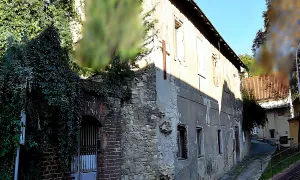
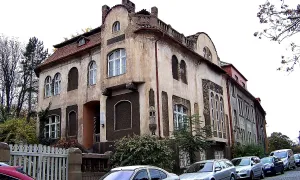
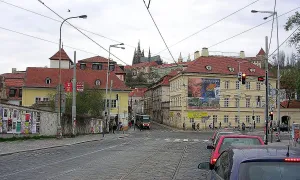
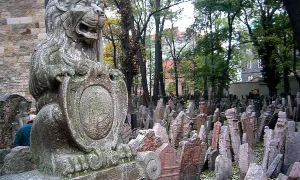
Real photos taken near the monument


Zdroj a licence jsou uvedeny u každého snímku.
Tips from visitors
No tips yet. Be the first!
Log in and add your tip.
Sources and literature
Photos: Aktron / CC BY-SA 4.0 — Wikimedia Commons. The author and licence also appear when you hover over the image.
Faktickým podkladem tohoto textu byl článek na Wikipedii, jehož autory jsou přispěvatelé Wikipedie. Článek je dostupný pod licencí CC BY-SA 4.0.
Location on the map
Příběhy a pověsti
Legendy, pověsti a příběhy spjaté s touto památkou
Fotografie návštěvníků
Zatím žádné fotografie. Buďte první, kdo přidá fotografii z návštěvy!
Log in a přidejte svou fotografii nebo hodnoťte.
Za ověřenou návštěvu v aplikaci získáte víc bodů — poznáme podle GPS, že jste na místě.
Reviews and comments