






zdymadlo a vodní elektrárna v Poděbradech Water structure
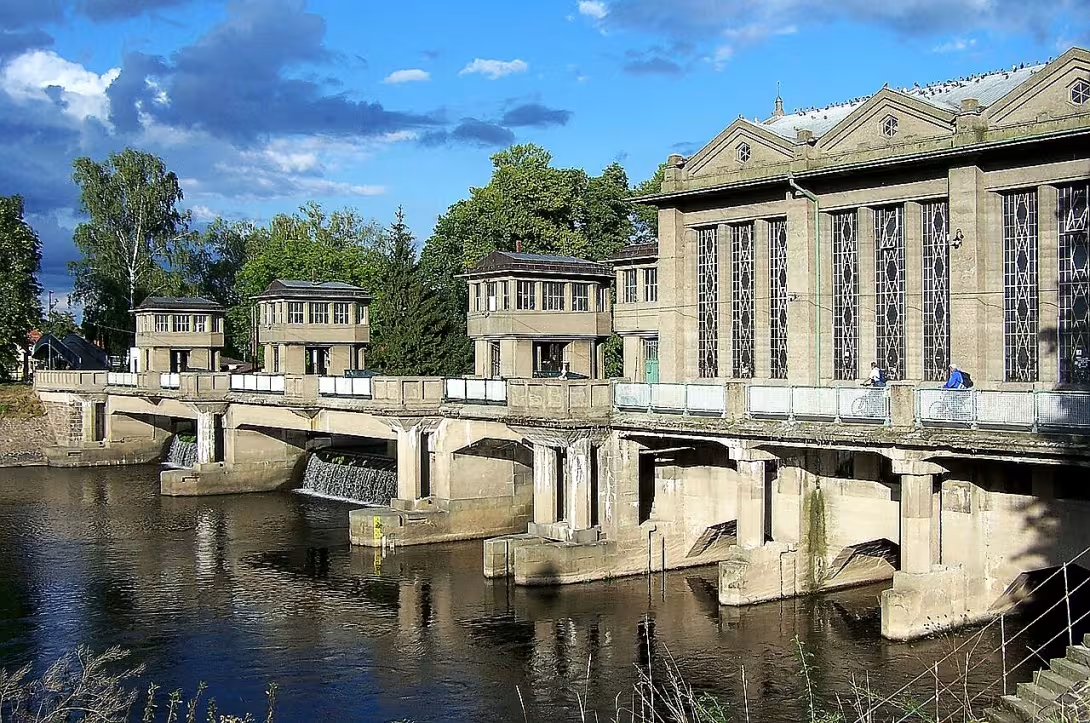
The Poděbrady Water Lift and Hydroelectric Power Station, located in Poděbrady, Czech Republic along the Elbe River, is an important engineering achievement. Constructed from 1914 to 1923, it was part of a project aimed at regulating river flow, improving navigation, and reducing flooding. Designed by Antonín Engel, it features neoclassical and cubist elements, reflecting early 20th-century architectural styles. Today, it remains operational and is recognized as a national cultural monument.
The decision to regulate the Elbe River in Poděbrady was made in 1900 due to navigation needs and flood control. This project included building a weir, lock chamber, and small hydroelectric plant. World War I caused construction delays, but completion occurred in 1923. Antonín Engel, an architect from Poděbrady who later became rector at ČVUT, designed the site using neoclassical architecture with cubist elements on concrete pillars up to eight meters high.
Initially operated by Elektrárenský svaz středolabských okresů (ESSO), the power station is now managed by 1. elektrárenská s.r.o. České Budějovice, while the lock chamber belongs to Povodí Labe. Over time, changes included replacing the original pedestrian bridge with a new footbridge for pedestrians and cyclists in 2002. An island between the water lift and lock chamber is accessible to the public.
Today, the Poděbrady Water Lift and Hydroelectric Power Station stands as a testament to early 20th-century engineering and architectural innovation. Situated south of Anežka Česká Square near Poděbrady Castle, it offers scenic views along the Elbe River. The site includes a disused river arm called Skupice, connected by two bridges. Declared a national cultural monument in 2017, it continues to serve its original purpose while attracting visitors interested in its historical and architectural significance.
Visitors are invited to explore this remarkable site where history and modern functionality converge along the picturesque Elbe River. The Poděbrady Water Lift and Hydroelectric Power Station is not only an engineering marvel but also a cultural treasure reflecting early 20th-century Bohemia's industrial growth and infrastructural development.
Then and now
Drag the slider to compare how the landmark may have looked when it was built with the view today.
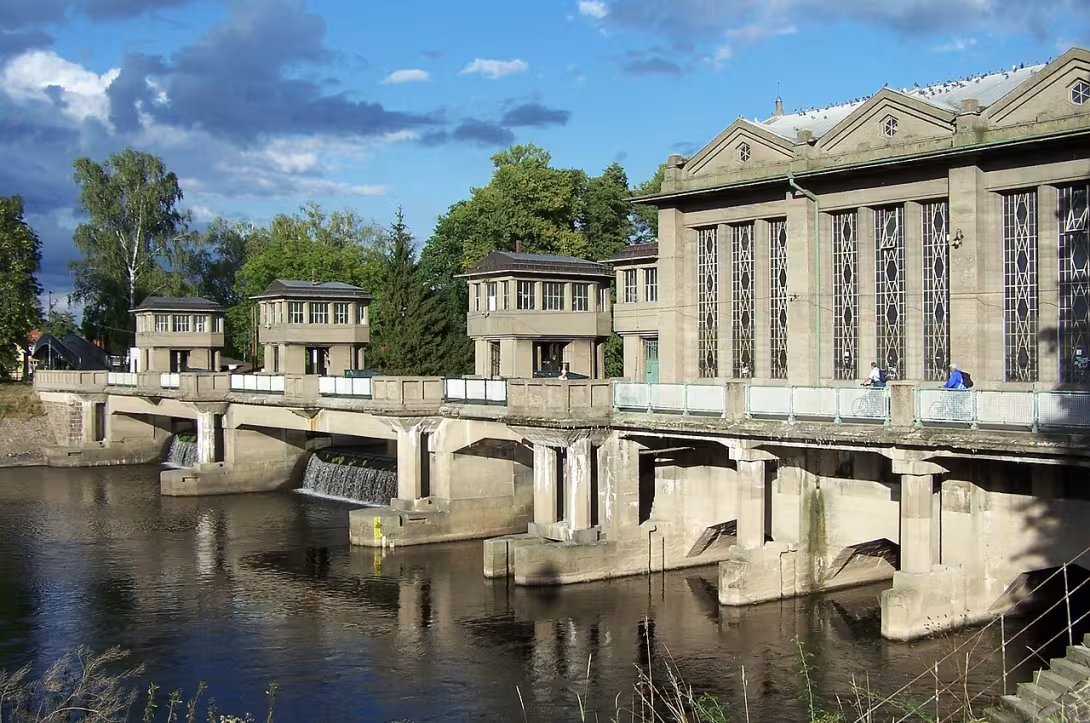
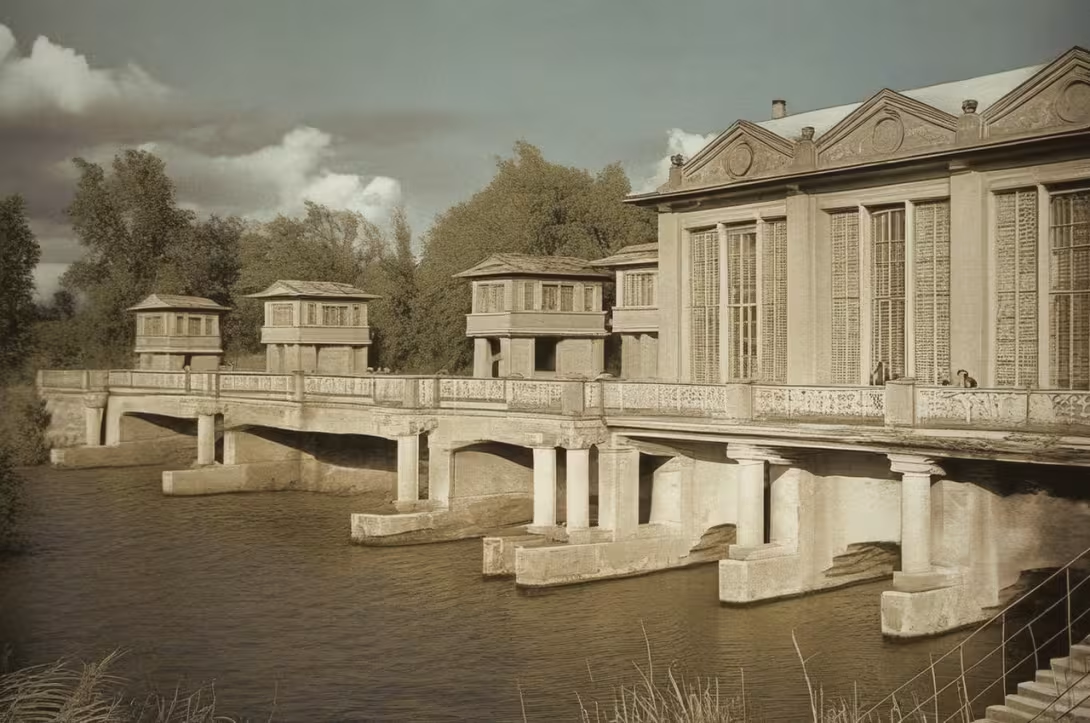
The historical appearance on the left is an AI-generated visualisation and serves as inspiration only.
Historical milestones
- 1900
- Decision made for the regulation of the Elbe River in Poděbrady.
- 1914
- Construction of the water lift began.
- 1923
- Completion and commissioning of the hydroelectric power station.
- 2017
- Declared a national cultural monument of the Czech Republic.
Architectural development
The project, designed by Antonín Engel, included a weir, lock chamber, and small hydroelectric plant. The construction faced delays due to World War I but was completed in 1923. The power station features neoclassical architecture with cubist elements, built on concrete pillars up to 8 meters high.
Historical events
In 1900, a decision was made to regulate the Elbe River in Poděbrady to improve navigation and reduce flooding.
Construction of the water lift began in 1914, with the hydroelectric power station completed by 1923.
Owners
Initially operated by Elektrárenský svaz středolabských okresů (ESSO), the power station is now managed by 1. elektrárenská s.r.o. České Budějovice, while the lock chamber is owned by the state enterprise Povodí Labe.
Points of interest
- The Poděbrady Water Lift and Hydroelectric Power Station was designed by Antonín Engel, who later became the rector of ČVUT, highlighting his significant contribution to both architecture and education in Czech history.
- Despite being constructed during World War I, which caused delays, the project's completion in 1923 demonstrates resilience and dedication to infrastructure improvement amidst global turmoil.
- The site features a blend of neoclassical and cubist architectural styles on concrete pillars up to eight meters high, showcasing early 20th-century design innovation that was ahead of its time.
- An island between the water lift and lock chamber is accessible to the public, offering unique recreational opportunities in an area primarily known for its engineering significance.
- The original pedestrian bridge at the site was replaced with a new footbridge for pedestrians and cyclists in 2002, reflecting modern adaptations while preserving historical integrity.
Guide
This guide is narrated by a synthetic voice generated by artificial intelligence.
Show guide text
This text was created by artificial intelligence and has not been editorially reviewed. It may contain inaccuracies.
Welcome to the Poděbrady Water Lift and Hydroelectric Power Station, a remarkable testament to engineering ingenuity nestled along the Elbe River in Poděbrady. As you stand here today, take a moment to appreciate the grandeur of this historical monument before you. The structure's towering presence is complemented by its unique architectural style that blends neoclassicism with cubism—a visual symphony that speaks to both its functional purpose and artistic ambition.
Let us delve into the story behind this impressive edifice. In 1900, a decision was made to regulate the Elbe River in Poděbrady, aiming to improve navigation and mitigate flooding—an ambitious project for its time. Construction of the water lift began in 1914 under challenging circumstances, as World War I brought about delays that tested the resolve of those involved. By 1923, perseverance paid off with the completion and commissioning of this hydroelectric power station, a beacon of progress despite the turbulent era.
Now, cast your eyes upon the architectural details that define this site. Designed by Antonín Engel, whose vision transcends time, you'll notice how the structure harmoniously combines elements of neoclassicism and cubism. The clean lines and geometric forms invite you to explore further, each angle offering a new perspective on Engel's masterful design.
This place is also intertwined with the story of Antonín Engel himself, an influential figure who later became the rector of ČVUT, leaving an indelible mark on both Czech architecture and education. His legacy here is not just in bricks and mortar but in the spirit of innovation he instilled in this region.
Now, for a touch of intrigue: despite being constructed during World War I—a period marked by resource scarcity and uncertainty—the project was completed with remarkable resilience. This speaks volumes about the determination and skill of those who brought it to life against all odds.
As we conclude our journey here, I invite you to continue exploring this site, each corner holding its own story waiting to be discovered. Thank you for joining me on this exploration of history and engineering marvels at Poděbrady. May your visit inspire a deeper appreciation for the past's enduring legacy in shaping our present world.
Tips for visitors
The best time to visit the Poděbrady Water Lift and Hydroelectric Power Station is during late spring or early autumn, when the weather is mild and pleasant for outdoor activities. These seasons offer optimal lighting conditions for photography, with softer light that enhances the scenic views along the Elbe River. Additionally, visiting outside of peak tourist season can provide a more tranquil experience, allowing you to fully appreciate the engineering marvel without large crowds.
Parking and transportation options are convenient for visitors. There is parking available near Anežka Česká Square, which is close to the site. For those preferring public transport, Poděbrady Castle's proximity makes it accessible via local bus routes or by walking from nearby stops. Always check a reliable travel app or website for current transportation options and schedules.
When visiting, consider bringing comfortable walking shoes as there are several pathways around the area, including along the disused river arm called Skupice. A camera is recommended to capture the stunning views of the Elbe River and the unique structure of the water lift. Additionally, a light jacket might be useful due to variable weather conditions, especially in spring or autumn.
For photography enthusiasts, the best spots include viewpoints along the bridges connecting the disused river arm Skupice. Early morning or late afternoon is ideal for capturing soft lighting and long shadows that highlight the structure's details against the backdrop of the Elbe River. The surrounding landscape also offers picturesque scenes perfect for wide-angle shots.
Nearby attractions within a 30-minute drive include Poděbrady Castle, which provides historical insights and beautiful gardens to explore. Families with children may enjoy visiting the castle as it often has interactive exhibits and open spaces suitable for young visitors. Additionally, exploring the scenic trails along the Elbe River can be a delightful family activity.
Businesses nearby
Do you run a restaurant, accommodation, shop, museum, rental, wellness or other visitor service near this monument? Show yourself directly to the people heading to it — this is how they will see you in the app and on the web:
Nearby
Located south of Anežka Česká Square, near Poděbrady Castle, the site offers scenic views along the Elbe River. The area includes a disused river arm called Skupice, connected by two bridges.
Accommodation nearby
Trips and activities nearby
Guided tours, tickets and activities nearby from GetYourGuide
Affiliate link: if you buy from the partner, we may receive a commission. The price for you does not change.
Search tours and activities →Themed route
Thematic Walking Tour: Poděbrady Water Power Site
1. Elbe River Promenade (Scenic View) Begin your journey along the scenic Elbe River promenade, located south of Anežka Česká Square. This area offers picturesque views and a tranquil setting to appreciate the natural beauty surrounding Poděbrady Castle. The river's gentle flow sets the perfect backdrop for understanding the historical significance of water power in this region.
2. Skupice River Arm (Historical Waterway) Continue your tour by exploring the disused Skupice River arm, connected to the main Elbe by two charming bridges. This former river channel is a testament to the area's rich history of water management and engineering. Walking along its banks provides insight into how this unique waterway contributed to local development and industry.
3. Dyke and Water Power Plant (Main Attraction) Conclude your tour at the heart of Poděbrady’s historical water power site: the dyke and water power plant. This engineering marvel showcases the innovative use of water for energy production, highlighting its role in shaping the region's industrial landscape. The site offers a glimpse into past technologies that harnessed natural resources to drive progress.
This thematic tour not only highlights the significance of Poděbrady’s water management history but also invites visitors to immerse themselves in the serene beauty and engineering prowess of this unique location.
Seasonal recommendations
Spring: The arrival of spring breathes new life into the Poděbrady waterworks, with blooming flora and lush greenery surrounding the water tower and hydroelectric plant. This season offers a refreshing atmosphere as nature awakens from its winter slumber. Visitors can enjoy gentle breezes and mild temperatures ideal for exploring the site's rich history. It's advisable to wear comfortable layers that can be adjusted throughout the day, and early morning visits are recommended to avoid larger crowds as more people venture outdoors.
Summer: Summer in Poděbrady is marked by vibrant green landscapes and extended daylight hours, making it a perfect time to explore the waterworks under the warm sun. The atmosphere is lively, with families and tourists alike taking advantage of the pleasant weather. However, this popularity means that visiting early in the morning or later in the afternoon can help you avoid peak times when the site becomes busier. Don't forget to bring hats, sunglasses, and sunscreen to protect against the summer sun.
Autumn: Autumn transforms Poděbrady with a stunning palette of reds, oranges, and yellows as the leaves change color. The cooler temperatures create a serene atmosphere perfect for leisurely strolls around the water tower and hydroelectric plant. This season is less crowded than summer, offering a more tranquil experience. Visitors should wear layers to accommodate fluctuating temperatures and consider bringing an umbrella or raincoat, as autumn rains are not uncommon.
Winter: Winter envelops Poděbrady in a quiet, frosty charm, with snow often blanketing the area around the waterworks. The site takes on a magical quality under winter lighting, providing a unique backdrop for photography enthusiasts. However, shorter days mean reduced visiting hours, and pathways might be slippery due to ice or snow. Dress warmly in layers, wear sturdy boots, and plan your visit during daylight hours to make the most of your time at this historic location.
Visualizations and artistic views


The visualisations are generated by artificial intelligence and serve as inspiration.
Photos from the area
Real photos taken near the monument


Zdroj a licence jsou uvedeny u každého snímku.
Tips from visitors
No tips yet. Be the first!
Log in and add your tip.
Sources and literature
Fotografie: Michal Louč / CC BY 3.0 — Wikimedia Commons. The author and licence also appear when you hover over the image.
Faktickým podkladem tohoto textu byl článek na Wikipedii, jehož autory jsou přispěvatelé Wikipedie. Článek je dostupný pod licencí CC BY-SA 4.0.
Location on the map






Příběhy a pověsti
Legendy, pověsti a příběhy spjaté s touto památkou

Fotografie návštěvníků
Zatím žádné fotografie. Buďte první, kdo přidá fotografii z návštěvy!
Přihlaste se a přidejte svou fotografii nebo hodnoťte.
Za ověřenou návštěvu v aplikaci získáte víc bodů — poznáme podle GPS, že jste na místě.
Reviews and comments